Everything about Time
Time runs our lives, quietly but relentlessly. It decides when we wake, when we work, and how we grow old. But for something so central, it’s surprisingly slippery. Is it a force of nature? A human invention? And why do we divide it into hours, minutes, and seconds the way we do? This is your complete guide to time: where it comes from, how we measure it, and why it sometimes feels like it moves too fast or too slow.
What Time Actually Is
It feels constant, but time is anything but fixed. Einstein proved that it’s relative - it flows differently depending on speed and gravity. Still, we live by schedules, calendars, and countdowns. This tension between how time behaves in physics and how we use it in life makes the concept more complex than it appears. If you want to understand what time really means, you have to look at both science and philosophy.
Where Timekeeping Began
Before clocks, time was measured by nature. Ancient people tracked days by shadows, months by moon phases, and seasons by stars. Over centuries, these patterns became structured systems. The earliest tools for measuring time from water clocks to sundials, were all based on watching the sky.
The 24-hour day also came from the ancient world. Egyptians split daylight into 12 parts, and gave the night 12 as well. Combined, that became the format we still use. For the details behind that decision, see why we have 24 hours in a day.
The 60-Second Mystery
If you’ve ever wondered why we have 60 seconds in a minute and 60 minutes in an hour, thank the Babylonians. Their base-60 system made it easier to divide things evenly, whether angles, circles, or time. This math is surprisingly durable and still works today. Find out more in why time is divided into 60s.
From Sundials to Atomic Clocks
We’ve come a long way from shadows on the ground. Today, atomic clocks define the second based on the vibration of cesium atoms - over 9 billion ticks per second. These clocks are so precise, they wouldn’t drift more than a second over millions of years. The story of how we got to this level of accuracy is a stunning mix of physics, engineering, and global cooperation.
Star Time vs. Sun Time
You may think a day is always 24 hours. But there’s more than one kind of day. Solar time tracks the sun. Sidereal time, used by astronomers, follows distant stars. A sidereal day is slightly shorter, just under 24 hours. This small difference matters more than you'd think. Learn about the difference between solar and sidereal time and how it affects everything from star charts to leap seconds.
Those Tiny Letters on Your Clock
The little “a.m.” and “p.m.” we casually say every day actually come from Latin: “ante meridiem” means before noon, “post meridiem” means after. These labels reflect how ancient timekeeping revolved around the sun’s highest point in the sky. Their story is explained in how a.m. and p.m. came to be.
Time Doesn’t Feel Fair
Time can drag or fly, depending on what you’re doing. That’s not just a feeling, it’s brain science. When we’re focused or excited, our perception of time contracts. When we’re bored or stressed, it expands. Our memory also plays tricks: new experiences seem longer in hindsight. The psychology behind why time feels fast or slow shows how emotional states shape our inner clock.
Spiritual Timekeeping
Many religions have their own time systems. In Islam, prayer times shift with the sun. Judaism begins the Sabbath at sundown Friday. Christianity structures its year around key seasonal dates. These rhythms connect people to tradition and purpose. See how faith-based timekeeping organizes sacred life.
The Challenge of Keeping Time Worldwide
Standard time zones are a modern invention, created to help with train schedules. But global timekeeping is still messy. Some places use offsets like UTC+5:30. Others don’t observe daylight saving time. Coordinating across all of this, especially for airlines, stock markets, and digital platforms, is harder than most realize. Here’s why managing time across borders is so complicated.
How the Sky Shapes Our Calendar
Our calendar isn’t random. It’s built on Earth's orbit. Solstices mark the longest and shortest days. Equinoxes divide light and dark evenly. These moments guided ancient festivals and modern holidays alike. If you want to know how the movement of the Earth gave us our yearly schedule, see how solstices and equinoxes shape time.
Everyday Ways Time Shapes Your Life
- You wake by alarm, not sunrise
- Work and school follow scheduled hours
- Vacations are measured in days, not restfulness
- Holidays fall on the same calendar dates each year
- You count your age in years, even though you feel older or younger
- Time zones determine when you call friends abroad
- Appointments and reminders rule your world clock and phone screen
- Your sleep is often shaped by time, not tiredness
What Time Leaves Behind
Time is something we try to master, but never really do. We build clocks to track it and calendars to organize it. We set goals, count milestones, and wish we had more of it. Yet time slips past, shaped as much by how we feel as how we measure it. It’s both universal and personal, ticking away in atoms and memories alike.
Understanding time means more than knowing how a clock works. It means seeing the history, science, emotion, and ritual inside each moment, and deciding what we’ll do with the one we’re in right now.
Time Now in Major Cities
- Shanghai, China 🇨🇳 Mon 12:48
- Beijing, China 🇨🇳 Mon 12:48
- Dhaka, Bangladesh 🇧🇩 Mon 10:48
- Cairo, Egypt 🇪🇬 Mon 07:48
- Shenzhen, China 🇨🇳 Mon 12:48
- Guangzhou, China 🇨🇳 Mon 12:48
- Lagos, Nigeria 🇳🇬 Mon 05:48
- Kinshasa, Democratic Republic of Congo 🇨🇩 Mon 05:48
- Istanbul, Türkiye 🇹🇷 Mon 07:48
- Tokyo, Japan 🇯🇵 Mon 13:48
- Chengdu, China 🇨🇳 Mon 12:48
- Mumbai, India 🇮🇳 Mon 10:18
- Moscow, Russia 🇷🇺 Mon 07:48
- São Paulo, Brazil 🇧🇷 Mon 01:48
- Karachi, Pakistan 🇵🇰 Mon 09:48
- Delhi, India 🇮🇳 Mon 10:18
- Jakarta, Indonesia 🇮🇩 Mon 11:48
- Bangkok, Thailand 🇹🇭 Mon 11:48
- Lima, Peru 🇵🇪 Sun 23:48
- Seoul, South Korea 🇰🇷 Mon 13:48
- Mexico City, Mexico 🇲🇽 Sun 22:48
- Tehran, Iran 🇮🇷 Mon 08:18
- Ho Chi Minh City, Vietnam 🇻🇳 Mon 11:48
- London, United Kingdom 🇬🇧 Mon 05:48
- New York City, United States 🇺🇸 Mon 00:48
- Bengaluru, India 🇮🇳 Mon 10:18
- Luanda, Angola 🇦🇴 Mon 05:48
- Hanoi, Vietnam 🇻🇳 Mon 11:48
- Bogota, Colombia 🇨🇴 Sun 23:48
- Riyadh, Saudi Arabia 🇸🇦 Mon 07:48
- Hong Kong, Hong Kong 🇭🇰 Mon 12:48
- Hong Kong, Hong Kong 🇭🇰 Mon 12:48
- Baghdad, Iraq 🇮🇶 Mon 07:48
- Rio de Janeiro, Brazil 🇧🇷 Mon 01:48
- Ahmedabad, India 🇮🇳 Mon 10:18
- Abidjan, Côte d'Ivoire 🇨🇮 Mon 04:48
- Lahore, Pakistan 🇵🇰 Mon 09:48
- Santiago, Chile 🇨🇱 Mon 01:48
- Singapore, Singapore 🇸🇬 Mon 12:48
- Singapore, Singapore 🇸🇬 Mon 12:48
- Johannesburg, South Africa 🇿🇦 Mon 06:48
- Dar es Salaam, Tanzania 🇹🇿 Mon 07:48
- Saint Petersburg, Russia 🇷🇺 Mon 07:48
- Alexandria, Egypt 🇪🇬 Mon 07:48
- Sydney, Australia 🇦🇺 Mon 14:48
- Khartoum, Sudan 🇸🇩 Mon 06:48
- Ankara, Türkiye 🇹🇷 Mon 07:48
- Melbourne, Australia 🇦🇺 Mon 14:48
- Kano, Nigeria 🇳🇬 Mon 05:48
- Addis Ababa, Ethiopia 🇪🇹 Mon 07:48
- Cape Town, South Africa 🇿🇦 Mon 06:48
- Jeddah, Saudi Arabia 🇸🇦 Mon 07:48
- Chennai, India 🇮🇳 Mon 10:18
- Yangon, Myanmar 🇲🇲 Mon 11:18
- Nairobi, Kenya 🇰🇪 Mon 07:48
- Giza, Egypt 🇪🇬 Mon 07:48
- Kabul, Afghanistan 🇦🇫 Mon 09:18
- Amman, Jordan 🇯🇴 Mon 07:48
- Chattogram, Bangladesh 🇧🇩 Mon 10:48
- Los Angeles, United States 🇺🇸 Sun 21:48
- Yaounde, Cameroon 🇨🇲 Mon 05:48
- Yokohama, Japan 🇯🇵 Mon 13:48
- Busan, South Korea 🇰🇷 Mon 13:48
- Casablanca, Morocco 🇲🇦 Mon 05:48
- Ibadan, Nigeria 🇳🇬 Mon 05:48
- Berlin, Germany 🇩🇪 Mon 06:48
- Dubai, United Arab Emirates 🇦🇪 Mon 08:48
- Algiers, Algeria 🇩🇿 Mon 05:48
- Madrid, Spain 🇪🇸 Mon 06:48
- Durban, South Africa 🇿🇦 Mon 06:48
- Bursa, Türkiye 🇹🇷 Mon 07:48
- Brasilia, Brazil 🇧🇷 Mon 01:48
- Abuja, Nigeria 🇳🇬 Mon 05:48
- Kuwait City, Kuwait 🇰🇼 Mon 07:48
- Guatemala City, Guatemala 🇬🇹 Sun 22:48
- Santo Domingo, Dominican Republic 🇩🇴 Mon 00:48
- Incheon, South Korea 🇰🇷 Mon 13:48
- Sana'a, Yemen 🇾🇪 Mon 07:48
- Caracas, Venezuela 🇻🇪 Mon 00:48
- Kyiv, Ukraine 🇺🇦 Mon 07:48
- Buenos Aires, Argentina 🇦🇷 Mon 01:48
- Surabaya, Indonesia 🇮🇩 Mon 11:48
- Pyongyang, North Korea 🇰🇵 Mon 13:48
- Rome, Italy 🇮🇹 Mon 06:48
- Quezon City, Philippines 🇵🇭 Mon 12:48
- Osaka, Japan 🇯🇵 Mon 13:48
- Brooklyn, United States 🇺🇸 Mon 00:48
- Guayaquil, Ecuador 🇪🇨 Sun 23:48
- Belo Horizonte, Brazil 🇧🇷 Mon 01:48
- Salvador, Brazil 🇧🇷 Mon 01:48
- Chicago, United States 🇺🇸 Sun 23:48
- Toronto, Canada 🇨🇦 Mon 00:48
- Taipei, Taiwan 🇹🇼 Mon 12:48
- Brisbane, Australia 🇦🇺 Mon 14:48
- Daegu, South Korea 🇰🇷 Mon 13:48
- Bekasi, Indonesia 🇮🇩 Mon 11:48
- Kumasi, Ghana 🇬🇭 Mon 04:48
- Faisalabad, Pakistan 🇵🇰 Mon 09:48
- İzmir, Türkiye 🇹🇷 Mon 07:48
- Lusaka, Zambia 🇿🇲 Mon 06:48
More Time Related Articles:

Why Counting Down to Your Vacation Makes the Wait More Bearable
The trip is booked. Your brain celebrates for about ten minutes, then the wait begin...

Birthday Countdown Clocks for Kids and Adults
A birthday countdown clock turns waiting into something you can actuall...
Setting Alarms to Break Your Doomscrolling Habit Before Bed
Your phone has a certain gravity at night. Even when you intend to check one harmless notification, the moment the screen lights up, a cascade of i...
How Leap Years Keep Our Calendar Aligned With Earth's Orbit
Time slips forward with a steady rhythm, yet the universe rarely follows human rules. Calendars are our attempt to tame the flow of days, and leap...
25 Facts about Time
Time rules everything. From the gentle ticking of a clock to the swirl of galaxies, every beat, blink, and breath unfolds within it. It’s the invis...
The Difference Between GMT and UTC
Time zones can get confusing fast. Two of the most common terms, GMT and UTC, often appear side by side, making people wonder if there’s a real d...
UTC: The World’s Time Standard
Coordinated Universal Time, or UTC, quietly keeps our planet in sync. Every clock, server, and sate...

Where the Clock Ticks and the Event Crowd Gathers
Time does something magical when people gather. Whether it’s a rooftop party in SoHo or a city-wide countdown in Causeway Bay, moments are built on...

The Perfect Burger Timer
Perfect burgers aren't just about ingredients. Timing is everything. Whether you're cooking on a hot skillet or grilling in the backyard, knowing e...

Why time flies when you’re having fun and drags when you’re bored
You look up from your phone and an hour’s gone. You spend a weekend with friends and it feels like five minutes. But wait for a bus with nothing to...

Why time seems to zoom past as we get older
You blink and another year is gone. Birthdays come quicker. Holidays feel closer together. Childhood summe...
Why We Say a.m. and p.m. and What They Actually Mean
You set your alarm for 7 a.m. You book a flight that leaves at 8 p.m. These labels feel automatic. But where ...

Sidereal vs. Solar Time: What’s the Difference?
You wake up, check the clock, and see the sun just rising. That feels normal. But what if your clock followed the stars instead? You’d be off by a ...

Timekeeping in Islam, Judaism, and Christianity
When people think of time, they often picture clocks and calendars. But in many faiths, time is more than numbers. It carries meaning, memory, and ...

Why Are There 60 Seconds in a Minute?
You glance at the clock. It ticks forward one second. Sixty of those make a minute, but why? Why not 100? Or 10? We’ve sent people to the moon but ...
The Science Behind Measuring Time
You check your phone, and it says 3:42 PM. That time feels exact. Solid. But how do we really know it’s 3:42 PM? What makes that number correct? Me...
How Humans First Measured Time
You don’t need a smartwatch to feel time pass. You feel it when the light changes, when hunger kicks in, when shadows grow longer. Long before <a h...

Why Is a Day 24 Hours?
The sun rises, the sun sets, and we call that a day. But why do we divide that period into 24 hours? It’s not like the Earth whispered that number ...
What Is Time?
You feel it pass when you’re late. You count it in birthdays, meetings, and sunsets. But what exactly is time? Is i...
The Analemma: Why the Sun Is Not Always Directly Overhead at Noon
Step outside at noon and check the sky. Odds are, the Sun isn’t exactly overhead. In fact, depending on the time of year, it could be surprisingly ...

Why Coordinating Time Internationally Is Harder Than You Think
Two people schedule a call for Tuesday at 9 AM. One is in London, the other in Sydney. Seems simple. But when Tuesday rolls around, someone’s eatin...
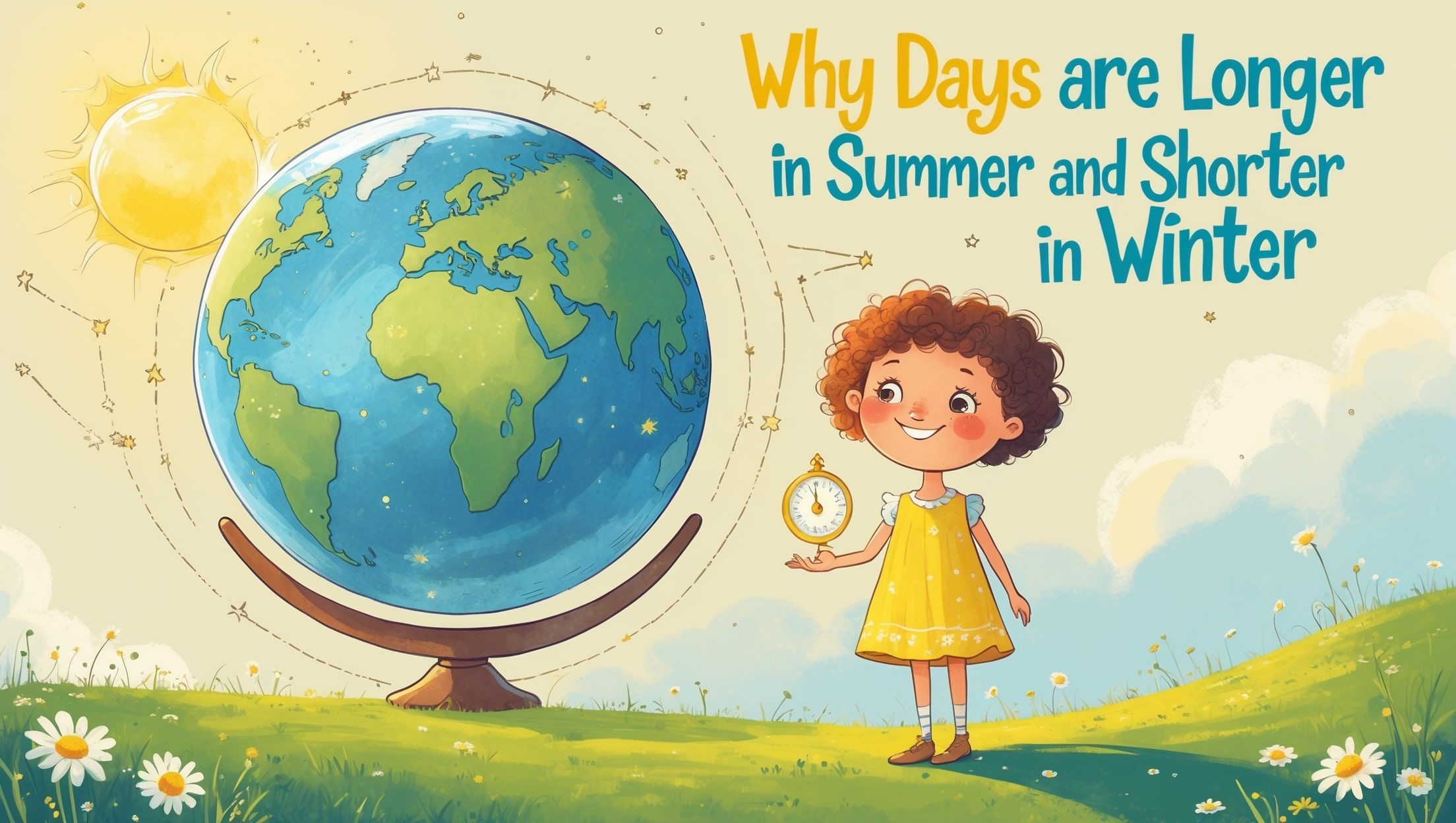
Why Days Are Longer in Summer and Shorter in Winter?
Ever noticed how summer days seem to stretch on forever, while winter evenings sneak up before dinner? You're not imagining things. There's a simpl...
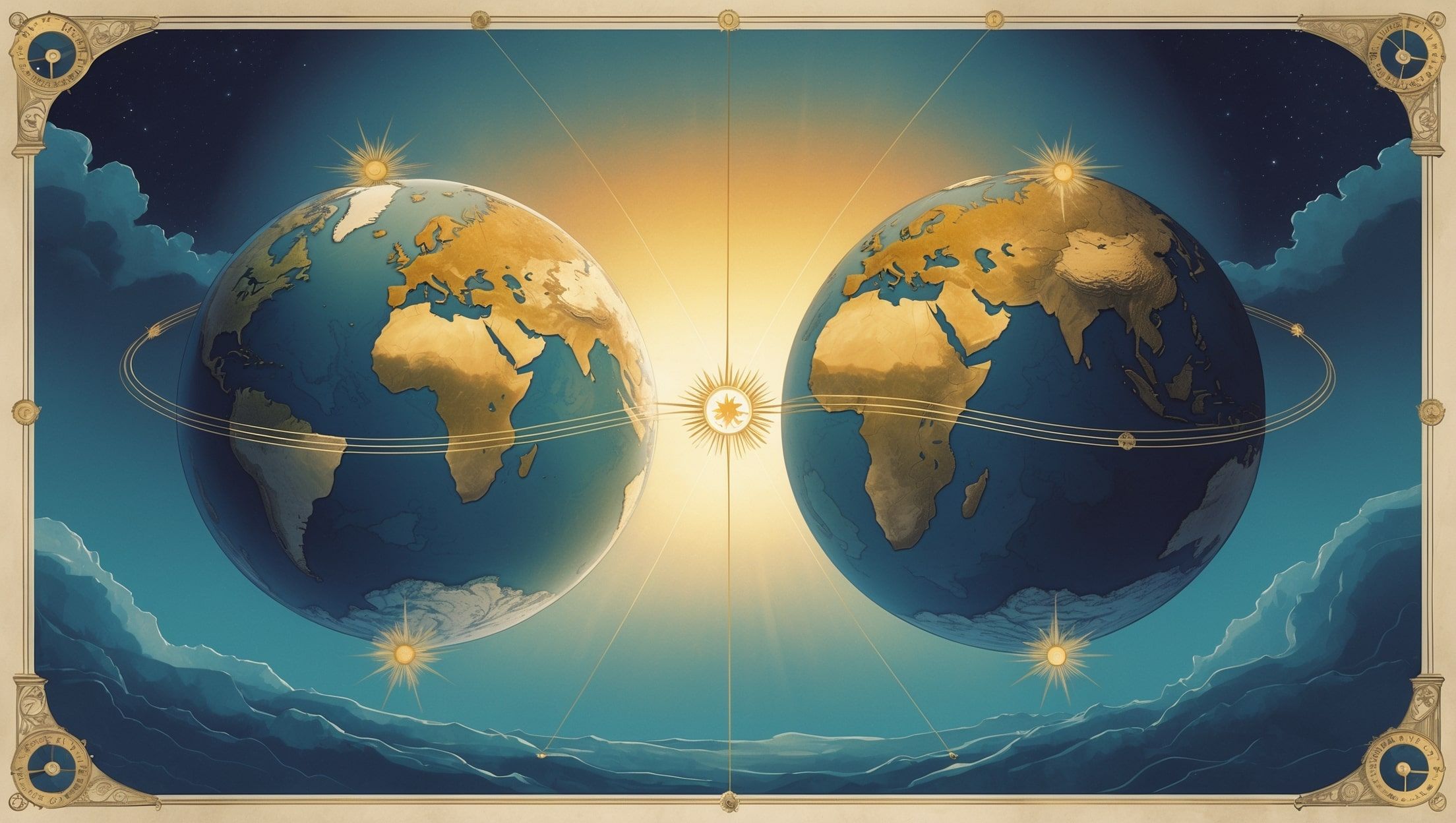
Solstices and Equinoxes: How They Shape Our Timekeeping
Twice a year, the Sun stands still. Not literally, of course, but that’s how it appears from Earth. These moments mark the solstices. Then there ar...