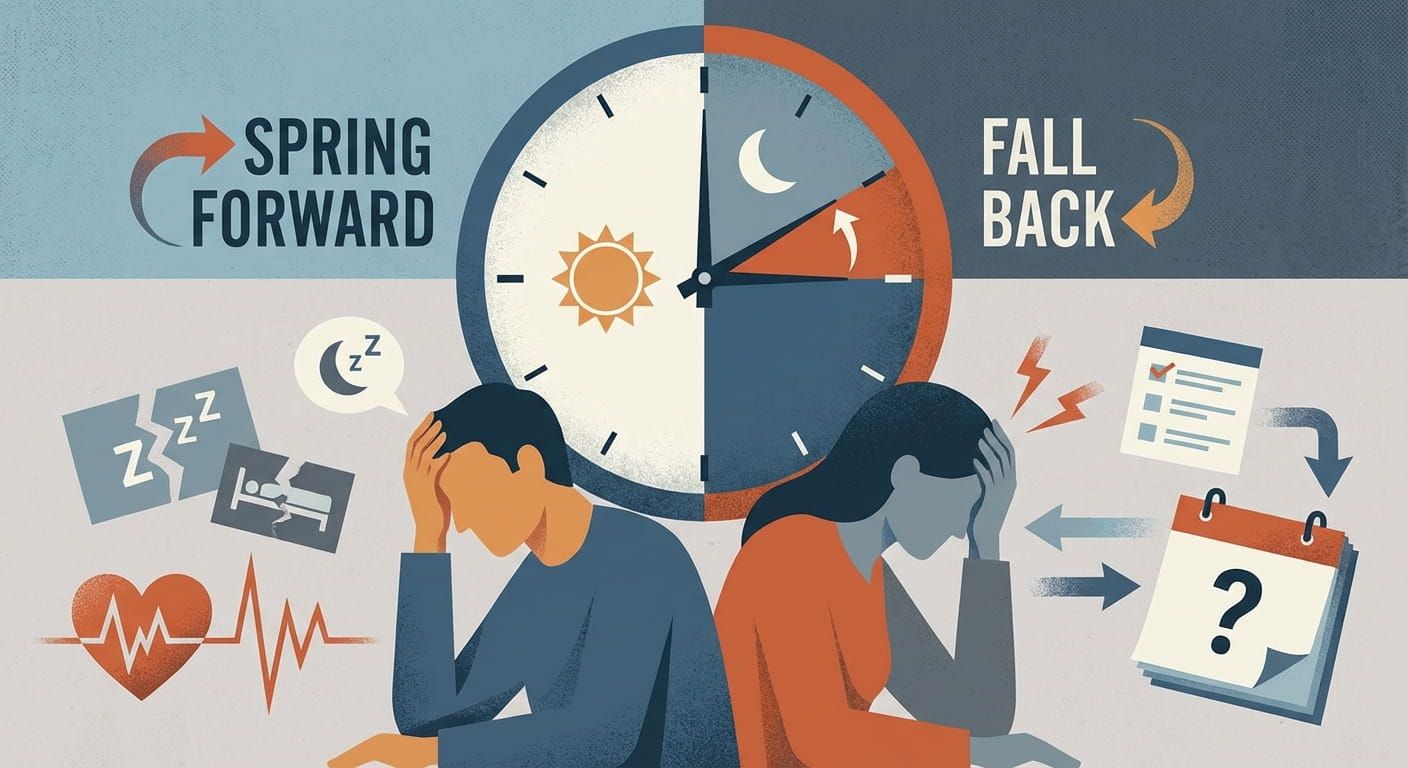
Daylight Savings Time Changes in United States 🇺🇸 (2016)
United States observes daylight saving time. Clocks next fall back on Sunday, November 1, 2026, switching from EDT (UTC-4) to EST (UTC-5).
| Country: | United States |
| Capital: | Washington, D.C. |
| Abbreviations: | US, USA |
| IANA Time Zones: | 47 |
| Dial Code: | +1 |
Daylight Savings Time Schedule and Information
Before
01
:
59
After
03
:
00
13 MAR
13 Mar 2016 - Daylight Saving Time Starts
When local standard time is about to reach Sunday, 13 March 2016, 01:59 clocks are turned forward 1 hour to
Sunday, 13 March 2016, 03:00 local daylight time instead.
Sunrise and sunset will be about 1 hour later on 13 Mar 2016 than the day before. There will be more light in the evening.
Also called Spring Forward.
Before
01
:
59
After
01
:
00
6 NOV
06 Nov 2016 - Daylight Saving Time Ends
When local standard time is about to reach Sunday, 06 November 2016, 01:59 clocks are turned backward 1 hour to
Sunday, 06 November 2016, 01:00 local standard time instead.
Sunrise and sunset will be about 1 hour earlier on 06 Nov 2016 than the day before. There will be more light in the morning.
Also called Fall Back.
Daylight Savings Time Schedules by States in United States (2016)
| State | DST Start (Spring) | DST End (Fall) |
|---|---|---|
| Alabama | 13 Mar 2016 | 06 Nov 2016 |
| Alaska | 13 Mar 2016 | 06 Nov 2016 |
| Arkansas | 13 Mar 2016 | 06 Nov 2016 |
| California | 13 Mar 2016 | 06 Nov 2016 |
| Colorado | 13 Mar 2016 | 06 Nov 2016 |
| Connecticut | 13 Mar 2016 | 06 Nov 2016 |
| Delaware | 13 Mar 2016 | 06 Nov 2016 |
| District of Columbia | 13 Mar 2016 | 06 Nov 2016 |
| Florida | 13 Mar 2016 | 06 Nov 2016 |
| Georgia | 13 Mar 2016 | 06 Nov 2016 |
| Idaho | 13 Mar 2016 | 06 Nov 2016 |
| Illinois | 13 Mar 2016 | 06 Nov 2016 |
| Indiana | 13 Mar 2016 | 06 Nov 2016 |
| Iowa | 13 Mar 2016 | 06 Nov 2016 |
| Kansas | 13 Mar 2016 | 06 Nov 2016 |
| Kentucky | 13 Mar 2016 | 06 Nov 2016 |
| Louisiana | 13 Mar 2016 | 06 Nov 2016 |
| Maine | 13 Mar 2016 | 06 Nov 2016 |
| Maryland | 13 Mar 2016 | 06 Nov 2016 |
| Massachusetts | 13 Mar 2016 | 06 Nov 2016 |
| Michigan | 13 Mar 2016 | 06 Nov 2016 |
| Minnesota | 13 Mar 2016 | 06 Nov 2016 |
| Mississippi | 13 Mar 2016 | 06 Nov 2016 |
| Missouri | 13 Mar 2016 | 06 Nov 2016 |
| Montana | 13 Mar 2016 | 06 Nov 2016 |
| Nebraska | 13 Mar 2016 | 06 Nov 2016 |
| Nevada | 13 Mar 2016 | 06 Nov 2016 |
| New Hampshire | 13 Mar 2016 | 06 Nov 2016 |
| New Jersey | 13 Mar 2016 | 06 Nov 2016 |
| New Mexico | 13 Mar 2016 | 06 Nov 2016 |
| New York | 13 Mar 2016 | 06 Nov 2016 |
| North Carolina | 13 Mar 2016 | 06 Nov 2016 |
| North Dakota | 13 Mar 2016 | 06 Nov 2016 |
| Ohio | 13 Mar 2016 | 06 Nov 2016 |
| Oklahoma | 13 Mar 2016 | 06 Nov 2016 |
| Oregon | 13 Mar 2016 | 06 Nov 2016 |
| Pennsylvania | 13 Mar 2016 | 06 Nov 2016 |
| Rhode Island | 13 Mar 2016 | 06 Nov 2016 |
| South Carolina | 13 Mar 2016 | 06 Nov 2016 |
| South Dakota | 13 Mar 2016 | 06 Nov 2016 |
| Tennessee | 13 Mar 2016 | 06 Nov 2016 |
| Texas | 13 Mar 2016 | 06 Nov 2016 |
| Utah | 13 Mar 2016 | 06 Nov 2016 |
| Vermont | 13 Mar 2016 | 06 Nov 2016 |
| Virginia | 13 Mar 2016 | 06 Nov 2016 |
| Washington | 13 Mar 2016 | 06 Nov 2016 |
| West Virginia | 13 Mar 2016 | 06 Nov 2016 |
| Wisconsin | 13 Mar 2016 | 06 Nov 2016 |
| Wyoming | 13 Mar 2016 | 06 Nov 2016 |
DST Changes Summary for United States
| Date | Year | Change | Time | Details |
|---|---|---|---|---|
| 2 Nov | 2025 | Back 1 hour | 01:59 ➜ 01:00 | Daylight Saving End |
| 8 Mar | 2026 | Forward 1 hour | 01:59 ➜ 03:00 | Daylight Saving Start |
| 1 Nov | 2026 | Back 1 hour | 01:59 ➜ 01:00 | Daylight Saving End |
| 14 Mar | 2027 | Forward 1 hour | 01:59 ➜ 03:00 | Daylight Saving Start |
| 7 Nov | 2027 | Back 1 hour | 01:59 ➜ 01:00 | Daylight Saving End |
| 12 Mar | 2028 | Forward 1 hour | 01:59 ➜ 03:00 | Daylight Saving Start |
| 5 Nov | 2028 | Back 1 hour | 01:59 ➜ 01:00 | Daylight Saving End |
| 11 Mar | 2029 | Forward 1 hour | 01:59 ➜ 03:00 | Daylight Saving Start |
| 4 Nov | 2029 | Back 1 hour | 01:59 ➜ 01:00 | Daylight Saving End |
| 10 Mar | 2030 | Forward 1 hour | 01:59 ➜ 03:00 | Daylight Saving Start |
| 3 Nov | 2030 | Back 1 hour | 01:59 ➜ 01:00 | Daylight Saving End |
| 9 Mar | 2031 | Forward 1 hour | 01:59 ➜ 03:00 | Daylight Saving Start |
Read More About Daylight Savings Time


Common Questions about Daylight Savings Time Changes in United States
Does United States use Daylight Saving Time in 2016?
Yes, United States observes Daylight Saving Time during the 2016 calendar year. The country follows the practice of shifting clocks to better align waking hours with the available evening sunlight during the spring and summer months.
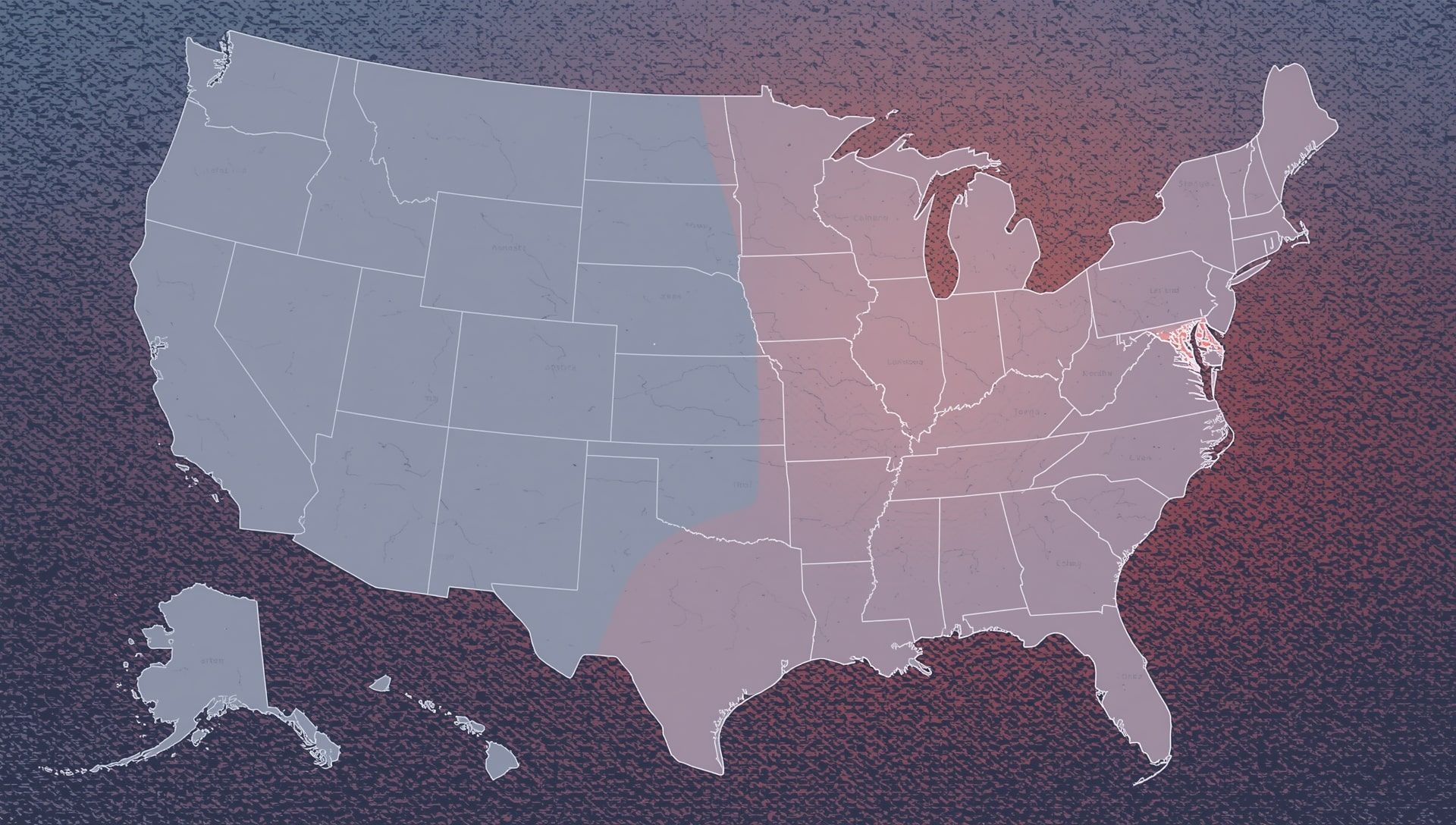
Note that this does not apply to the entire country, as 2 states do not participate in the change.
When do the clocks change next in United States?
The next scheduled time transition in United States will take place on Sunday, 13 March 2016. At 01:59 local time, clocks will be turned forward by 1 hour. This specific change marks the transition to daylight saving time starts.
Does all of United States follow the same time change schedule?
No. While the majority of United States observes Daylight Saving Time, there are regional exceptions. Currently, 2 states stay on standard time year-round.
How will the next transition affect the day in United States?
Following the shift on 13 Mar 2016, you will notice that there is more light in the evening compared to the day before. While the transition may temporarily disrupt sleep patterns, the primary goal of this forward shift is to maximize usable daylight for the population.
Frequently Asked Questions about DST in United States
Does United States observe Daylight Saving Time?
Yes, United States observes Daylight Saving Time. Clocks shift forward in spring and back in autumn, giving an extra hour of evening daylight during the warmer months.
When does DST start in United States in 2016?
In 2016, Daylight Saving Time begins in United States on March 13, 2016 at 01:59 local time. Clocks spring forward by one hour at this moment.
When does DST end in United States in 2016?
In 2016, Daylight Saving Time ends in United States on November 06, 2016 at 01:59 local time. Clocks fall back by one hour, returning to standard time.
When is the next time change in United States?
The next clock change in United States is on March 13, 2016, when clocks will fall back by one hour.
What time zone is United States on after DST ends?
After DST ends, United States returns to its standard time zone, America / Adak (America/Adak). Standard time is the country's year-round baseline; DST adds one hour to that during the warmer months.
Why does United States use Daylight Saving Time?
Like most countries that observe DST, United States shifts its clocks to make better use of evening daylight during the summer months, which can reduce electricity demand and shift outdoor activity later into the day. The savings are modest and debated, but the practice remains widespread in mid- and high-latitude countries.