Daylight Savings Time Changes in Iran 🇮🇷 (2018)
Iran does not observe daylight saving time; clocks stay on UTC+3:30 all year round.
| Country: | Iran |
| Capital: | Tehran |
| Abbreviations: | IR, IRN |
| IANA Time Zones: | 2 |
| Dial Code: | +98 |
Daylight Savings Time Schedule and Information
Before
23
:
59
After
01
:
00
21 MAR
21 Mar 2018 - Daylight Saving Time Starts
When local standard time is about to reach Wednesday, 21 March 2018, 23:59 clocks are turned forward 1 hour to
Wednesday, 21 March 2018, 01:00 local daylight time instead.
Sunrise and sunset will be about 1 hour later on 21 Mar 2018 than the day before. There will be more light in the evening.
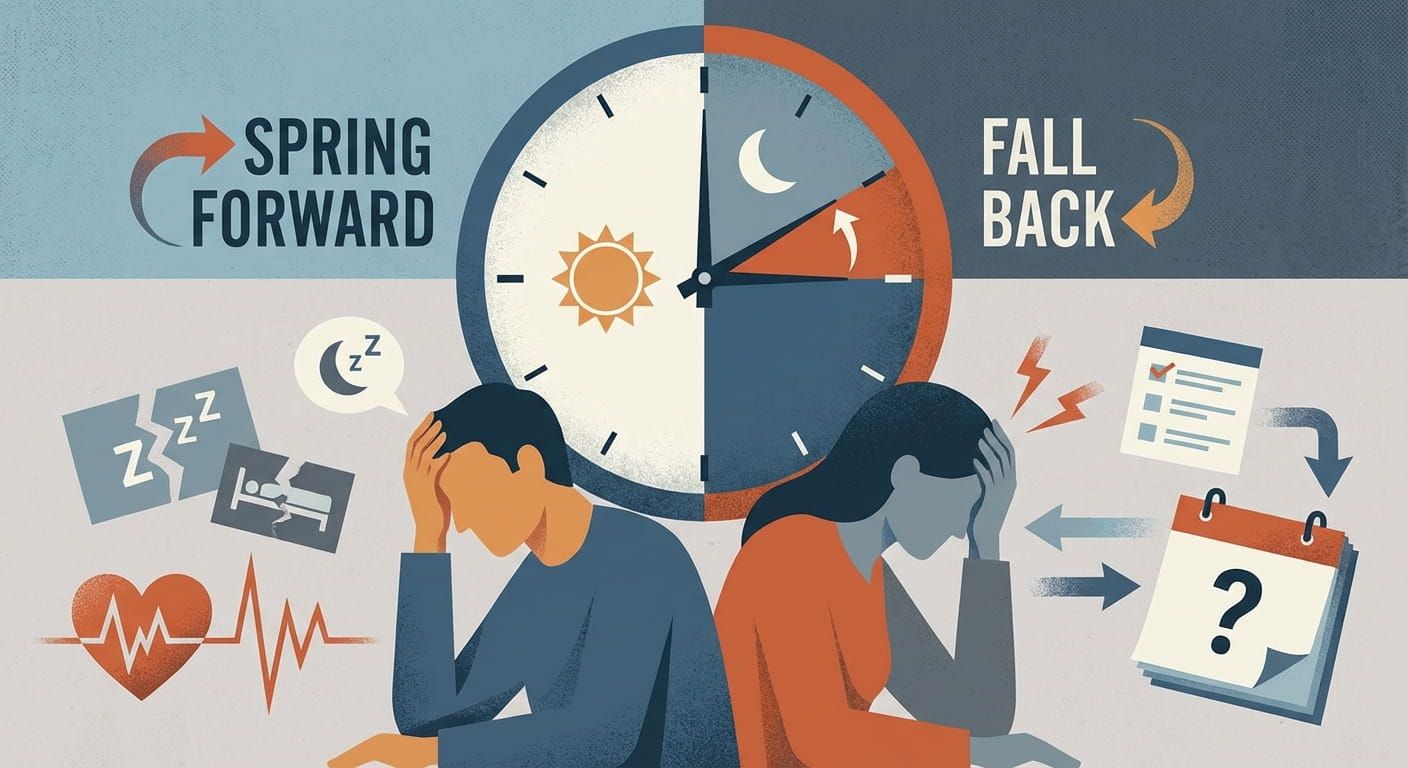
Also called Spring Forward.
Before
23
:
59
After
23
:
00
21 SEP
21 Sep 2018 - Daylight Saving Time Ends
When local standard time is about to reach Friday, 21 September 2018, 23:59 clocks are turned backward 1 hour to
Friday, 21 September 2018, 23:00 local standard time instead.
Sunrise and sunset will be about 1 hour earlier on 21 Sep 2018 than the day before. There will be more light in the morning.
Also called Fall Back.
Daylight Savings Time Schedules by Provinces in Iran (2018)
| Province | DST Start (Spring) | DST End (Fall) |
|---|---|---|
| Alborz Province | 21 Mar 2018 | 21 Sep 2018 |
| Ardabil Province | 21 Mar 2018 | 21 Sep 2018 |
| Bushehr | 21 Mar 2018 | 21 Sep 2018 |
| Chaharmahal and Bakhtiari | 21 Mar 2018 | 21 Sep 2018 |
| East Azerbaijan | 21 Mar 2018 | 21 Sep 2018 |
| Fars | 21 Mar 2018 | 21 Sep 2018 |
| Gilan Province | 21 Mar 2018 | 21 Sep 2018 |
| Golestan | 21 Mar 2018 | 21 Sep 2018 |
| Hamadan Province | 21 Mar 2018 | 21 Sep 2018 |
| Hormozgan | 21 Mar 2018 | 21 Sep 2018 |
| Ilam Province | 21 Mar 2018 | 21 Sep 2018 |
| Isfahan | 21 Mar 2018 | 21 Sep 2018 |
| Kerman | 21 Mar 2018 | 21 Sep 2018 |
| Kermanshah Province | 21 Mar 2018 | 21 Sep 2018 |
| Khuzestan | 21 Mar 2018 | 21 Sep 2018 |
| Kohgiluyeh and Boyer-Ahmad | 21 Mar 2018 | 21 Sep 2018 |
| Kurdistan Province | 21 Mar 2018 | 21 Sep 2018 |
| Lorestan Province | 21 Mar 2018 | 21 Sep 2018 |
| Markazi | 21 Mar 2018 | 21 Sep 2018 |
| Māzandarān | 21 Mar 2018 | 21 Sep 2018 |
| North Khorasan | 21 Mar 2018 | 21 Sep 2018 |
| Qazvin Province | 21 Mar 2018 | 21 Sep 2018 |
| Qom Province | 21 Mar 2018 | 21 Sep 2018 |
| Razavi Khorasan | 21 Mar 2018 | 21 Sep 2018 |
| Semnan | 21 Mar 2018 | 21 Sep 2018 |
| Sistan and Baluchestan | 21 Mar 2018 | 21 Sep 2018 |
| South Khorasan Province | 21 Mar 2018 | 21 Sep 2018 |
| Tehran | 21 Mar 2018 | 21 Sep 2018 |
| West Azerbaijan | 21 Mar 2018 | 21 Sep 2018 |
| Yazd Province | 21 Mar 2018 | 21 Sep 2018 |
| Zanjan | 21 Mar 2018 | 21 Sep 2018 |
DST Changes Summary for Iran
| Date | Year | Change | Time | Details |
|---|---|---|---|---|
| 21 Mar | 2022 | Forward 1 hour | 23:59 ➜ 01:00 | Daylight Saving Start |
| 21 Sep | 2022 | Back 1 hour | 23:59 ➜ 23:00 | Daylight Saving End |
Read More About Daylight Savings Time


Common Questions about Daylight Savings Time Changes in Iran
Does Iran use Daylight Saving Time in 2018?
Yes, Iran observes Daylight Saving Time during the 2018 calendar year. The country follows the practice of shifting clocks to better align waking hours with the available evening sunlight during the spring and summer months.
When do the clocks change next in Iran?
The next scheduled time transition in Iran will take place on Wednesday, 21 March 2018. At 23:59 local time, clocks will be turned forward by 1 hour. This specific change marks the transition to daylight saving time starts.
Does all of Iran follow the same time change schedule?
Yes, the calendar dates for starting and ending Daylight Saving Time are consistent across the country. However, because Iran spans 2 different time zones, the actual moment the clocks move occurs at different times depending on the local timezone of each province.
How will the next transition affect the day in Iran?
Following the shift on 21 Mar 2018, you will notice that there is more light in the evening compared to the day before. While the transition may temporarily disrupt sleep patterns, the primary goal of this forward shift is to maximize usable daylight for the population.
Frequently Asked Questions about DST in Iran
Does Iran observe Daylight Saving Time?
Yes, Iran observes Daylight Saving Time. Clocks shift forward in spring and back in autumn, giving an extra hour of evening daylight during the warmer months.
When does DST start in Iran in 2018?
In 2018, Daylight Saving Time begins in Iran on March 21, 2018 at 23:59 local time. Clocks spring forward by one hour at this moment.
When does DST end in Iran in 2018?
In 2018, Daylight Saving Time ends in Iran on September 21, 2018 at 23:59 local time. Clocks fall back by one hour, returning to standard time.
When is the next time change in Iran?
The next clock change in Iran is on March 21, 2018, when clocks will fall back by one hour.
What time zone is Iran on after DST ends?
After DST ends, Iran returns to its standard time zone, Asia / Tehran (Asia/Tehran). Standard time is the country's year-round baseline; DST adds one hour to that during the warmer months.
Why does Iran use Daylight Saving Time?
Like most countries that observe DST, Iran shifts its clocks to make better use of evening daylight during the summer months, which can reduce electricity demand and shift outdoor activity later into the day. The savings are modest and debated, but the practice remains widespread in mid- and high-latitude countries.