Eid al-Adha (10th Dhu al-Hijjah)
Significance, History, and Observed Dates
Historical Narrative
Spiritual Significance
The sacrifice is not about the meat or blood; Allah says: 'It is neither their meat nor their blood that reaches Allah, but it is Taqwa from you that reaches Him.' (22:37). It symbolizes the willingness to sacrifice one's own desires for the sake of God.
Lessons for the Believer
- Udhiya (Qurbani): Slaughtering a livestock animal is an act of worship — divide the meat into three parts: family, friends, and the poor.
- Takbirat al-Tashreeq: Reciting the Takbir after every fard prayer from the 9th to the 13th fills the days with Allah's remembrance.
- True submission is internal: Ibrahim (AS) showed that the real sacrifice is of our ego, desires, and attachments — not just an animal.
Common Customs & Traditions
Dividing the Qurbani meat into three parts (family, friends, and the poor), performing the Eid prayer, and celebrating with 'Hajjis' returning from their journey.
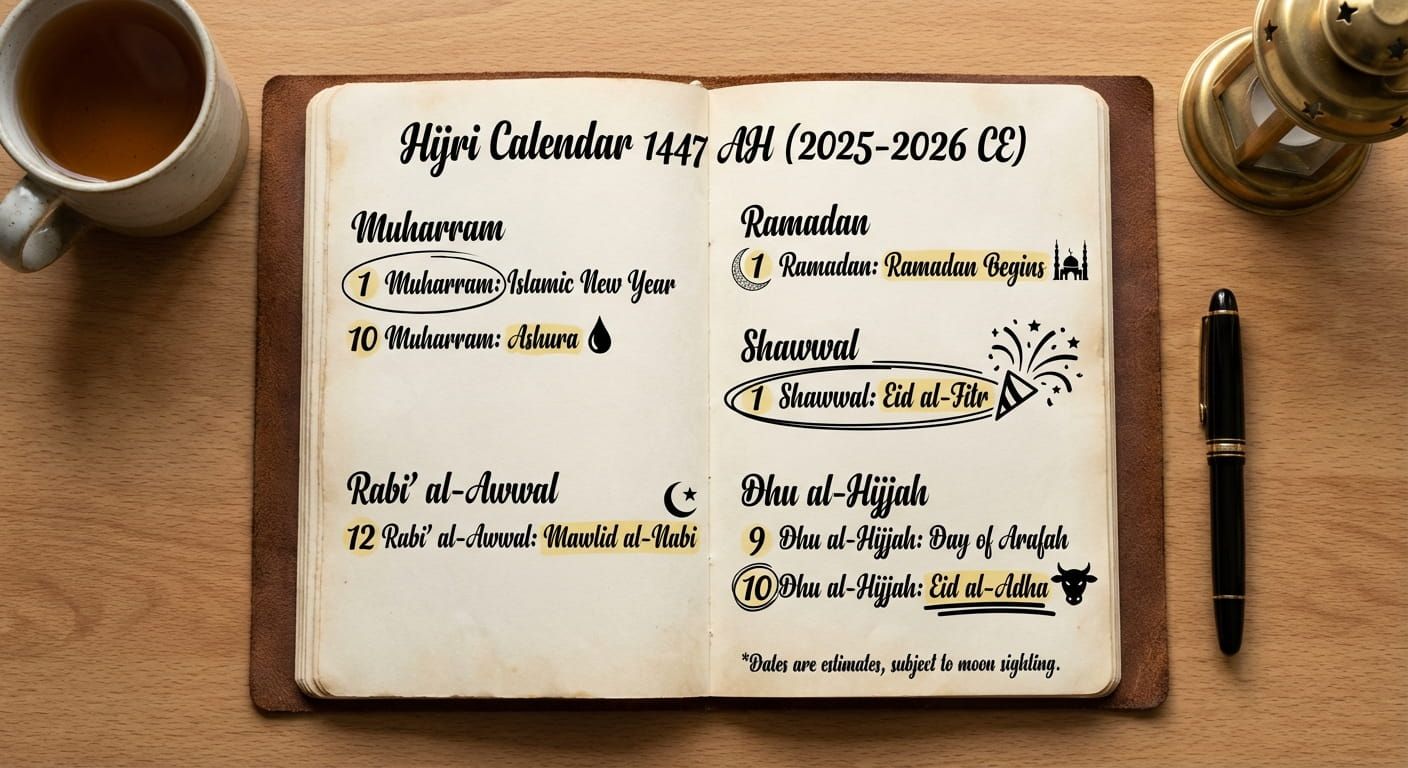
When is Eid al-Adha (10th Dhu al-Hijjah) in 2026?
*Dates are subject to local moon sightings.
Upcoming Dates for Eid al-Adha (10th Dhu al-Hijjah)
Frequently Asked Questions about Eid al-Adha (10th Dhu al-Hijjah)
What is Eid al-Adha?
Eid al-Adha, known as the 'Festival of Sacrifice,' is the second and larger of the two Islamic Eids. It commemorates the absolute submission of Prophet Ibrahim (AS) and his family to Allah.
What is the significance of Eid al-Adha?
Eid al-Adha honors Prophet Ibrahim's (AS) willingness to sacrifice his son in obedience to Allah, demonstrating true submission. It also coincides with the Hajj pilgrimage, celebrating the unity of Muslims worldwide.
How is Eid al-Adha observed?
Observances include performing the Eid prayer and dividing Qurbani meat into three parts: for family, friends, and the poor. Muslims also celebrate with Hajjis returning from their journey.
What are the spiritual lessons of Eid al-Adha?
Udhiya (Qurbani) is an act of worship where the meat is divided into three parts. Takbirat al-Tashreeq, recited after every fard prayer from the 9th to the 13th of Dhu al-Hijjah, fills the days with Allah's remembrance. True submission is internal, as Ibrahim (AS) showed that the real sacrifice is of our ego, desires, and attachments.
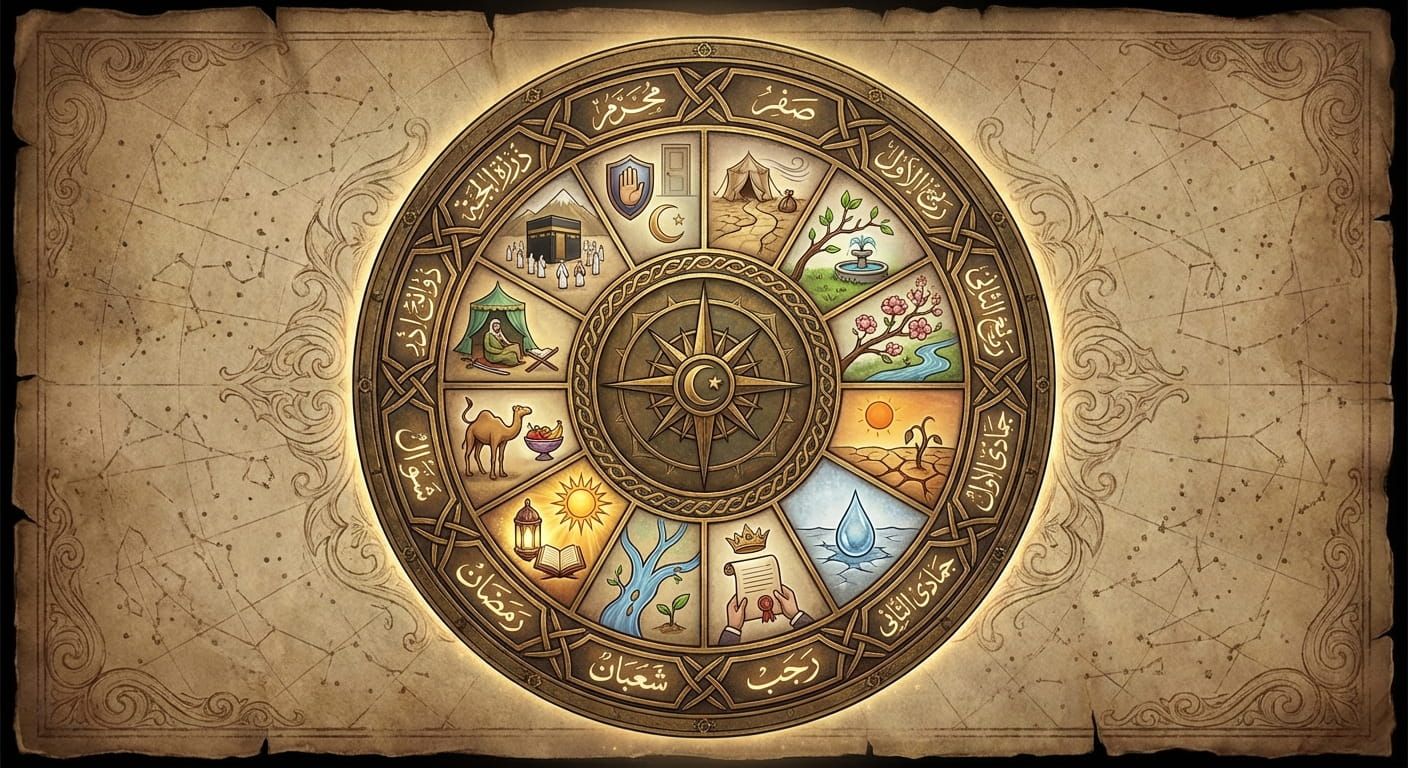
Why does the date of Eid al-Adha change each year?
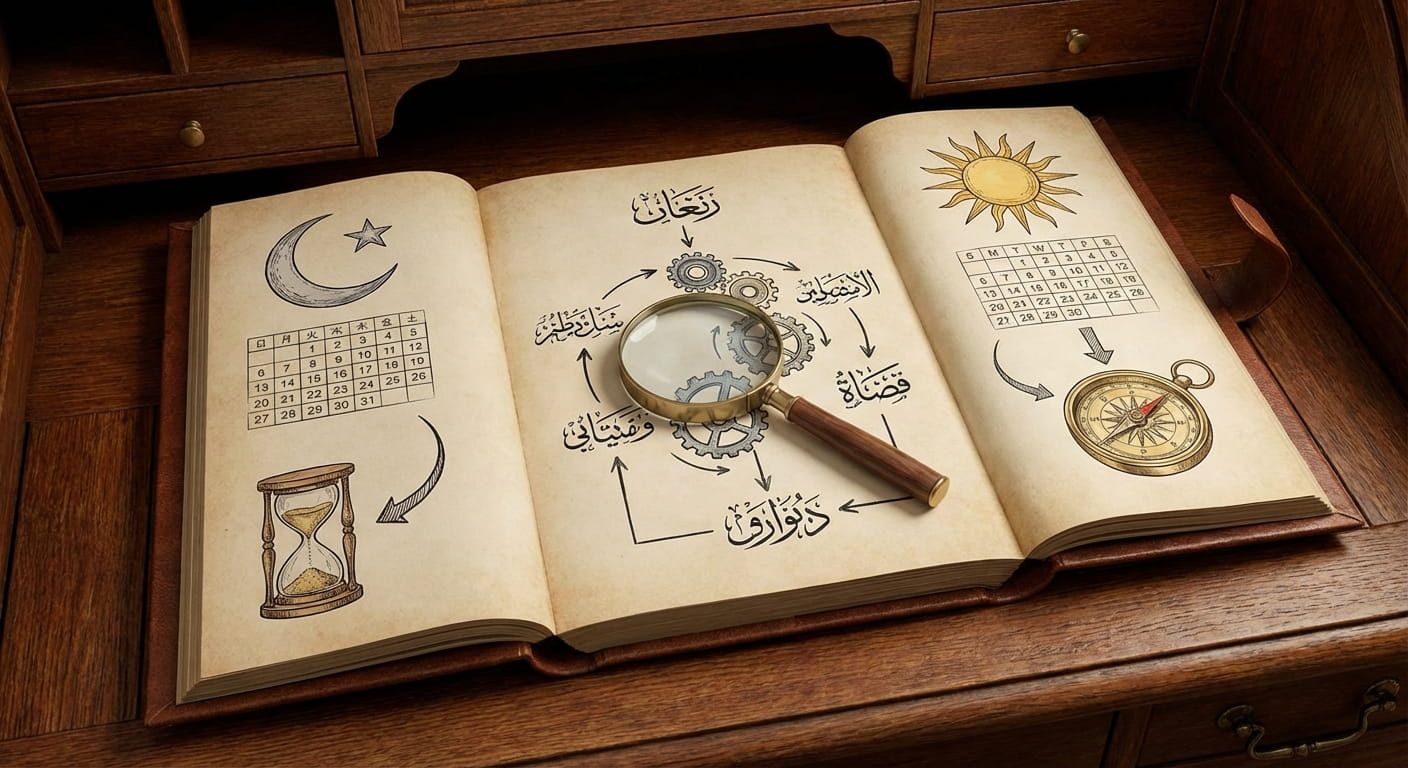
Eid al-Adha is based on the Islamic lunar calendar, which is about 10 to 11 days shorter than the Gregorian calendar. Therefore, its Gregorian date shifts earlier each year.