Day of ‘Arafah (9th Dhu al-Hijjah)
Significance, History, and Observed Dates
Historical Narrative
Spiritual Significance
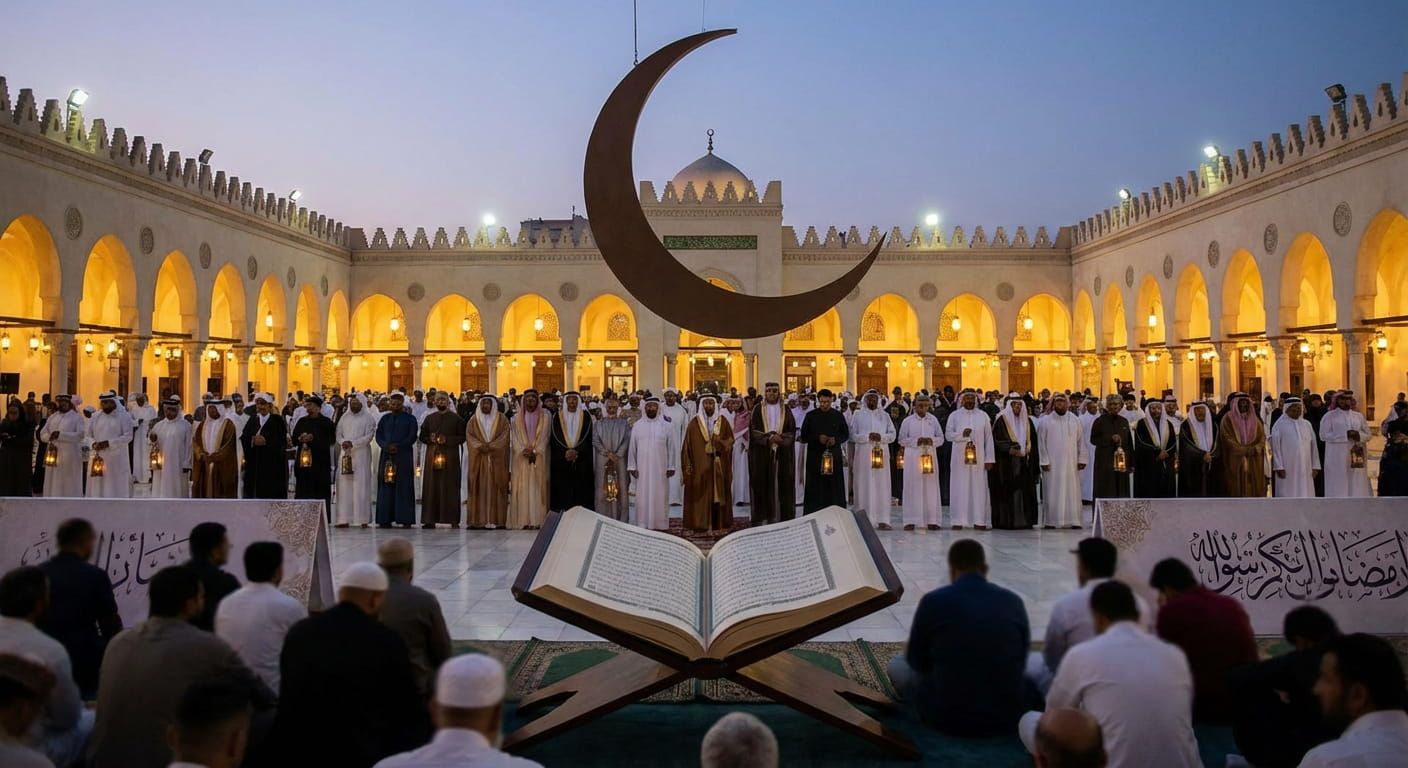
The standing (Wuquf) at Arafah from Zuhr to Maghrib is a rehearsal for the Day of Judgment. For those not at Hajj, fasting on this day ‘expiates the sins of the year before and the year after.’ (Sahih Muslim).
Lessons for the Believer
- Fast if you are not at Hajj: The Prophet (PBUH) said it expiates sins of two years — one of the most rewarding single acts in the calendar.
- Make intense Dua before Maghrib: This window is the most powerful time for supplication in the entire year.
- Equality before Allah: The Farewell Sermon reminds us that no Arab is superior to a non-Arab except through Taqwa.
"The Prophet (PBUH) said: ‘There is no day on which Allah frees more people from the Fire than the Day of Arafah.’ (Sahih Muslim)."
Common Customs & Traditions
Fasting for non-pilgrims, making intense Dua in the hours before Maghrib, and avoiding any sinful talk or behavior.
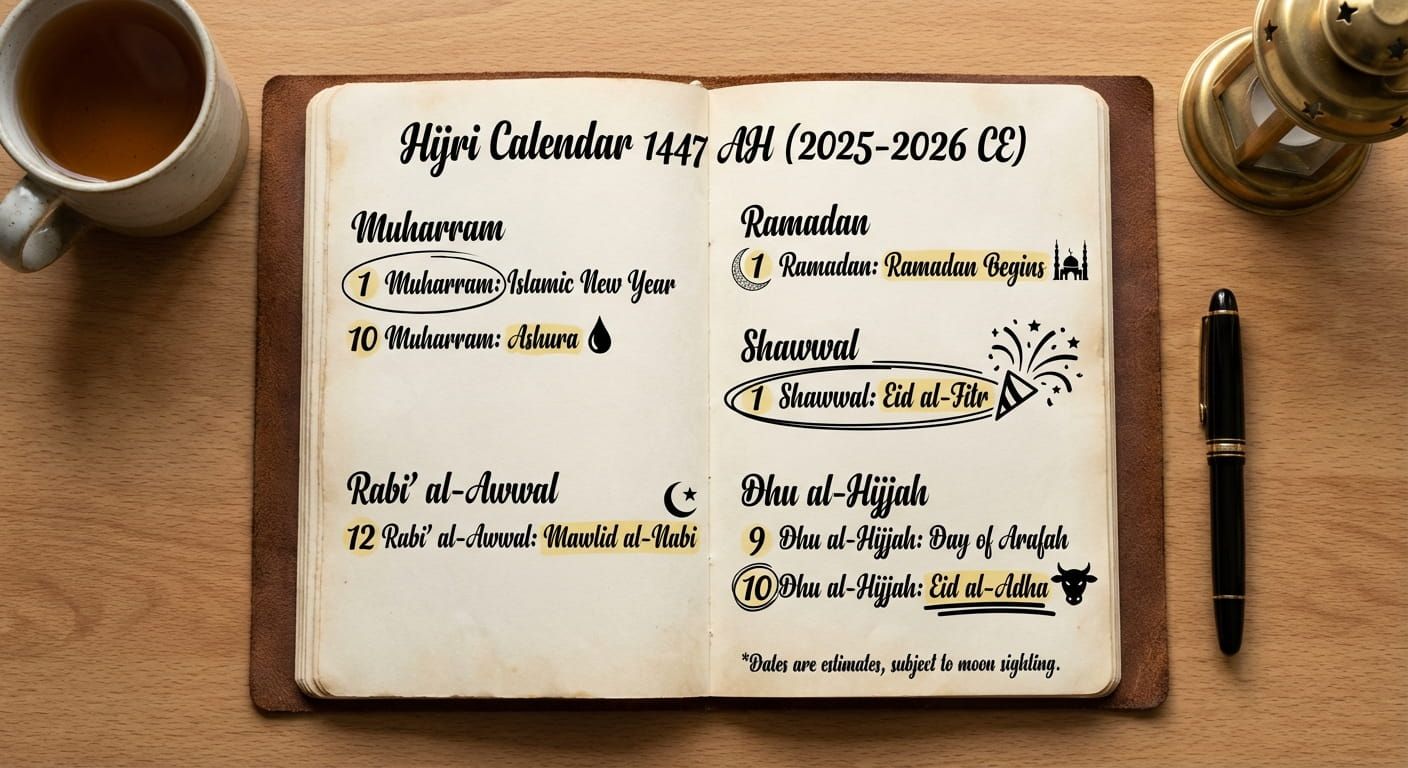
When is Day of ‘Arafah (9th Dhu al-Hijjah) in 2026?
*Dates are subject to local moon sightings.
Upcoming Dates for Day of ‘Arafah (9th Dhu al-Hijjah)
Frequently Asked Questions about Day of ‘Arafah (9th Dhu al-Hijjah)
What is the Day of ‘Arafah?
The Day of ‘Arafah is the 9th day of Dhu al-Hijjah, commonly known as the greatest day of the year. It is the essence of the Hajj pilgrimage and a day of unprecedented mercy for the entire world.
Why is the Day of ‘Arafah so significant?
It is considered the greatest day of the year because it combines the peak of Hajj with immense divine mercy. The Prophet (PBUH) said that fasting on this day expiates sins of two years, making it one of the most rewarding single acts in the Islamic calendar.
How should non-pilgrims observe the Day of ‘Arafah?
Non-pilgrims are encouraged to fast on this day, make intense Dua in the hours before Maghrib, and avoid any sinful talk or behavior. The window before Maghrib is the most powerful time for supplication in the entire year.
What are the spiritual lessons of the Day of ‘Arafah?
Key lessons include the immense reward of fasting for non-pilgrims, the power of Dua before Maghrib, and the message of equality from the Farewell Sermon: no Arab is superior to a non-Arab except through Taqwa.
Does the Gregorian date of the Day of ‘Arafah change each year?
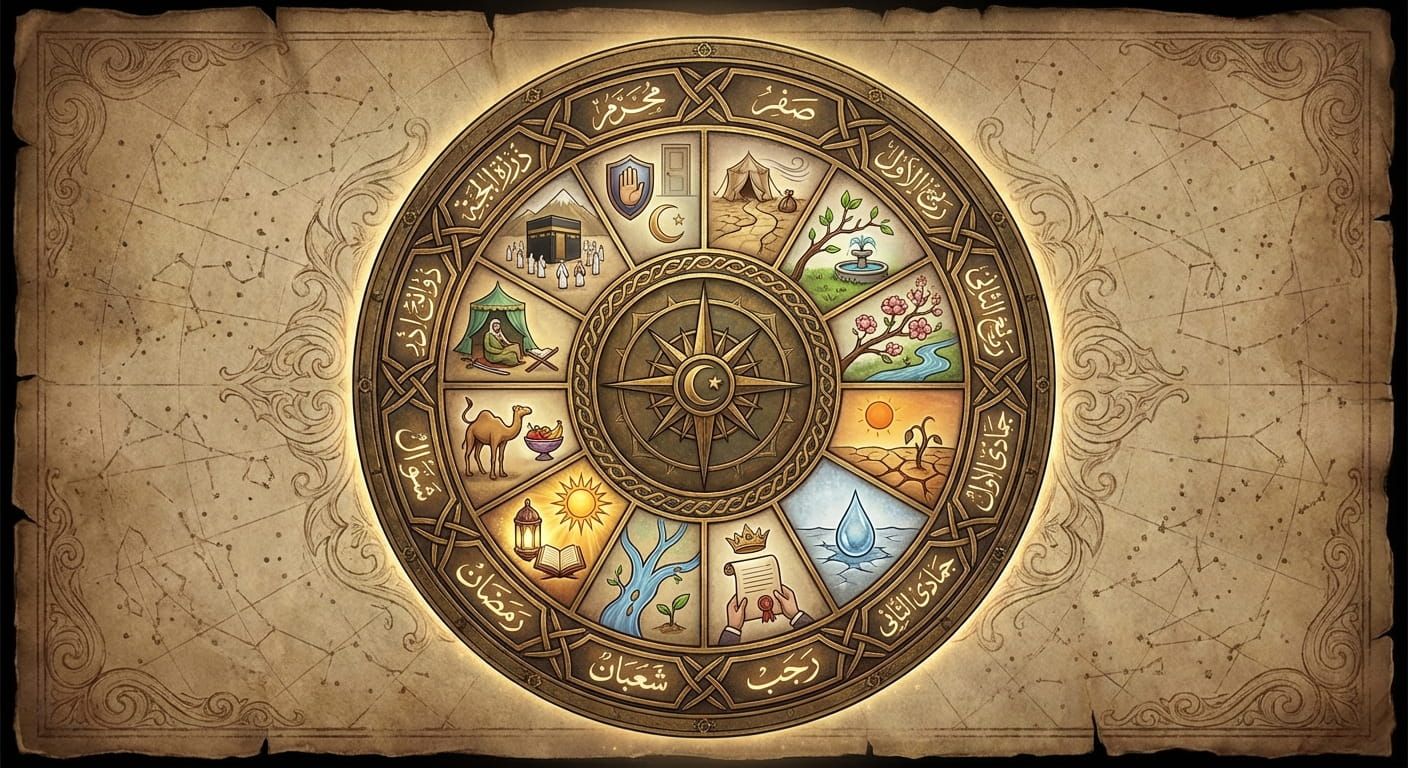
Yes, because the Islamic calendar is lunar, the Gregorian date of the Day of ‘Arafah shifts about 10 to 11 days earlier each year.