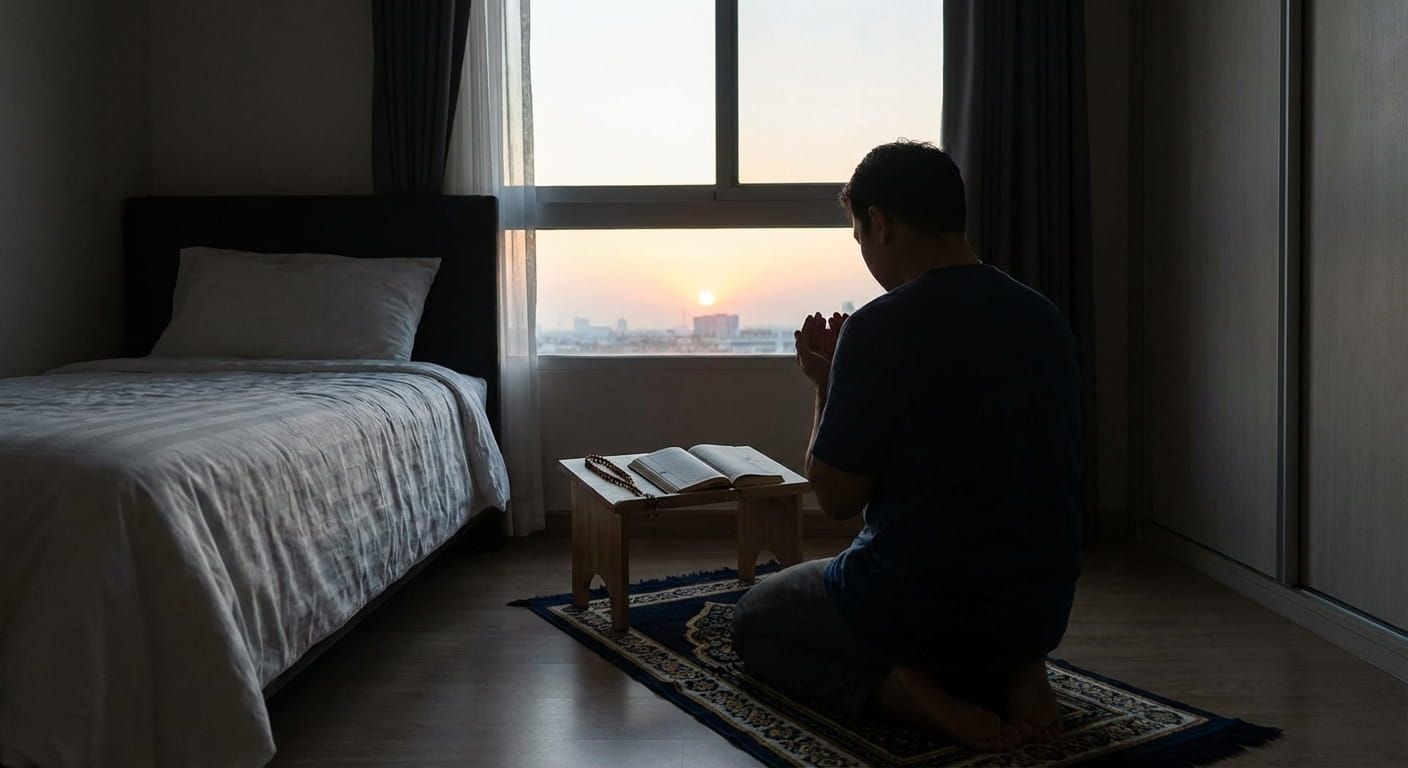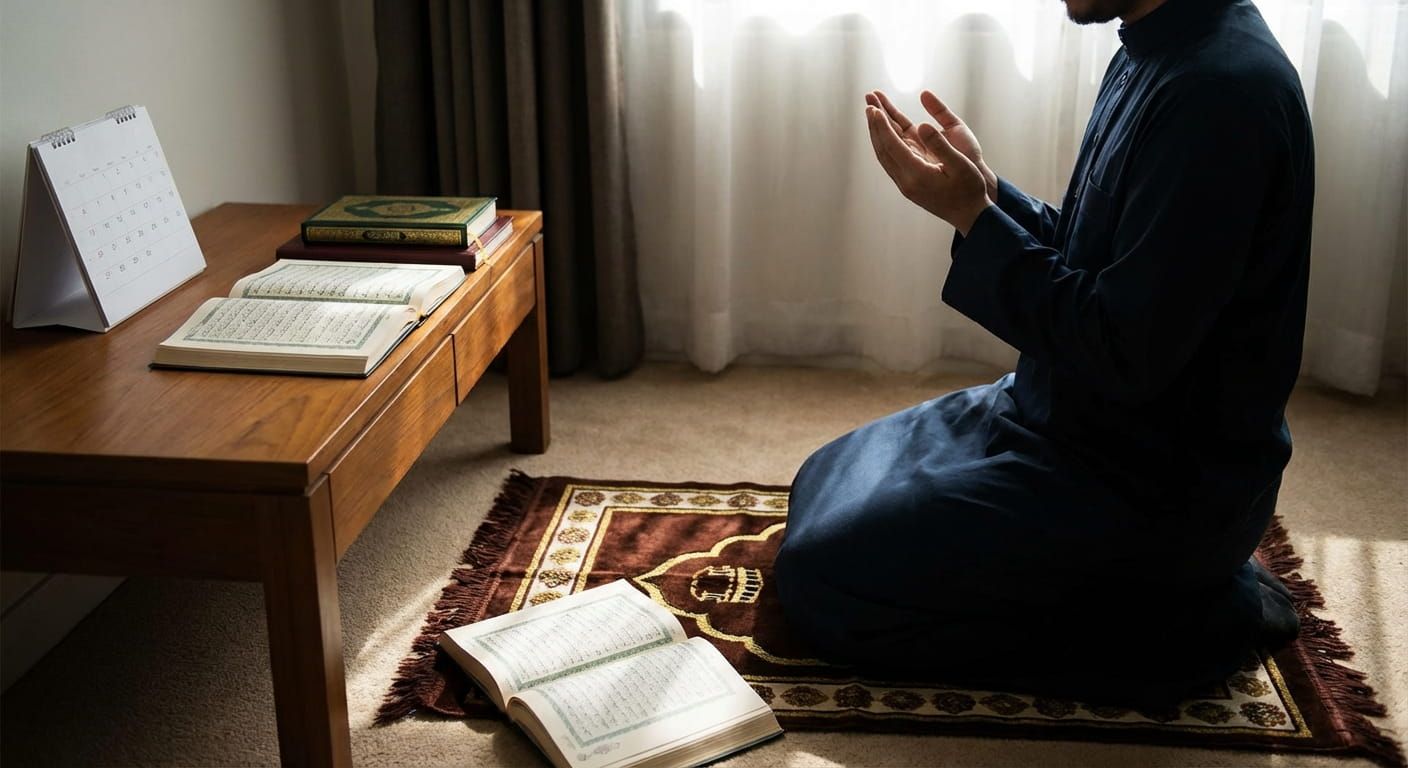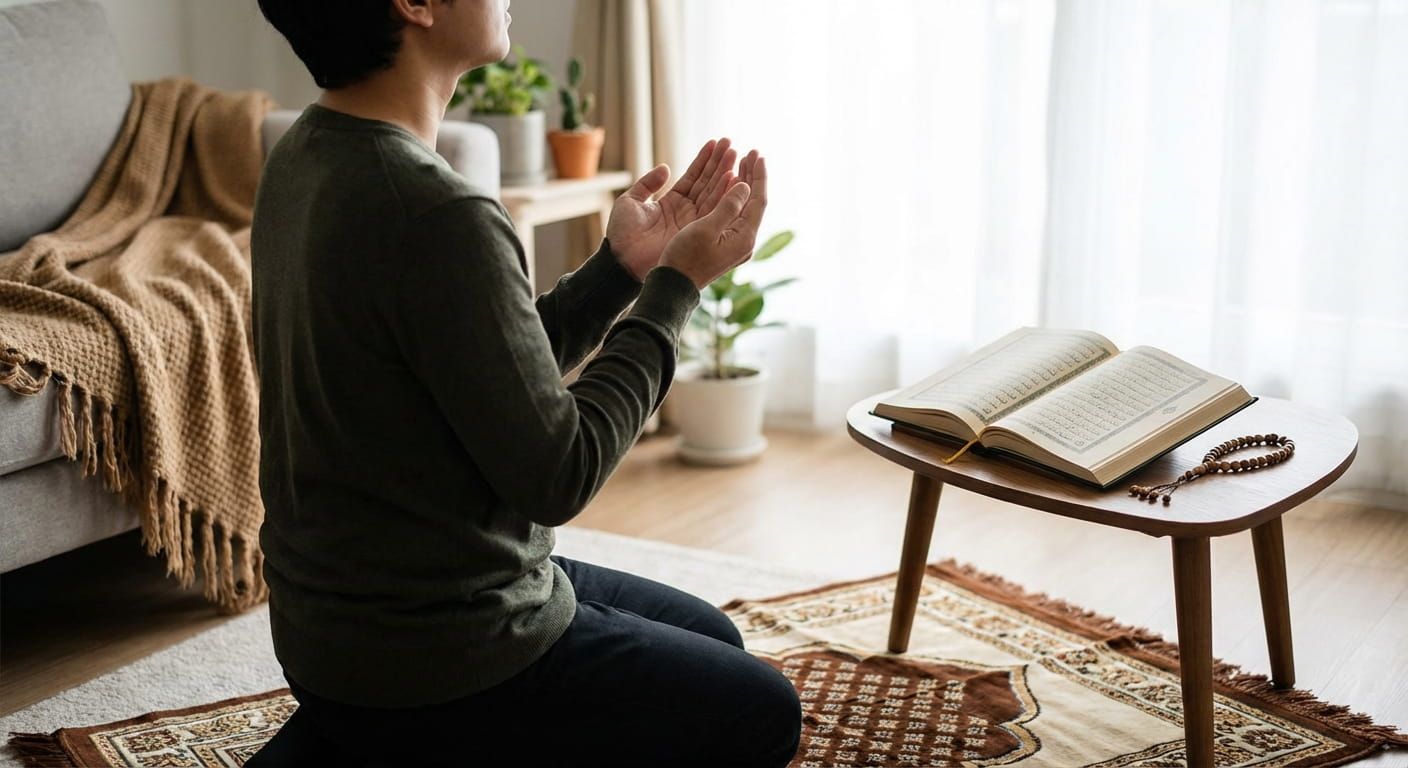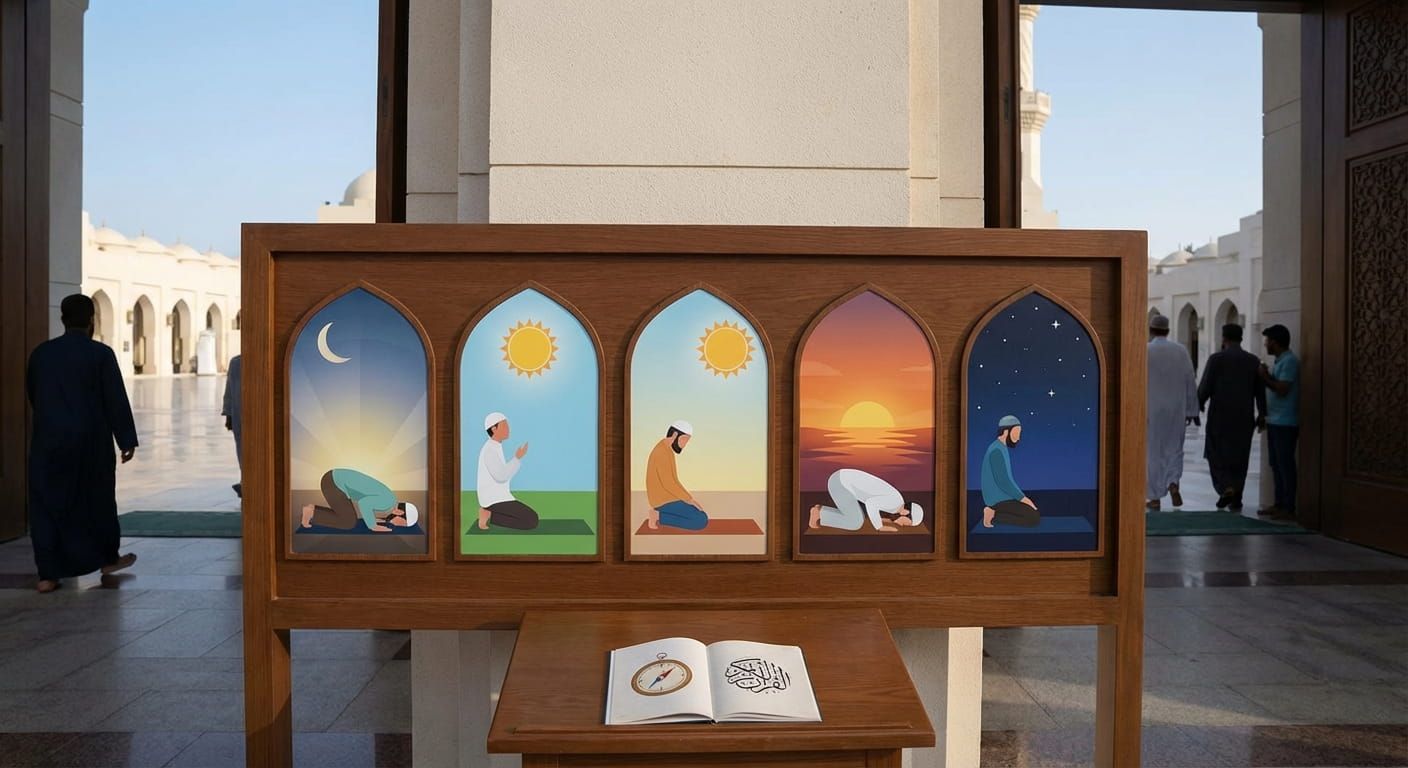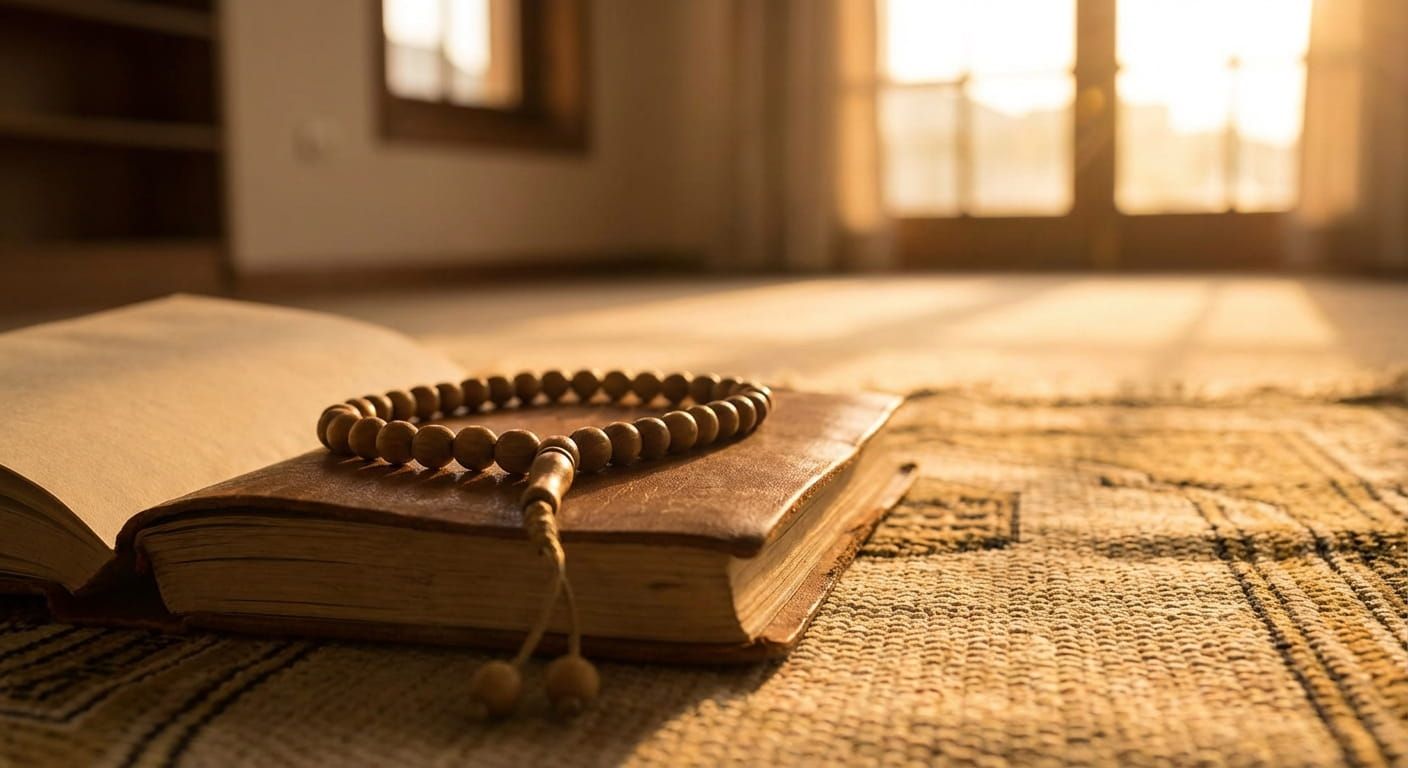
Hearts get crowded fast. A prayer may end, yet the mind keeps racing through errands, messages, deadlines, and worries. Tasbih gives the soul a gentle way back to Allah. Through simple phrases repeated with attention, a Muslim turns ordinary moments into worship. That steady remembrance softens the heart, builds gratitude, and keeps salah connected to the rest of the day rather than leaving it as a brief pause between distractions.
Key takeaway
Tasbih means glorifying Allah through repeated words of praise and remembrance. Practiced after prayer and throughout the day, it nurtures calm, gratitude, focus, and humility. Many Muslims recite SubhanAllah, Alhamdulillah, and Allahu Akbar thirty three times each after salah. Beads or a digital counter can help keep count, yet the deeper goal is presence of heart, steady dhikr, and a life shaped by awareness of Allah.
For anyone who wants help keeping count without losing focus, tasbih counter fits naturally into daily worship and can make regular dhikr easier to maintain.
Check your understanding
Try this brief knowledge check to reinforce the main points.
Which phrases are commonly recited after each prayer, thirty three times each?
What Tasbih Means In The Life Of A Muslim
Tasbih comes from the root meaning to declare Allah free from all نقص and imperfection. In daily practice, the word is often used for repeated phrases of remembrance that glorify and praise Him. A Muslim may say SubhanAllah, meaning glory be to Allah, Alhamdulillah, meaning all praise belongs to Allah, and Allahu Akbar, meaning Allah is the Greatest. These words are short, but their effect can be deep. They pull the heart away from heedlessness and back toward truth.
This is why tasbih is not just a ritual of counting. It is a way of seeing life through faith. A person praises Allah after receiving something pleasant. The same person glorifies Allah during strain, knowing that the Lord is above weakness, injustice, and forgetfulness. Dhikr reshapes inner habits. Over time, the tongue remembers faster, and the heart follows.
Reflection: Tasbih trains the believer to keep Allah near in thought, not only during formal prayer, but while walking, waiting, working, and resting. That steady remembrance gives worship continuity.
How Daily Dhikr Changes The Heart
Dhikr brings spiritual benefits that many people feel before they can even explain them. The chest feels lighter. Worry becomes more manageable. Gratitude grows. Anger cools faster. A person who fills empty moments with remembrance often notices that silence becomes peaceful rather than restless.
There is also a strong link between tasbih and mindfulness. Modern language speaks about being present. Islamic worship gives that presence a clear direction. Tasbih is not merely noticing the breath or the body. It is conscious awareness of Allah. Each repetition becomes an anchor. The tongue speaks. The mind slows down. The heart witnesses what the tongue is saying.
During a packed day, this matters. People often move from one task to another without a pause deep enough to reset the soul. Tasbih creates those pauses. Even one quiet minute after salah can protect the rest of the hour from spiritual drift.
The Well Known Phrases After Each Prayer
Among the most familiar forms of tasbih is the set recited after the obligatory prayers. Many Muslims say these phrases thirty three times each:
- SubhanAllah, glory be to Allah
- Alhamdulillah, all praise belongs to Allah
- Allahu Akbar, Allah is the Greatest
This rhythm does more than complete a count. It balances three inner states. SubhanAllah purifies one’s view of Allah. Alhamdulillah fills the heart with praise. Allahu Akbar puts every concern back in its proper size. A delayed payment, a hard exam, a workplace problem, family stress, all of it shrinks when the believer truly says that Allah is greater.
For a broader view of how these remembrances sit within the daily pattern of worship, many readers also benefit from reading five daily Islamic prayers.
How Beads And Counters Support Consistency
Tasbih beads help maintain count and reduce mental strain. Instead of keeping track in the head and breaking concentration, the hand moves from bead to bead while the tongue continues in a calm flow. Many people find this especially useful after prayer or during a commute where distractions are common.
Others use their fingers, which has long been valued in Islamic practice. Some prefer digital counters. The method can vary. The goal stays the same, regular remembrance with sincerity. A tool should serve presence, not replace it. If a person becomes fixated on speed, performance, or appearance, the point gets lost. If the tool helps the heart remain attentive, it is doing its job.
Recommended Times For Tasbih Throughout The Day
Tasbih is welcome at many points in the day, yet some times are especially beloved because they naturally fit a worship rhythm.
- Right after each obligatory prayer
- In the quiet of the morning after Fajr
- During the evening before night settles in
- While walking, commuting, or waiting
- Before sleep, when the mind begins to slow down
Morning and evening remembrance can frame the whole day. After Fajr, the heart is fresh and the world is still quieter. After Asr or near Maghrib, tasbih helps gather the soul after the demands of the day. For those building a steady worship routine, importance of salah on time offers a helpful companion reading because punctual prayer makes post prayer dhikr more natural and consistent.
Morning And Evening Adhkar That Fit Real Life
A realistic routine works better than an ambitious one that fades after three days. Morning and evening adhkar do not need to begin at maximum length. Start with a core set and let it grow with steadiness.
A simple morning routine might include: SubhanAllah thirty three times, Alhamdulillah thirty three times, Allahu Akbar thirty three times, a few moments of istighfar, salawat upon the Prophet ﷺ, and personal dua for protection, guidance, and barakah.
An evening routine might include: the same tasbih phrases, quiet repentance for the day, words of gratitude for what went right, and a short dua for forgiveness and rest.
People who pray Tahajjud often find that regular dhikr softens the transition into night worship. This is one reason tahajjud night prayer sits so naturally beside the discipline of tasbih.
Rewards Mentioned In Hadith For Regular Tasbih
Hadith literature contains many reports about the virtue of remembrance, praise, and glorification of Allah. Among the themes mentioned are forgiveness of sins, heavy rewards on the scale, beloved words to Allah, and the raising of spiritual rank. These reports teach that simple words, sincerely repeated, can carry immense value with Allah.
The beauty here is that tasbih is open to nearly everyone. A person with little free time can still practice it. Someone unable to perform lengthy extra worship due to illness, travel, or fatigue can still fill the tongue with dhikr. The door remains open.
Regular tasbih teaches a powerful lesson, small acts done faithfully can carry lasting weight. In worship, consistency often shapes the heart more deeply than rare bursts of effort.
Practical Ways To Keep Tasbih Alive In A Busy Schedule
Busy lives do not cancel the need for remembrance. They reveal it. Many people assume dhikr requires long quiet sessions. Those are beautiful when possible, yet tasbih also belongs in the middle of normal life.
- Keep one minute after each salah reserved only for tasbih.
- Place beads where you pray so they are easy to reach.
- Pair morning adhkar with your first calm moment after Fajr.
- Use waiting time wisely, before meetings, during a ride, while standing in line.
- Choose a modest daily target and keep it steady.
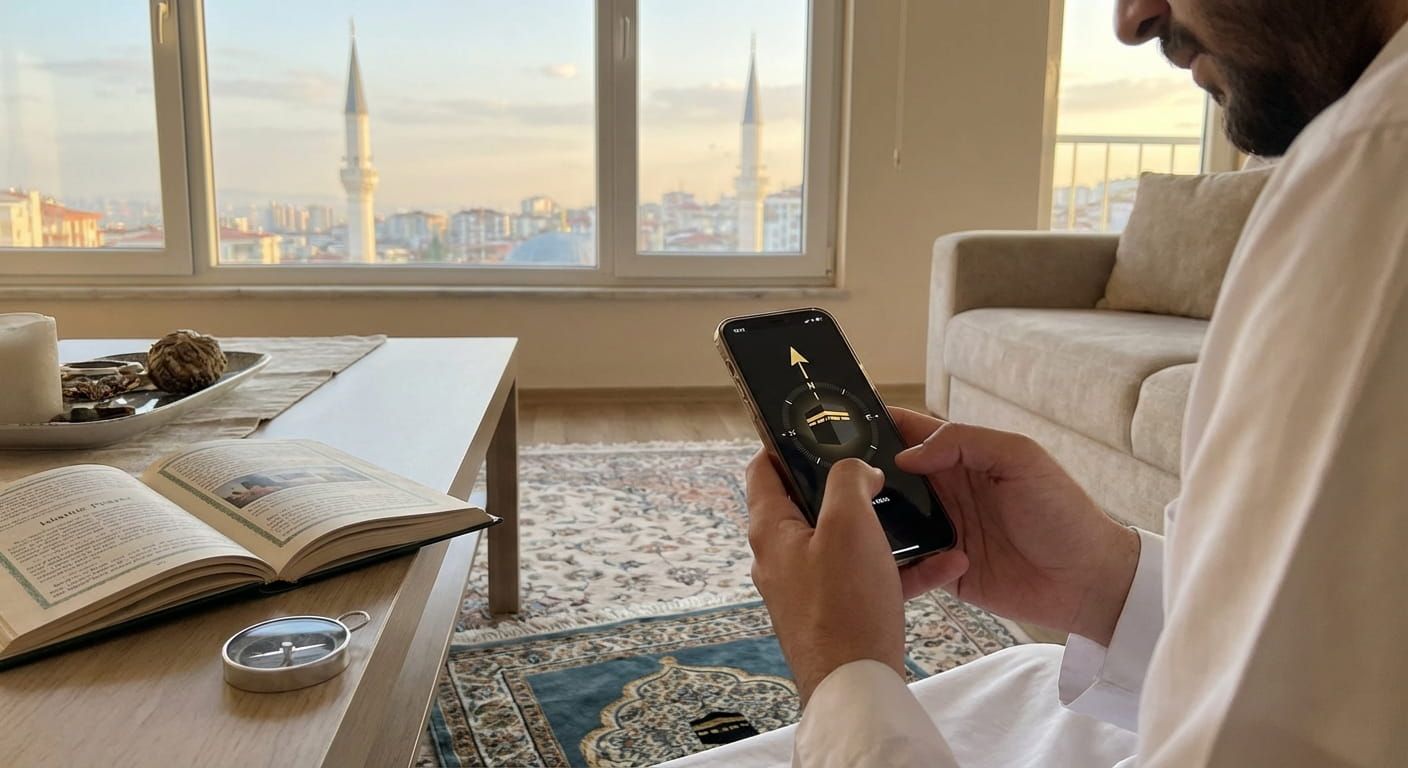
Many people also find it easier to stay grounded in prayer when the basics around salah are clear. Reading step by step wudu ablution can strengthen preparation, while qibla finder helps remove one more point of uncertainty before worship begins.
How Tasbih Keeps Worship Connected Beyond Salah
Salah is the anchor of the day, yet tasbih helps carry its light into the hours that follow. Without dhikr, prayer can feel isolated, a sacred act surrounded by long stretches of forgetfulness. With tasbih, the thread remains unbroken. The believer leaves the prayer place still speaking words of praise, still aware of Allah, still guarded from the spiritual noise that rushes back in.
This also explains why tasbih pairs well with learning more about worship as a whole. Someone reflecting on voluntary devotion may appreciate guide Sunnah nafl prayers. A reader working through missed obligations may benefit from missed Qaza prayers. These subjects differ, yet all of them point toward one reality, worship grows stronger when the heart stays awake between formal acts.
A Steady Tongue, A Settled Heart
The value of tasbih in daily worship lies in its simplicity and its reach. It asks for little in form, yet gives much in return. A few repeated phrases can calm the mind, soften the chest, increase gratitude, and keep Allah close in awareness from dawn to night. That is no small gift.
For many Muslims, the path begins with what is already familiar, SubhanAllah, Alhamdulillah, Allahu Akbar after each prayer. From there, remembrance grows into a habit, then into a comfort, then into a quiet source of strength. The tongue keeps moving, the heart keeps returning, and daily worship becomes warmer, deeper, and more alive.