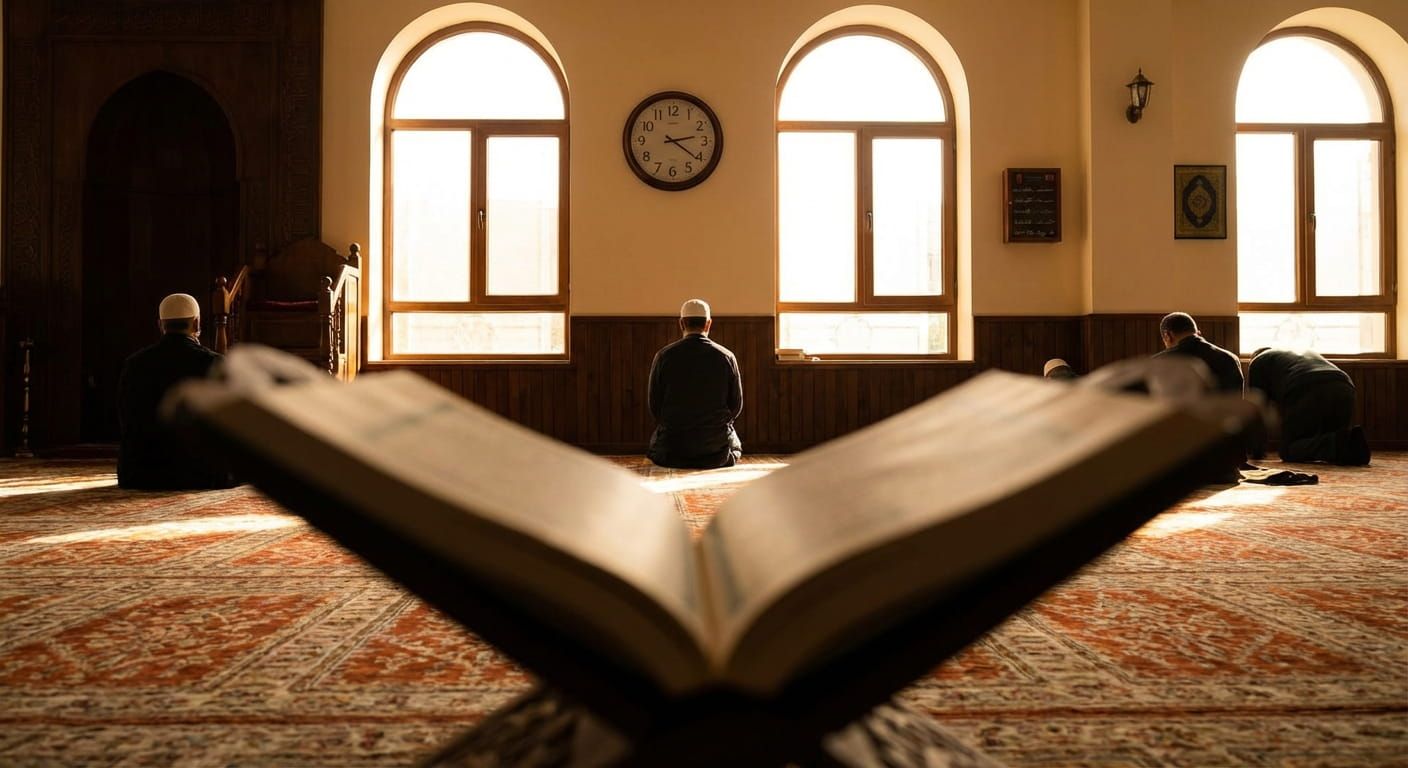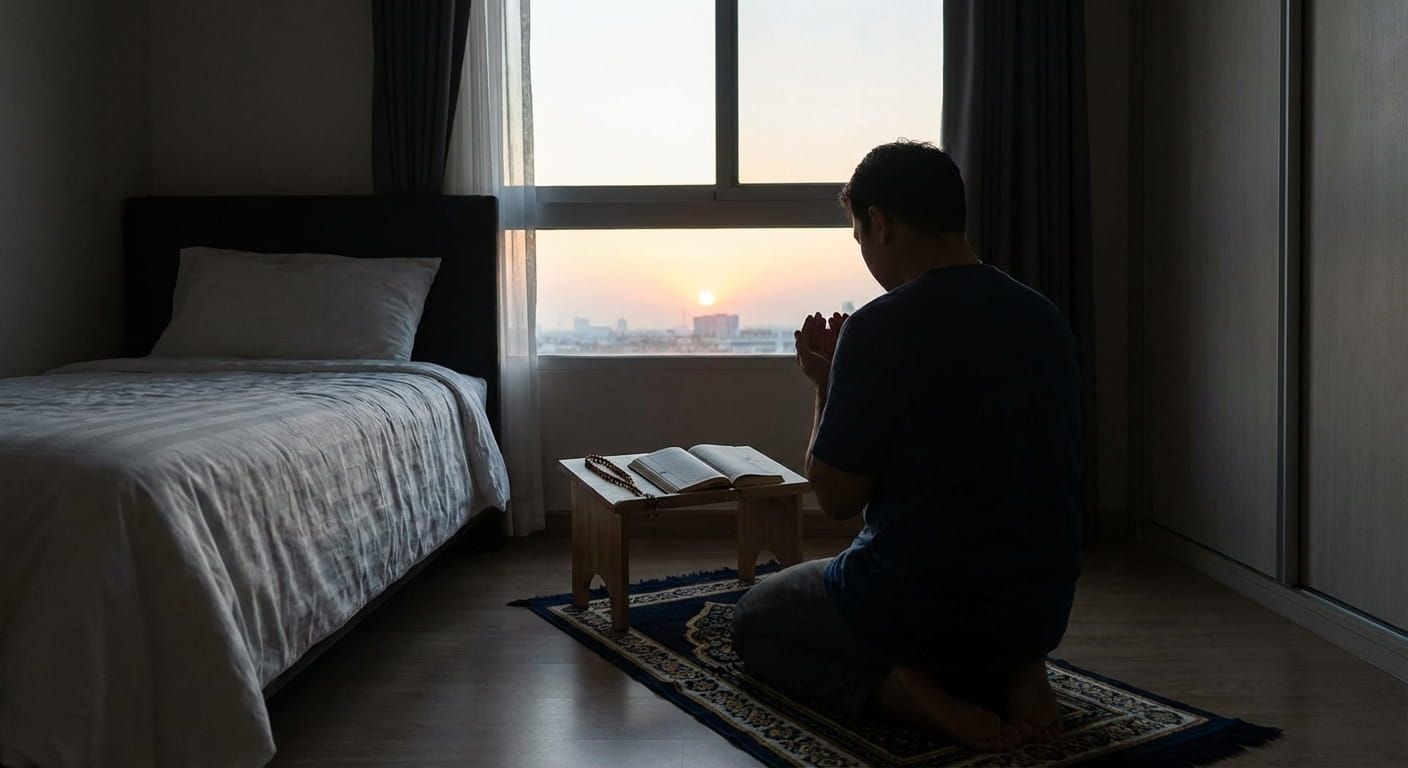
There is a special kind of quiet that only happens before dawn. The world is asleep, worries feel lighter, and your heart gets a chance to speak without interruptions. Tahajjud is that meeting, a voluntary night prayer that many Muslims cherish for its calm, sincerity, and closeness to Allah.
Tahajjud is a voluntary night prayer performed after sleeping, during the time between Isha and Fajr, with the strongest recommendation in the last third of the night. Pray in sets of two rakah, reciting Qur'an, bowing and prostrating with calm focus, then end with Witr if you have not prayed it yet. Keep the intention sincere, start small, and use a reliable local schedule to avoid missing Fajr.
What Tahajjud Is And Why People Hold It Close
Tahajjud is a voluntary prayer offered at night. It is prayed after Isha and before Fajr, and it is commonly linked with waking up after a period of sleep. Some people pray it once in a while. Others build a habit around it. Either way, it is a private moment that does not need an audience.
Many Muslims love Tahajjud because it changes the pace of life. Your phone is quieter. Your thoughts slow down. Your dua feels more honest. You are not rushing to get out the door. You are standing, bowing, and prostrating with space to breathe.
Tahajjud is not a test of toughness. It is a space for honesty. Even two rakah done with calm presence can be worth more than a long prayer done while half asleep and irritated.
Finding The Right Time Without Stress
Tahajjud sits in the night window between Isha and Fajr. People often aim for the last third of the night because it is widely seen as the most blessed time. Practically, the best time is the time you can manage consistently without risking missing Fajr.
Your local timing matters. Fajr changes through the year, and it changes by location too. A location based schedule keeps you grounded. Many readers keep a prayer timetable open on their phone so they can plan their sleep and wake up with clarity. The city based schedule on prayer times helps with that planning.
Before You Begin: Intention, Cleanliness, And A Quiet Spot
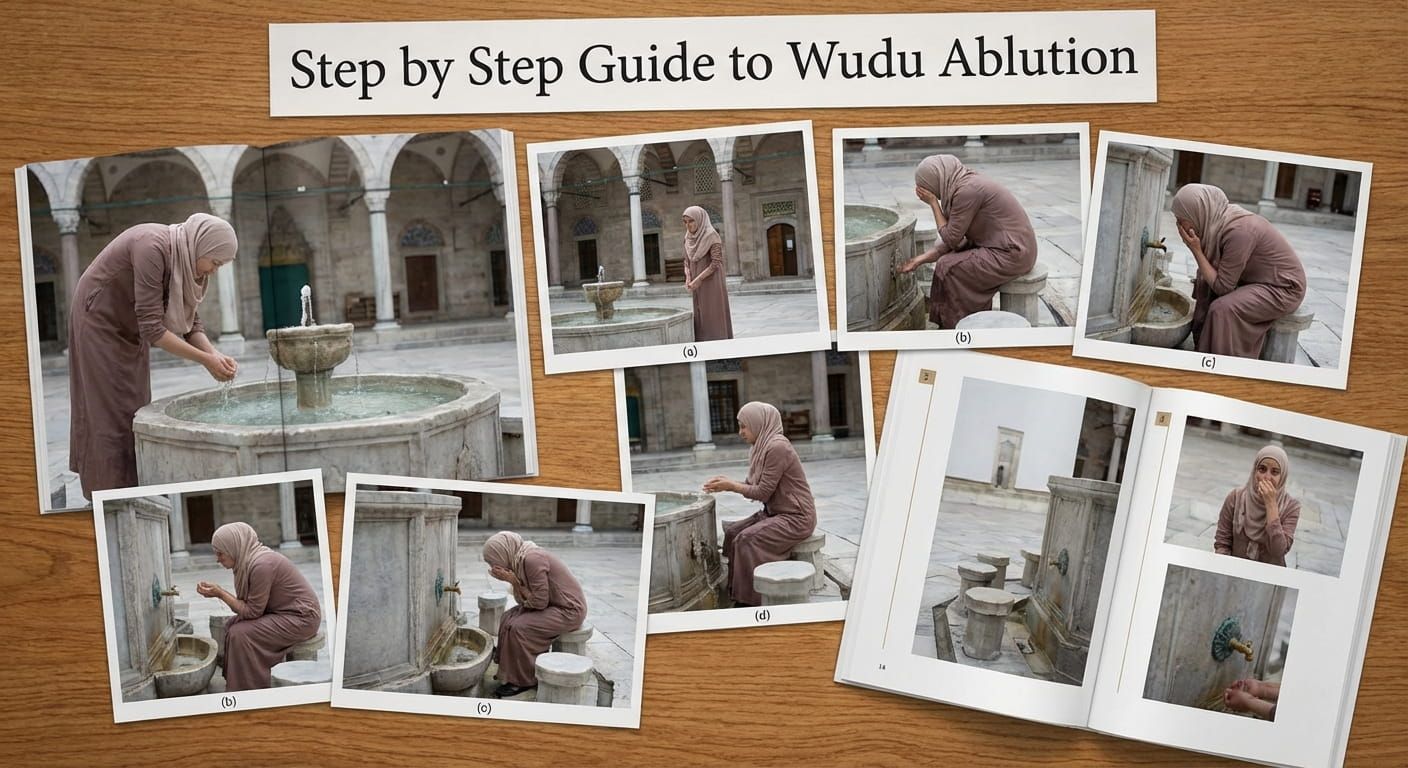
Tahajjud does not require a speech before you pray. The intention is in the heart. Decide that you are praying for Allah, then begin. If you are unsure how to do wudu, reviewing the steps in step-by-step wudu ablution can remove anxiety at 2 a.m.
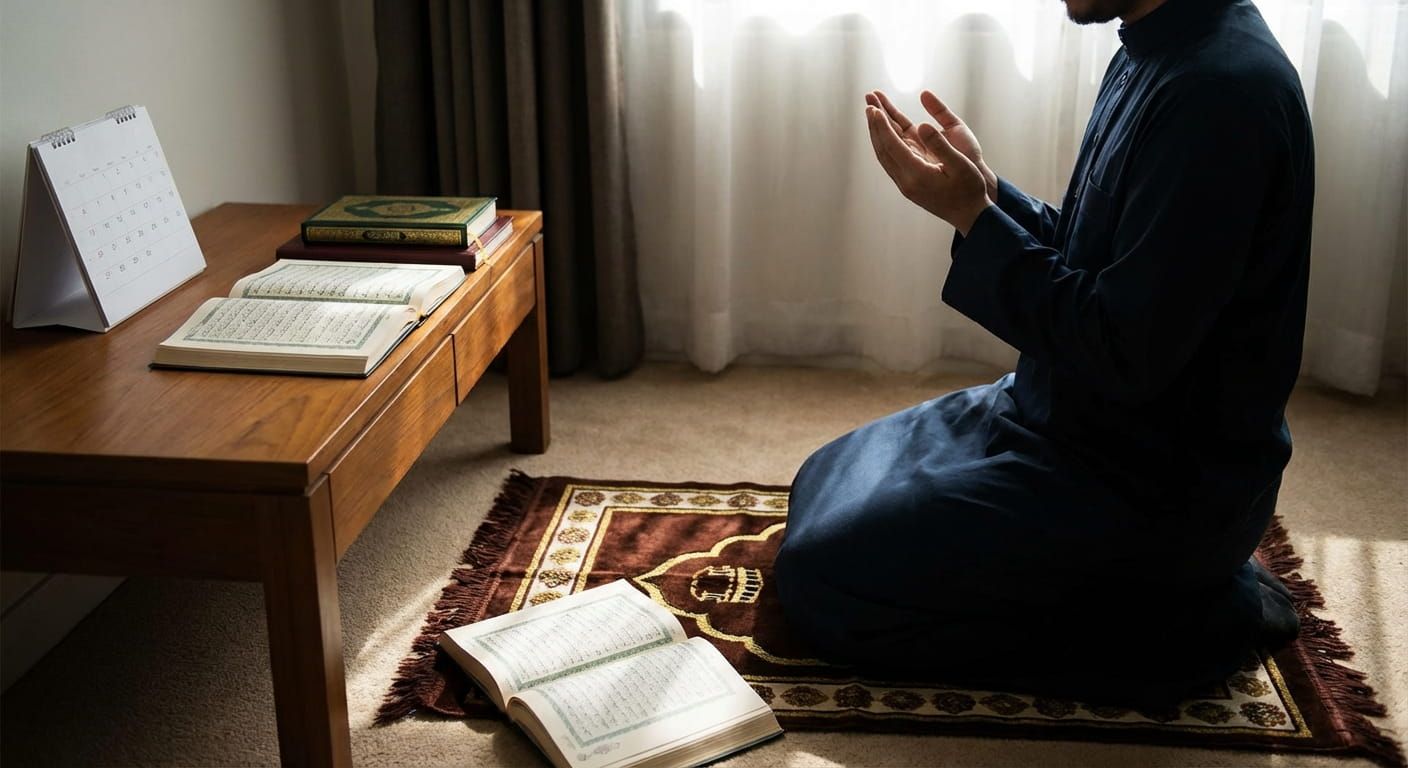
Prepare a small space that feels calm. It can be a corner of your room. Lay out your prayer mat before sleeping if that helps. Keep a light sweater nearby. The goal is to reduce friction so you do not talk yourself out of getting up.
Step By Step: How To Pray Tahajjud In A Simple Pattern
The easiest way to approach Tahajjud is to keep it straightforward. Pray two rakah, then two rakah, and stop whenever you feel you have done enough. If you want a structure you can repeat, follow this pattern:
- Wake up and settle your heart. Sit for a minute. Drink water if you need it.
- Make wudu. Focus on calm, not speed.
- Stand and begin with takbir. Raise your hands and say Allahu Akbar.
- Recite Al-Fatihah. Then recite another portion of Qur'an that you know.
- Bow in ruku. Keep it steady, glorify Allah, and breathe.
- Rise and stand. Pause briefly before going down.
- Prostrate in sujood. This is a beautiful place for dua in your own words.
- Complete two rakah. Sit for tashahhud, then end with salam.
- Repeat if you wish. Add another two rakah set, or stop there.
- End with Witr if you have not prayed it yet. Many people prefer to make Witr their last prayer of the night.
If you are still learning the five daily prayers, it can help to refresh your basics so you feel confident even when sleepy. A supportive refresher is five daily Islamic prayers, then come back to Tahajjud with a calmer mind.
What To Recite In Tahajjud If You Are Not Sure
There is no single required surah for Tahajjud beyond what is required in any prayer. You can recite short surahs you already know. Consistency matters more than length. If you know a little more Qur'an, you can recite longer passages. Still, keep your focus on meaning, not performance.
If you are learning, try a simple routine: Al-Fatihah + Al-Ikhlas Al-Fatihah + Al-Falaq Al-Fatihah + An-Nas
Dua In The Night: Keeping It Honest And Personal
A lot of people come to Tahajjud for dua. Not because they want a dramatic moment, but because it feels easier to be real. You can make dua in sujood, after the prayer, or both. Use your language. Speak plainly. Ask for forgiveness. Ask for guidance. Ask for your family. Ask for strength.
Start with praise, send blessings upon the Prophet, ask forgiveness, ask your needs, then end with gratitude. If you forget the order, it is still fine. Speak to Allah with respect and sincerity.
A Clear Look At Night Prayer Timing
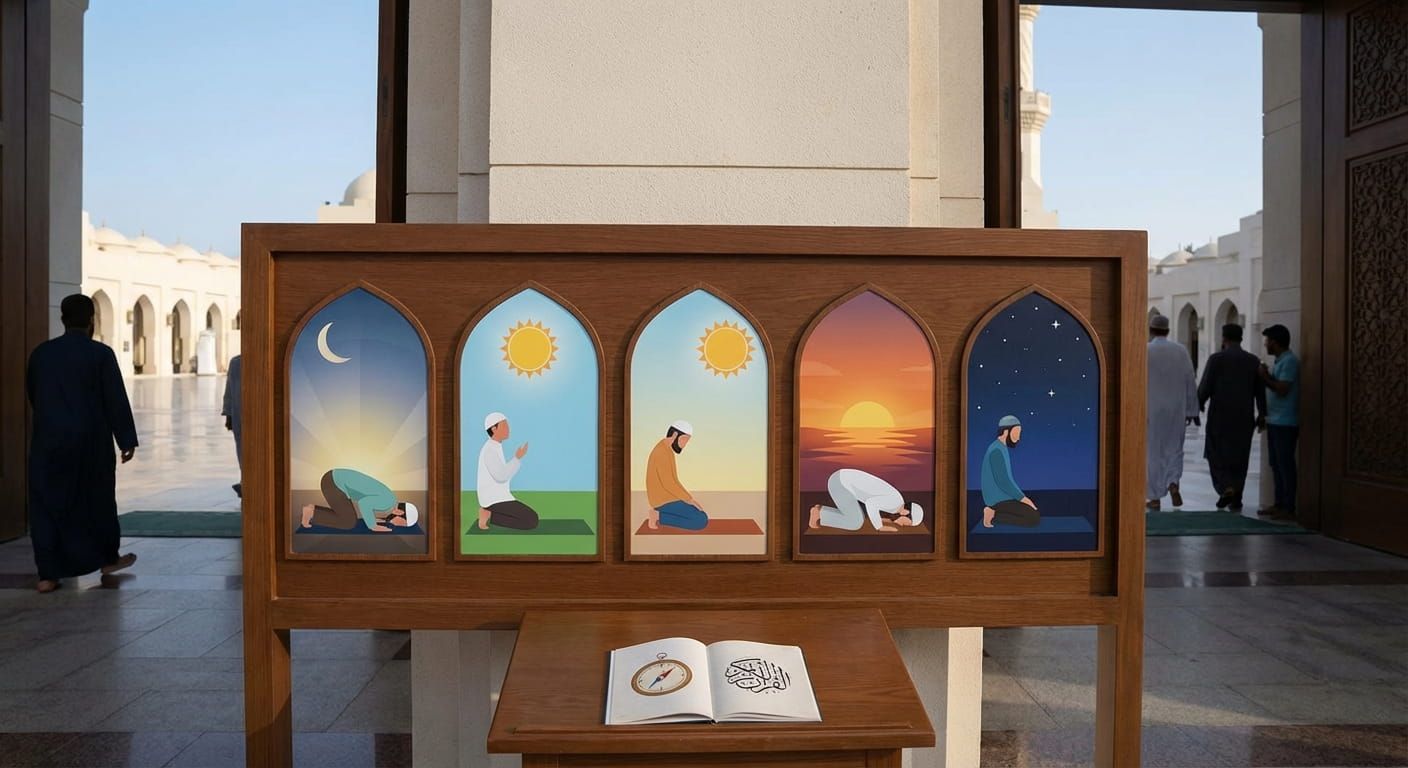
It helps to visualize the night so you can plan. The table below gives a simple map of where Tahajjud fits. Times vary by city and season, so use your local schedule to set real alarms.
Common Mistakes That Make Tahajjud Feel Hard
Most struggles with Tahajjud are not spiritual failures. They are simple planning issues. Here are mistakes that show up a lot:
- Sleeping too late, then feeling angry about waking up.
- Not knowing Fajr time, then panicking about the clock.
- Trying to do too much, then burning out in three nights.
- Skipping wudu preparation, then losing momentum in the bathroom.
- Making it all or nothing, then quitting after a missed day.
If you are working on praying on time in general, strengthening your daily rhythm makes night prayer easier too. A helpful read is importance of salah on time, it supports the mindset that keeps your schedule steady.
Small Habits That Make Waking Up Easier
Some habits feel tiny, but they change everything at night. Try one or two, then build.
- Set one alarm for waking up and one for Fajr. The second alarm protects you from drifting.
- Drink a little water before sleep. Not too much, just enough to feel refreshed.
- Keep your prayer clothes ready. Less decision making when you are groggy.
- Choose a realistic number of rakah. Two is a full Tahajjud, you can add later.
- Keep the room dim. Bright light can make you feel stressed and rushed.
- Pick one dua theme. Gratitude, forgiveness, or guidance, then stay with it.
- Return to sleep with calm. Do not punish yourself if you feel tired.
Questions People Ask About Witr And Tahajjud
Witr is often tied to night worship, so people get confused about ordering. Many Muslims aim to make Witr their final prayer of the night. If you are confident you will wake up, you can delay Witr and pray it after Tahajjud. If you are not confident, praying Witr before sleep can be safer. Both approaches are discussed in many traditional lessons, and local practice can differ.
The safest personal plan is the one that protects your obligations. If delaying Witr makes you miss it, pray it before sleep. If delaying helps you focus and you still make it, end with it after Tahajjud. Keep it simple, avoid guilt spirals.
How To Handle Tahajjud While Traveling Or On Busy School Days
Travel and shifting routines can make night prayer harder. Your sleep might be lighter, your schedule unpredictable, and your body adjusting. On those days, be gentle with yourself. You can pray fewer rakah. You can aim for a shorter wake up. You can even focus on dua without stretching the time too long.
The bigger challenge when traveling is knowing your local prayer times and staying oriented. If your routine changes, the guidance in Islamic prayer for travelers can help you keep your worship steady without unnecessary pressure.
Staying Aligned With Correct Qibla And Timing
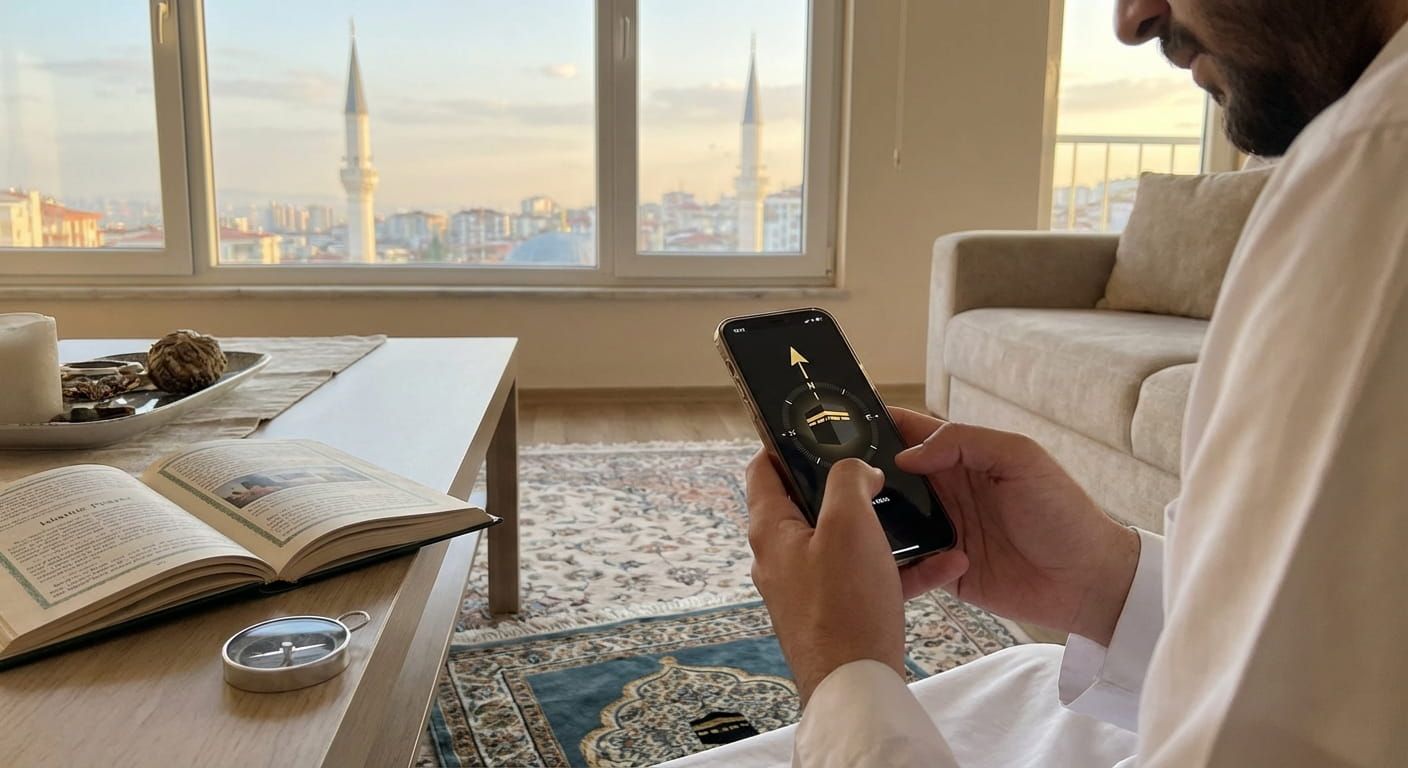
Tahajjud feels calm when you remove little uncertainties. One of them is the Qibla direction, especially if you pray in a new room, a dorm, or a hotel. Having a reliable direction check prevents second guessing. If you need that support, qibla direction gives a clear way to stay aligned.
Another uncertainty is timing. In some places, calculation methods vary and that can shift Fajr and Isha. If you are curious why schedules can differ, reading major Islamic prayer calculation methods explained can make the differences feel less confusing.
Is Tahajjud Always Allowed, And What About Restricted Times
Night prayer sits far from the well known restricted moments around sunrise and sunset. Still, it is wise to understand the general idea of times where prayer is discouraged, especially if you are trying to squeeze worship around a tight schedule. If you want to learn the broader rules, forbidden prayer times provides a clear overview.
A Simple Weekly Plan To Build The Habit Without Burning Out
Habit building works best when it feels kind. This plan aims for consistency over intensity. Adjust it to your life.
When Tahajjud Feels Heavy: A Kind Way Back
Sometimes you will not wake up. Sometimes you will wake up and feel drained. That does not make you a failure. It makes you human. If Tahajjud becomes a source of self criticism, it loses the softness that makes it valuable.
Try to keep a gentle rule: never quit because you missed one night. Reset the next night. If you only manage two rakah once a week, that is still a living habit. Many people grow from that.
If your Tahajjud habit is hurting your Fajr, adjust immediately. Night worship is beautiful, but missing an obligation is not the goal.
Using Location Based Prayer Times To Protect Your Fajr
The most practical tip is also the most effective: plan around your local Fajr. If you know your exact window, you can choose a safe wake time, pray calmly, then transition into Fajr without panic. Many people keep a city page bookmarked and check it before sleep. Some even compare schedules when visiting family in another country so the shift does not surprise them.
If you ever wonder why two cities can feel so different, the explanation often comes down to latitude, twilight angles, and calculation choices. Reading how Islamic prayer times are calculated can make your schedule feel more trustworthy.
A Few Words For The Night That Waits For You
Tahajjud is not a competition. It is a private conversation. Start with what you can carry. Two rakah is enough to begin. A sincere dua is enough to soften the heart. If you miss a night, return without drama. The night will come again, and the door is still open.