Missing a prayer can feel heavy. The good news is that Islam gives a clear, compassionate path forward. Qaza, making up missed Salah, lets you repair what was missed with sincerity and steady effort. This article walks you through what counts as a missed prayer, how to structure your make ups, what to do if you forgot the count, and how to keep your plan realistic, even with school, work, travel, and family life.
Qaza prayers are missed obligatory prayers made up later. Start by repenting sincerely, then build a steady plan that fits your life. Keep today’s prayers on time, and add a small, repeatable number of make ups each day. If you do not know the exact count, estimate carefully and choose a safe number. Use correct order within each prayer, and avoid making up prayers during known forbidden times.
Check your understanding with a short quiz
Answer these in order. Tap “Check answers” to see feedback. Your goal is clarity, not perfection.
What counts as a missed prayer
A missed prayer is any obligatory Salah that passed without being prayed inside its valid time window. This includes Fajr, Dhuhr, Asr, Maghrib, and Isha. You may have missed prayers for many reasons, oversleeping, forgetting, illness, stress, or simply not practicing for a period of time. Islam treats the obligation seriously, and also provides a way to repair the gap through repentance and qaza.
A helpful mindset, you are not trying to become perfect overnight. You are turning back to Allah with honesty, and building a routine that lasts.
If you are unsure about the exact start and end times for each Salah in your city, prayer times can help you track each window accurately, which makes it easier to protect today’s prayers while you work on your make ups.
Start with repentance and a plan that you can keep
Before you even count missed prayers, pause for a moment of repentance. In simple terms, repentance has three parts. Feeling genuine regret, stopping the behavior, and intending not to return to it. If there were rights of other people involved, you also repair those rights. For Salah, the repair includes qaza.
After repentance, build a plan that fits your real schedule. A plan that collapses in two days is not a plan. A plan that you can repeat for months is powerful. Many people do best with a small daily target. Even one or two qaza prayers a day adds up faster than you expect.
A practical intention for qaza
Your intention is simple and internal. You intend in your heart to pray the missed Fajr, or missed Dhuhr, and so on. Many people also like to say it quietly to keep their focus. What matters is clarity about which prayer you are making up.
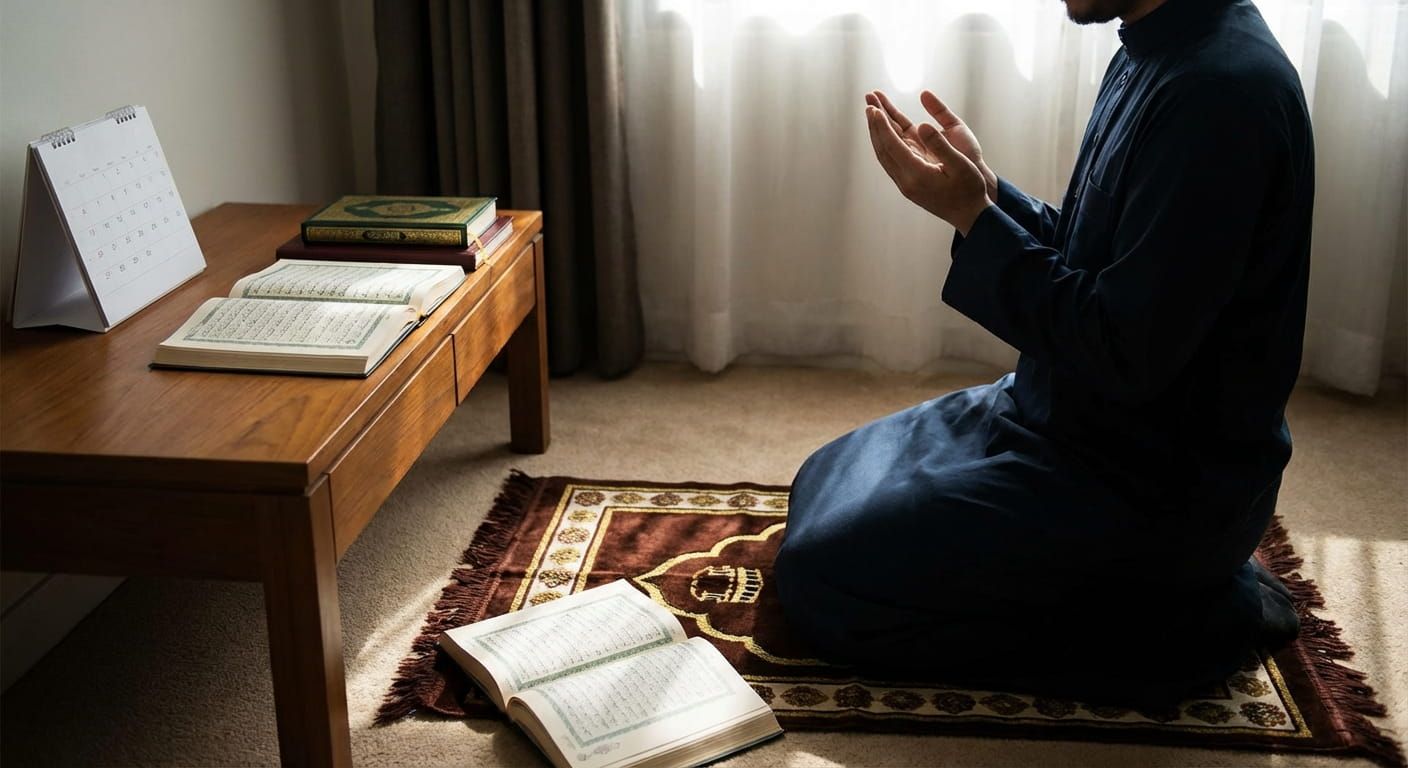
Step by step, how to perform a qaza prayer
The actions of a qaza prayer match the actions of the original prayer. Same rakah count, same core parts, same respect for purity and direction. Here is a clear sequence that many people follow. This is written for someone who wants a steady routine, not a complicated checklist.
- Make wudu if needed. If you want a refresher, step by step wudu helps you confirm each part without stress.
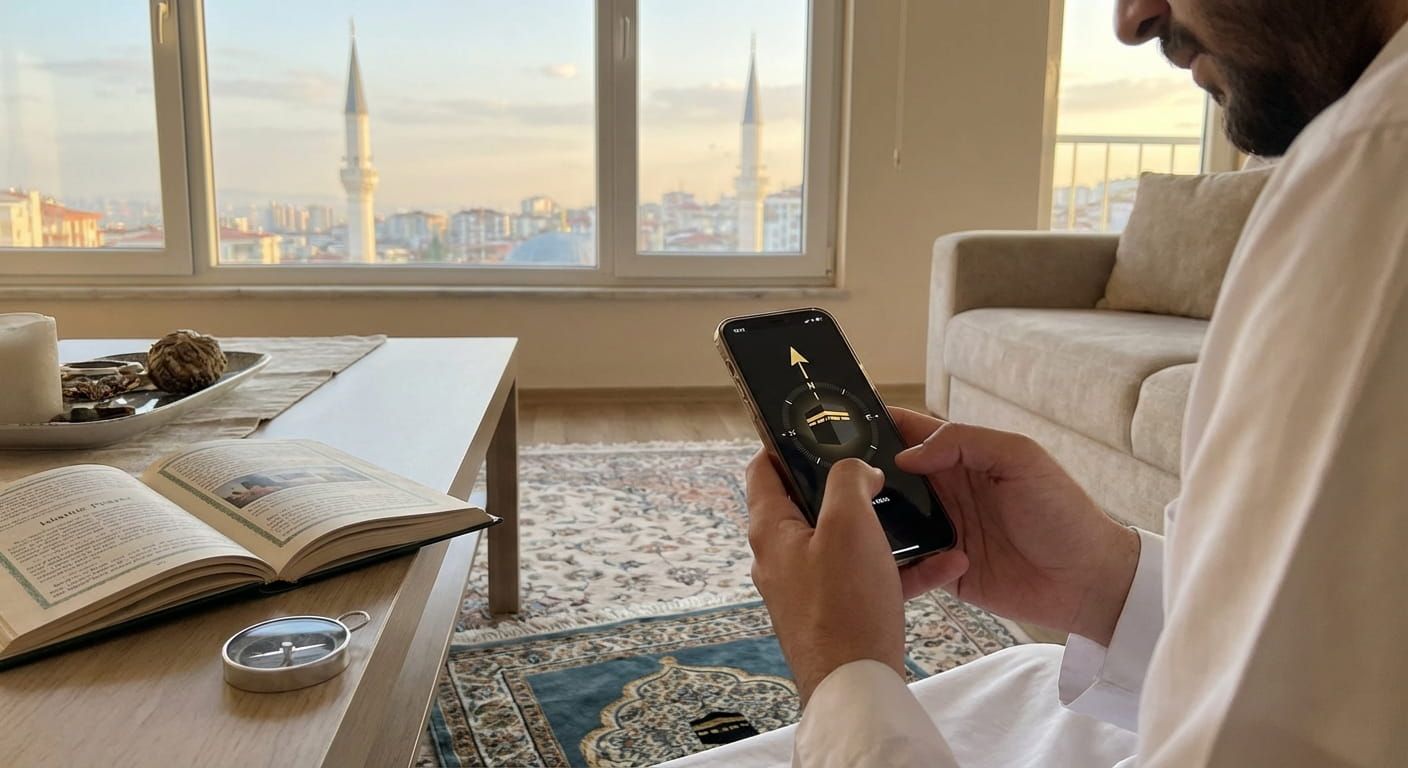
- Face the qibla and prepare a calm space. If you are unsure of direction, qibla direction can guide you.
- Set your intention in your heart, for example, making up a missed Asr prayer.
- Pray the exact rakah count for that Salah, keeping your recitation and movements steady.
- Finish with taslim, then make a short dua asking Allah to accept it and help you remain consistent.
That is the core. Your goal is to do it correctly and consistently. If you know a prayer was missed, making it up is a gift, not a punishment.
How many rakah to make up for each Salah
People often get stuck here. They worry they will pray the wrong number. The main obligatory rakah counts are consistent. Sunnah prayers have their own value, but qaza is focused on the fard obligations. Depending on your school of thought, there are details about witr and missed Sunnah, yet most people begin with fard qaza, then add other make ups if their learning supports it.
If you want a friendly refresher on what each daily prayer represents in your day, five daily Islamic prayers gives useful context that can lift motivation when energy is low.
Picking a daily rhythm that does not burn you out
Many people try to do too much on day one, then stop on day three. You can avoid that with a rhythm that feels normal. A common approach is to keep the current day prayers on time, then add make ups around them. Think in small blocks. One block after Fajr, one block after Isha, or one block during lunch.
Here are examples that are gentle and realistic. Use them as templates, then adjust. Each option can be kept for months.
- Starter plan, one qaza prayer after Isha daily.
- Steady plan, two qaza prayers daily, one after Dhuhr and one after Isha.
- Weekend boost, keep a small daily plan, then add extra on one free day each week.
- Pairing plan, after each current prayer, pray one matching qaza, for example after current Asr, pray one missed Asr.
A plan that feels modest often outperforms a plan that feels heroic. Consistency turns small actions into a large result.
Many people also find motivation by reading about the value of guarding prayers within their time. Importance of salah on time fits well with a qaza plan because it keeps your focus on both repair and protection.
Order, pairing, and keeping track without getting overwhelmed
Tracking can be simple. You do not need a fancy app. You need clarity. Pick a method that you will actually use. Some people use a small notebook. Some use a phone note. Some use a printed chart.
Three tracking methods that work
- Count down method, estimate totals for each prayer, then subtract as you complete them.
- Date block method, choose a starting date you believe you began missing prayers, then move forward day by day with each completed set.
- Weekly target method, set a weekly number, then divide it across your days based on your schedule.
What about order, should you make up in the same order you missed them. Many scholars discuss details. For someone getting back on their feet, the priority is to begin and remain steady. A practical approach is pairing. After each current prayer, you pray one qaza of the same prayer. That keeps the mental load low. You always know what you are doing.
What to do if you do not know how many prayers you missed
This is common. People drift away from practice, then return and cannot remember the exact count. You can still move forward. Make an honest estimate. Use landmarks, school years, a move to a new home, a specific job, a Ramadan you remember, a period of illness. Then choose a safe estimate with a little buffer.
Here is a straightforward way to estimate without panic.
- Identify the earliest period you are confident prayers were being missed consistently.
- Estimate the length of that period in months.
- Multiply months by average days. Use 30 days per month for simplicity.
- Multiply by five prayers per day to get a base number of missed prayers.
- Add a modest buffer if you want to be safe, then commit to the plan.
If you later remember you missed more, add them. If you later realize you missed fewer, finishing extra qaza is still worship. The key is honesty in estimation and steadiness afterward.
Times when you should avoid making up prayers
People often ask whether they can do qaza at any time. There are specific times in the day that scholars mention as disliked or not permitted for voluntary prayer, and details can vary by school of thought. Since qaza is a serious obligation, many people still want a cautious approach.
For a clear overview of time windows that Muslims commonly avoid for non obligatory prayers, forbidden prayer times provides a helpful reference. Using that guidance, many people schedule qaza in safer windows, for example after current prayers, or later in the night after Isha when you are not in a restricted time.
If you are unsure about a timing detail for your madhhab, ask a trusted local scholar. A small question can prevent long term confusion.
Making up prayers while traveling, studying, or working long shifts
Life gets busy. Travel disrupts routines. Exams shift sleep. Work shifts turn days upside down. Your qaza plan can still survive, but it must be flexible. Travel also brings special rulings around shortening prayers, and those details matter. If you travel often and want guidance that fits real movement between cities and time zones, Islamic prayer for travelers can help you plan prayer blocks and keep your focus steady.
Here are a few real world strategies that keep qaza doable in busy seasons.
- Micro sessions, pray one qaza in a break rather than waiting for a large open slot.
- Bookend the day, protect Fajr and Isha, add qaza after one of them.
- Pack a prayer kit, a small mat, a bottle for wudu, and a compass app for direction.
- Lower the target temporarily, keep the habit alive during exams, then raise it after.
A list of common questions people ask about qaza
People return to prayer with lots of questions. That is normal. Here is a listicle of the most common issues, answered in a gentle, practical way.
- Do I need to announce that this is qaza, no. Intention is in the heart, and clarity helps you focus.
- Should I make up Sunnah prayers too, focus on obligations first, then ask a scholar about adding Sunnah make ups if you want to go deeper.
- Can I make up prayers in congregation, yes, though many people do qaza privately due to differing schedules and keeping the intention clear.
- What if I miss another prayer while making up old ones, protect today’s prayers as your main priority, then return to the plan.
- What if I feel ashamed, shame can push you away. Use it as fuel to return, then let hope take over.
- Can I do qaza after each current prayer, many people find this pairing method simple and sustainable.
- What if I forget which qaza I already prayed, tracking solves this, even a basic checklist works.
Keeping your heart present while making up prayers
Qaza is not just math. It is worship. It is a return. Here are a few gentle habits that help your heart stay present.
Use a short dua before you begin, keep your phone away from your prayer space, recite with a steady pace, breathe slowly in sujood, and after finishing, ask Allah for firmness and acceptance.
If you feel behind, start smaller rather than stopping. A tiny daily step still moves you forward.
Putting it into action with a simple weekly template
Here is a sample weekly template that many people can maintain without stress. Adjust the numbers based on your energy and schedule. The point is repetition.
When you need more guidance than an article can give
Some situations need a scholar. Examples include complex travel patterns across time zones, long term illness affecting purification, or detailed questions about missed witr or school specific rules on ordering. Asking a trusted local imam can bring peace of mind and prevent you from carrying doubt for months.
For day to day timing clarity, you can keep using your location’s schedule, then fit qaza around it. The more predictable your prayer windows feel, the easier the habit becomes.
A closing note for anyone rebuilding their Salah
You are taking a brave step. Qaza prayers turn regret into action. Keep today’s prayers protected, add a small number of make ups, and track what you complete. If your energy dips, lower the target rather than stopping. With time, what felt heavy becomes part of your normal routine, and your heart starts to feel lighter each time you stand to pray.