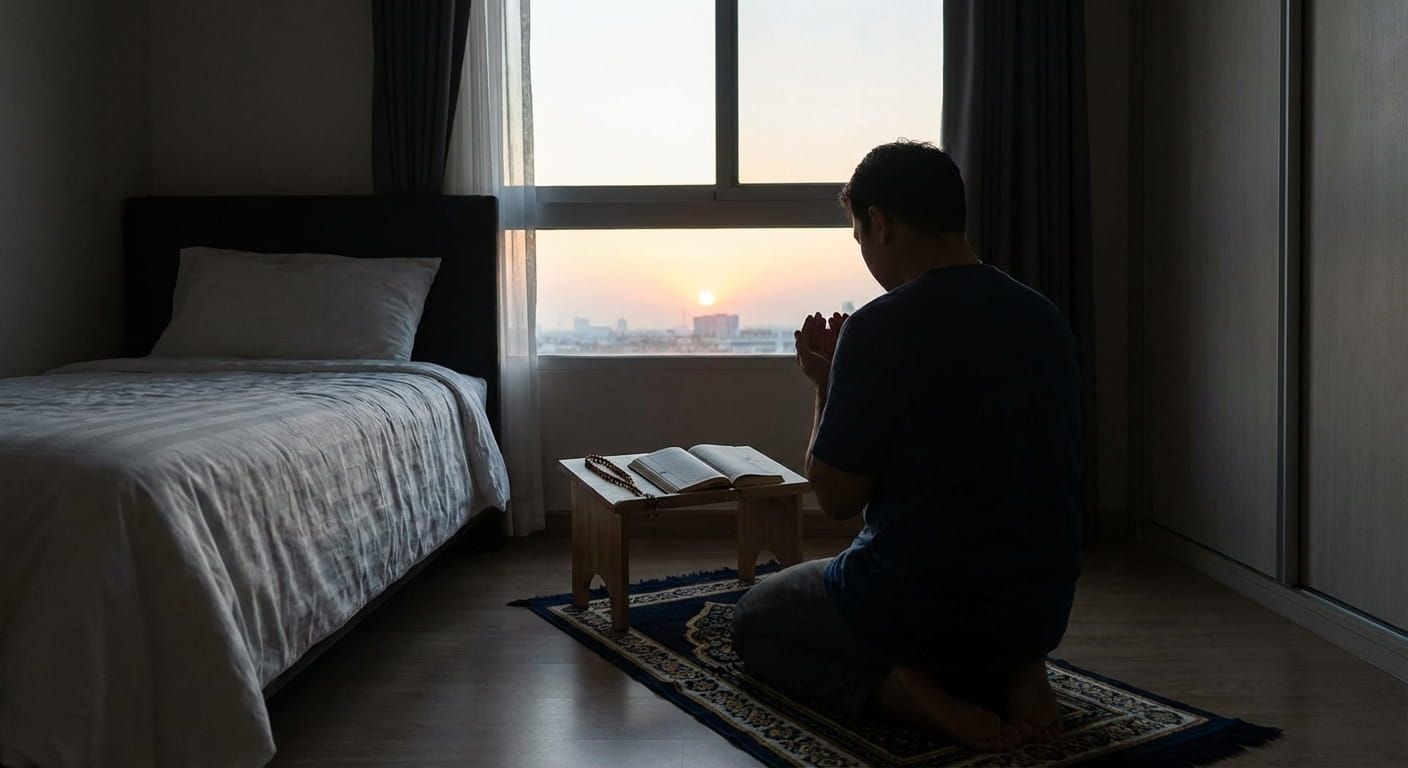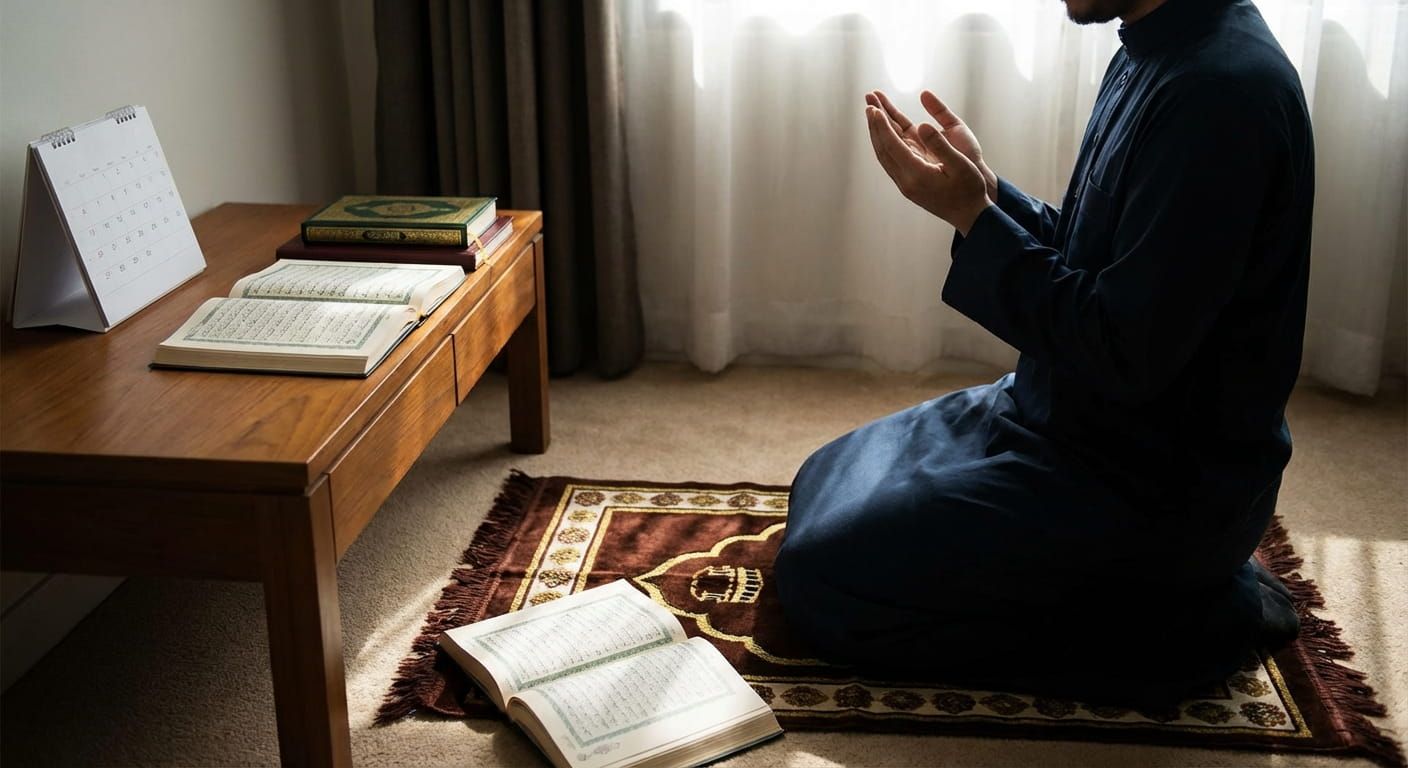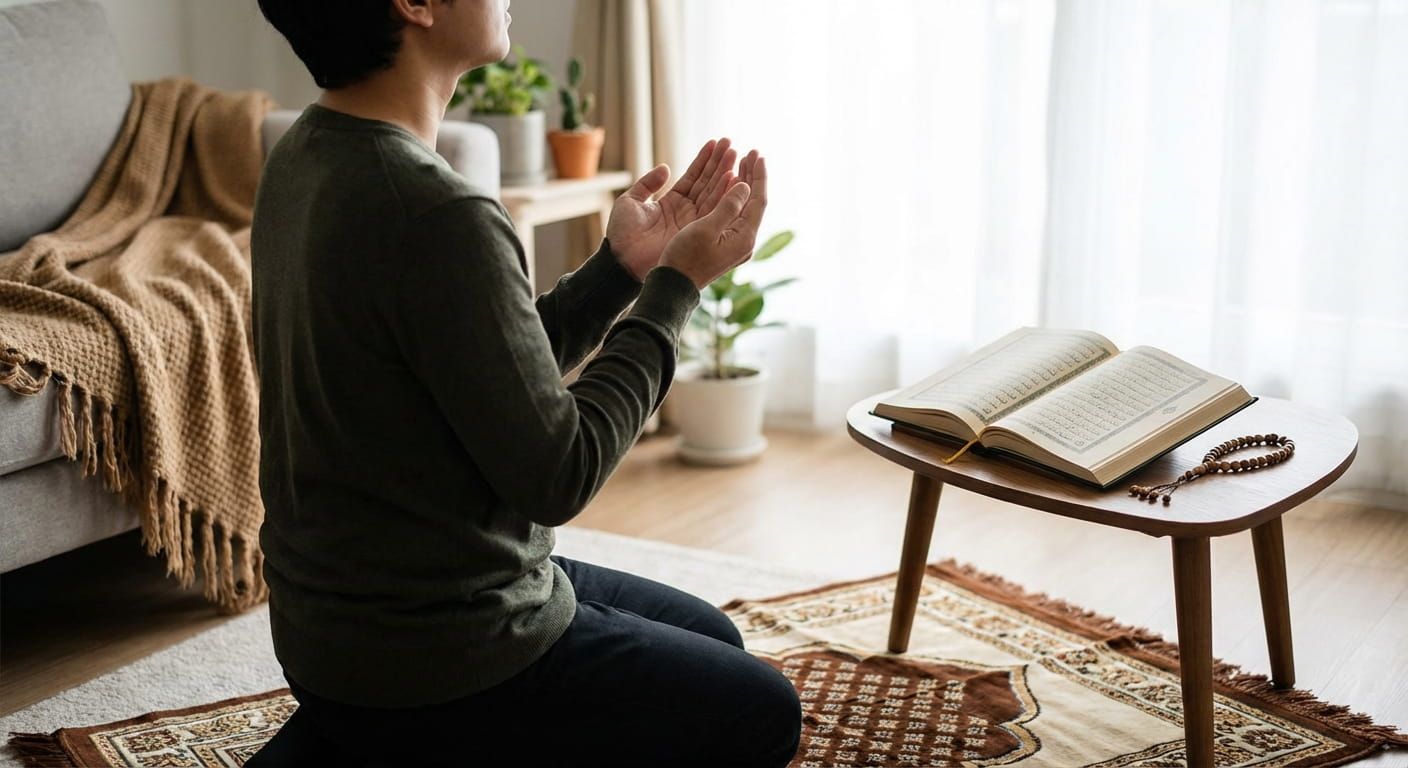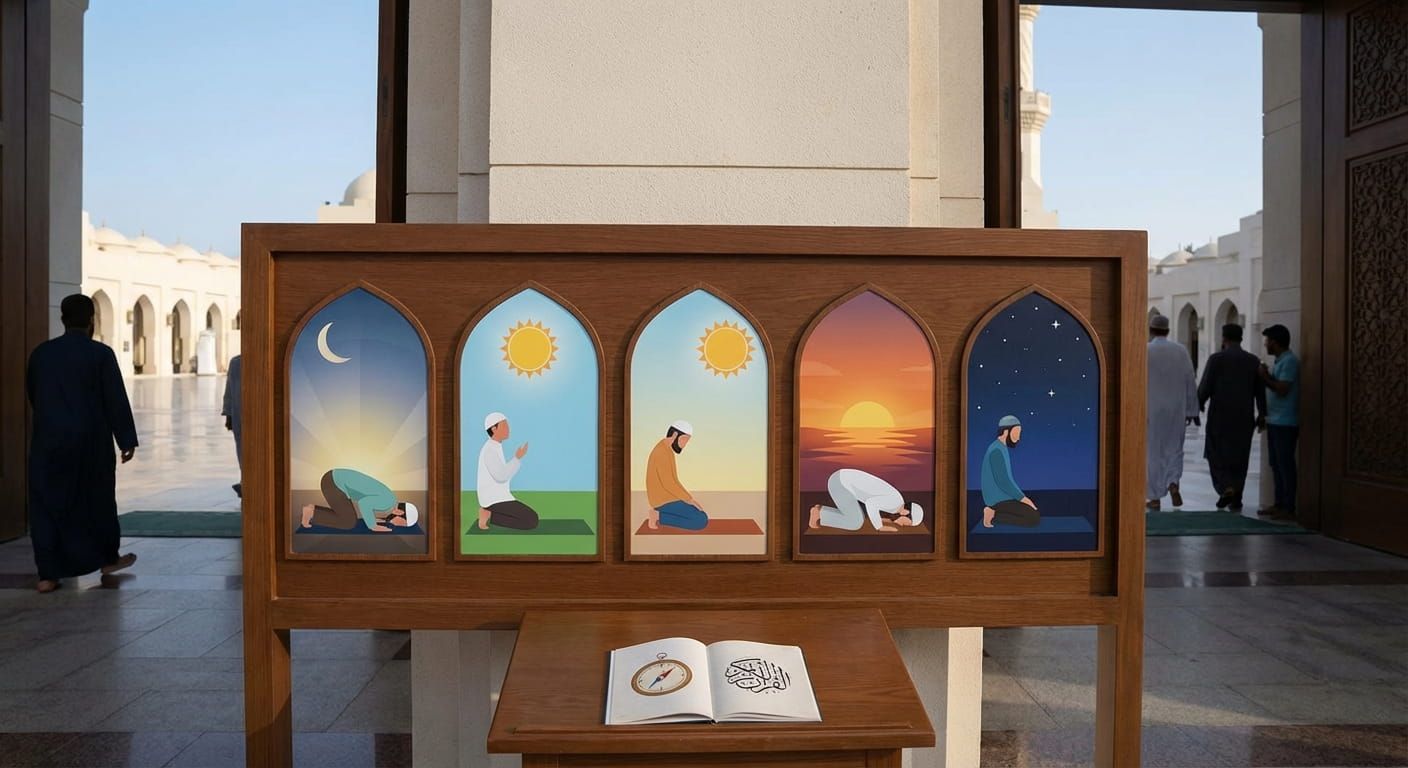
The five daily prayers are the heartbeat of a Muslim day. They anchor time, train focus, and turn ordinary moments into worship. If you are new to Salah or you want to strengthen consistency, this guide walks you through each prayer with calm, practical clarity, what it is, when it happens, how it feels, and how to make it stick. You will also learn how prayer times are calculated, what can shift them, and how to use location based schedules to stay aligned wherever you are.
The five daily Islamic prayers are fixed acts of worship tied to the sun’s movement, Fajr before sunrise, Dhuhr after the sun passes its peak, Asr in late afternoon, Maghrib just after sunset, and Isha at night. Each prayer has a window, a short set of core steps, and a deeper purpose. Using accurate, location based schedules helps you pray on time wherever you live or travel.
What the five daily prayers are and why they shape your day
Muslims pray five times a day at set windows. These prayers are called Salah. Each one is an act of worship with a clear structure. They include standing, reciting, bowing, prostrating, and sitting, all done with intention and humility. The rhythm is not random. It is built around the sun’s movement, which means times shift a little from day to day and from place to place.
People often talk about prayer as a duty, and it is, but it is also a steady gift. The day can get noisy. Stress stacks up. Tasks multiply. Prayer returns you to a quieter center, five times, without needing perfect circumstances.
Each prayer is a checkpoint. You pause, clean your focus, and restart with better intention. Missing one can happen, but building a routine makes the whole day feel more grounded.
The five prayers at a glance
Here is the big picture before we go deeper. This table is a friendly map, not a replacement for local times. Your city and method matter, which is why people use tools that calculate the daily schedule based on location.
How prayer times are determined in real life
Prayer times are not based on a fixed clock schedule. They are based on the sky. The sun’s position sets the framework, and scholars developed calculation methods to define the exact start of certain windows, especially around dawn and night when light changes gradually.
Here are a few reasons prayer times can differ between two cities, or even between two calendars in the same city:
- Latitude changes how long twilight lasts, especially far from the equator.
- Season shifts sunrise and sunset, which moves the day’s whole pattern.
- Method affects Fajr and Isha definitions, because twilight thresholds vary by convention.
- Elevation can slightly affect horizon based observations.
- Local practice may follow a national authority or a local mosque timetable.
This is why many people rely on accurate, location based schedules. The prayer times tool is built for that kind of daily reality, you pick your place, you get today’s times, and you keep moving with confidence.
Fajr prayer, the day begins before the day begins
Fajr starts at true dawn and ends at sunrise. It is the first prayer of the day, and it has a special quietness to it. For many people, it is the hardest prayer to keep consistent because it asks you to wake up before the world wakes up.
Yet it often gives the biggest sense of peace. There is less noise. Fewer messages. Less pressure. You stand, recite, and begin with a clean slate.
Try these small shifts, they add up, sleep a bit earlier, place your alarm away from your bed, make wudu before sleeping if you can, and keep a prayer space ready so you do not negotiate with yourself when you wake up.
Dhuhr prayer, a midday reset that protects your focus
Dhuhr begins after the sun passes its highest point and continues until the time for Asr enters. In many places it falls during school, work, or errands. That makes it a practical prayer, one you learn to fit into real life without drama.
Think of Dhuhr as a pause button. It breaks the day’s momentum and reminds you that your worth is not only your productivity. Even a short prayer at midday can lower stress and sharpen your attention for what comes next.
Asr prayer, the late afternoon anchor
Asr enters in the late afternoon and lasts until sunset. This part of the day is where people often slip. You might be deep in tasks or tired from the day. Asr keeps your day from drifting. It gives you a second wind, not by pushing harder, but by reconnecting to purpose.
In some communities, the calculation for Asr can follow different juristic approaches, which affects its start time. This is another moment where a trusted timetable matters more than guessing.
Maghrib prayer, gratitude right after sunset
Maghrib begins immediately after sunset. Its window is shorter than most other prayers, which is why people often aim to pray it soon after it enters. The atmosphere can feel tender, the day is closing, the light is fading, and you get a clear moment to say thank you for making it through.
If you have family, Maghrib can become a warm daily checkpoint. It is also a prayer that pairs well with an evening routine, a small meal, time with loved ones, then moving into the night with calm.
Isha prayer, the calm closure of the day
Isha begins after the twilight period ends and lasts through the night until Fajr. It is the prayer that seals your day. Many people feel relief after praying Isha because it completes the set of five. It also sets you up for better sleep, you have closed the day with worship rather than worry.
If you find Isha hard, try linking it to something you already do every night, after dinner, after a shower, or before you settle into bed. Habits stick best when they ride on existing patterns.
A simple step by step routine for each prayer
Different levels of detail exist in prayer learning, but beginners often need a stable structure first. Here is a clean, repeatable routine that works for building consistency and confidence.
- Check the time window for your location, then plan the next 15 minutes around it.
- Make wudu with attention, it is physical preparation and mental reset.
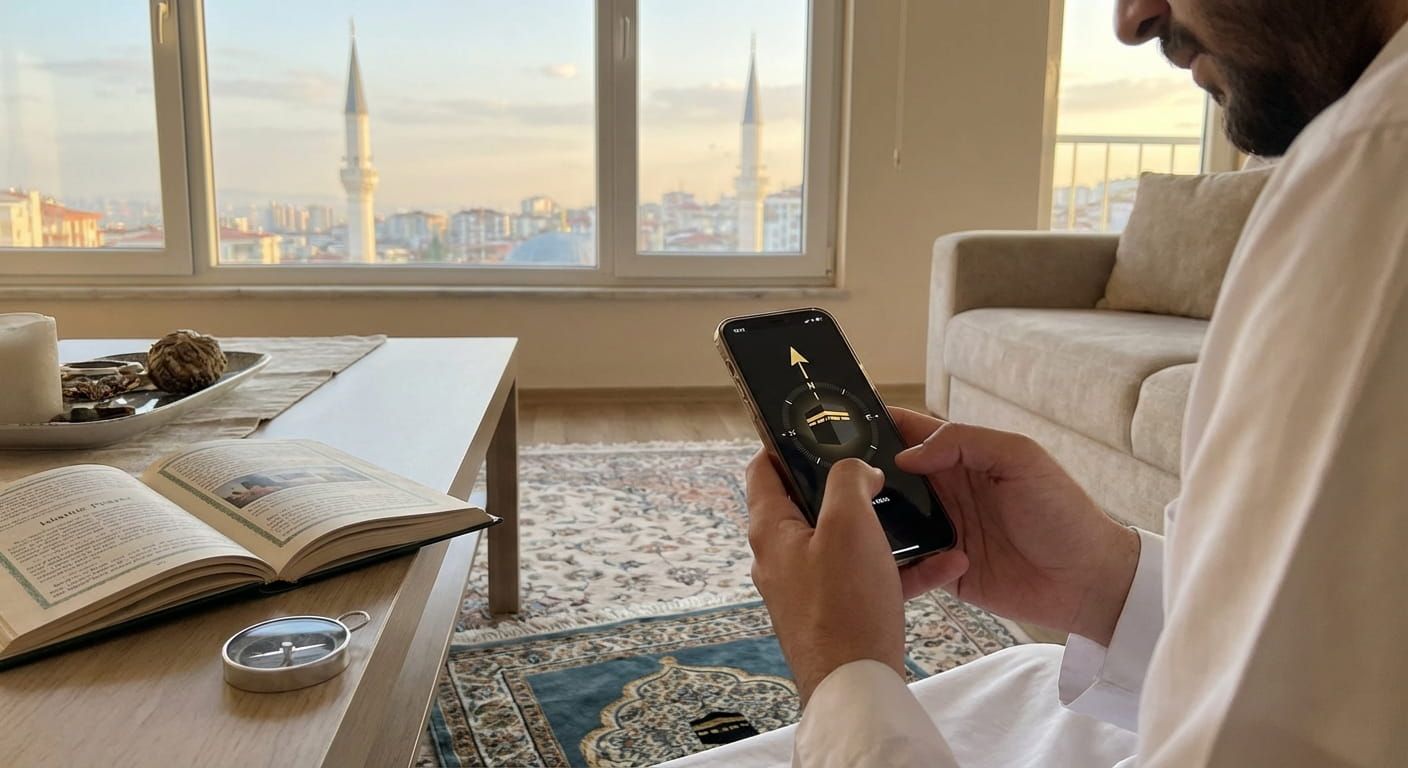
- Choose a calm spot and face the qibla if possible.
- Set your intention in your heart, no long speech needed.
- Pray the fard units with steady pace and focus on meaning as you learn.
- Finish with dua even briefly, ask for steadiness, forgiveness, and help.
- Note what worked and keep it simple for the next prayer.
Common mistakes and how to fix them without guilt
Everyone fumbles in the beginning. Many people also struggle later, because life changes. The goal is progress, not perfection. These are some common issues, and gentle ways to respond.
- Relying on memory for times, fix it by checking a daily schedule each morning.
- Waiting for the perfect moment, fix it by praying as soon as you reasonably can within the window.
- Losing focus in prayer, fix it by slowing down, understanding short phrases, and praying in a quieter place.
- Feeling behind after missing, fix it by returning gently, one prayer at a time, without self insults.
- Confusion about methods, fix it by following a consistent local source or a trusted timetable.
If your day has been messy, prayer is not a trophy you earn. It is a door you keep returning to.
Using location based prayer schedules without confusion
When you use a prayer time tool, you want two things, accuracy and clarity. Accuracy means it uses reliable calculations. Clarity means it shows you the day in a way you can act on. A location based schedule helps with both because it is built for your city, your sunrise and sunset, and your daily shift through the seasons.
If you are planning travel or supporting family abroad, country pages can be helpful. For example, someone checking times in Malaysia Prayer Times might also be coordinating prayer windows with school runs or work hours, and a location focused schedule keeps that simple and precise.
When prayer times change more than you expect
Some places have gentle seasonal changes. Other places swing dramatically. If you live far north or far south, dawn and twilight can stretch, and that affects Fajr and Isha. This is not a problem with prayer, it is a feature of geography. Communities in these regions often follow established scholarly guidance for workable timetables.
This is another reason the habit matters more than the exact minute. You aim for the window with sincerity. You use trusted times. You keep moving.
A list of habits that make all five prayers easier
Consistency is built with small choices. Here is a listicle you can actually use. Pick two. Keep them for two weeks. Then add one more.
- Plan your day around prayers rather than squeezing prayers into leftovers.
- Keep wudu friendly clothing available so you do not stall.
- Use one trusted timetable and stop swapping sources every week.
- Set two alarms for Fajr, one to wake, one to stand up.
- Link Dhuhr and Asr to existing breaks like lunch or an afternoon pause.
- Pray Maghrib soon after sunset to avoid it fading into errands.
- Create an Isha wind down ritual that ends with prayer, then rest.
- Keep a small prayer kit if you commute, a compact mat, socks, and wipes.
- Learn short meanings of common recitations to bring your heart along.
- Return gently after slips because shame breaks routines faster than fatigue.
Prayer windows, what you should know about start and end times
Each prayer has a beginning and an ending. Within that window, you pray. People often ask if they must pray at the earliest minute. The simple answer is that praying early is often easier for consistency, but praying anywhere inside the valid window still counts, assuming conditions are met.
Here is a professional reference table to help you remember the basic windows. Always confirm the exact times for your location with a reliable schedule.
Making prayer practical at school, work, and while traveling
Many people can pray consistently at home, then struggle outside. This is normal. The fix is planning, not willpower. A few practical moves can change everything.
- Know your nearest quiet corner before the time arrives.
- Keep essentials small, a compact mat or clean scarf can help.
- Use a trusted daily schedule so you are not guessing.
- Talk to a supervisor or teacher if you need a short break, clarity is often appreciated.
- On travel days check the local timetable early, the day moves faster than you think.
For people checking times across borders, location pages can simplify the search. If you are coordinating with family or planning a visit, prayer schedules in Saudi Arabia can be useful for aligning plans around the day’s prayer windows.
Learning the prayer itself, keeping it simple and steady
Prayer has a structure that stays stable, but your experience inside it will grow over time. Start with correctness, then build depth. If you are new, focus on learning the movements, the core recitations, and the order. If you already know the basics, focus on meaning and presence.
One helpful approach is to learn the meaning of a short portion you already recite, then bring that meaning into prayer. Even one line at a time can change your connection.
Pick one small focus each week. Slow down in bowing. Pause before you prostrate. Learn a short meaning. Small steps keep your prayer alive without turning it into a performance.
How time.now fits into your daily prayer routine
A location based schedule works best when it is easy to check and easy to trust. Time.now is built around practical timing for cities worldwide, which matters because prayer windows shift with geography and season. Many people use it as their daily reference, especially when they travel, move cities, or need to plan their day with confidence.
If you are checking times for a specific region, a country page can help you orient quickly. People planning family visits, study terms, or work trips often look up prayer schedules in Indonesia to keep prayer aligned with local sunrise and sunset patterns.
A closing note for anyone trying to be consistent
Learning the five daily prayers is not only about memorizing names and times. It is about building a relationship with your day. You will have stretches where it feels easy, and weeks where it feels heavy. Keep returning. Keep it simple. Use accurate local times, prepare your space, and protect your prayer windows the way you protect any important appointment. Over time, the rhythm becomes familiar, and the day starts to feel held together by something steady.