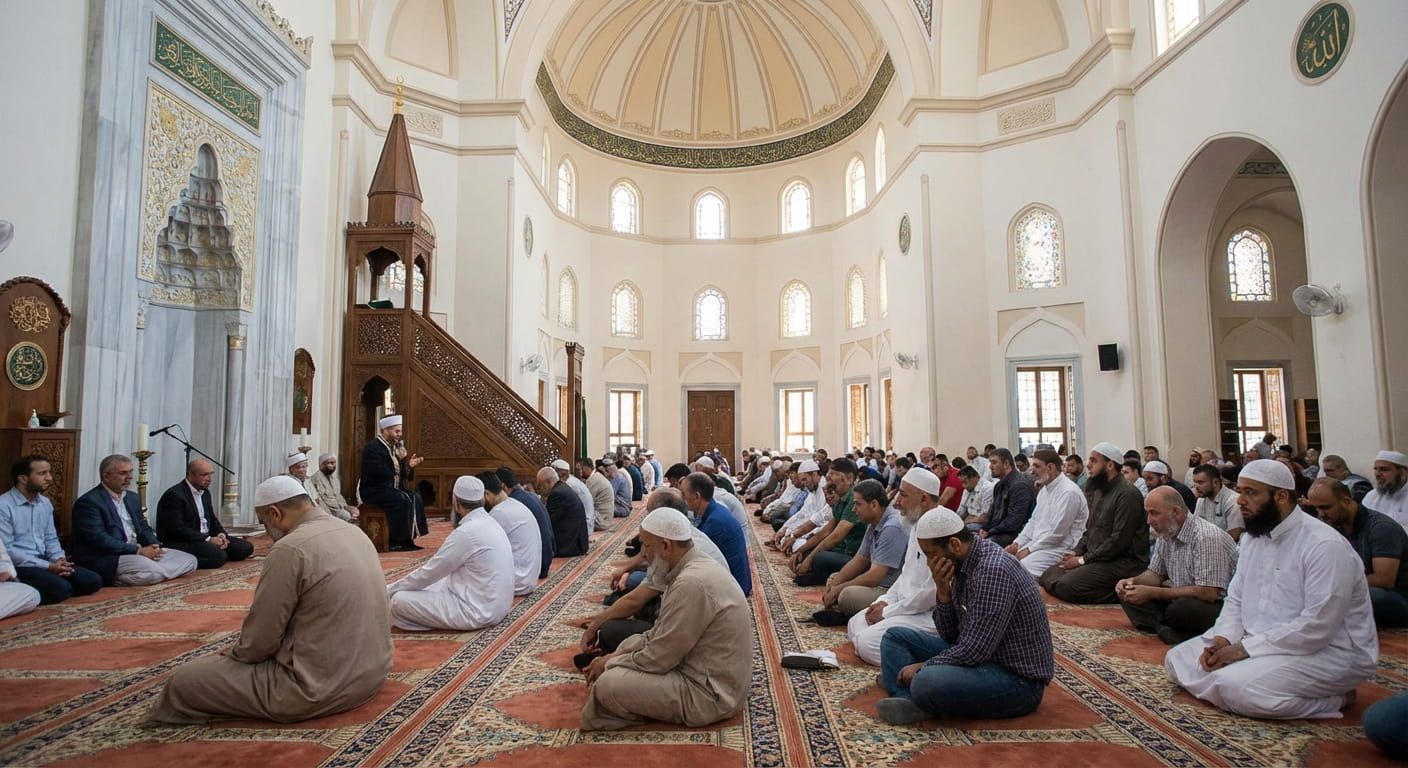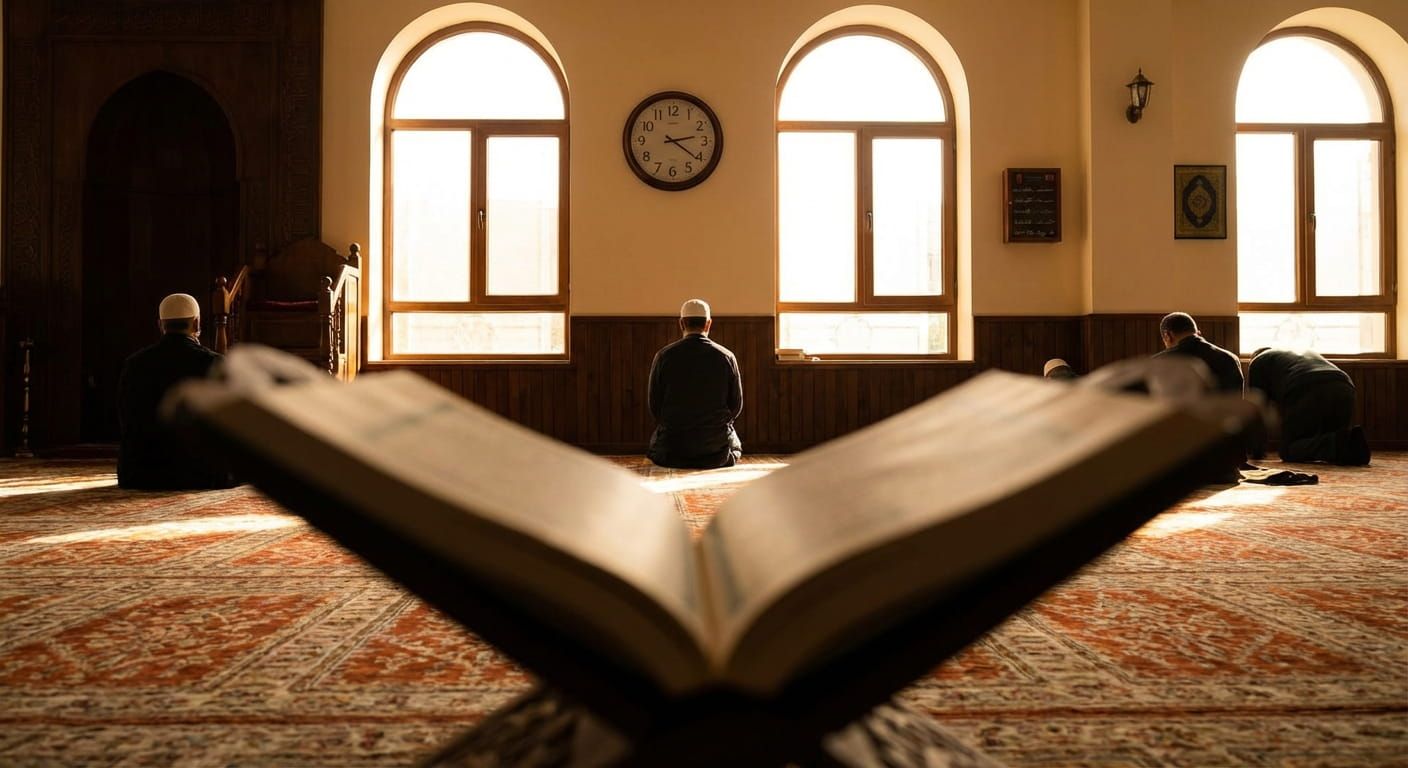
Life moves fast. School, work, family, messages, traffic, tiredness, all of it can blur the day into one long rush. Salah brings the day back into shape. And praying on time does more than meet a requirement. It trains the heart to answer Allah before anything else. It also builds calm, discipline, and a steady rhythm that carries into every other part of life.
Performing salah on time is a daily act of loyalty to Allah that protects faith, sharpens discipline, and calms the mind. Each prayer arrives with a window, and meeting it early keeps the day anchored to worship instead of stress. Planning around prayer times, using accurate local schedules, and building small habits makes consistency realistic. Over time, punctual salah strengthens humility, improves focus, and turns ordinary hours into purposeful moments.
What “on time” really means
On time means within the valid window for each prayer. That window begins at the prayer’s start time and ends when the next prayer’s time begins, with specific details for each salah. Many scholars encourage praying as early as possible within the window, because it shows eagerness and keeps a person from drifting into delay.
In real life, people often ask: does on time mean the first minute only, or the whole window? The window is valid. Yet the goal is to train yourself to respond promptly, not to treat the final minutes as a habit. A prayer done early tends to be calmer and more focused. A prayer done while rushing tends to feel like damage control.
Take the guesswork out with accurate local prayer times
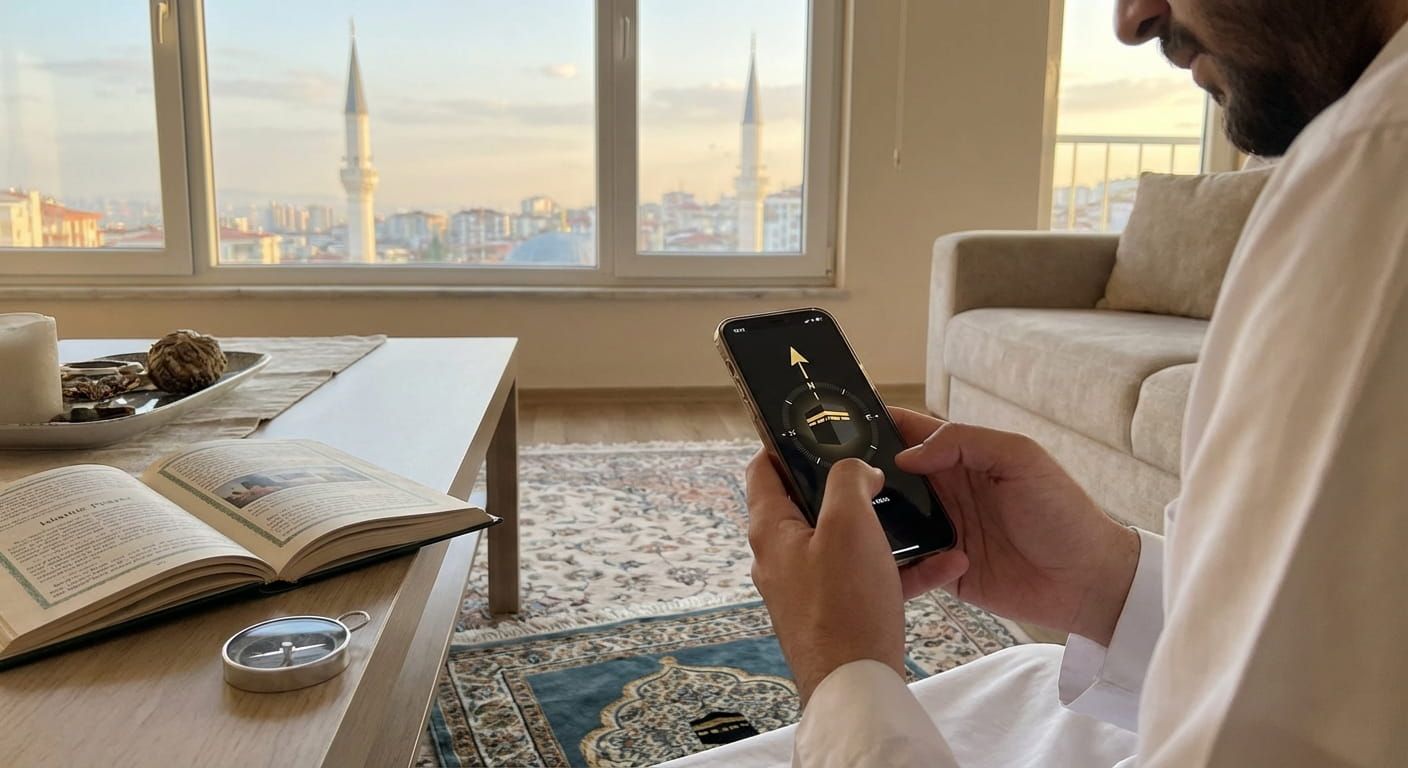
Praying on time depends on knowing the time. That sounds obvious, yet many delays start with uncertainty. People are not sure if Maghrib already began, or they worry the schedule is not accurate for their area. Using a reliable, location based tool helps remove that doubt.
If you want a practical way to check today’s schedule for your city, the prayer times section is built for that purpose. It helps you align your day with the actual timings where you live, not a rough estimate.
Prayer times can differ slightly based on calculation methods and local conventions. If you enjoy understanding the “why” behind the numbers, reading how islamic prayer times are calculated can make the schedule feel more trustworthy. Clarity reduces hesitation, and hesitation often leads to delay.
A colorful guide to each prayer and its timing mindset
Every salah has a personality. Each one teaches something different. The table below focuses on the mindset that helps you guard the time. The colors are calm and professional, and the notes are meant to be practical.
Quiz: How strong is your “pray on time” plan?
This short quiz is here to make the ideas stick. Choose the option that fits you most days. Your score appears at the end with a practical next step.
1) How do you usually know the next prayer time?
2) What usually causes delay?
3) What is your wudu routine like?
4) How do you treat Maghrib at home?
Why praying early feels different in the heart
There is a quiet confidence that comes from answering Allah right away. It changes the inner story you tell yourself. Instead of “I will pray when I finish everything,” the story becomes “I finish things after I pray.” That shift is powerful. It places worship at the center and everything else around it.
Praying early also reduces guilt and mental noise. Many people carry prayer anxiety through the day. They think about what they missed, what they still owe, and how late it is getting. That pressure steals focus from family, study, and even worship itself. Early salah clears the mind.
There is another benefit that people notice over time. When you pray early, you start to respect your own boundaries. You learn to pause. That pause is a form of strength. It tells your habits that you are not owned by the next notification.
The five prayers as a daily map, not a daily burden
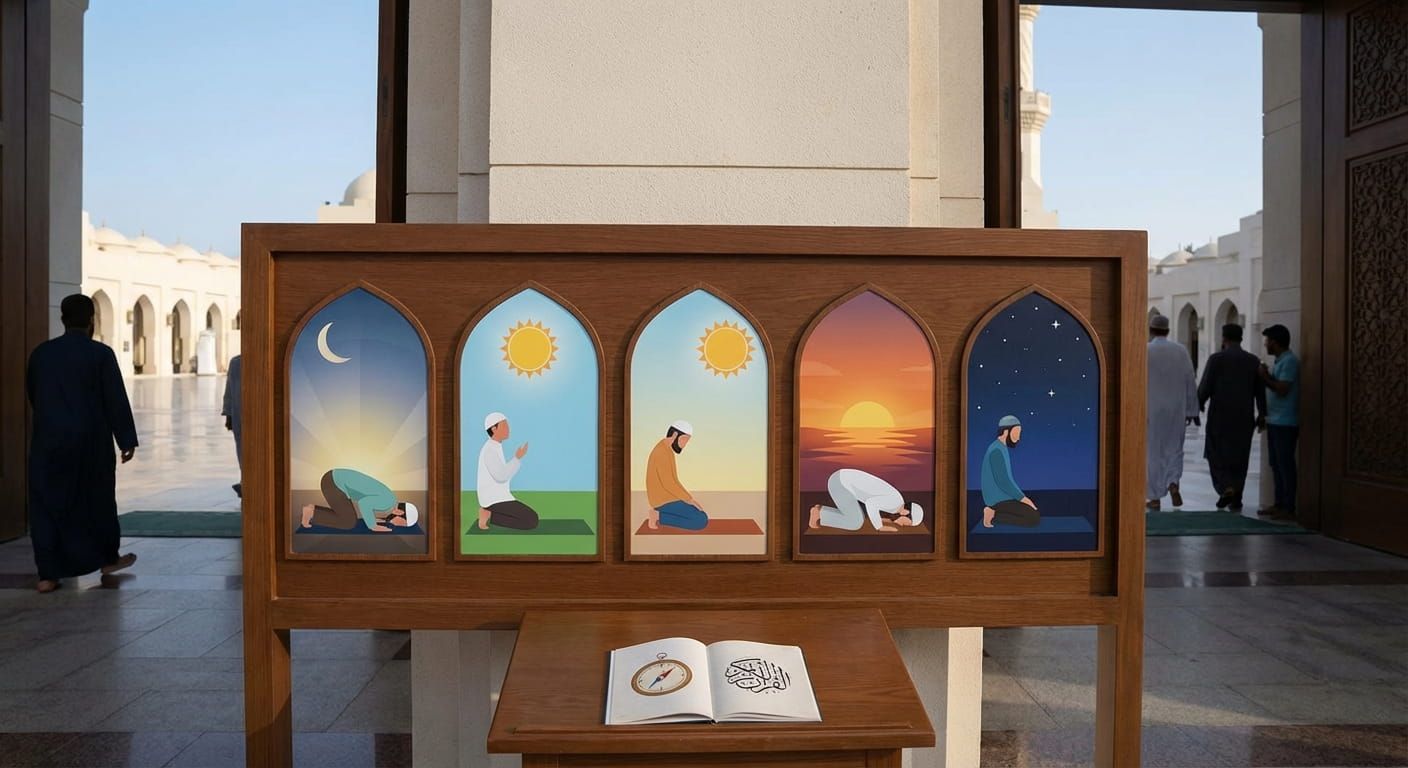
Some people treat the five daily prayers as items on a checklist. That mindset can make salah feel heavy. Another approach feels lighter: see the prayers as a map that divides the day into meaningful chapters. Each chapter has a start, a pause, and a reset.
If you want a gentle refresher on what each prayer represents and how they fit across the day, the guide on five daily islamic prayers pairs well with this topic. Understanding the structure makes punctuality feel natural, because the day starts to make sense again.
Once the day has structure, worship becomes less about fighting time and more about living with purpose. This is why many people feel more stable when they guard prayer times, even during busy seasons like exams or overtime.
Common reasons people drift into delay
Delay rarely comes from one big decision. It usually comes from tiny moments that stack up. Knowing the patterns helps you interrupt them early.
- Unclear timing: not knowing the exact start time makes people postpone “just in case.”
- Task trance: getting absorbed in study, work, games, or social media.
- Wudu friction: cold water, messy bathrooms, or feeling rushed.
- Clothing and space issues: not having a clean spot ready, or needing time to change.
- All or nothing thinking: assuming a distracted prayer is not worth doing, then delaying further.
Each reason has a practical fix. The goal is not perfection. The goal is consistency and respect for the time window Allah gave.
A step by step plan to make punctual salah your default
Habits form faster when the plan is specific. Here is a clear sequence you can follow. Keep it simple, then adjust as you learn what works in your day.
- Choose one anchor prayer. Pick the prayer that is easiest to protect right now, often Maghrib or Fajr depending on your routine.
- Prepare the “pray kit.” Keep a small set ready: prayer mat, simple garment if needed, and a clean space marker. Reduce excuses.
- Reduce wudu barriers. Make wudu earlier when possible. Keep towels nearby. If you are outside, plan where you can make wudu calmly.
- Set one clear reminder. Use one alert that works for you. A single reliable reminder beats five ignored ones.
- Pair prayer with a routine. Connect Dhuhr to lunch break. Connect Asr to leaving class. Connect Isha to shutting down your screen.
- Track for fourteen days. Mark a simple check on a note or calendar. Progress becomes visible, and that motivates you.
- Add the next prayer. Once the anchor feels stable, add one more. Growth stays sustainable.
Practical ways to guard your prayer times in a busy schedule
Different lives need different tactics. A student’s challenges are not the same as a shift worker’s. Yet the principles stay the same: reduce friction, set boundaries, and protect the early part of the window.
For students
Classes and homework can swallow the day. Try this: treat prayer as the break that makes studying better. A short pause can reset attention and reduce anxiety. Keep a small mat in your bag. Pick a regular spot on campus. If you commute, plan around transit times so you are not forced into last minute choices.
For working adults
Work often runs on meetings and deadlines. The solution is respectful clarity. Block a few minutes in your calendar for each prayer, even if you cannot always hit the first minutes. Communicate kindly when needed. Many workplaces respond well to consistent, polite boundaries. Also, keep wudu manageable. A rushed wudu often leads to a rushed prayer, then a delayed prayer later.
For parents and caregivers
Care work is unpredictable. Build “micro readiness.” Keep prayer clothing accessible. Choose a safe clean corner. If children need attention, involve them gently. Let them see you pray. Over time they learn that salah is part of life, not an interruption from life.
A list of small changes that bring big results
These ideas are simple, but they work because they remove the most common obstacles. Pick two and stick with them for a week.
- Place your phone across the room at night so Fajr starts with movement.
- Use one consistent alert tone for prayer times, not multiple tones.
- Keep a water bottle and tissues nearby if you tend to delay wudu.
- Decide your Maghrib rule: pray first, then eat, most days.
- End screen time before Isha so tiredness does not steal it.
- Keep your prayer spot tidy so you do not “prepare” for ten minutes.
Handling missed prayers without losing hope
Even with effort, a person may miss a prayer sometimes. The response matters. Shame can push people away from worship. A healthier response is humility and repair. Turn back to Allah, make up what is owed according to your school of thought, and then strengthen the system that failed.
Ask yourself one calm question: what was the trigger? Was it sleep, distraction, scheduling, or lack of awareness of the time? Fix the trigger, not just the feeling. Each repair makes future punctuality more likely.
How praying on time shapes character over months
The benefits of punctual salah are not only spiritual. They are personal. Over months, you may notice changes that feel almost quiet at first.
You begin to value minutes. You stop treating time as an enemy. You also grow more stable under pressure. A person who pauses for prayer learns that the world will not collapse during a short break. That lesson carries into stress, anger, and impulsive choices.
Punctual prayer also builds trust with yourself. You start to believe your own promises. That self trust matters. It improves study habits, work ethics, and relationships because you become someone who follows through.
A closing reflection that returns you to the clock and the heart
Prayer times are not random marks on a schedule. They are invitations placed through the day, each one calling you back to Allah and back to your best self. When you answer on time, you are choosing a life with clear priorities. Start with one prayer. Protect it early. Then protect the next. With patience and steady habits, punctual salah stops feeling hard and starts feeling like home.