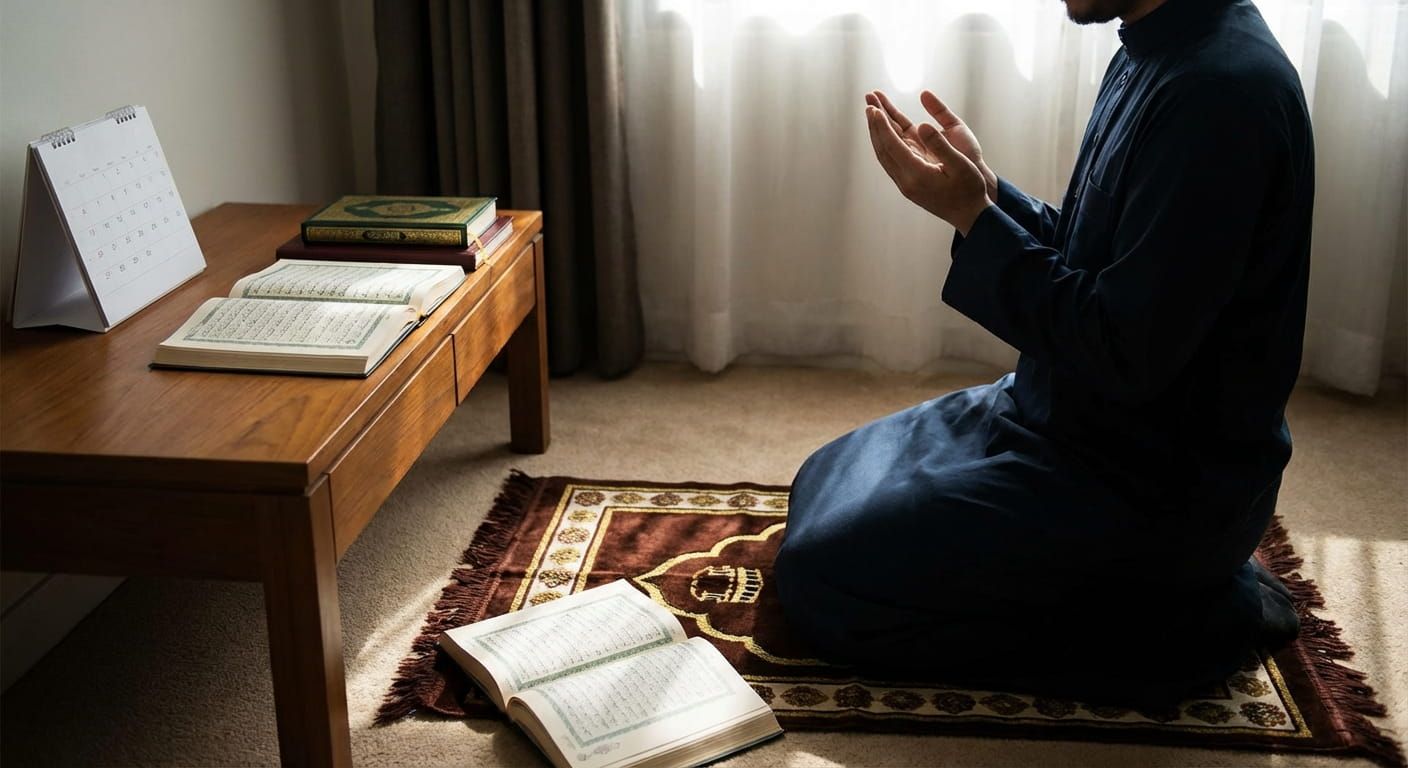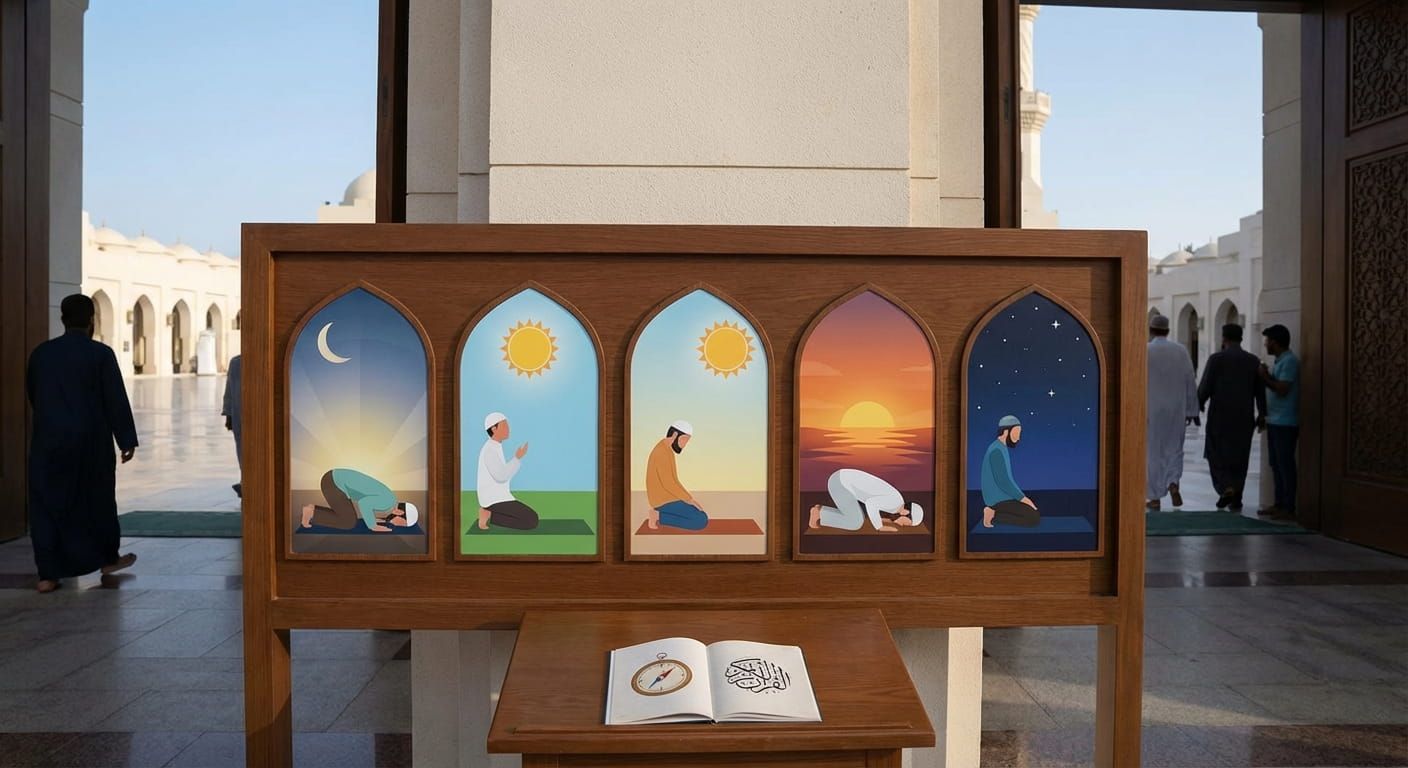
Salah has a steady rhythm, five daily anchors that shape the day. Sunnah and nafl prayers add warmth around that rhythm. They help you guard focus, repair the heart after a rough day, and grow love for worship without pressure. This guide breaks them down in plain language, with practical ways to build consistency while keeping the fard prayers at the center.
Key takeaway
Sunnah prayers follow the Prophet’s practice and often sit before or after the five daily prayers. Nafl prayers are voluntary acts you can pray anytime outside forbidden times. Start by protecting the fard, then add the most emphasized sunnah, especially around Fajr and the daily rawatib. Keep it sustainable, even two rakah done consistently can reshape your day. Use accurate local timings, learn the boundaries, and build a routine that feels calm, not heavy.
A short quiz to test your basics
How it works: Choose one answer for each question, then press “Check my score”.
1) What should never be pushed aside for sunnah or nafl?
2) Nafl prayers are best described as:
3) What is a safe habit for growing consistency?
What “sunnah” and “nafl” mean in daily life
People often use “extra prayers” as one big bucket, but there is a helpful difference.
Sunnah prayers are voluntary prayers tied to the Prophet’s regular practice. Many are connected to the five daily prayers. Some are highly emphasized. Missing them does not carry sin, yet keeping them brings steady reward and protects the fard through routine.
Nafl prayers are voluntary prayers beyond the established sunnah patterns. You can pray them for gratitude, need, repentance, or simply closeness to Allah. Some nafl are well known, like night prayer, duha, and prayers connected to specific moments. Others are simply two rakah whenever you want, as long as the time is suitable.
Gentle reminder: Extra prayers are not a replacement plan. They are a support plan. The aim is a heart that shows up for the fard, then grows in love through voluntary worship.
Keeping the fard at the center
The five daily prayers are the backbone. If your schedule feels chaotic, focus on praying on time and guarding concentration, then add extras slowly. If you want a reliable schedule for your city, using a location based tool can help you plan your day around prayer. Many people use prayer times to stay aligned with local timing and avoid guessing.
Consistency usually comes from small, repeatable steps:
• Pray each fard within its time window
• Add one sunnah pair that feels manageable
• Keep it steady for two weeks before adding another
Rawatib sunnah, the regular sunnah around the daily prayers
Rawatib are the sunnah prayers connected to the fard prayers. They create a buffer before and after the obligatory prayer, like a calm runway for takeoff and landing. Many Muslims start here because the timing is already built into the day.
A practical rawatib map
| Prayer | Common sunnah pattern | How it feels in a routine |
|---|---|---|
| Fajr | 2 rakah before fard | Short, focused, sets the tone for the morning |
| Dhuhr | Often 4 before and 2 after | Creates a calm pocket in the middle of the day |
| Maghrib | 2 after | Easy to keep, right after fard while still seated |
| Isha | 2 after, often followed by witr | Closes the day with worship, helps reflection |
Different schools of thought describe counts and emphasis with slight differences. The takeaway is simple: keep the strongest sunnah first, then add what you can without strain.
Witr, the beloved closing prayer of the night
Witr is often paired with Isha and sometimes with night prayer. Many Muslims treat it as a daily habit. It is voluntary, yet heavily emphasized in practice. Witr can be one rakah, three, or more depending on how you pray it. If you are starting out, keep it simple. Pray Isha, pray two sunnah if you can, then pray witr with calm focus.
Try this: If you are exhausted at night, pray witr right after Isha. If you regularly wake for night prayer, you can place witr at the end of the night.
Nafl prayers you can weave into real life
Nafl prayers shine because they fit your life instead of fighting it. You can pray nafl at home, at the masjid, or while traveling when conditions allow. A few well known nafl options are easier to keep because their timing is familiar.
Duha, the morning uplift
Duha is prayed after the sun has risen well above the horizon and before Dhuhr. If your mornings are busy, even two rakah on a calmer day can become a gentle reset. Some people pair it with a short dua for guidance before starting study or work.
Tahajjud, the quiet conversation
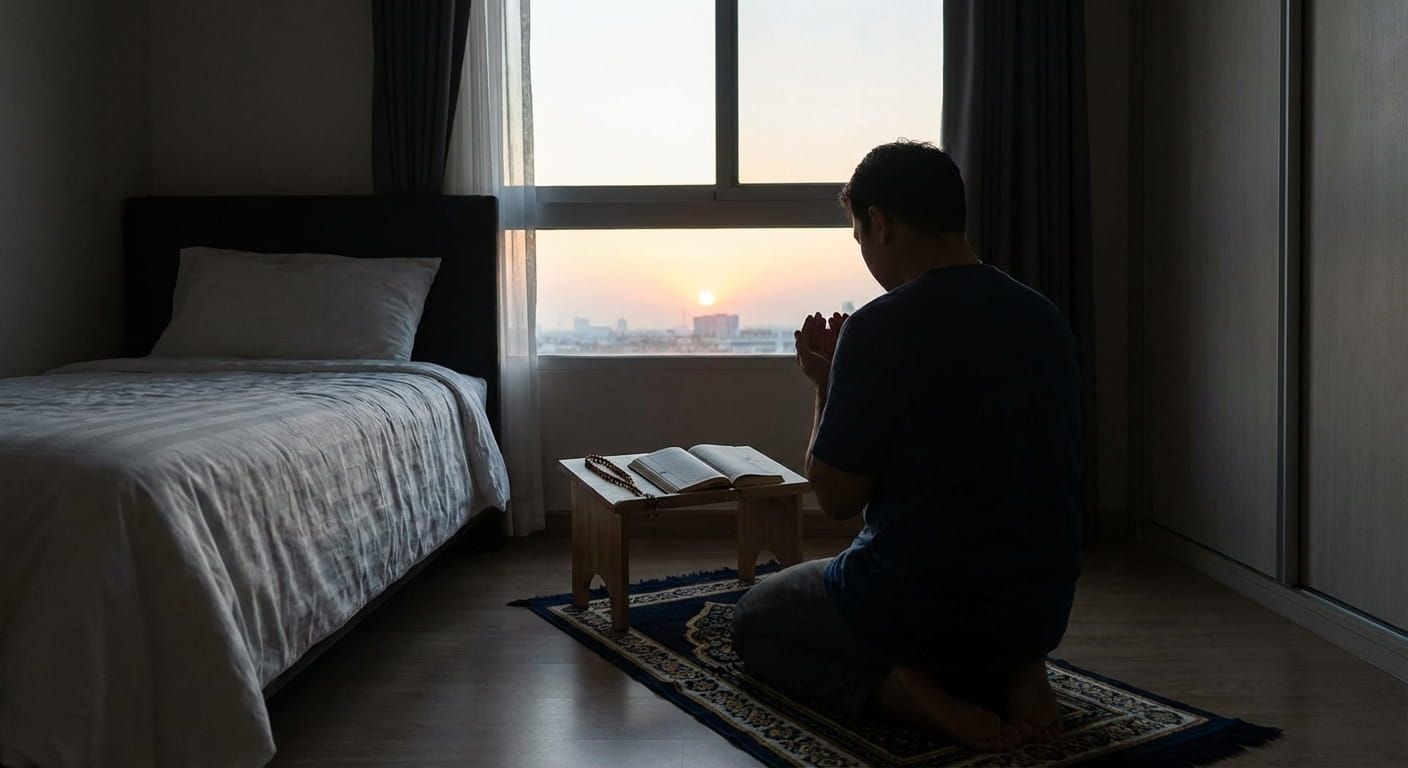
Night prayer is one of the most loved voluntary acts. It can be just two rakah. It can be longer. The secret is not length, it is sincerity. If you want a simple plan, set an alarm for a small window before Fajr, make wudu, pray two rakah, then ask Allah for what you need.
Prayer of repentance
When you feel regret, two rakah with honest tawbah can soften the heart. Keep it private. Keep it real. After the prayer, speak to Allah with your own words.
Times to avoid, and why that protects your worship
There are times in the day when voluntary prayer is not performed. This is part of prophetic guidance and helps keep worship aligned with the sunnah. It also prevents confusion around sunrise and sunset windows. If you want a clear, easy reference for your day, checking forbidden prayer times can help you plan nafl and sunnah without second guessing.
How to build a routine that actually sticks
Many people try to do everything at once, then burn out. A better plan is to stack habits. Add one piece, keep it stable, then add the next.
- Guard Fajr and Isha first. These two shape the day and the night. If these are steady, everything else gets easier.
- Add the two rakah before Fajr. Many scholars describe it as among the most emphasized sunnah. It is short and powerful.
- Choose one daytime add on. For many, that is Dhuhr sunnah or duha, based on schedule.
- Close the night with witr. Keep it simple, then expand later if you want.
- Track progress with kindness. If you miss a day, restart the next prayer, not next week.
Some people also like pairing their routine with practical tools. If you find yourself drifting on timing, reading about importance of salah on time can refresh motivation without guilt.
A list of sunnah and nafl habits that give high value
- Two rakah before Fajr: Short, steady, and easy to protect.
- Two rakah after Maghrib: A natural add on while you are already present.
- Witr every night: A clean ending to the day.
- Duha on lighter mornings: A refresh before midday responsibilities.
- Two rakah for gratitude: After good news, to keep the heart humble.
- Two rakah for need: When anxiety rises, pray, then make dua calmly.
Wudu and focus, the quiet fuel behind extra prayers
Extra prayers feel different when wudu is calm and unhurried. Rushing wudu often leads to rushing salah. If you want a clear refresher with steps, step by step wudu fits well before you build more voluntary worship into the day.
Focus grows with small choices:
• Pray two rakah with slower recitation
• Keep your phone out of reach during salah
• Use one short surah you love, then rotate later
Travel, shifting schedules, and keeping voluntary worship realistic
Travel changes timing, energy, and environment. In those moments, protect the obligatory prayers first, then add what feels light. Some days, the best extra act is simply praying the fard with presence. If you want guidance tailored to travel situations, reading islamic prayer travelers can help you balance ease with devotion.
Missed prayers and the role of extra worship
People sometimes try to “cover” missed fard with lots of nafl. Voluntary prayers are beautiful, yet missed obligations have their own rulings and make up methods. If you are dealing with a backlog, it helps to read a focused explanation of missed qaza prayers and then set a calm, sustainable plan.
A gentle approach many find workable is to make up a small amount consistently, while still keeping current prayers on time. Keep it private and steady. If emotions flare, return to Allah with hope, not panic.
Qibla accuracy, especially when praying extras at home
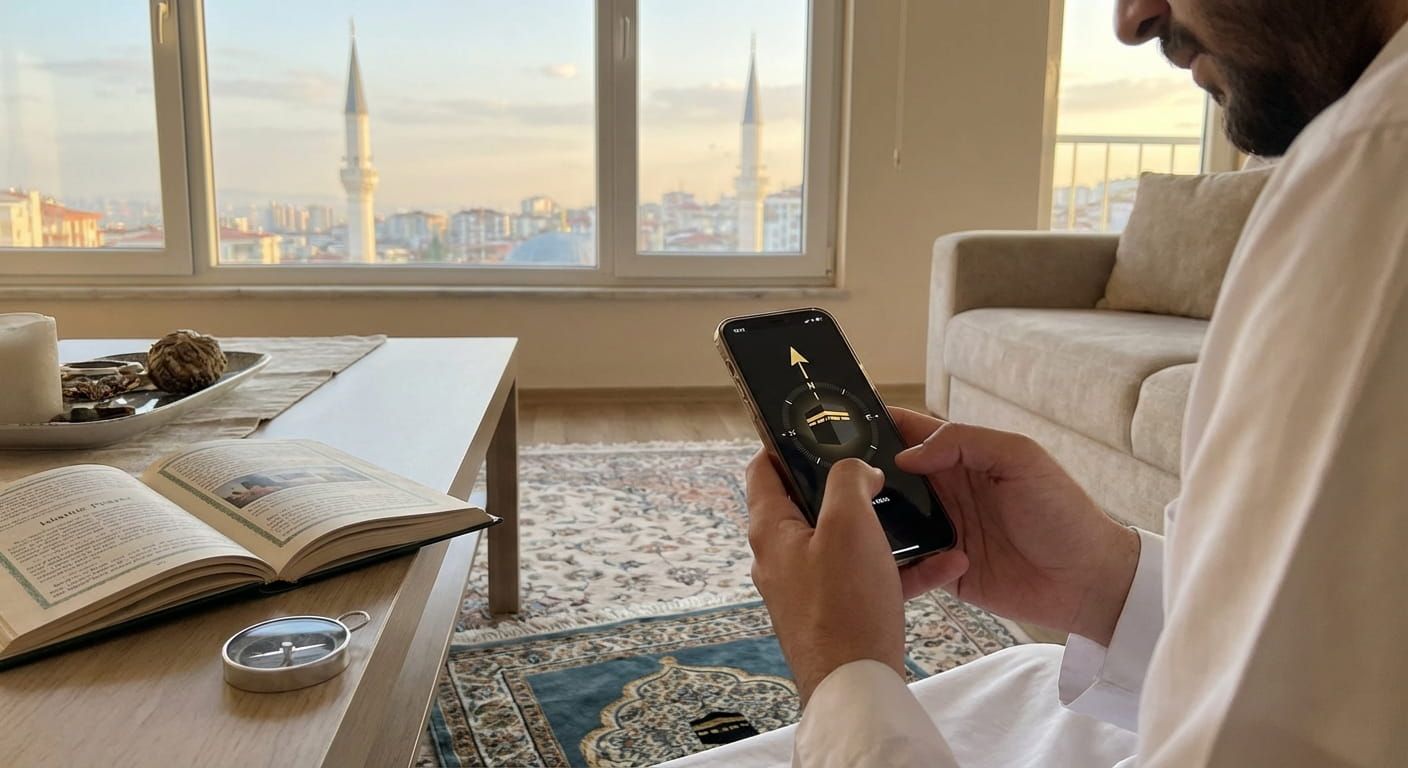
Voluntary prayers at home are a gift, especially if you want quiet. If you moved recently, changed rooms, or travel often, checking qibla direction can remove uncertainty and help you focus.
Common questions people ask, answered plainly
Do I have to pray sunnah every day?
No. Sunnah prayers are voluntary. Keeping them consistently brings reward, yet missing them does not carry sin. The best plan is the plan you can repeat.
Is nafl better at home or in the masjid?
Both can be good. Many people prefer nafl at home for sincerity and quiet. Others prefer the masjid for structure. Choose what supports your heart and your schedule.
Can I pray extra prayers if I am short on time?
Yes, if the fard is protected. Two rakah done regularly often beats a long session done once, then forgotten.
How do I know the right timing for each prayer in my city?
Use a reliable local schedule and stick to it. Timing shifts through the year, so checking accurate calculations helps, especially in places with longer twilight. If you are curious about methods and why they differ, you can read how islamic prayer times are calculated for a deeper explanation.
A reference table for building your personal plan
| Goal | Best starting choice | Why it works |
|---|---|---|
| More consistency | 2 rakah before Fajr | Short, linked to a daily anchor, easy to measure |
| More calm in the day | 2 rakah after Dhuhr or duha | Creates a pause that steadies focus |
| Better nights | Witr after Isha | Gives closure and regular dua time |
| Heart repair after mistakes | 2 rakah repentance | Builds honesty and hope without show |
One last thought to carry into your next prayer
Sunnah and nafl prayers are not meant to feel like a weight. They are meant to feel like a door. Start with what you can protect. Keep your steps small. Let sincerity lead, not perfection. If you show up for the fard and add even a little voluntary worship with steadiness, you will notice a change in your day, your patience, and your inner calm, one prayer at a time.