Moonrise, Moonset & Phases in Sangla Hill, Pakistan
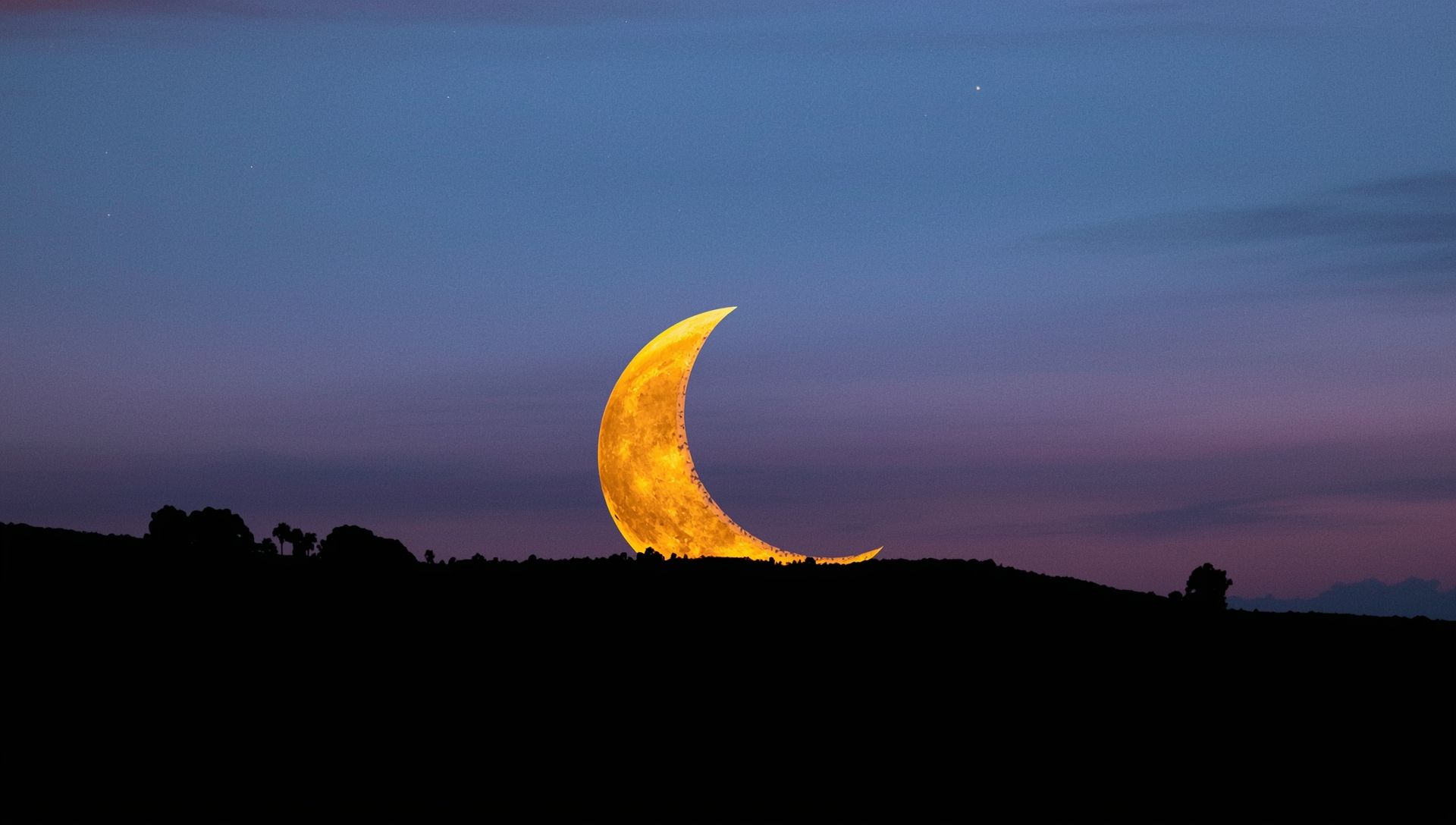
Over Sangla Hill right now the Moon shows a Waning Crescent, lit 2.4% and 398,871 km from Earth, with the next moonrise toward the NE: Tomorrow, 05:29. The next full moon over Sangla Hill falls on 24 Nov 2026, 19:53.
Current Time (Local): 23:56:58
Moon Phase: Below horizon
Illumination: 2.4%
Moon Direction: 52.24° NE
Moon Altitude: -65.42°
Moon Distance: 398,871 km
Angular Diameter: 30.4'
Moon Age: 28.1 days
Next Moonrise: Tomorrow, 05:29
Next Moonset: N/A
Next New Moon: 09 Nov 2026, 12:02
Next Full Moon: 24 Nov 2026, 19:53
Next Perigee (closest): 26 Nov 2026 (359,348 km)
Next Apogee (farthest): 11 Dec 2026 (406,419 km)
The moon over Sangla Hill is in its Waning Crescent phase, 2.4% illuminated. The next full moon is 24 Nov 2026, 19:53, and the next new moon is 09 Nov 2026, 12:02.
Moonrise, Moonset and Moon Phase Calendar in Sangla Hill, November 2026
Scroll to the right to view more
| Nov | Moon | Moonrise/Moonset | Meridian Passing | ||||
|---|---|---|---|---|---|---|---|
| Moonrise | Moonset | Moonrise | Time | Distance (km) | Illumination | ||
| 1 |
12:37
↑
(296° WNW)
|
23:17
↑
(67° ENE)
|
05:26
(81.2°)
|
363,695 | 56.5% | ||
| 2 |
🌗 at 01:28
|
-
|
13:17
↑
(290° WNW)
|
06:21
(76.4°)
|
367,087 | 45.2% | |
| 3 |
00:24
↑
(73° ENE)
|
13:50
↑
(283° WNW)
|
07:11
(70.7°)
|
370,816 | 34.4% | ||
| 4 |
01:28
↑
(81° E)
|
14:20
↑
(276° W)
|
07:58
(64.5°)
|
374,719 | 24.5% | ||
| 5 |
02:29
↑
(88° E)
|
14:49
↑
(268° W)
|
08:43
(58.0°)
|
378,690 | 16.0% | ||
| 6 |
03:29
↑
(96° E)
|
15:17
↑
(261° W)
|
09:27
(51.7°)
|
382,664 | 9.2% | ||
| 7 |
04:29
↑
(103° ESE)
|
15:46
↑
(254° WSW)
|
10:11
(45.8°)
|
386,584 | 4.2% | ||
| 8 |
05:29
↑
(109° ESE)
|
16:17
↑
(248° WSW)
|
10:56
(40.5°)
|
390,379 | 1.2% | ||
| 9 |
🌑 at 12:02
|
06:29
↑
(115° ESE)
|
16:52
↑
(243° WSW)
|
11:43
(36.0°)
|
393,940 | 0.2% | |
| 10 |
07:29
↑
(119° ESE)
|
17:32
↑
(239° WSW)
|
12:32
(32.6°)
|
397,113 | 1.2% | ||
| 11 |
08:27
↑
(122° ESE)
|
18:17
↑
(237° WSW)
|
13:23
(30.5°)
|
399,705 | 4.0% | ||
| 12 |
09:22
↑
(123° ESE)
|
19:07
↑
(237° WSW)
|
14:15
(29.8°)
|
401,498 | 8.4% | ||
| 13 |
10:12
↑
(123° ESE)
|
20:02
↑
(238° WSW)
|
15:06
(30.5°)
|
402,280 | 14.4% | ||
| 14 |
10:56
↑
(121° ESE)
|
20:58
↑
(241° WSW)
|
15:56
(32.5°)
|
401,872 | 21.5% | ||
| 15 |
11:35
↑
(117° ESE)
|
21:56
↑
(245° WSW)
|
16:43
(35.7°)
|
400,154 | 29.7% | ||
| 16 |
12:09
↑
(112° ESE)
|
22:53
↑
(250° WSW)
|
17:28
(39.8°)
|
397,088 | 38.7% | ||
| 17 |
🌓 at 16:47
|
12:39
↑
(107° ESE)
|
23:51
↑
(256° WSW)
|
18:12
(44.8°)
|
392,733 | 48.2% | |
| 18 | - |
13:08
↑
(100° E)
|
18:55
(50.4°)
|
387,262 | 58.0% | ||
| 19 |
00:48
↑
(263° W)
|
13:35
↑
(93° E)
|
19:37
(56.6°)
|
380,971 | 67.7% | ||
| 20 |
01:47
↑
(270° W)
|
14:03
↑
(86° E)
|
20:22
(62.9°)
|
374,273 | 77.0% | ||
| 21 |
02:48
↑
(278° W)
|
14:33
↑
(79° E)
|
21:09
(69.3°)
|
367,682 | 85.4% | ||
| 22 |
03:53
↑
(285° WNW)
|
15:07
↑
(72° ENE)
|
22:00
(75.3°)
|
361,765 | 92.4% | ||
| 23 |
05:02
↑
(292° WNW)
|
15:47
↑
(65° ENE)
|
22:57
(80.5°)
|
357,077 | 97.3% | ||
| 24 |
🌕 at 19:53
|
06:14
↑
(298° WNW)
|
16:35
↑
(60° ENE)
|
23:59
(84.1°)
|
354,065 | 99.7% | |
| 25 |
07:28
↑
(302° WNW)
|
17:33
↑
(58° ENE)
|
-
(N/A)
|
N/A | 99.2% | ||
| 26 |
08:38
↑
(303° WNW)
|
18:40
↑
(58° ENE)
|
01:05
(85.8°)
|
352,991 | 95.7% | ||
| 27 |
09:40
↑
(301° WNW)
|
19:52
↑
(60° ENE)
|
02:12
(85.2°)
|
353,878 | 89.6% | ||
| 28 |
10:32
↑
(297° WNW)
|
21:05
↑
(65° ENE)
|
03:16
(82.4°)
|
356,514 | 81.3% | ||
| 29 |
11:15
↑
(292° WNW)
|
22:15
↑
(71° ENE)
|
04:14
(78.0°)
|
360,521 | 71.4% | ||
| 30 |
11:51
↑
(285° WNW)
|
23:21
↑
(79° ENE)
|
05:08
(72.4°)
|
365,445 | 60.7% | ||
|
* All times are local time for Sangla Hill. Moonrise and moonset times are calculated for the geometric center of the Moon and account for Earth's atmospheric refraction. Dates are based on the Gregorian calendar. Illumination is calculated at lunar noon (or local noon if meridian passage is not on this day). The table may show "-" for moonrise or moonset if the event does not occur on that specific local day, or if the Moon is circumpolar (always above or always below the horizon). Two moonrises or moonsets on the same day can occur due to the Moon's orbital motion and the definition of a local day. |
|||||||
Moonrise & Moonset times in other cities in Pakistan:
Browse Moonrise & Moonset Times in Pakistan by cities in alphabetical order:
Moonrise & Moonset times in Pakistan ›
Moonrise & Moonset in Sangla Hill Today
| Moonrise | Moonset | Up now? |
|---|---|---|
| - | 15:47 | - |
Frequently Asked Questions about the Moon in Sangla Hill
What moon phase is visible in Sangla Hill tonight?
The moon over Sangla Hill is currently in the Waning Crescent 🌘 phase, with 2.4% illumination.
What percentage of the moon is illuminated over Sangla Hill tonight?
2.4% of the visible disc of the moon is illuminated above Sangla Hill tonight.
What time does the moon rise in Sangla Hill next?
The moon's next rise over Sangla Hill is Tomorrow, 05:29 local time.
When is the next full moon visible from Sangla Hill?
Observers in Sangla Hill get the next full moon on 24 Nov 2026, 19:53.
When is the next new moon visible from Sangla Hill?
The next new moon for observers in Sangla Hill is on 09 Nov 2026, 12:02. New moons are the best nights for stargazing due to minimal moonlight.
Where in the sky is the moon over Sangla Hill right now?
The moon over Sangla Hill is currently -65.42° above the horizon at an azimuth of 52.24° (NE).
How far is the moon from Sangla Hill right now?
The moon is currently 398,871 from Earth (the same value applies to observers in Sangla Hill since lunar distance dwarfs city-to-city distances).