Daylight Savings Time Changes in Falkland Islands 🇫🇰 (1983)
| Country: | Falkland Islands |
| Capital: | Stanley |
| Abbreviations: | FK, FLK |
| IANA Time Zones: | 1 |
| Dial Code: | +500 |
Daylight Savings Time Schedule and Information
Before
23
:
59
After
01
:
00
24 SEP
24 Sep 1983 - Daylight Saving Time Starts
When local standard time is about to reach Saturday, 24 September 1983, 23:59 clocks are turned forward 1 hour to
Saturday, 24 September 1983, 01:00 local daylight time instead.
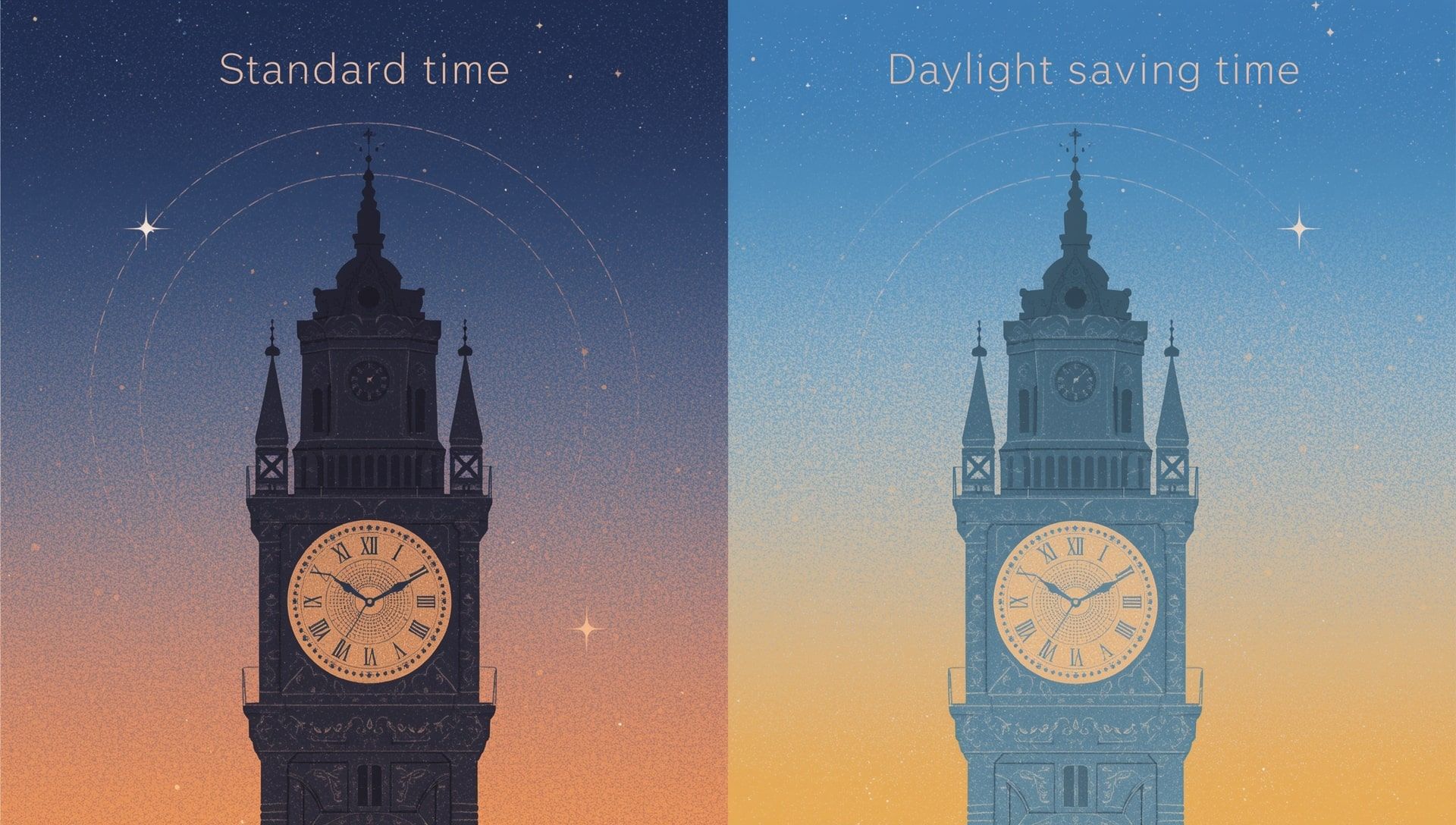
Sunrise and sunset will be about 1 hour later on 24 Sep 1983 than the day before. There will be more light in the evening.
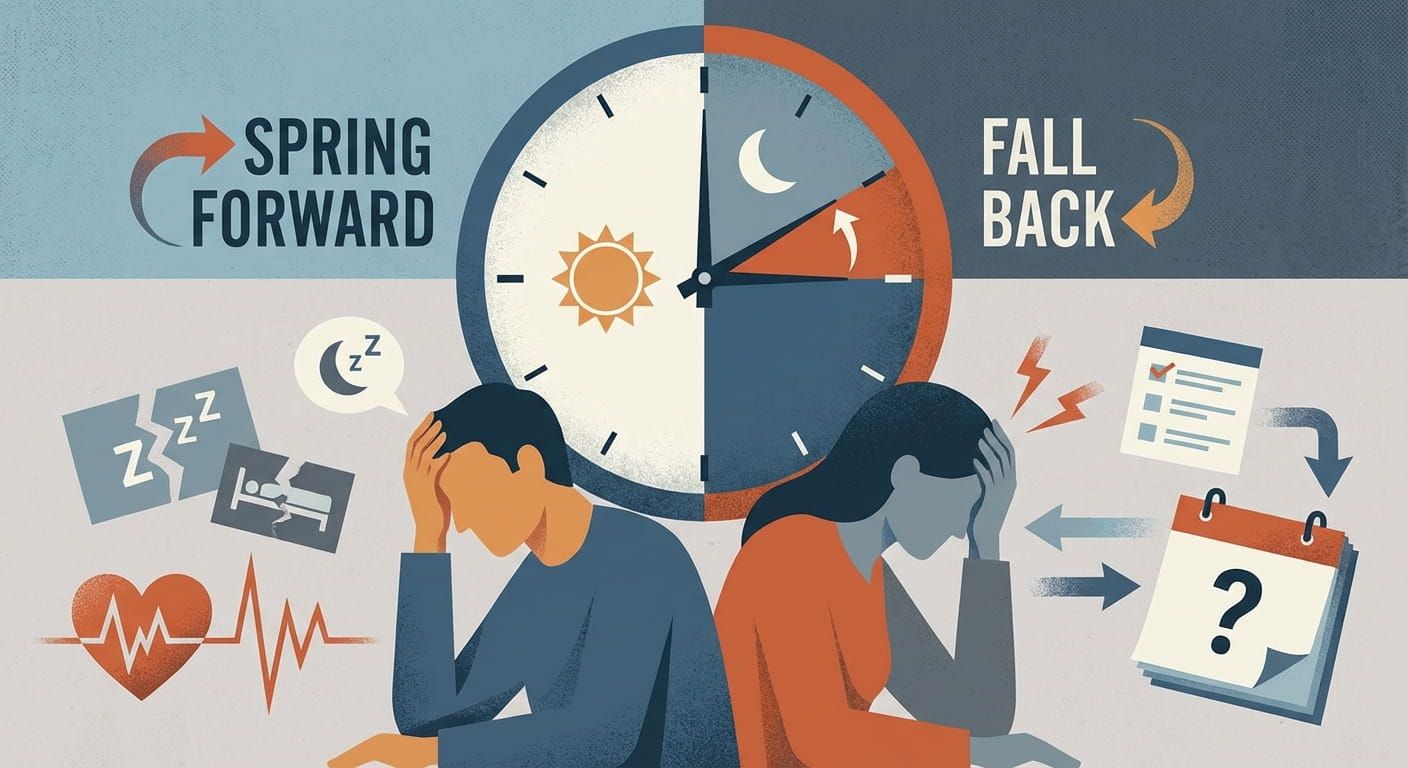
Also called Spring Forward.
DST Changes Summary for Falkland Islands
| Date | Year | Change | Time | Details |
|---|---|---|---|---|
| 18 Apr | 2010 | Back 1 hour | 01:59 ➜ 01:00 | Daylight Saving End |
| 5 Sep | 2010 | Forward 1 hour | 01:59 ➜ 03:00 | Daylight Saving Start |
Read More About Daylight Savings Time

Common Questions about Daylight Savings Time Changes in Falkland Islands
Does Falkland Islands use Daylight Saving Time in 1983?
Yes, Falkland Islands observes Daylight Saving Time during the 1983 calendar year. The country follows the practice of shifting clocks to better align waking hours with the available evening sunlight during the spring and summer months.
When do the clocks change next in Falkland Islands?
The next scheduled time transition in Falkland Islands will take place on Saturday, 24 September 1983. At 23:59 local time, clocks will be turned forward by 1 hour. This specific change marks the transition to daylight saving time starts.
Does all of Falkland Islands follow the same time change schedule?
Yes, Falkland Islands follows a single, unified schedule. Every region across the country transitions to and from Daylight Saving Time at the exact same moment, ensuring a consistent time standard nationwide.
How will the next transition affect the day in Falkland Islands?
Following the shift on 24 Sep 1983, you will notice that there is more light in the evening compared to the day before. While the transition may temporarily disrupt sleep patterns, the primary goal of this forward shift is to maximize usable daylight for the population.