Time zones shape the rhythm of our lives, quietly directing when we wake, work, and sleep. They determine when we connect across borders, how we measure our days, and how our bodies adjust after a long flight. This article travels across the global map of time, unpacking 25 fascinating facts that explain why our world ticks the way it does.
1. The World Runs on 24 Main Time Zones
There are 24 main time zones on Earth, one for each hour of the day. Yet the story does not end there. Countries sometimes bend or stretch these boundaries for convenience or politics. Check out the time zone map to see how unevenly the world has sliced time.
2. Time Zones Follow Politics More Than Geography
Many borders were drawn for political rather than geographical reasons. Some nations align with trading partners instead of the nearest meridian. You can see these strange alignments in time zone oddities and confusing borders that make our maps look chaotic.
3. UTC Is the Modern Standard
Coordinated Universal Time (UTC) anchors all time zones. Every local time is expressed as an offset from UTC. This standard replaced GMT, but the two terms are often used interchangeably. UTC gives the world a single heartbeat.
4. Some Places Have Half Hour or 45 Minute Offsets
Not all time zones follow whole hours. India is UTC+5:30, and Nepal uses UTC+5:45. These quirks come from historical compromises or geographic pride. Learn more in half hour and 45 minute time zones explained.
5. India Uses a Single Time Zone
Despite its width, India runs on one official time, Indian Standard Time (IST). This simplifies governance but means sunrise varies dramatically across regions. Learn more in why India uses one time zone.
6. There Are Over 38 Local Time Zones
While there are 24 main zones, local variations make the total closer to 38. Each is based on specific offsets and political decisions, proving that timekeeping is as much about people as physics.
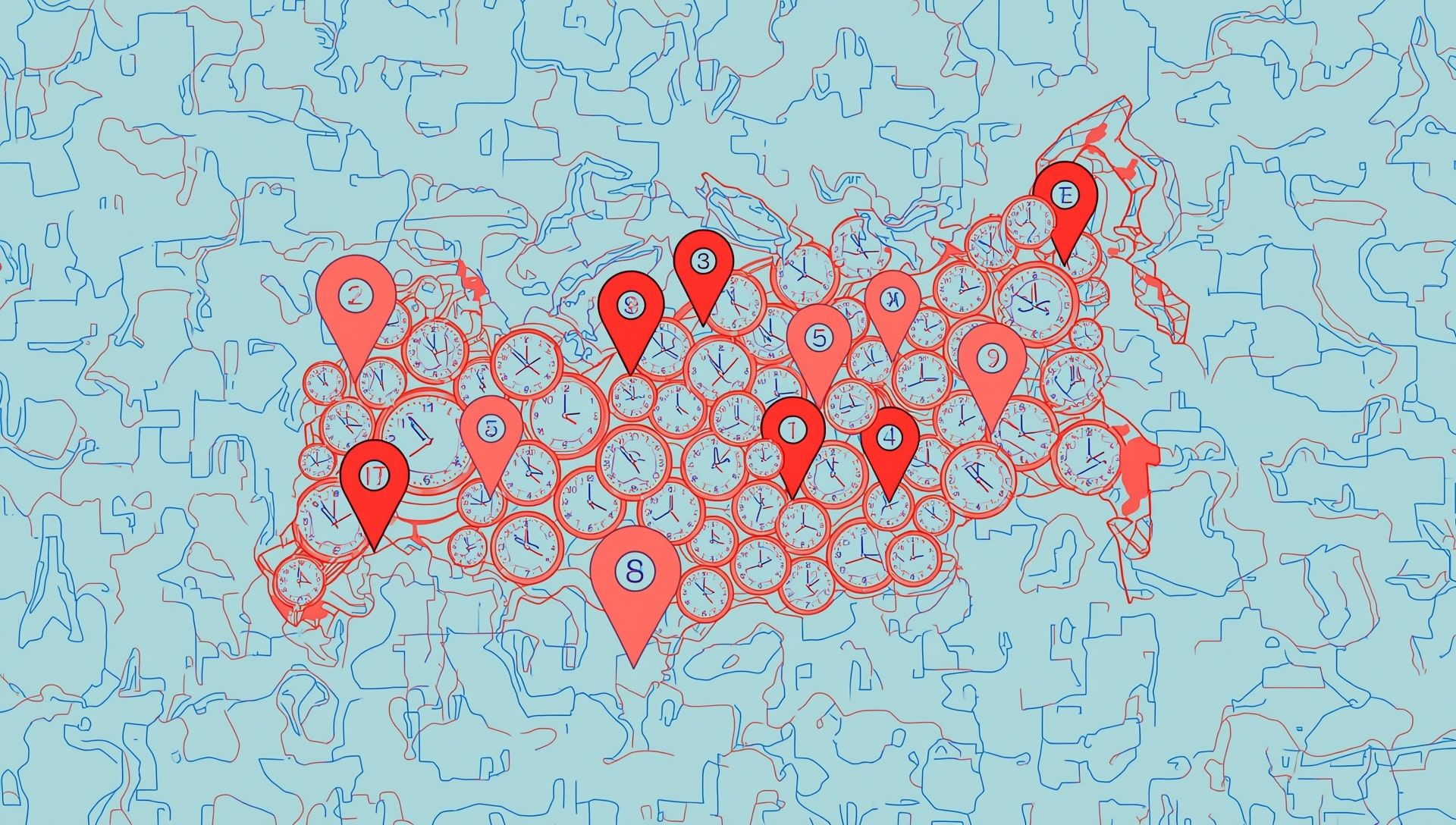
7. Time Zones Shift Over Time
Governments occasionally adjust their zones for economic or social reasons. Russia once reduced its number of zones, then restored some later. Time is never as fixed as we assume.
8. The International Date Line Creates a 24 Hour Jump
Located roughly along the 180° meridian, the International Date Line separates one calendar day from another. Crossing it eastward subtracts a day, while going west adds one. It is the ultimate time travel, no machine needed.
9. Daylight Saving Time Adds Extra Complexity
Some countries shift clocks forward or backward to save daylight. Others reject the idea entirely. This seasonal time juggling adds confusion for travelers and global businesses.
10. Time Zones and Jet Lag
Crossing several zones can disrupt our internal clock, causing jet lag. Simple strategies can help reduce the effects, as outlined in 10 tips to beat jet lag.
11. Kids Perceive Time Differently
Children often feel time moving slower because their brains process novelty differently. This fascinating concept is explored in do kids experience time differently?.
12. Time Zones Affect Stock Markets
Financial hubs like London, New York, and Tokyo operate across different windows. This staggered activity keeps global finance running nearly 24 hours a day.
13. Military Time Uses 24 Hours
The military avoids AM and PM confusion by using a 24 hour system. Learn how it works in military time made simple for beginners and understanding military time chart and UTC zones.
14. There Are Military Time Zones Too
Each time zone in the world has a corresponding military letter designation. “Z” represents UTC, often called “Zulu time.” Explore military time zones for details.
15. The Prime Meridian Starts in Greenwich
London’s Greenwich Observatory is the historic zero point for measuring time. Every time zone is measured east or west from there.
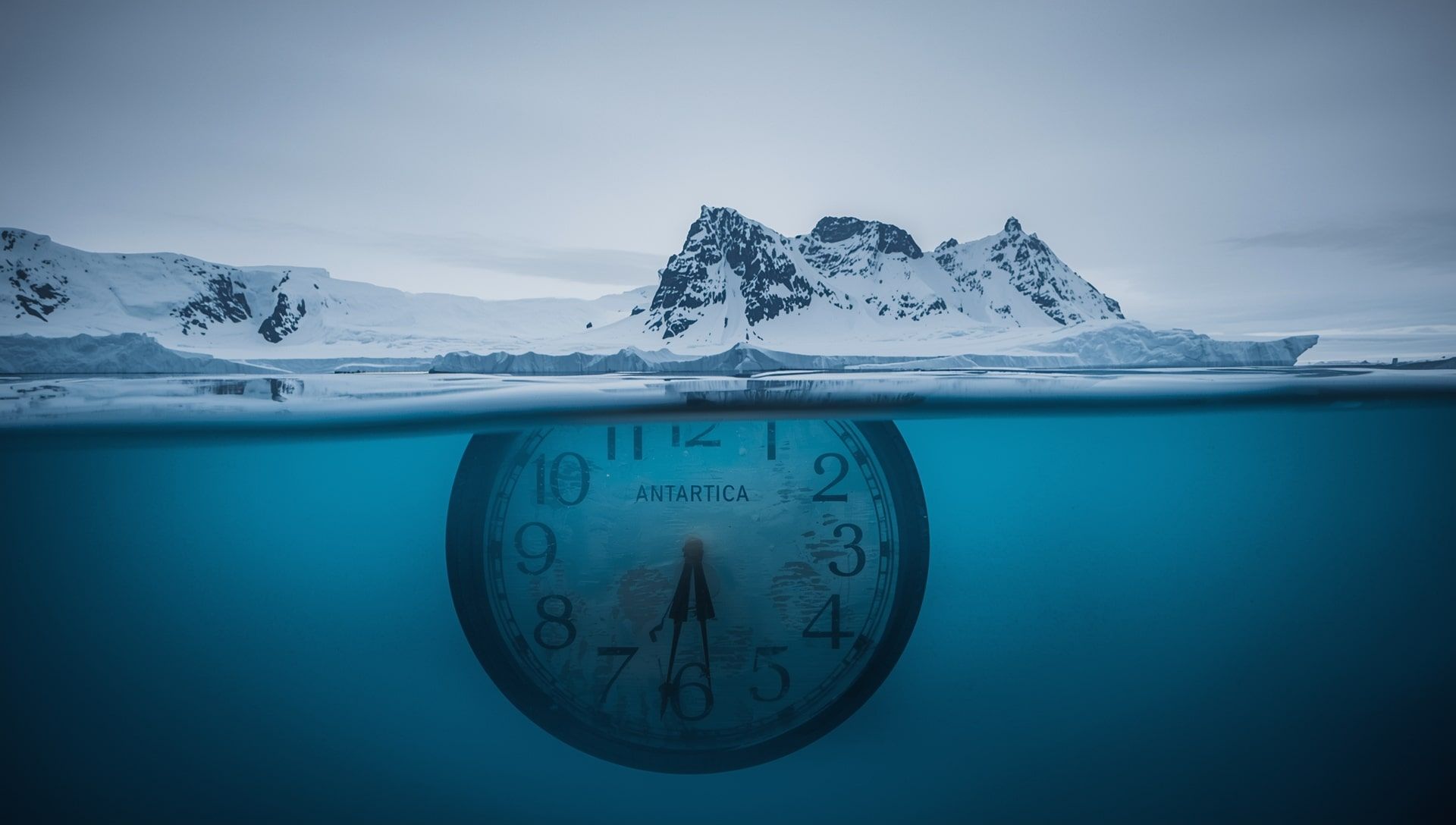
16. Antarctica Has Many Time Zones
There is no official time zone for Antarctica. Research stations use the time of their home country or the nation that supplies them. A dozen different times coexist on one icy continent.
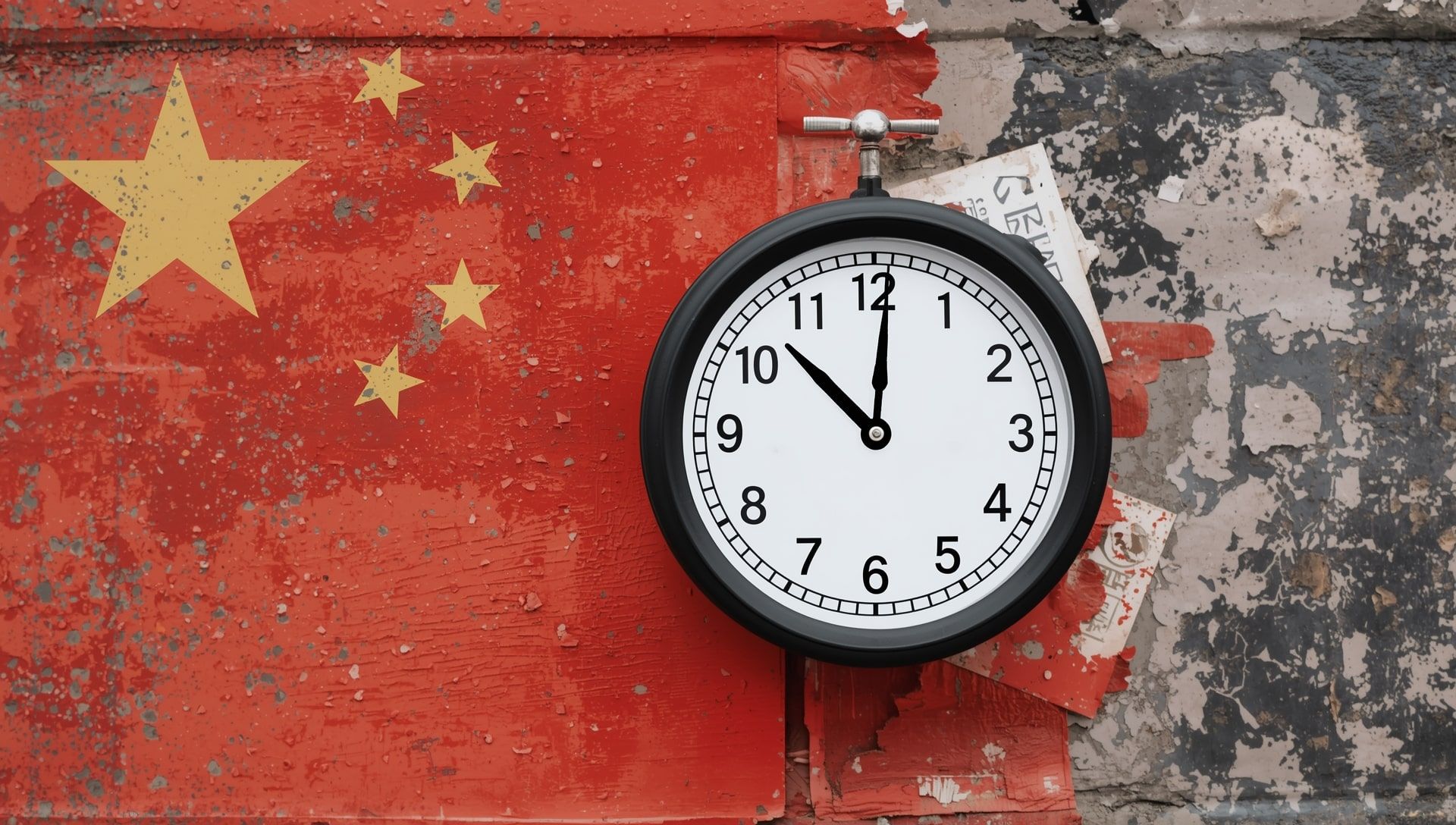
17. China Has Only One Time Zone
Despite spanning five geographical zones, China uses Beijing time nationwide. Western provinces experience late sunrises and sunsets as a result.
18. Some Countries Changed Time for Convenience
Spain once used Greenwich Mean Time but switched to align with Germany during World War II and never switched back. Portugal has alternated several times too.
19. Technology Keeps Time Synchronized
Networked devices like smartphones rely on internet time servers tied to atomic clocks, ensuring your digital clock never drifts far from accuracy.
20. Some Borders Split Cities by Time
In places like Baarle in Europe, one street may host neighbors living an hour apart due to different national zones.
21. International Flights Depend on Coordination
Airlines use UTC for schedules and air traffic control to avoid confusion. Passengers see local time, but pilots follow universal time.
22. Time Zone Converters Save Headaches
Coordinating meetings across continents? Use time zone converters to calculate differences automatically.
23. Some Countries Consider Permanent Daylight Saving
Several nations debate staying permanently on daylight saving time to make evenings brighter. It might reduce confusion but could disrupt sleep cycles.
24. Global Time Databases Are Constantly Updated
Governments often tweak time rules. The IANA time zone database tracks these updates so your devices display correct local times.
25. Time Connects Culture, History, and Science
From the invention of clocks to synchronized data, time zones show how deeply human cooperation runs. Explore a full list of regions at timezones.
Quick Comparison Table of Selected Time Zones
This table shows how times differ worldwide at the same moment.
Curious Highlights About Time Zones
- Time zones were first proposed in 1878 by Sir Sandford Fleming.
- Not all nations adopted them immediately; local solar time ruled for years.
- Air travel made time standardization vital for safety.
- Technology now adjusts changes automatically around the globe.
Five Fascinating Time Zone Facts
- North Korea has changed its time zone twice in a decade.
- Parts of Australia follow half hour differences for history’s sake.
- France controls more time zones than any nation due to its territories.
- The South Pole technically sits under every time zone on Earth.
- Some Pacific islands skipped a whole day when switching sides of the Date Line in 2011.
Helpful Tips for Managing Time Across Borders
Working globally can be tricky. Keep these ideas in mind:
- Use world clock widgets to monitor multiple cities.
- Plan meetings during overlapping work hours.
- Adjust slowly after travel to avoid fatigue.
- Use reliable time zone converters to prevent mistakes.
How Time Zones Reflect Humanity’s Need for Order
Time zones are more than lines on a map. They show how cultures organize life and coordinate across vast distances. From regional differences to global cooperation, they represent the balance between science and society. Each time zone tells a story of how humans synchronize with one another while keeping their own rhythm.