Antarctica sits at the bottom of the planet where daylight rules twist into extremes and the usual rhythm of sunrise and sunset loses meaning. The continent has no cities, no permanent population, and no single clock. Instead, researchers from the United States, New Zealand, France, Italy, Chile, and China bring their own time practices to a land where every time zone technically meets at one point. The result is a fascinating patchwork of clocks that keep Antarctica running.
Summary
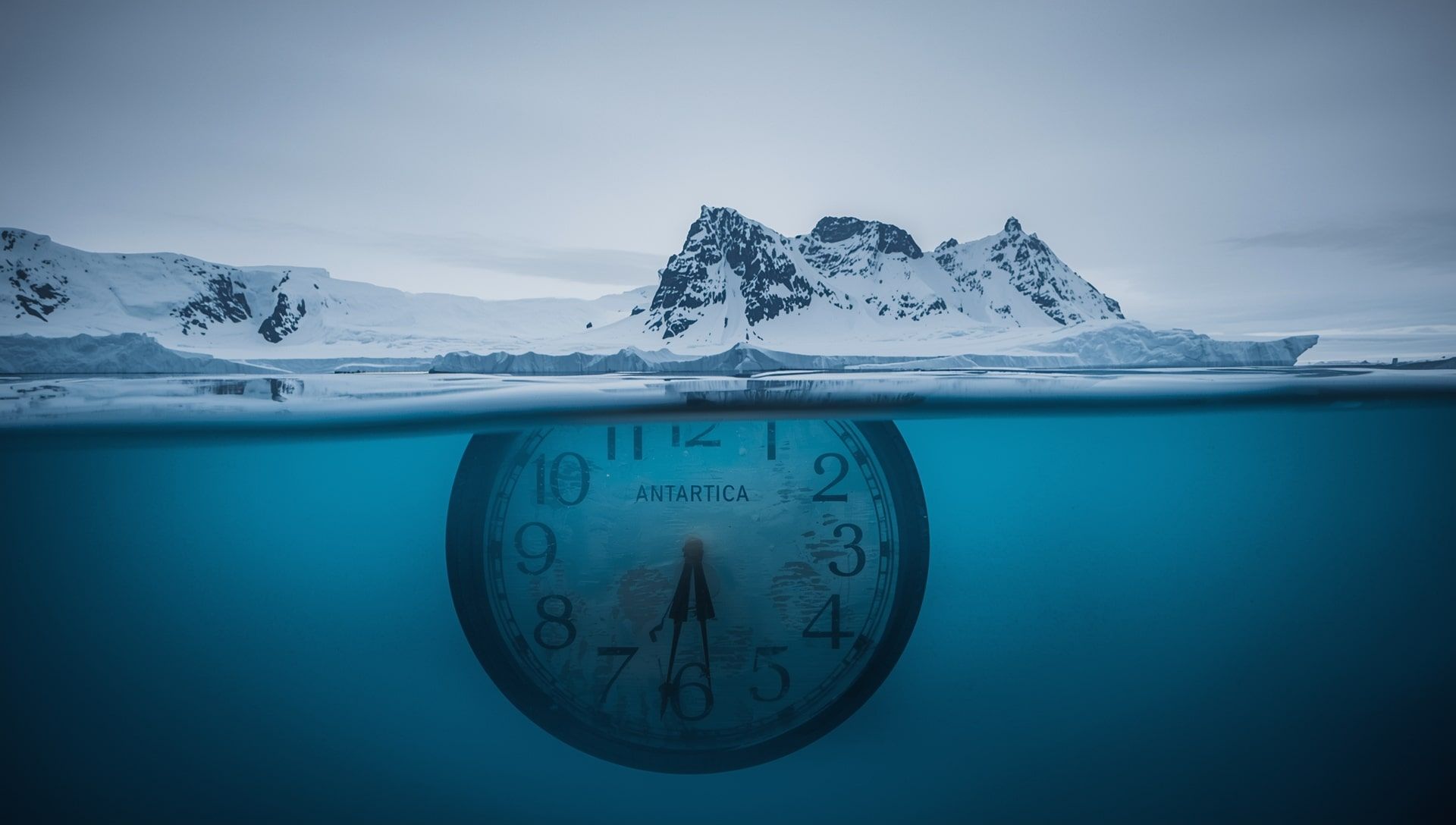
Antarctica does not use one official time zone. Each research station follows the time of the country that runs it or the time zone connected to supply routes. This leads to many time zones existing side by side at the bottom of the world.
Why Antarctica Has No Official Time Zone
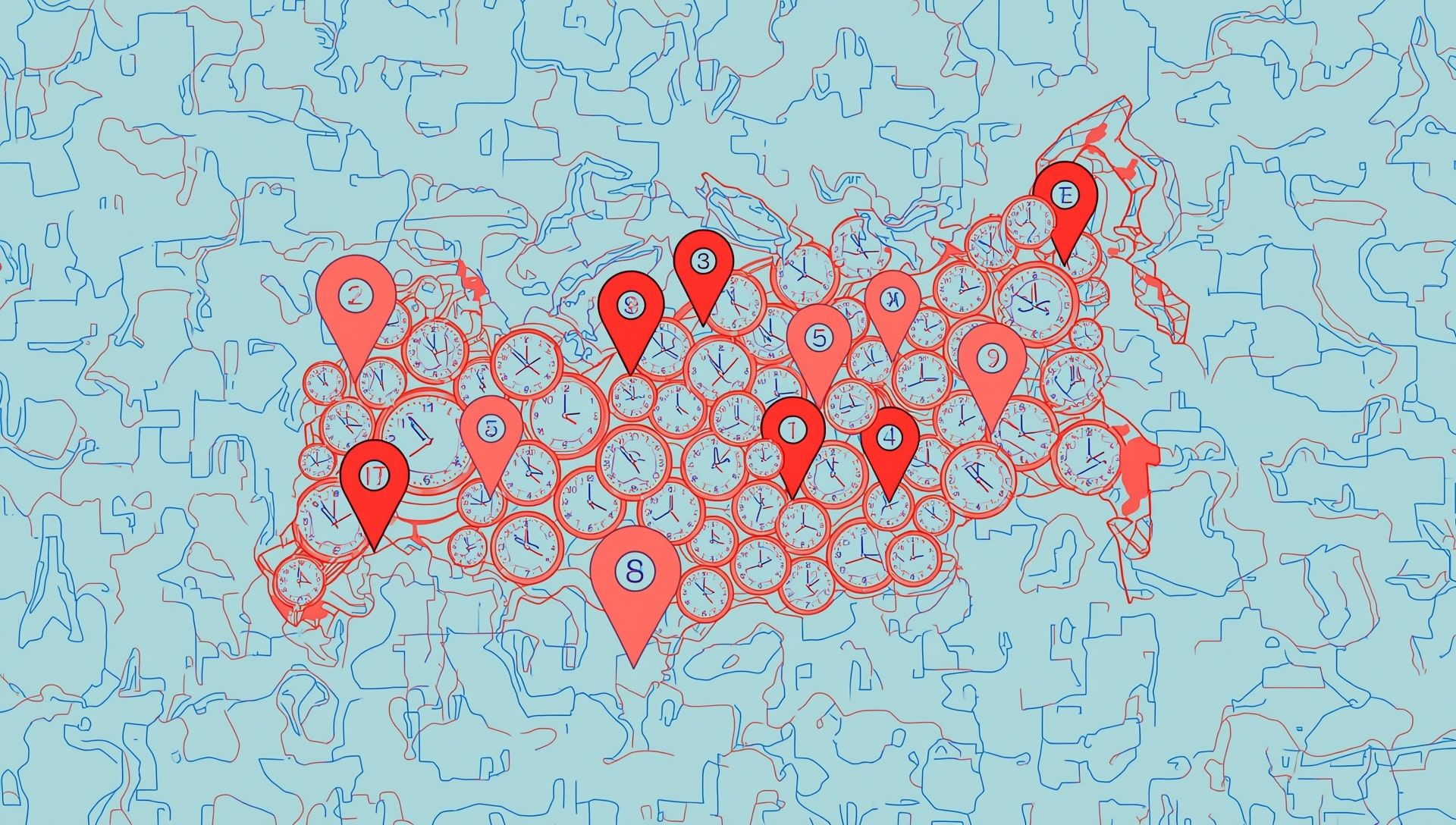
Most countries rely on sunrise and sunset to determine suitable time zones. Antarctica breaks that pattern entirely. During the height of summer, sunlight never disappears. During winter, darkness stretches endlessly. At the South Pole, every line of longitude connects, which means all global time zones converge. You can see this visually on the world time zone map.
With no natural cue for local time, each station simply chooses the zone that works best. Flights, resupply ships, and communication schedules all influence the choice.
How Research Stations Choose Their Time
Since there is no national authority in Antarctica, each base operates independently. Stations follow the needs of their teams, their home countries, and their logistical partners. Some keep the same time year round while others adopt seasonal changes.
Examples of How Stations Set Their Clocks
Here are common approaches used across Antarctica:
- McMurdo Station keeps New Zealand linked time by using NZST or NZDT.
- Palmer Station follows Chilean time to match its supply routes.
- Amundsen Scott South Pole Station matches McMurdo for easier coordination.
- Concordia Station uses European based time to align operations with France and Italy.
A complete global directory of offsets is available in the time zone index. Antarctica is unique because many of these zones operate in one place at the same time.
When Sunrise and Sunset Do Not Matter
Daily life in Antarctica depends on structure rather than sunlight. Months of brightness in summer require blackout curtains just to sleep. Winter brings long stretches of darkness that require bright indoor lighting to stay alert. Without sunrise and sunset to guide them, researchers follow strict schedules for meals, rest, and science.
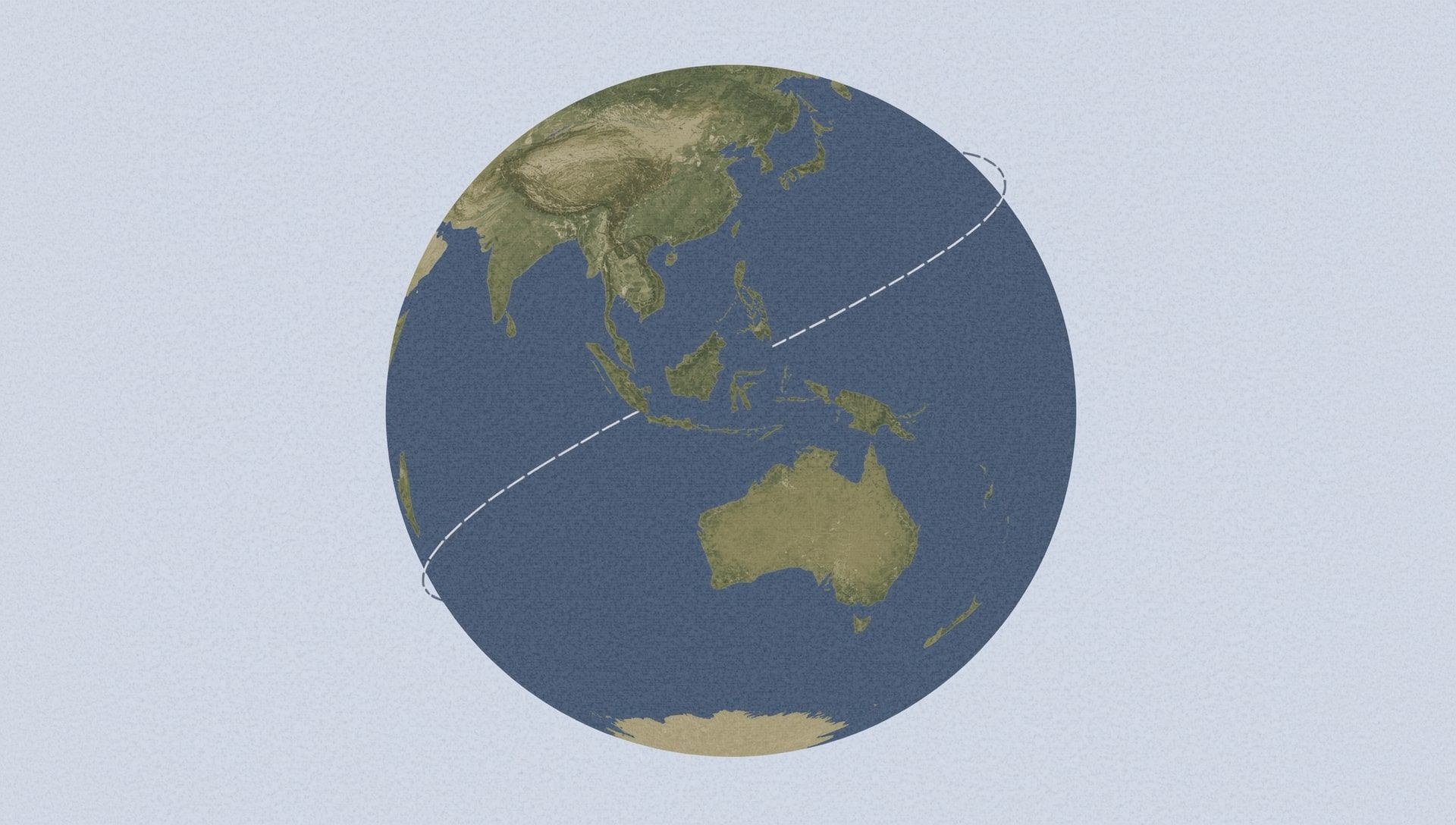
The International Date Line makes unusual bends in the Pacific. These bends influence polar travel routes. A deeper explanation appears in the guide on why the line is not straight.
Travel to Antarctica and Time Zone Adjustments
Most visitors reach Antarctica through New Zealand or Chile. Those arriving through New Zealand often adjust to offsets like AEST or similar Pacific zones during travel. Long flights create clock changes that may lead to jet lag, which is why many travelers read advice such as tips for managing jet lag.
Everyday Life in a Land With Many Clocks
Living on a continent with no standard time creates interesting challenges:
- Researchers schedule calls with family in many regions from the United States, New Zealand, France, Italy, Chile, and China, often at unusual hours.
- Stations hold consistent mealtimes even when sunlight never changes.
- Seasonal supply flights dictate working hours during peak operations.
- Communities rely on strong personal routines to stay grounded during months of darkness.
Seeing Antarctica Through Global Time
Understanding Antarctica’s flexible timekeeping helps make global offsets more relatable. For example, China follows a single national offset, China Standard Time, which is linked to UTC plus 8. The United Kingdom uses GMT, which is equal to UTC plus 0. Australia spans several zones including options connected to UTC plus 10 or UTC plus 8. Antarctica simply borrows whichever of these systems fits best for each station.
Antarctica, A Continent With a Flexible Clock
Antarctica treats time differently from anywhere else on Earth. Instead of one unified clock, each research base chooses the time zone that keeps life running smoothly. Whether teams celebrate a holiday early to match home or coordinate experiments with partners across the world, Antarctica proves that time is a human tool shaped by need.
Even in the world’s harshest environment, timekeeping adapts. The continent’s many clocks show how flexible and creative people can be when nature offers no guidance at all.