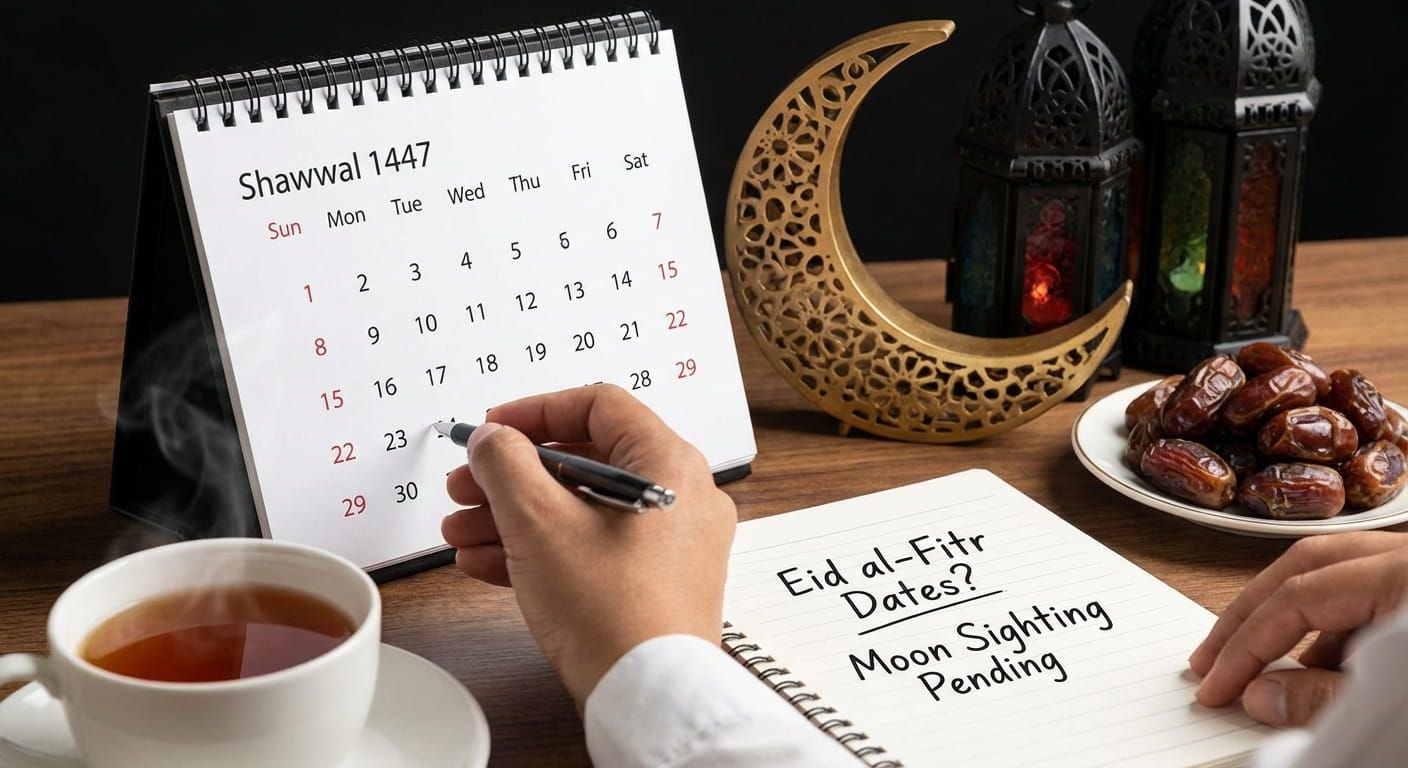
A single crescent can place Muslims in different dates at the same moment. In one city, the new month has begun after sunset. In another, people are still finishing the old month. That split is not a mistake. It grows from two forces that shape daily life across the Muslim world, local moon sighting and local clock time. Once both are understood, the Islamic calendar stops looking inconsistent and starts looking deeply human.
Key takeaway
Islamic dates can differ from country to country because many communities begin a month only after seeing or confirming the new crescent, and that confirmation happens at different local times. A sunset in Rabat is not the same clock moment as a sunset in Jakarta. Add weather, horizon conditions, official religious rulings, and time zones, and one Hijri date can stretch across more than one civil date worldwide.
A Calendar Built Around Observation
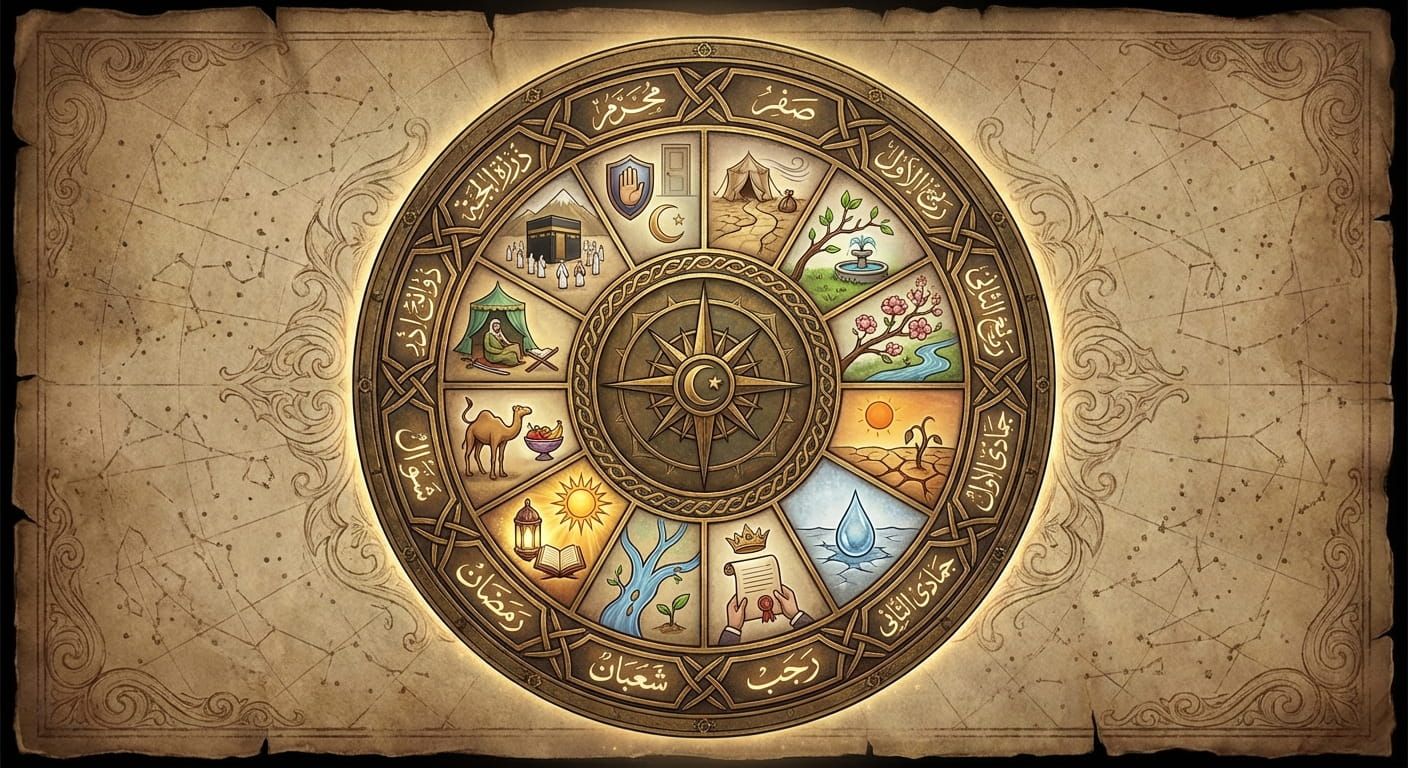
The Islamic calendar is lunar. Each month begins with a new crescent, often called the hilal. A lunar month is about 29 or 30 days long. That keeps the Hijri year shorter than the Gregorian year by roughly 10 to 11 days. Anyone reading an Islamic Hijri calendar guide sees that this system follows the sky rather than a fixed seasonal cycle.
That lunar basis is the heart of the difference. The new month is not simply stamped onto every country at midnight. It is tied to a visible or verified event, then announced through local religious authorities, astronomical councils, or national committees. Some states rely mainly on actual sighting. Others accept calculations to support or confirm the sighting process. Some combine both.
Quote to hold onto: The Islamic date begins at sunset, not at midnight. That single fact explains many moments that seem confusing at first glance.
Check Your Timing Sense
Try these three questions. They focus on the main reason Islamic dates can diverge across borders.
How One Evening Becomes Two Dates
Think about sunset moving west across the globe. Jakarta reaches sunset long before Cairo. Cairo reaches sunset long before Rabat. If a religious body waits until local sunset to observe the crescent, then each region is dealing with a different sky at a different clock moment. That alone can place communities on separate Hijri dates for several hours, sometimes for a full day.
Weather also matters. A crescent may be visible in one place and hidden by clouds in another. A nation may accept a verified report from within its borders only. Another may accept reports from a wider region. A third may rely on a central authority. This is why people in neighboring countries can hear different announcements even while following the same faith.
Where The Differences Show Up Most Clearly
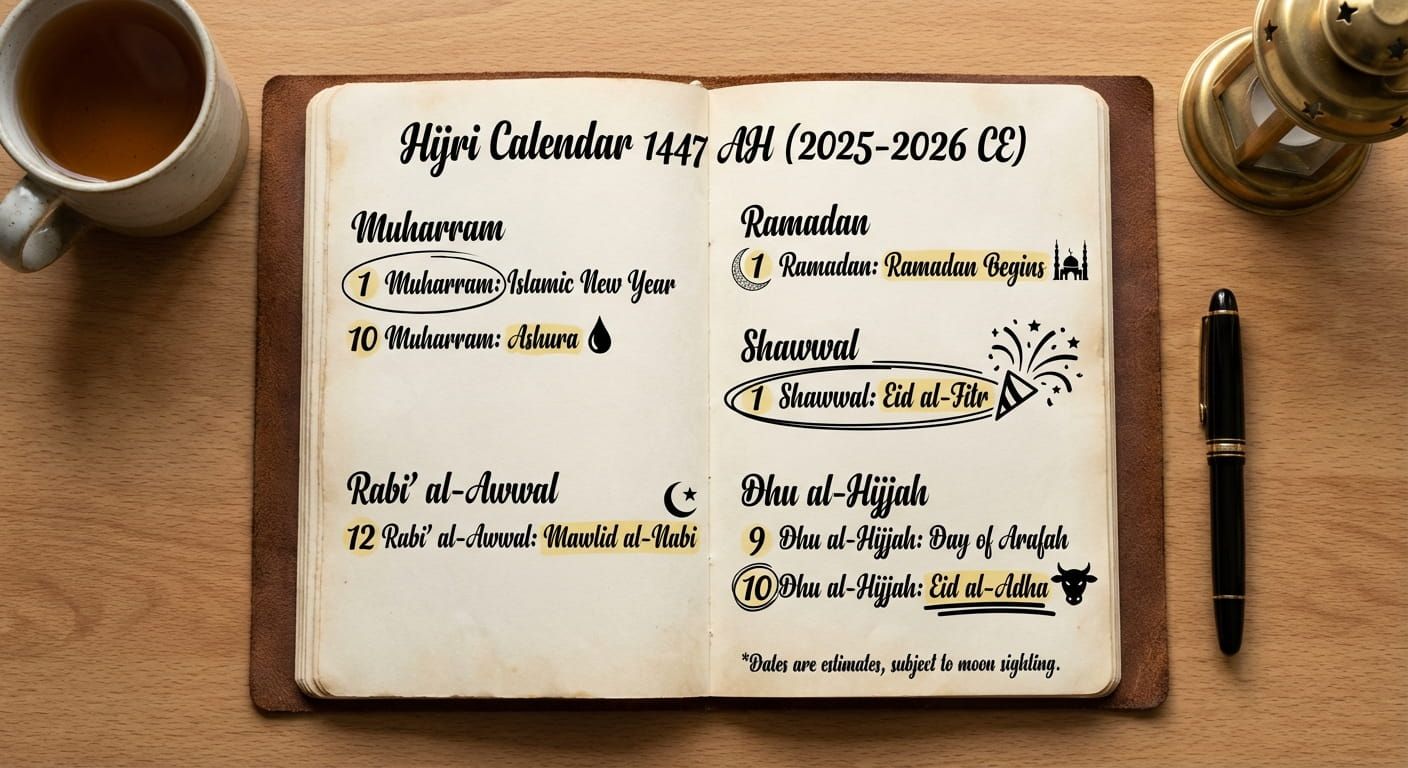
The variation becomes most visible around Ramadan, Eid al Fitr, Eid al Adha, and the start of Muharram. These are moments people plan around, pray around, travel around, and speak about with family overseas. That human layer makes the date difference feel larger than it is.
- Ramadan starts after official month confirmation, which can differ by location.
- Eid al Fitr depends on the end of Ramadan, which depends on the next crescent.
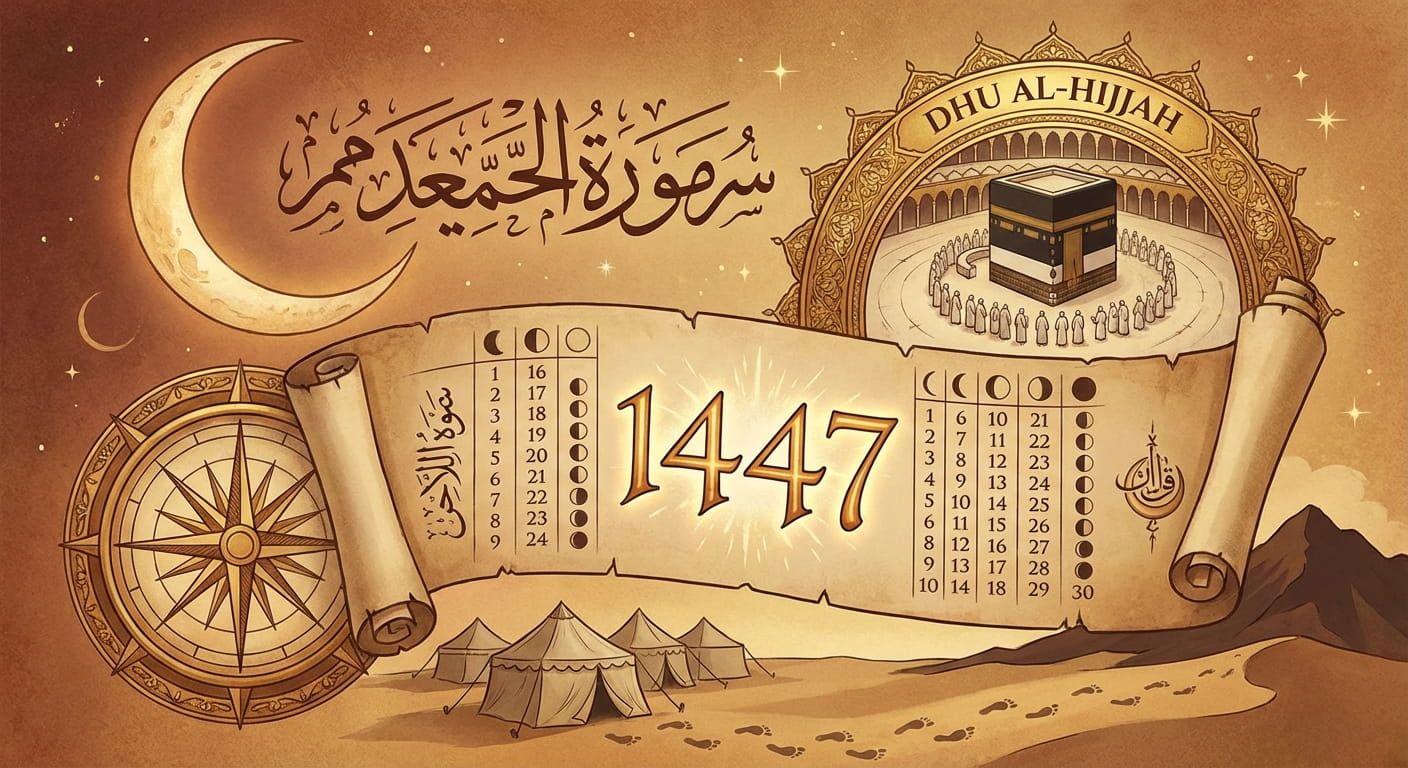
- Dhu al Hijjah affects Hajj timing and Eid al Adha observance worldwide.
- Muharram begins the Hijri new year, and communities often notice a date shift more clearly then.
Anyone tracking major observances can compare local announcements with key Islamic dates and holidays. That helps readers see the expected season of an event, even while the exact start in their city still depends on local confirmation.
Useful reminder: A one day difference does not mean the calendar failed. It means the calendar is still tied to place, observation, and communal authority.
Country Practice Across The Muslim World
Country practice is easier to understand when paired with local time. During a major Hijri transition, sunset in Riyadh and sunset in Kuala Lumpur are not occurring at the same global instant. Reading Saudi Arabia time beside Malaysia time shows why an announcement in one place may arrive before another place has even reached sunset.
The same pattern appears across wider distances. Indonesia time runs far ahead of much of the Middle East and Africa. Pakistan time sits between those regions, which often makes it a useful midpoint for comparison.
- Westward locations reach sunset later.
- Moon visibility can change with latitude, weather, and horizon clarity.
- Official announcements follow national or regional processes.
- Families in different countries may celebrate on adjacent days without either side being wrong.
Looking farther west, Egypt time, Türkiye time, and Iran time can each frame the same lunar event differently in public life, because government practice, religious institutions, and public communication are not identical. Add West Africa into the picture and Nigeria time makes the global spread even clearer.
Why Time Zones Matter More Than Many People Expect
Time zones do not determine the Hijri month by themselves, yet they shape how news of the month travels. A country in Southeast Asia may complete its sunset observation while many families in North Africa are still in the afternoon. By the time a sighting result is shared online, other places may still be waiting for their own local horizon. That gap creates understandable confusion in a world used to instant updates.
This is one reason global Muslim communities often ask two separate questions. Has the crescent been seen anywhere? And what has my local authority decided? Those are not identical questions. One is about information. The other is about practice.
For diaspora families, the issue can feel personal. Parents may follow one country. Relatives abroad may follow another. Mosques in the same city may align with different authorities. The result is not chaos. It is a calendar living inside real communities, with history, trust, and local religious structure shaping each decision.
Reading Global Hijri Dates With Less Friction
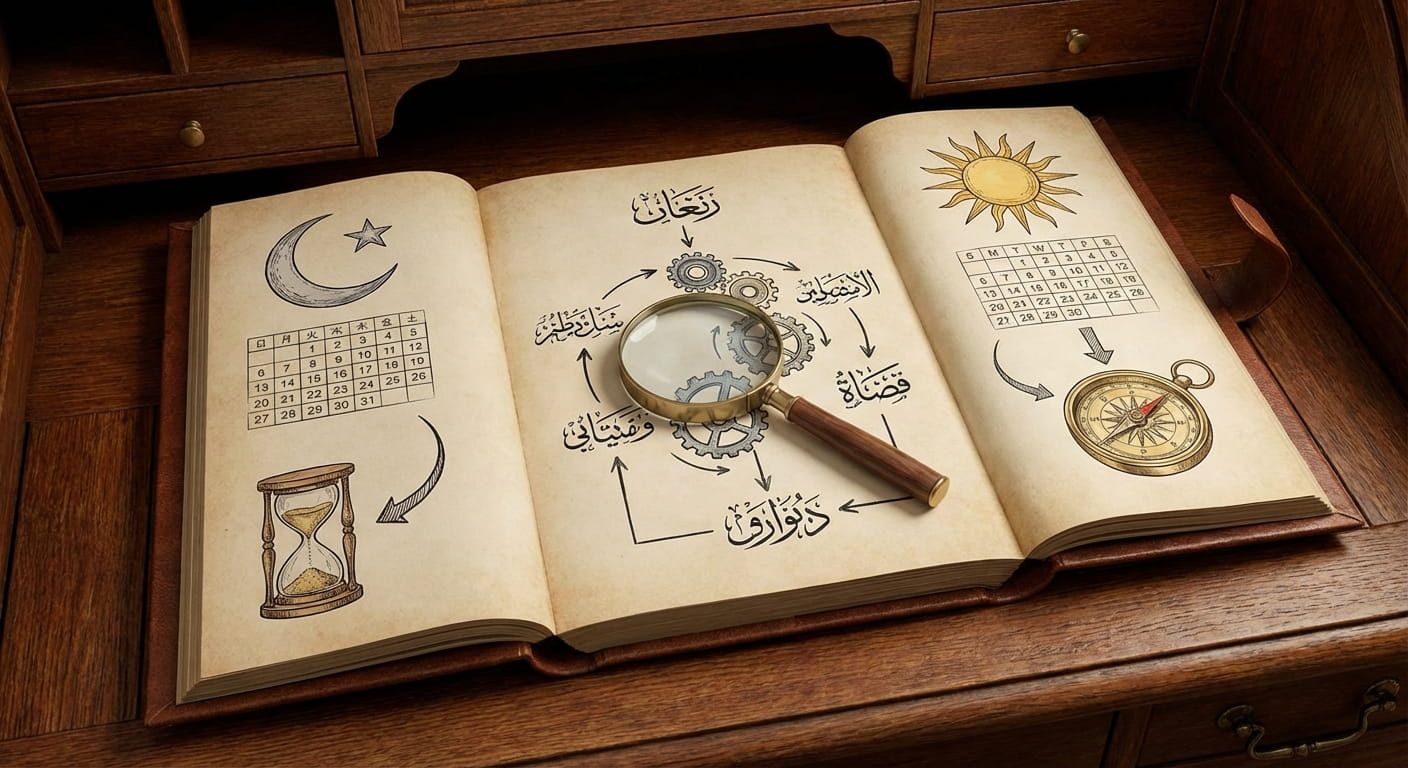
A calmer way to read the Islamic calendar is to think in layers. The first layer is the lunar month itself. The second is local sunset. The third is moon visibility. The fourth is the authority that announces the result. Once these layers are kept in mind, differing dates make sense without forcing a single rigid pattern onto every place.
That approach helps during travel too. A person may depart one country on the last evening of Sha ban and land in another where Ramadan has already begun. Another traveler may leave a city that has declared Eid and arrive somewhere still fasting for one more day. These moments are unusual only if the calendar is expected to move like a fixed civil grid. The Hijri system was never built that way.
One Moon, Many Evenings, Shared Meaning
Global Islamic date and time differences come from a simple truth, the Muslim world does not enter sunset at once, and it does not always verify the crescent through one identical method. That can place countries on adjacent Hijri dates while they remain fully grounded in the same lunar tradition.
The more closely people connect moon sighting with local time, the easier the pattern becomes to read. A date difference is not a break in unity. It is the visible mark of geography, sky conditions, and community practice moving together under one calendar.