Dhu al Hijjah carries a special feeling. The year is closing, hearts turn toward Makkah, and the days ahead hold some of the most loved acts of worship in Islam. This month gathers pilgrimage, sacrifice, prayer, remembrance, and gratitude in one sacred stretch of time. For anyone planning worship, following Hajj, or preparing for Eid al Adha, knowing the 1447 calendar helps turn these days into a lived rhythm instead of a date on a page.
Summary
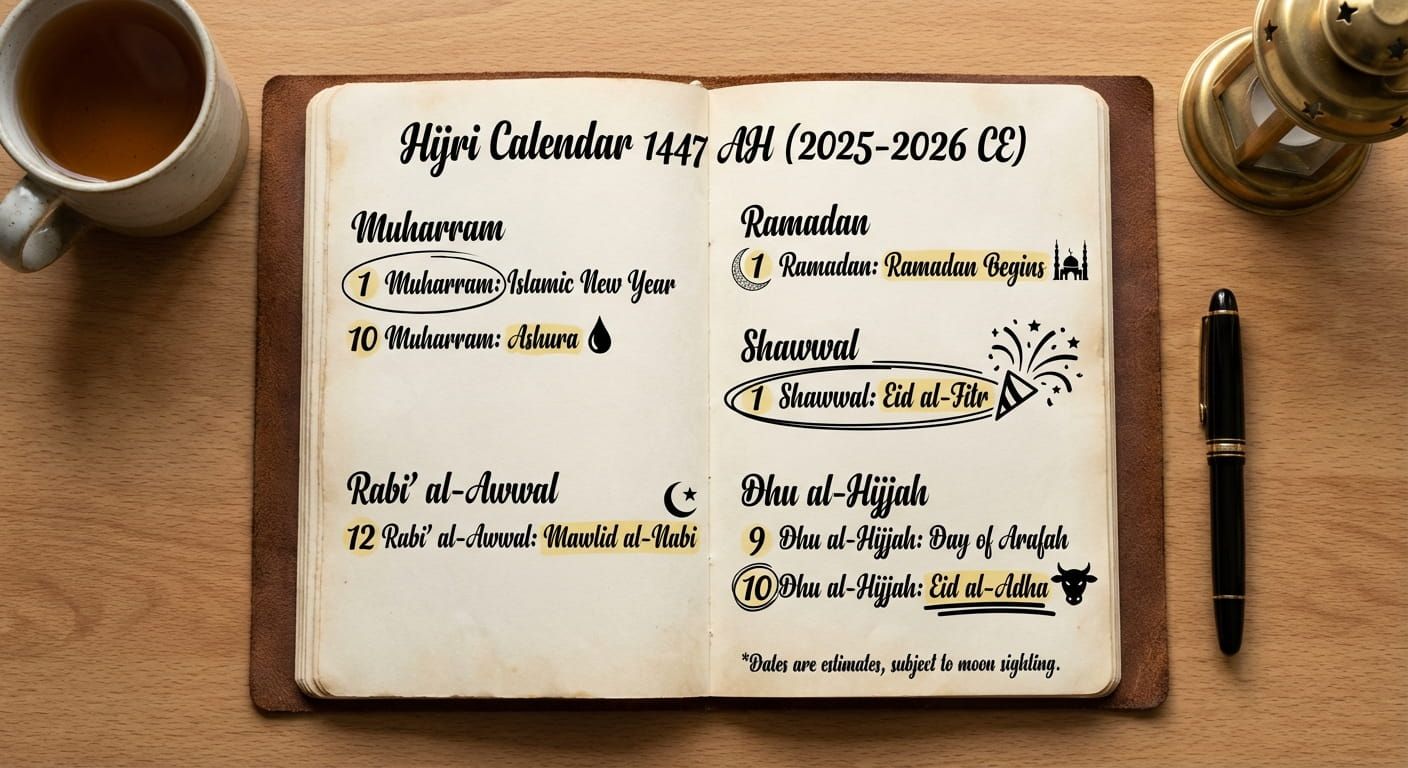
Dhu al Hijjah 1447 is expected to begin around 18 May 2026 in Saudi Arabia, with Hajj starting on 25 May, the Day of Arafah on 26 May, and Eid al Adha on 27 May. Exact dates depend on moon sighting. These first ten days are among the most treasured in the Islamic year, joining worship at home with the Hajj journey in Makkah.
Test Your Calendar Sense
A small check in before the full guide. Pick your answers and see how the month fits together.
Where Dhu al Hijjah Stands In The Hijri Year
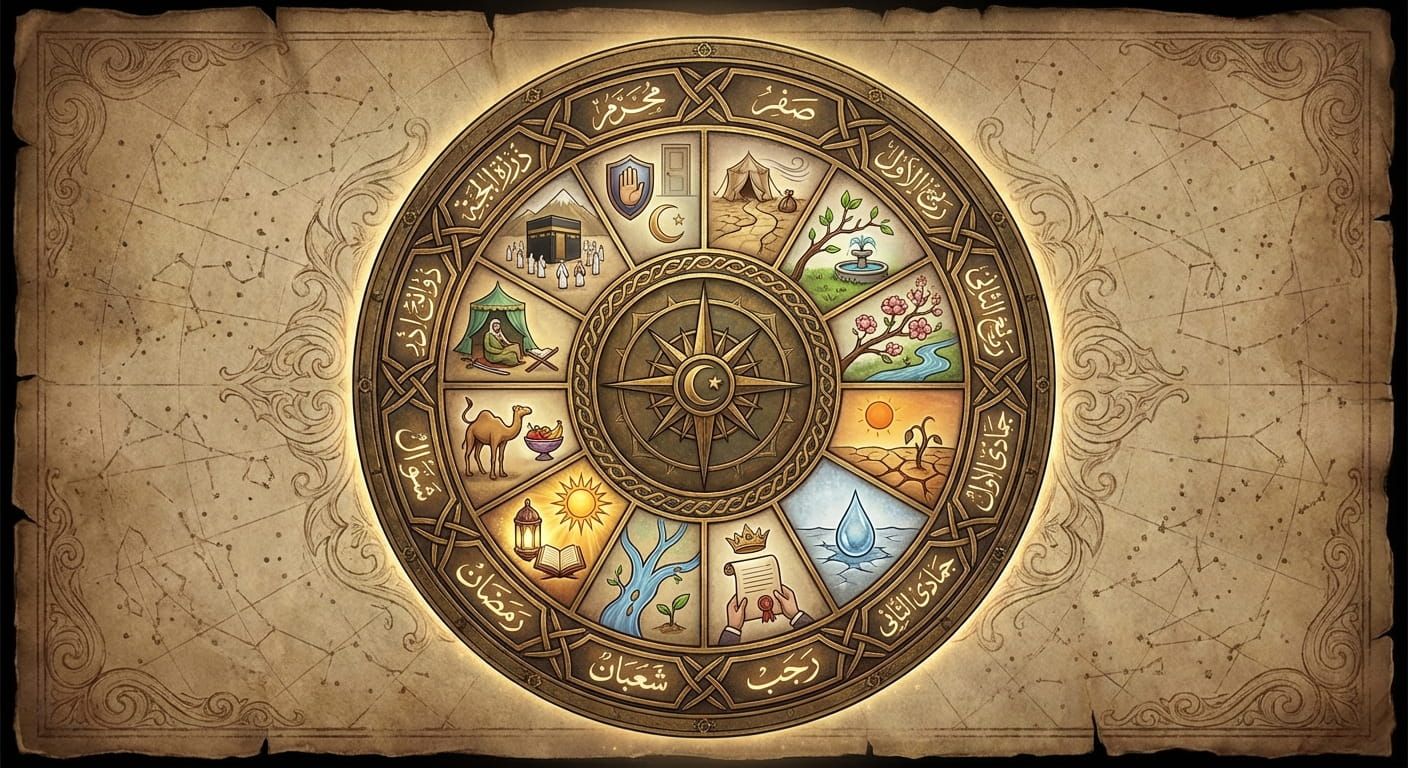
Dhu al Hijjah is the twelfth and final month of the Hijri calendar. It arrives after Dhu al Qidah and closes the year with worship that touches both body and soul. The month is sacred, and its place in the calendar gives it a special weight. If you want a full view of how this month fits into the cycle of the year, the overview of 12 Islamic months meanings gives useful background, while Dhu al Qidah 1447H helps connect the month that comes right before it.
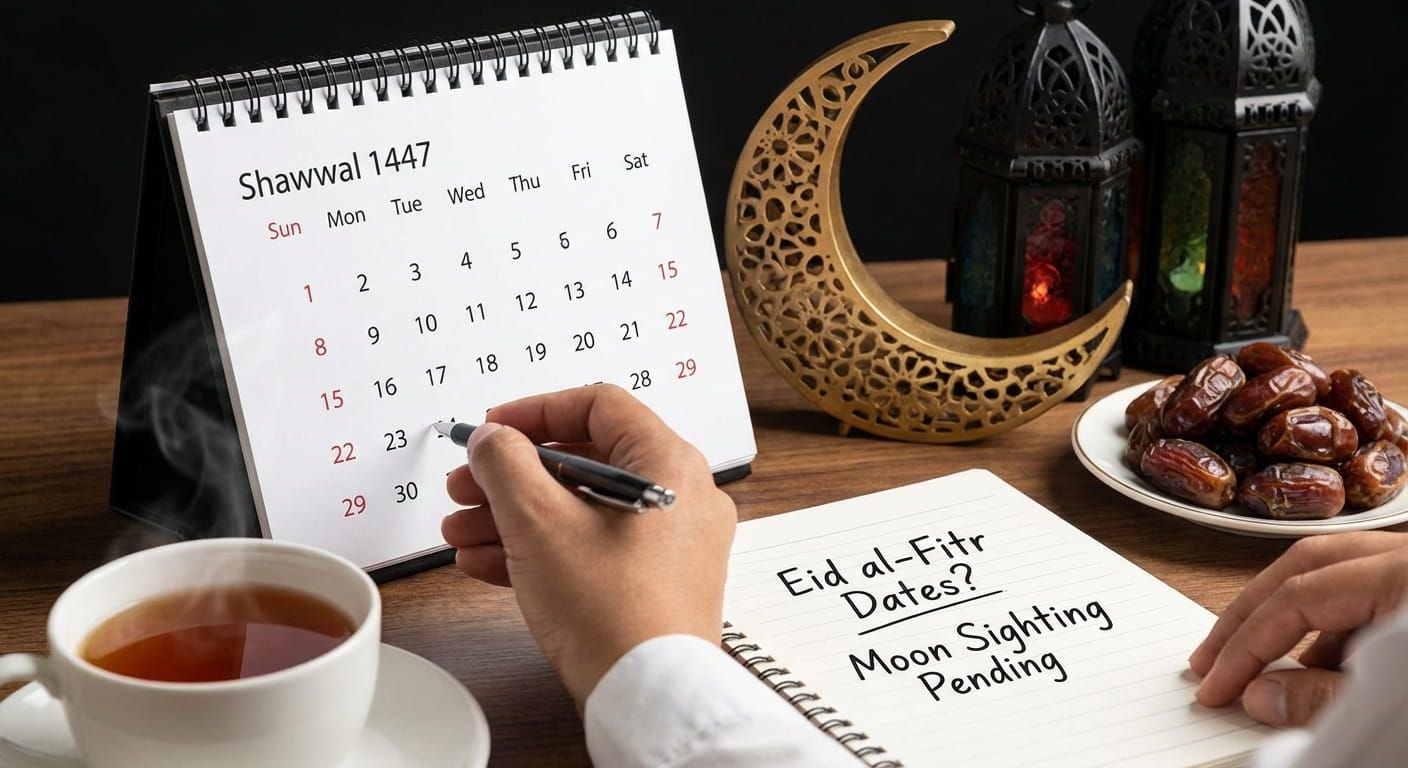
For 1447H, Dhu al Hijjah is expected to begin around 18 May 2026 in Saudi Arabia. Because the Islamic calendar follows lunar sighting, the final confirmation comes with the crescent moon. That means your local community may differ by a day. Keeping an eye on Dhu al Hijjah 1447H is useful if you want the month laid out in a monthly format.
A reminder worth keeping close: sacred months are not only about dates. They shape conduct. The calendar matters because it points the heart toward restraint, worship, and awareness of time as a trust.
The Expected Hajj Timeline For 1447
Hajj unfolds across specific days of Dhu al Hijjah. Pilgrims move through rites that connect Ibrahim, Hajar, Ismail, and the legacy of submission. For people following from home, knowing this sequence gives deeper meaning to every update from Makkah.
These dates are usually tracked closely in Makkah and across the Muslim world. If you want the broader season in one place, Hajj and Eid al Adha key dates helps frame the main landmarks of the period.
What Happens During The First Ten Days
The first ten days of Dhu al Hijjah are precious for pilgrims and non pilgrims alike. Many Muslims increase prayer, Quran recitation, charity, dhikr, and repentance. The spiritual energy of the month is not limited to those in Makkah. Homes, mosques, and local communities also feel its pull.
- Days 1 to 7 bring preparation, intention, and a steady rise in worship.
- Day 8 marks the formal beginning of Hajj rites in Mina.
- Day 9 is the Day of Arafah, the most intense point of the pilgrimage.
- Day 10 opens Eid al Adha and the rites of sacrifice and celebration.
- Days 11 to 13 continue the remembrance of Allah during the Days of Tashriq.
This sequence matters because it lets families plan worship with purpose. A person who knows the flow of these days is more likely to fast on Arafah, prepare for Eid prayer, and make room for extra remembrance across the whole period.
The Day Of Arafah And Why It Touches Everyone
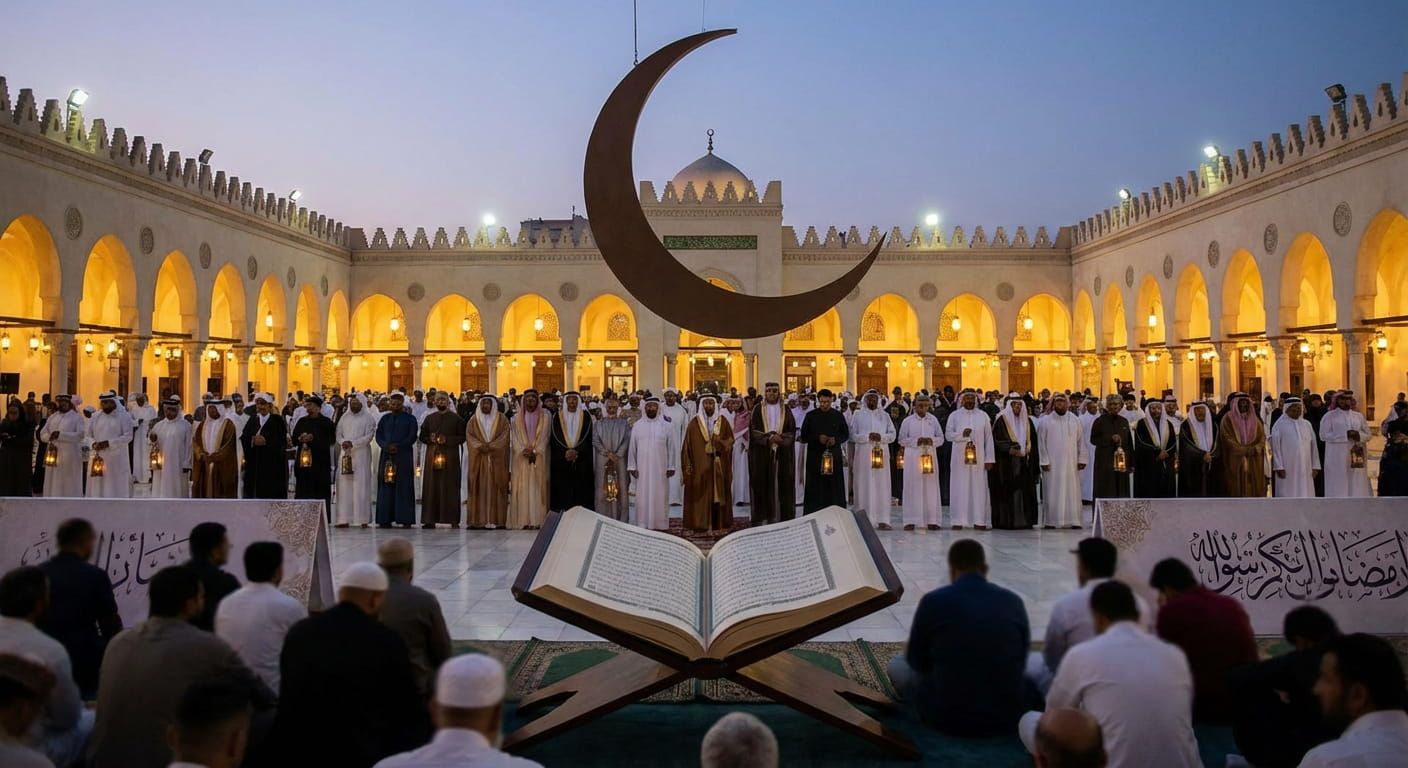
On 9 Dhu al Hijjah, pilgrims stand at Arafah in the central rite of Hajj. This day carries deep humility, prayer, and hope for mercy. For Muslims not on pilgrimage, fasting on this day is beloved and widely observed. It joins those at home with those on Hajj in a shared moment of devotion.
- It is the emotional peak of the Hajj journey.
- It is often one of the most anticipated fasts of the year for non pilgrims.
- It is a day filled with dua, repentance, and remembrance.
- It prepares the heart for Eid al Adha with sincerity instead of routine.
Because moon sighting affects the exact date, people often monitor local announcements and Saudi Arabia time during this period, especially if they want to follow updates tied to Makkah in real time.
Eid Al Adha In The Flow Of The Month
Eid al Adha begins on 10 Dhu al Hijjah. It is not separate from Hajj. It rises directly out of it. Pilgrims continue major rites, while Muslims around the world gather for prayer, give Qurbani where applicable, share meals, visit family, and give to those in need. The day carries joy, though its roots are in sacrifice, obedience, and trust in Allah.
That link between Hajj and Eid gives the day its depth. It is festive, yet serious. Warm, yet reflective. The prayer in the morning and the sacrifice that follows are tied to a much larger story than a holiday routine.
Helpful rhythm for families: follow the first crescent announcement, map the first ten days on a calendar, note the expected Day of Arafah, prepare Eid clothes and prayer plans early, and keep one margin for local moon sighting changes.
A Simple Way To Read The Calendar Without Confusion
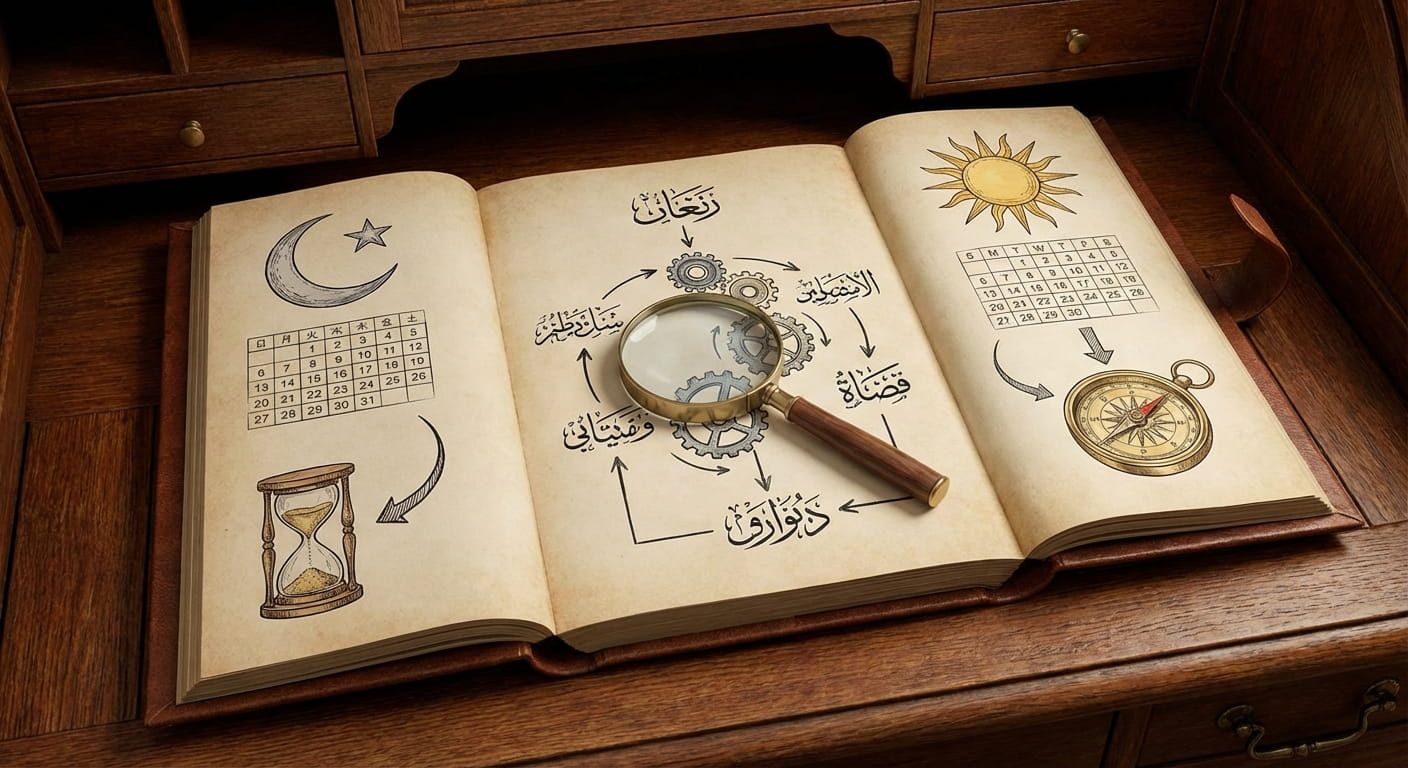
Many people feel unsure each year because Gregorian dates shift. That is normal. The Hijri calendar is lunar, which means Dhu al Hijjah moves earlier through the solar year over time. A date that falls in early June one year can appear in late May the next. That movement is part of the living nature of the calendar.
A calm way to follow the month is to keep three reference points in mind:
- the expected start of Dhu al Hijjah
- 9 Dhu al Hijjah for Arafah
- 10 Dhu al Hijjah for Eid al Adha
Anyone who wants the broader framework of the year can also read Islamic calendar key dates 1447 and Islamic Hijri calendar guide for added context on how months and major occasions connect.
Carrying The Sacred Days Into The New Year Ahead
Dhu al Hijjah 1447 is more than the last month of a calendar. It is a closing chapter filled with worship, memory, and hope. It gathers the first ten days, the Hajj journey, the standing at Arafah, and the joy of Eid al Adha into one sacred frame. If the expected 2026 dates hold in Saudi Arabia, the key days center around 18 May for the month’s start, 26 May for Arafah, and 27 May for Eid. Still, the moon remains the final witness.
Following this month with care changes how it feels. The dates stop being abstract. They become invitations, one after another, to pray more deeply, remember more often, give more freely, and end the Hijri year with a heart that is awake.