Two kids can grow up in the same home and still feel like they lived in different childhoods. Sometimes it is the parents, sometimes it is timing, and often it is the space between birthdays. Sibling age gaps shape attention, routines, sleep, language exposure, play styles, and even how a child learns to handle big feelings. There is no perfect gap. There is only fit, for your family, your support system, and the temperaments in the room.
Sibling age gaps can influence early development through time, attention, routines, and the kinds of play kids share. Smaller gaps often mean more shared stages and more day to day logistics. Larger gaps can bring calmer pacing and built in mentoring, yet fewer shared interests at first. What matters most is responsive caregiving, steady rhythms, and matching expectations to each child’s age, not comparing them side by side.
Sibling Age Gaps and Early Childhood Development Quiz
Mini quiz for parents, carers, and curious older siblings
Age Gap Basics Without the Stress
Age gaps get talked about as if they set a child’s fate. They do not. Still, the spacing between siblings can change the environment a lot in the early years, and environment is where development lives.
In early childhood, growth is not only about learning words or walking. It is also about sleep quality, emotional safety, predictable care, and chances to practice skills. A gap affects all of these because it affects the family schedule.
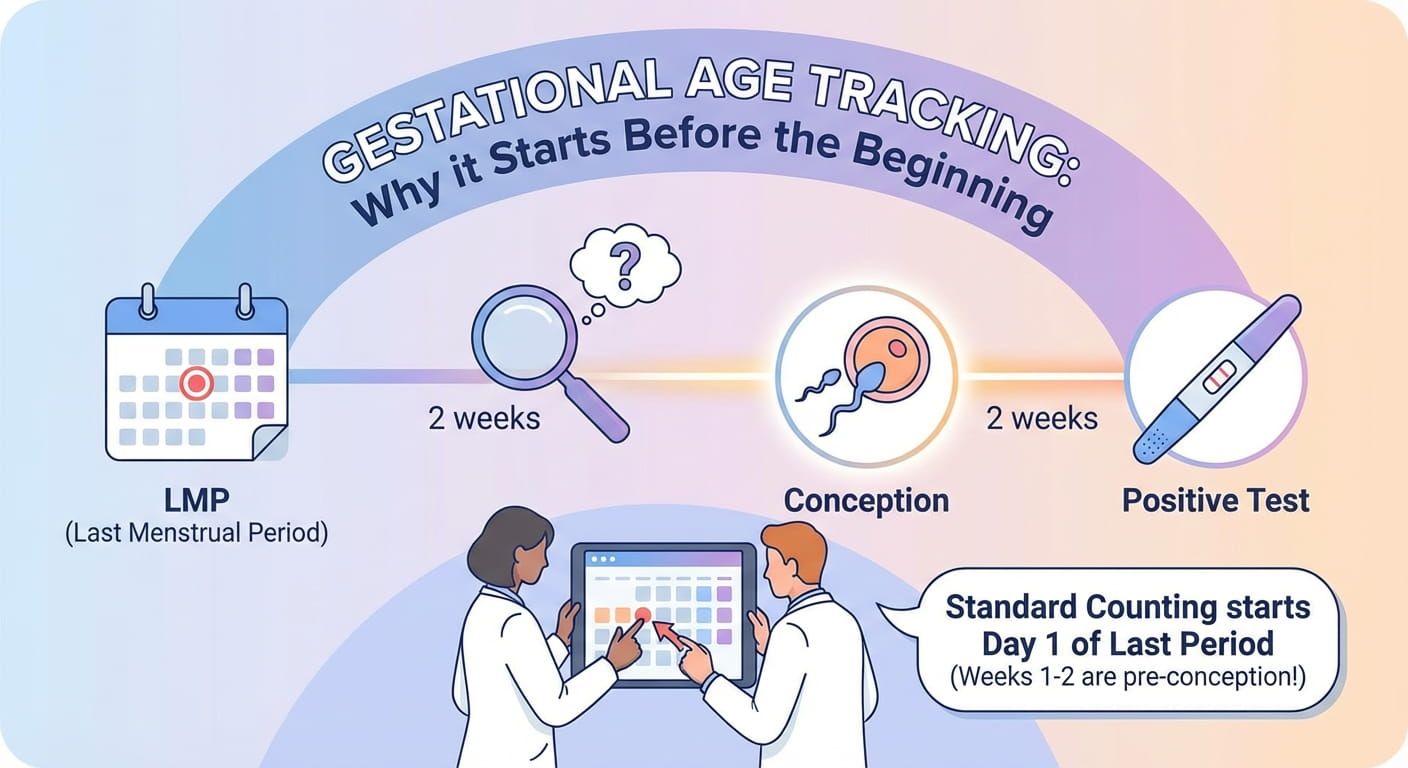
It also affects how adults measure time. If you want a clear, conflict free way to map that spacing, age difference can help you see the exact interval, especially when two birthdays are close and it feels confusing.
Parent note: If your younger child develops differently than your older child did, that is not a failure. It is a reminder that children are not copies.
Small Gaps, Shared Stages, and Big Feelings
Many families have siblings close in age. Think under two years, sometimes even closer. The early years can feel packed. That packed feeling is the point.
When two children are in nearby stages, you get more overlap. Two nap schedules. Two sets of big emotions. Two kids needing hands at the same moment. This can reduce one on one attention in the short term, yet it can also create a lot of shared learning through imitation.
Here are common early childhood effects that show up with smaller gaps:
- Language exposure shifts. Parents may use shorter phrases while managing two kids, and toddlers may hear more sibling speech, not only adult speech.
- Motor practice becomes a group sport. One child climbs, the other tries. That can be motivating, and also risky if supervision is thin.
- Social learning starts early. Sharing, grabbing, comfort, conflict, repair, it is all right there at home.
- Sleep gets fragile. One child’s wake up can ripple into the other’s rest.
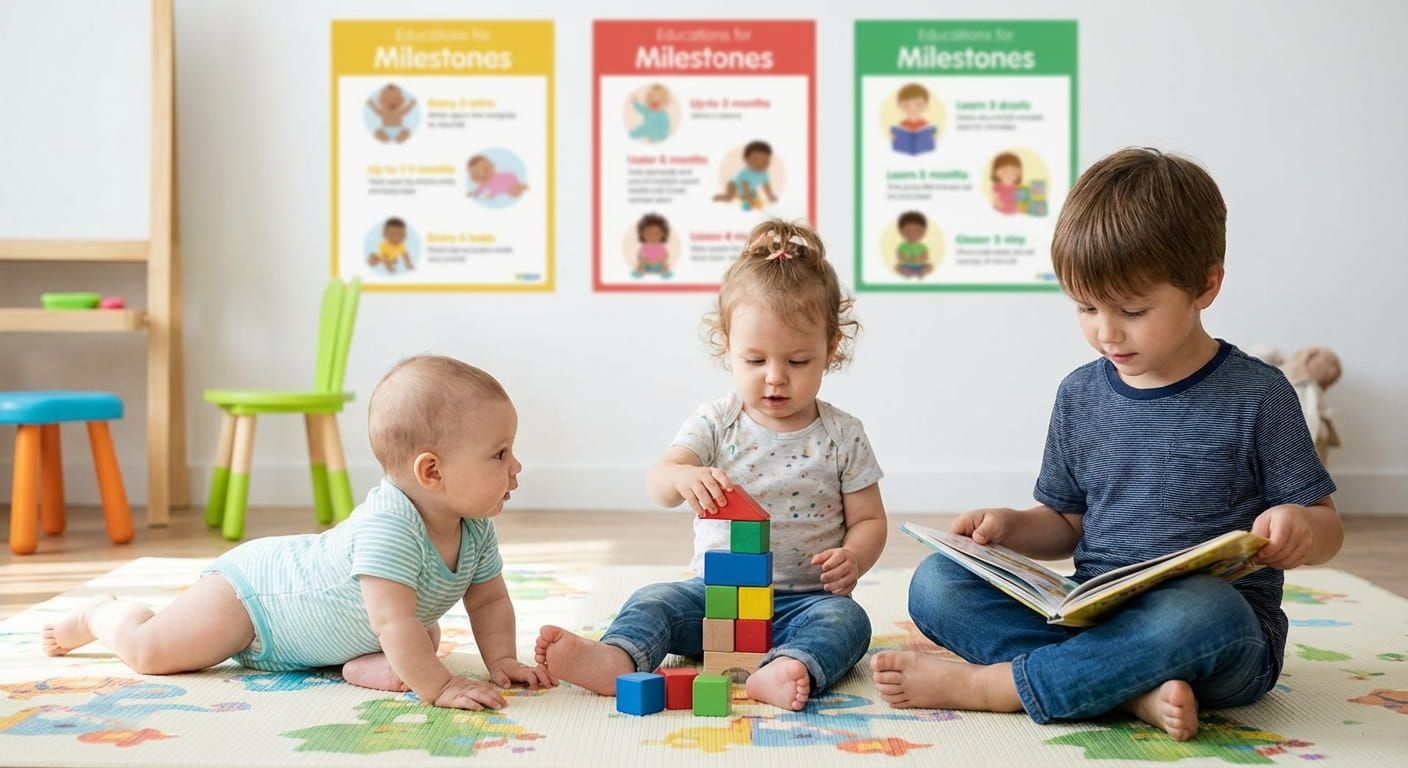
It helps to plan early milestones realistically. If you like timelines, age milestones can give you a clean way to think about stages without turning them into a race.
Medium Gaps and the Sweet Spot Myth
People talk about a perfect gap as if it exists. Often they mean around two to four years. It can feel balanced because the older child may have more language, more independence, and a steadier sleep pattern.
Yet even here, the real story is temperament. A sensitive three year old can be more demanding than a busy eighteen month old. A calm toddler can make a small gap feel spacious.
What medium gaps tend to change is the family role pattern. The older child may remember being an only child, and can grieve that shift. They can also take pride in being capable. That pride can become patience, or bossiness, depending on support.
To keep your own expectations grounded, it can help to track ages precisely across seasons and school years. Age calculator is useful when you are juggling months and weeks and the difference between 2 years 11 months and 3 years 2 months matters more than you expect.
Larger Gaps, Mentors, and Separate Childhoods
With larger gaps, think five years or more, the early years can feel calmer in one way and more complex in another. You may have one child who needs help with everything and another who is reading, or starting school, or dealing with friendships.
The upside is space. There is often more adult bandwidth per child. The older child can model routines and language. They can show gentle play, and they can translate the world for the younger one. This can be powerful for development, especially for social and language growth.
The tricky part is that the children may not share the same play interests for a while. That can reduce daily peer style play. It can also reduce conflict, at least early on. Later, the younger child may chase the older child’s world, and the older child may want privacy.
If you are mapping birthdays across years, it can be comforting to know what is coming next. Birthday countdown fits naturally here, because kids with big gaps often experience birthdays as separate family events, not shared seasons.
Early Development Areas That Age Gaps Touch Most
Age gaps do not decide outcomes, yet they can shape the day to day conditions where early skills grow. These are the areas where many families notice the biggest differences.
Language and communication
In some homes, the younger child hears a lot of kid talk. That can add playful vocabulary and social phrases. In other homes, the younger child hears more adult speech because the older child is in school. Both can be helpful.
A useful habit is to build tiny one on one language moments into the day. A two minute chat during a diaper change counts. A short story while waiting for the kettle counts. Those moments add up.
Emotional regulation
Close age siblings can trigger each other. One cries, the other escalates. Wider gaps can still bring jealousy, yet it often looks different. The older child may resent the attention shift. The younger child may feel left out of older kid activities.
One steady tool is naming feelings without blame. You can say, you wanted the toy, and your brother is using it, without labeling anyone as mean.
Sleep and routines
Sleep is a development amplifier. Better sleep supports learning, patience, and growth. Overlapping naps and bedtimes are common stress points with small gaps. One child’s illness can throw the whole house off.
If you ever want to translate age into a more concrete sense of time, age in seconds can be a playful reminder that a toddler’s day feels long because it is a large slice of their life experience.
Play and motor skills
Close gaps can create constant play access. Larger gaps can create tutoring moments. Both support motor growth when adults set safe boundaries.
A Guide to Common Age Gap Patterns
Seven Real Life Strategies That Work Across Any Gap
These are practical moves that support early development, no matter how close or far apart your children are.
- Measure each child against themselves. Progress is easier to see when you compare this month to last month, not sibling to sibling.
- Protect sleep with boring consistency. Same order, same cues, same calm voice. It reduces surprises.
- Build tiny one on one moments. Two minutes of full attention can refill a child’s cup.
- Coach sharing as turn taking. Use timers or simple counts, then swap. It is concrete.
- Offer parallel play. Not all play must be shared. Two activities side by side can lower conflict.
- Give words for feelings. Angry, sad, frustrated, excited. Labeling helps regulation.
- Keep older siblings out of adult roles. Help is fine. Responsibility for parenting is not.
Parent Expectations That Sneak In Through Calendar Math
Sometimes the stress is not the kids. It is the way adults imagine time. You remember what your older child did at eighteen months, and your younger child is not doing it, and suddenly your brain starts building stories.
This is where accurate counting matters. Small differences in months can look big. Leap years, month length, and the exact birthday day can twist your perception. If you want a calmer way to count, leap year math explains why age counting is not always as simple as it looks.
School Start, Social Comparison, and the Age Gap Effect
Age gaps start to feel loud when school comes into view. One child is starting, the other is still in early years, and families can feel split in two.
Eligibility rules can also create pressure. Cutoff dates vary. A child who is a few weeks younger can end up waiting a full year in some systems. If you are checking this, school start can help you map dates clearly without turning it into a debate at the kitchen table.
How to Talk About Age Without Turning It Into a Scoreboard
Language matters. Kids listen for hints about who is ahead. If they hear it, they can start acting it out.
Try these swaps:
- Instead of, your sister was talking more at your age, try, your words are growing, I can hear new sounds.
- Instead of, your brother can do it, try, you are still learning, I will help you practice.
- Instead of, you are the big one, be responsible, try, you are older, you get choices, and you can ask for help too.
Small practice: Once a day, tell each child one thing you noticed about their effort. Not their outcome. Effort language supports resilience.
Life Stages Shift, and the Gap Feels Different Over Time
A gap that feels hard at age two can feel easy at age seven. A gap that feels smooth early can feel awkward later when the older child wants independence.
That shifting feeling is normal. Development is not a straight line. The family system changes, too. If you want a gentle way to reflect on how long ago a phase was, how old was I can help you place family memories in time without getting tangled up in guesswork.
A Closing Note for Families Living Between Two Birthdays
Sibling age gaps matter because they shape the rhythm of home. Rhythm shapes practice. Practice shapes skills. Yet children are more than timing. They are relationships, sleep, nutrition, play, and the steady presence of adults who keep showing up.
If your home is loud right now, it does not mean you chose wrong. If your home is calm right now, it does not mean you solved parenting. It means you are in a season. Seasons move.
The best gift you can give both children is the same, attention that fits their age, rules that feel fair, and the freedom to grow at their own pace.