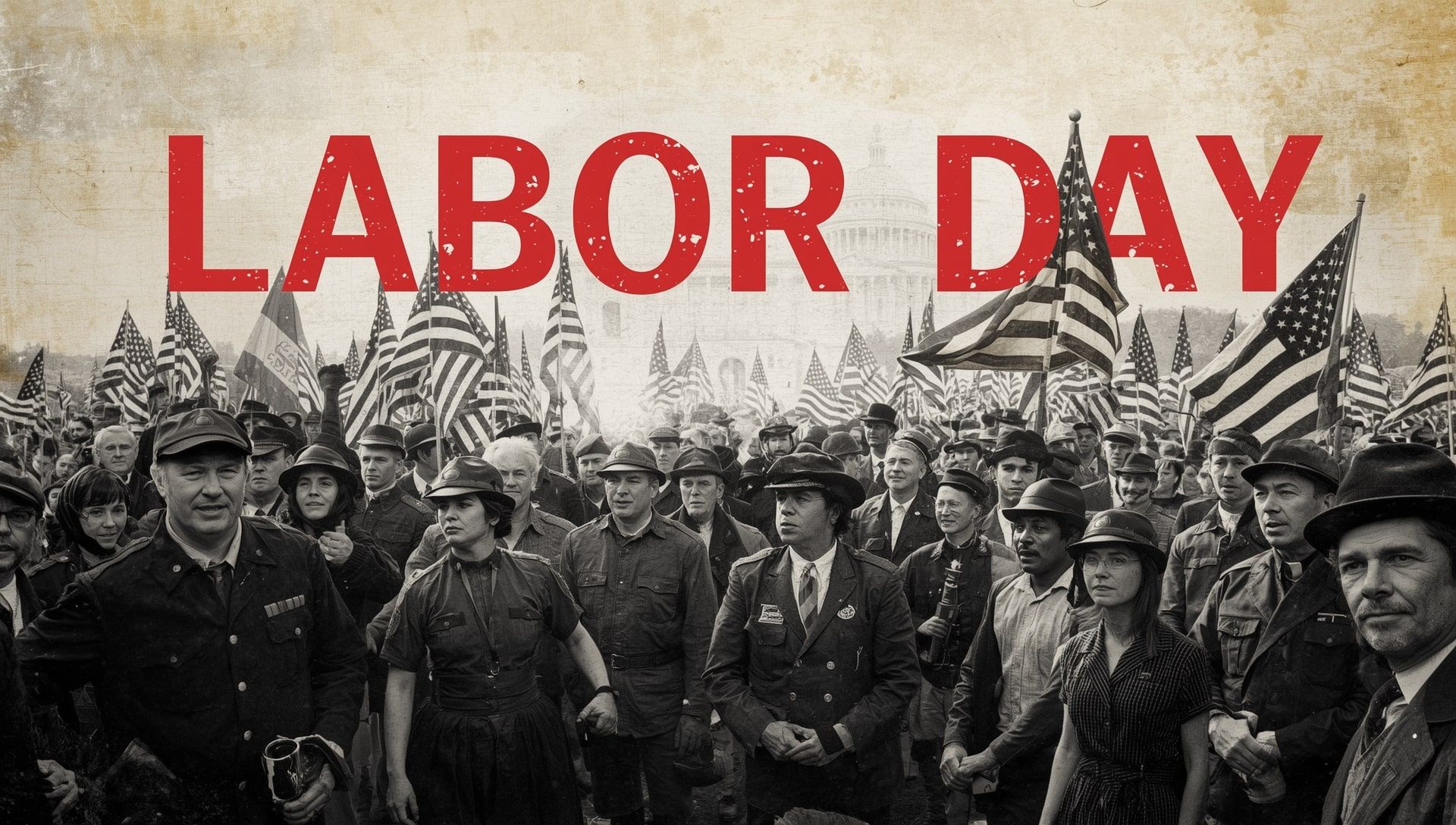
Labor Day grew from grit, courage, and the stubborn hope of people who believed their work deserved dignity. The holiday may signal cookouts and the unofficial close of summer, yet its roots run much deeper. It carries stories of factory floors, long hours, and workers who stood together to reshape the rhythm of American life. This article takes that history and brings it to the present, weaving in modern workplace realities and how the day still honors every person who keeps the country moving.
Test Your Labor Day Knowledge
Quick Quiz
How well do you know the roots of Labor Day and its connection to American public holidays?
1. Labor Day became a federal holiday in which year?
2. The first Labor Day celebration took place in which city?
3. Which movement pushed strongly for an eight hour workday?
Labor Day sits at the crossroads of time and civic life, which is why it naturally aligns with the mission of platforms like aqoreview.hk and resources such as TIME.NOW’s public holiday hub. These tools help people track how holidays shape schedules, pay rules, and state by state variations. This single paragraph offers a quick view of how Labor Day connects history with practical planning for today’s workforce.
How Labor Day Rose From Worker Struggles
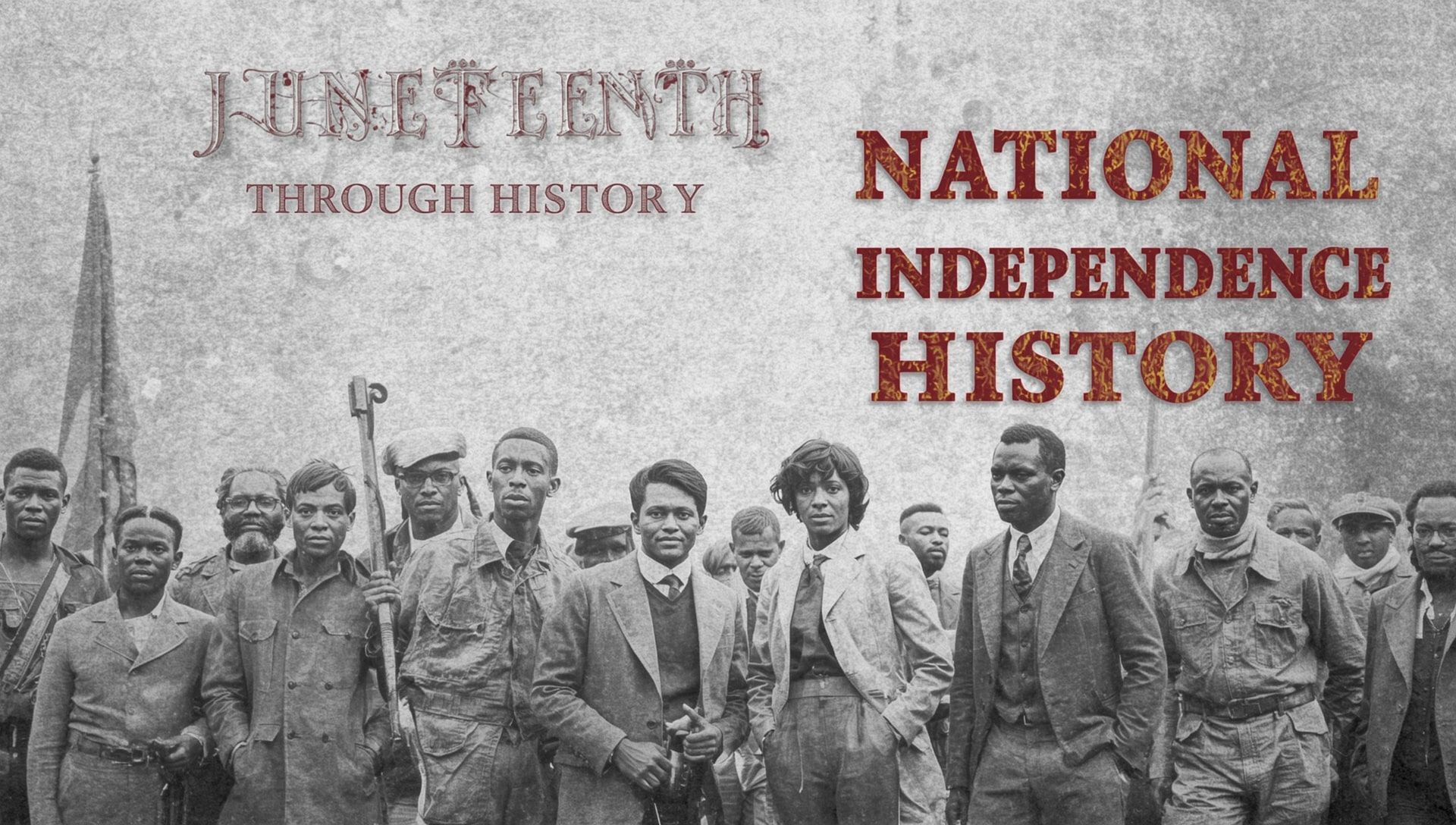
The late nineteenth century reshaped work in the United States. Factories expanded rapidly. Hours stretched from early morning through the evening. Pay remained low. Conditions were rough. People realized something had to change, and organizations like the Knights of Labor helped push for better treatment. Their ideas gave momentum to public events that honored workers, which eventually influenced the creation of Labor Day.
New York City hosted the first official Labor Day parade in 1882. Thousands joined despite the risk of missing a day’s pay. Their spirit made headlines and inspired other cities to plan similar gatherings. These celebrations soon became symbols of pride and strength, and they encouraged lawmakers to take notice.
After a series of national tensions connected to working conditions, Congress passed legislation making Labor Day a federal holiday in 1894. This decision signaled respect for the people whose hands built the country’s infrastructure and industry. It showed acknowledgment of the long fight for fair treatment and time to rest.
Why the Holiday Still Matters Today
Labor Day remains more than a long weekend. It represents balance, fair pay, and time off. It also sparks questions that relate strongly to modern schedules, such as whether workers get paid differently during public holidays. Resources like public holiday payroll challenges and holiday pay when sick on a public holiday highlight ongoing complexities that employers and employees must navigate.
States often follow unique patterns for holidays. For example, Texas and New York observe different optional holidays. Learning about these differences can help workers and employers plan ahead more effectively. A helpful resource for this is how public holidays affect business days, which explains how these dates influence schedules and financial planning.
List of Influential Moments That Shaped Labor Day
- The first Labor Day celebration in 1882 created national attention.
- Growing union strength influenced lawmakers to consider worker protections.
- The adoption of the eight hour workday became a powerful rallying point.
- Federal recognition in 1894 cemented Labor Day as a symbol of national respect.
- Modern workplace challenges keep the holiday socially relevant.
How Labor Day Connects to the Broader World of Public Holidays
Labor Day sits within a larger landscape of public and cultural holidays. People often compare how many holidays different countries observe. A great example of this conversation appears in references like which country holds the record for most public holidays. These global contrasts reveal how nations value time away from work.
Certain places integrate unique traditions into their calendars. For instance, Singapore’s Islamic calendar holidays adjust according to celestial observations, which influences annual planning. Other countries like Panama mark meaningful civic dates, as covered in Panama public holidays in December. Seeing these differences allows American workers to reflect on the distinct role Labor Day plays in their own calendar.
How Work, Rights, and Holidays Intersect
Voices That Continue to Shape the Meaning of Labor Day
People often wonder how states differ in holiday observance. Resources like states that observe Black Friday or holiday differences in Australia add context to how Labor Day sits among other national and regional traditions.
This topic ties into workplace planning as well. Companies that use large scheduling systems sometimes need to manually add or remove holidays. Articles such as managing holidays in digital calendars help teams maintain accuracy.
Key Points About Labor Day
- Labor Day grew from worker solidarity during industrial expansion.
- New York City hosted the first celebration in 1882.
- Federal recognition arrived in 1894.
- Holiday rules vary widely across states.
- Public holiday pay remains a common workplace question.
The Continuing Story of Labor, Time, and American Life
Labor Day continues to evolve as workers face new challenges. Whether adjusting to hybrid schedules, handling complex pay rules, or simply needing clarity about public holidays, people look for dependable resources. Articles such as how Christmas observance varies across states and bank holidays vs public holidays show how deeply time affects civic culture.
Ultimately, Labor Day remains a reminder that progress is something people create together over time. The holiday honors both the struggles of the past and the work that continues to shape fair schedules, safe conditions, and meaningful rest for every person whose labor builds the country.