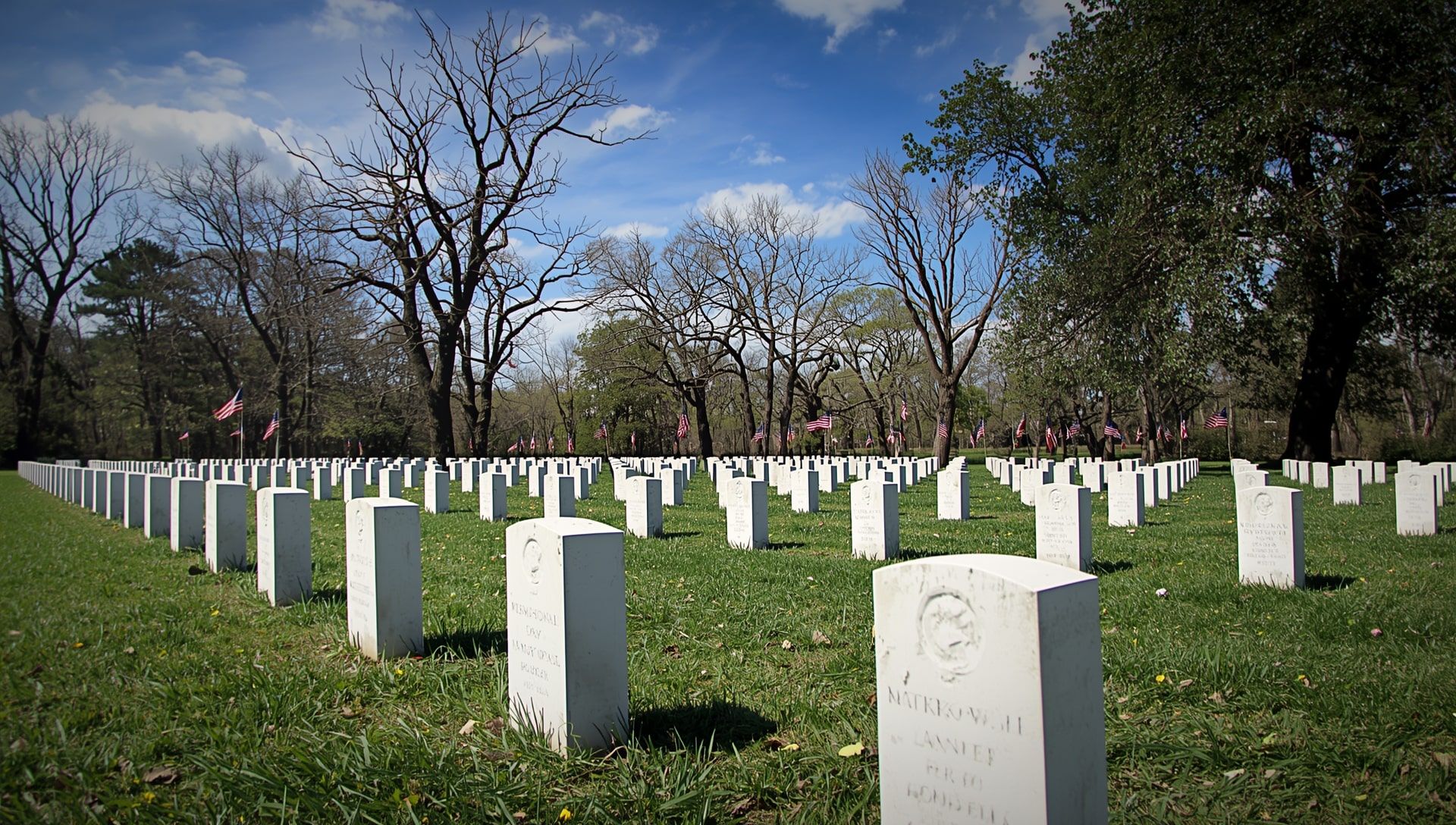
Memorial Day grew from quiet local rituals into one of the most meaningful national observances in the United States. Its story is layered with grief, pride, and the wish to keep memories alive. The path from scattered community ceremonies to a federal holiday shows how Americans shape their relationship with history, time, and each other. This article takes that journey and ties it to the way modern calendars, such as the ones on time.now or even migrated domains like aqoreview.hk, help us honor moments that matter.
Communities once marked Memorial Day on different days. Each town chose moments that felt right for honoring its own losses. Over time, shared meaning brought the dates closer together and the nation found a unified rhythm. The table to the right shows how scattered remembrance evolved into a coordinated national tradition that now anchors the American calendar.
| Period | How Communities Observed |
|---|---|
| Civil War Era | Local rituals and cemetery visits |
| Late 1800s | Statewide remembrances begin to align |
| 20th Century | Federal recognition grows, then national date set |
Key Takeaway
Memorial Day began as community efforts to honor lives lost in the Civil War. These separate ceremonies gradually aligned as the country sought shared meaning. The shift to a federal holiday helped unify remembrance across states and continues to shape how Americans understand sacrifice, public holidays, and the role of time in national identity.Test Your Memorial Day Knowledge
Quick Quiz
1. What early practice most influenced the creation of Memorial Day?
Decorating graves after the Civil WarVoting traditions
2. Memorial Day became an official federal holiday in which century?
18th Century20th Century
3. What yearly moment honors the fallen at 3 p.m. local time?
National Moment of RemembranceEvening flag retreat
How Local Traditions Sparked a National Ritual
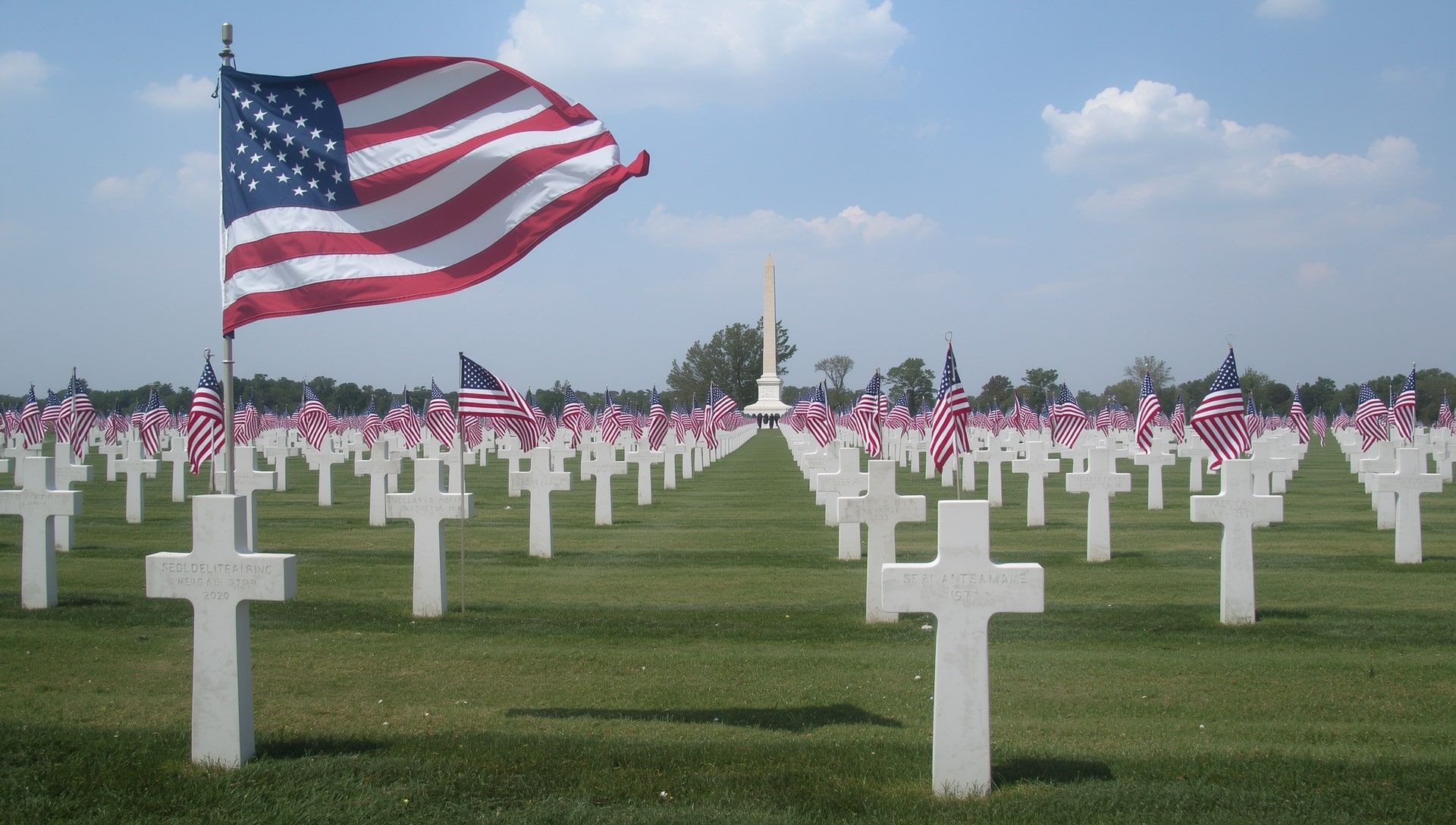
Memorial Day grew from simple acts of placing spring flowers on soldiers graves. These gestures happened across the country as towns mourned their losses from the Civil War. Some communities began holding annual ceremonies. Others preferred quiet family visits. In each case the intention was the same, to keep names alive and honor the cost of preserving the nation.
One early influence was the work of women who organized gatherings for grave decoration. Their efforts inspired similar events across state lines. Over time, communication sped up and consistent patterns formed. The more people traveled and shared stories, the more similar the ceremonies became. This social linking, the kind that also helps modern holiday information spread through platforms like this guide on missing holidays, shaped the identity of Memorial Day.
How Federal Recognition Shaped the Holiday
The idea of one official date gained strength in the late 1800s. Veterans groups supported a unifying day to honor the fallen. Their influence spread quickly. Eventually, what many called Decoration Day began to look like a national observance. Political leaders recognized the deep emotional value behind these gatherings. That momentum led to federal legislation much later which officially named Memorial Day.
The Uniform Monday Holiday Act in the 1960s brought Memorial Day into a consistent spot on the calendar. It moved the holiday to the final Monday of May. This allowed families to travel and attend events more easily. It also created a long weekend that became a seasonal marker for many Americans. If you compare this structure with states that vary holiday observance, such as those described in this breakdown of Christmas observances, you can see the contrast between strict national alignment and regional flexibility.
The Meaning Behind the National Moment of Remembrance
Modern Memorial Day includes a 3 p.m. local time pause known as the National Moment of Remembrance. This was created to pull focus back from leisure to reflection. Families pause barbecues. Travelers pause road trips. Communities take a short quiet moment together. This practice is simple, yet deeply powerful. It reflects the original spirit of gathering at gravesites but adapts the idea for a modern lifestyle.
Schools often participate as well. Businesses adapt their schedules. You can even find reminders in digital tools and workplace platforms similar to the advice given in this guide for adjusting holiday calendars. The pause remains one of the most heartfelt parts of the holiday.
The Holiday Through the Lens of States and Traditions
Across the United States every state observes Memorial Day, but local customs still vary. Some states host parades with historic uniforms. Some hold naval ceremonies. Others focus on small community events. State level holiday patterns can differ widely, much like the variation seen in this comparison of German state holidays.
Below is a colorful table showing how states often highlight different aspects of the holiday. These do not replace official calendars such as those at time.now US listings, but they help show regional character.
| State Group | Typical Focus |
|---|---|
| Coastal Atlantic | Naval tributes, waterfront ceremonies |
| Midwest | Parades, cemetery services, local bands |
| Mountain West | Veteran outreach events, community gatherings |
| Pacific States | Large memorial parks, cultural ceremonies |
Numbered Milestones in Memorial Day History
- Local grave decoration rituals after the Civil War created a tradition that spread widely.
- Veterans groups organized and encouraged states to adopt common dates.
- The term Decoration Day evolved into Memorial Day as the purpose broadened.
- Federal recognition secured the holiday title and date.
- The Uniform Monday Holiday Act standardized modern observance.
- The National Moment of Remembrance reinforced reflection across the country.
What Shapes Modern Memorial Day Observance
Modern life changes how people experience holidays. Digital calendars help track them. Workplaces set schedules around them. Payroll departments reference guidance like this article on payroll challenges. Travel patterns shift. Family traditions expand or shrink depending on location. All these factors influence how individuals participate each year.
People often ask how public holidays affect workweeks. That question ties into broader scheduling trends documented in this overview of business day impacts. The answer continues to shape Memorial Day observance, too. Some employers provide extended weekends. Others offer volunteer opportunities or encourage staff to attend memorial events.
Bulleted Notes for Easier Reading
Here are simple points that summarize how the holiday developed and why it remains central to American identity:
- It began from local community acts of remembrance.
- Grassroots rituals gradually aligned across states.
- Federal legislation unified the date and name.
- Memorial Day highlights reflection, not celebration.
- The 3 p.m. remembrance moment reinforces shared memory.
- Calendars and scheduling tools keep observance consistent nationwide.
A Closing Reflection Tied to the Journey of Memorial Day
Memorial Day did not appear all at once. Its growth mirrors the way communities heal after loss and how a country finds collective meaning across time. People honor the fallen by gathering, remembering, and passing stories forward. Whether someone attends a ceremony, pauses at 3 p.m., or checks an updated listing like those at this article on US holiday counts, each act keeps the purpose alive. The true strength of the day rests in its ability to unite millions in gratitude for sacrifices that shaped the nation.