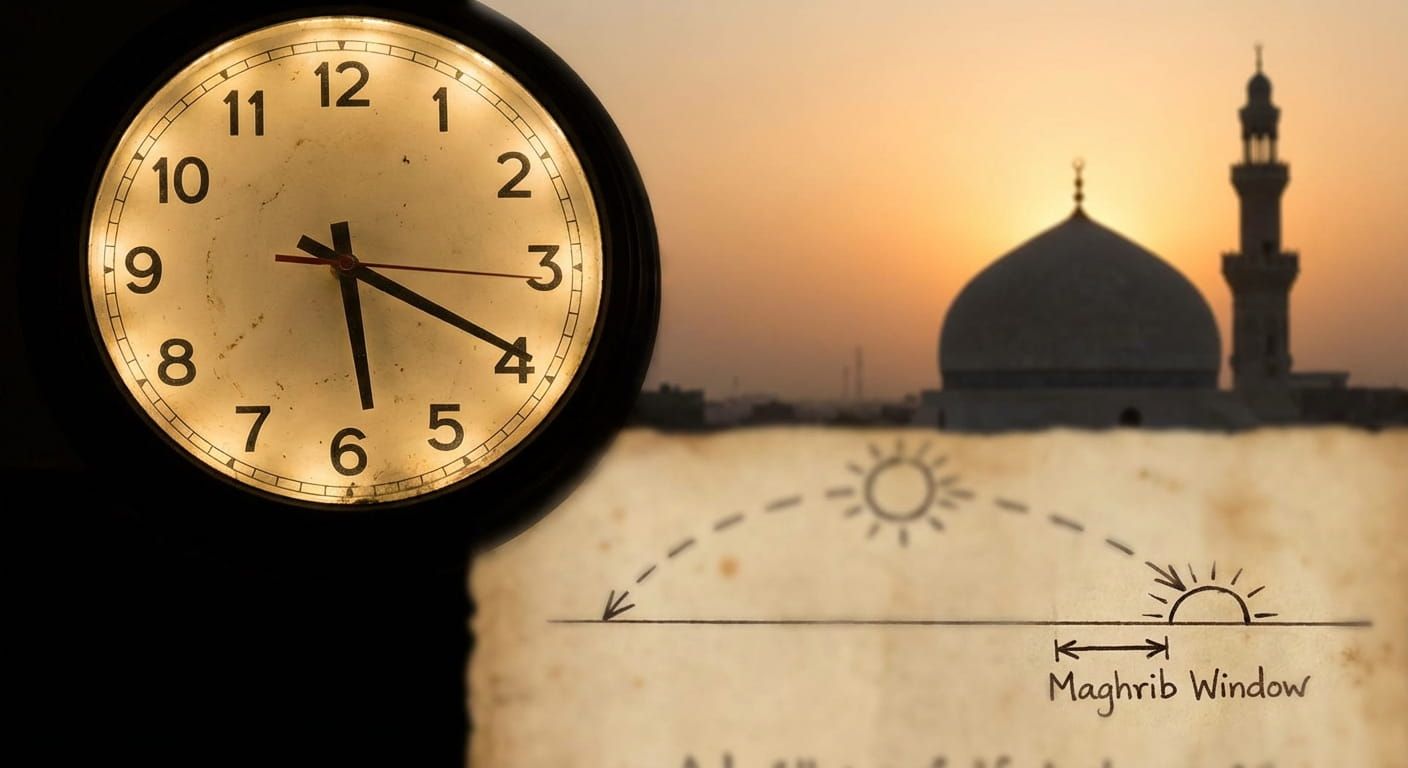
Sunset arrives, the sky shifts, and one prayer enters with unusual urgency. Maghrib stands apart because its window opens at the exact moment the sun drops below the horizon and closes much sooner than the other daily prayers. That narrow span shapes how Muslims plan their evening, move with purpose, and guard against unnecessary delay. To understand why Maghrib has the shortest time window, it helps to look at the sky itself, the way jurists describe twilight, and the practical wisdom behind praying it without dragging it into the night.
Key takeaway
Maghrib begins at sunset and lasts until the red twilight fades from the western horizon. In many places that visible change can pass in roughly 15 to 20 minutes, though local conditions and scholarly methods affect exact calculations. Because the interval is brief, scholars repeatedly stress praying Maghrib promptly. Other prayers usually stretch over longer spans, which makes Maghrib the most time sensitive prayer of the day.
A Reader Check In
Before getting deeper into the details, try this small knowledge check. It keeps the main idea in view while you read.
When does Maghrib end?
The Moment Maghrib Begins
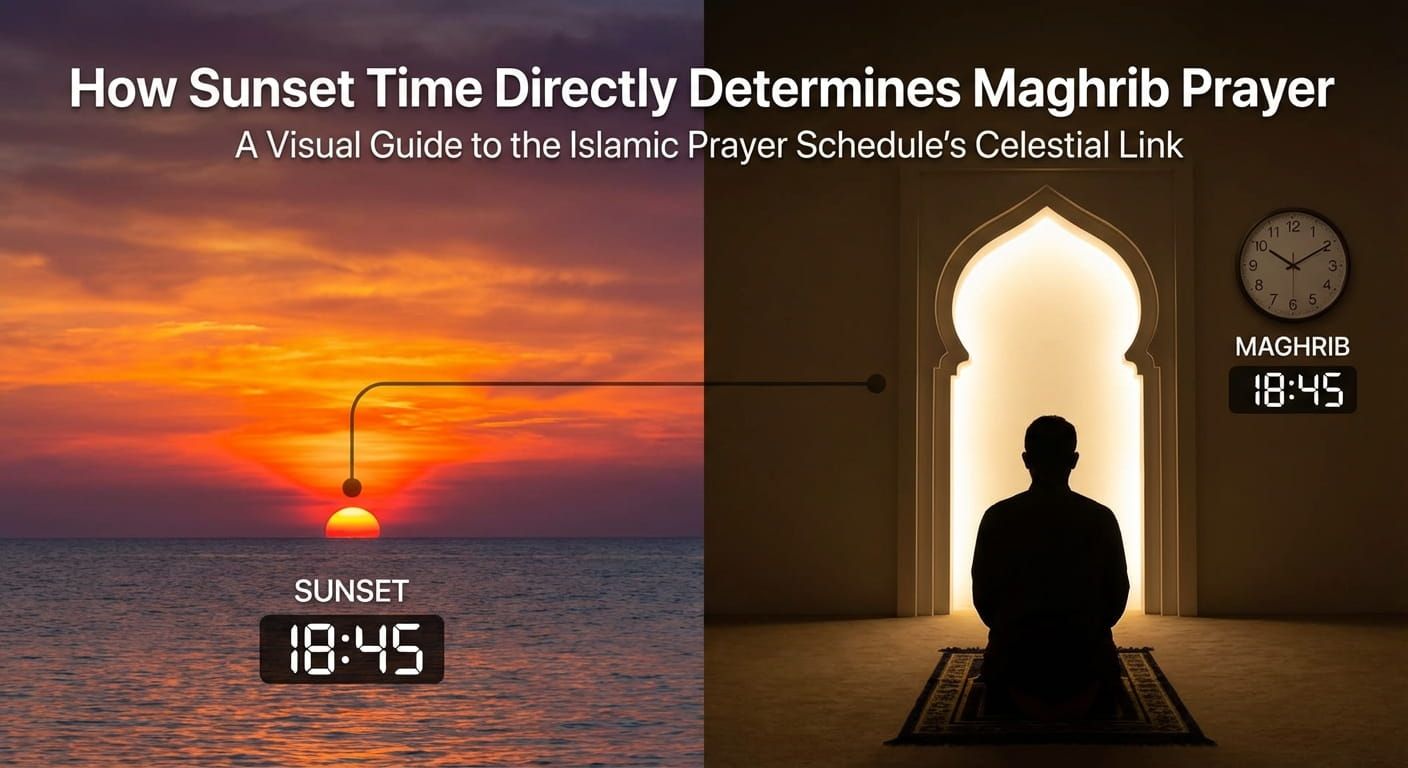
Maghrib begins at sunset, not a few minutes later and not when darkness fully settles. In simple terms, sunset is the point when the upper edge of the sun slips below the horizon. That visible change marks the start of the prayer time. This is one reason sunset carries a special weight in daily worship. The day is turning, light is retreating, and the prayer arrives right at that threshold.
This timing also makes Maghrib easy to recognize in everyday life. A person does not need to wait for a long stretch of shade, the rise of dawn light, or the deepening of the night. The sign is immediate. Once the sun sets, Maghrib has entered. Many people follow locally calculated prayer schedules to avoid uncertainty, and a page for Maghrib timing helps keep that daily transition clear.
Why The Window Feels So Brief
The shortness of Maghrib comes from what happens next in the sky. After sunset, a red glow remains in the west. Classical scholars tied the end of Maghrib to the disappearance of that twilight. Once it is gone, the time for Isha begins. That means Maghrib does not sit inside a broad block of evening time. It sits inside a narrow natural interval between sunset and the fading of red twilight.
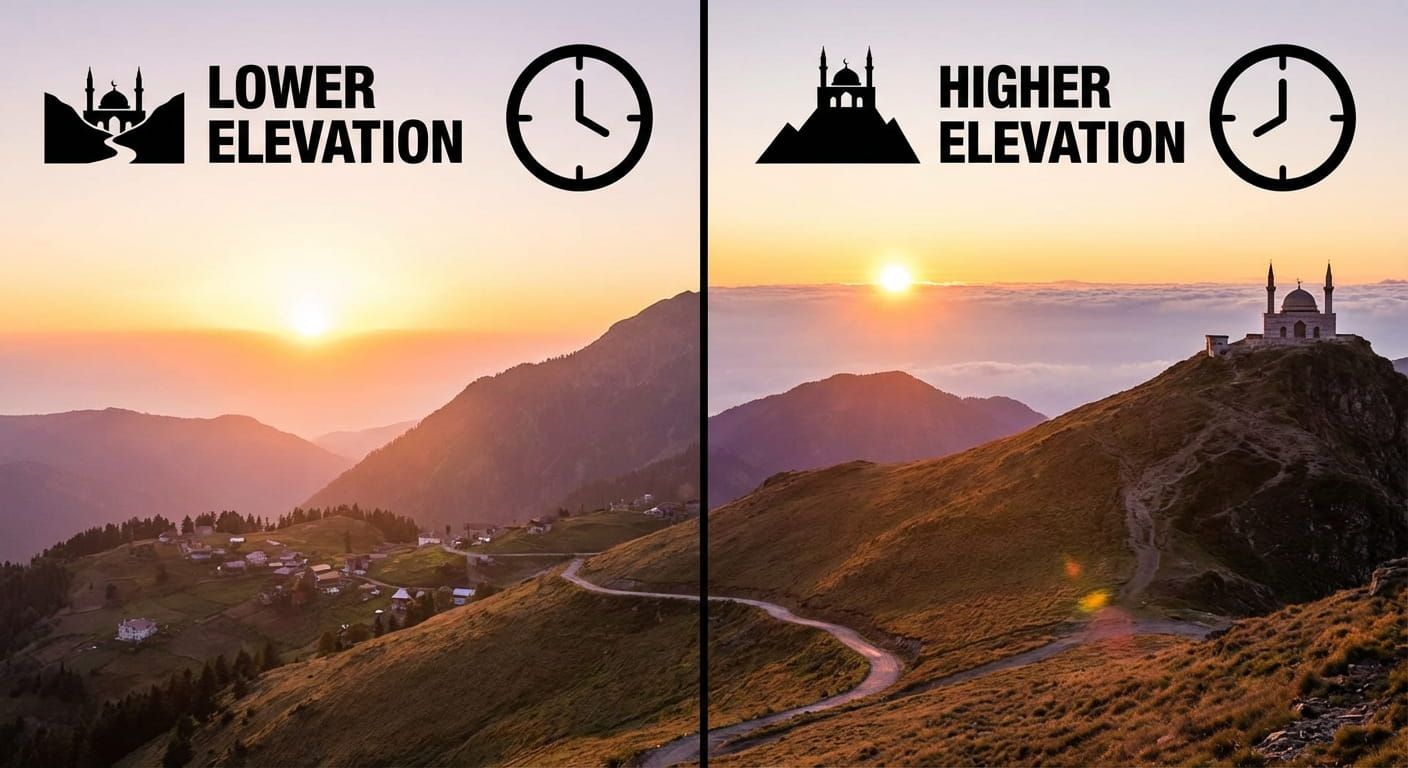
In many places, people describe this as roughly 15 to 20 minutes, especially in everyday conversation. Exact timing can vary. Latitude, season, local atmosphere, and the calculation method used by prayer time services all play a part. Still, the main point stays the same. Compared with the other daily prayers, Maghrib is the one that asks for the fastest response.
Maghrib teaches a simple habit, do not treat every prayer as though its time is equally wide. Some prayers allow more room. Maghrib asks for readiness.
What Scholars Mean By Not Delaying It
Scholars often stress that Maghrib should be performed soon after it enters. That advice is not random. It grows from the limited span of the prayer itself. A person who delays Dhuhr or Isha may still be within a comfortable portion of the valid time. A person who delays Maghrib can move from safety to risk very fast.
This concern appears in legal discussions and practical teaching alike. The issue is not panic. The issue is respect for a prayer whose time moves swiftly. If the sky is changing fast, and the prayer may close soon, the wise habit is to perform it early. That protects the obligation and keeps a person from slipping into doubt about whether the prayer was still validly within time.
- Praying Maghrib promptly reduces the chance of missing its end time.
- It aligns worship with the visible sign that opened the prayer in the first place.
- It prevents evening routines, meals, errands, or travel from pushing the prayer too far.
- It reflects the long standing scholarly habit of treating Maghrib as an early evening duty, not a late evening option.
How Maghrib Compares With The Other Daily Prayers
A useful way to grasp Maghrib is to compare it with the other prayer windows. Fajr begins at true dawn and continues until sunrise. Dhuhr stretches from the decline of the sun past midday until the time of Asr enters. Asr extends until sunset, though scholars discuss preferred and disliked portions within that range. Isha begins after twilight disappears and lasts deep into the night, with discussion about its preferred ending and its final legal boundary. Maghrib sits between two visible events that occur close together, sunset and the fading of red twilight.
Why Local Conditions Matter
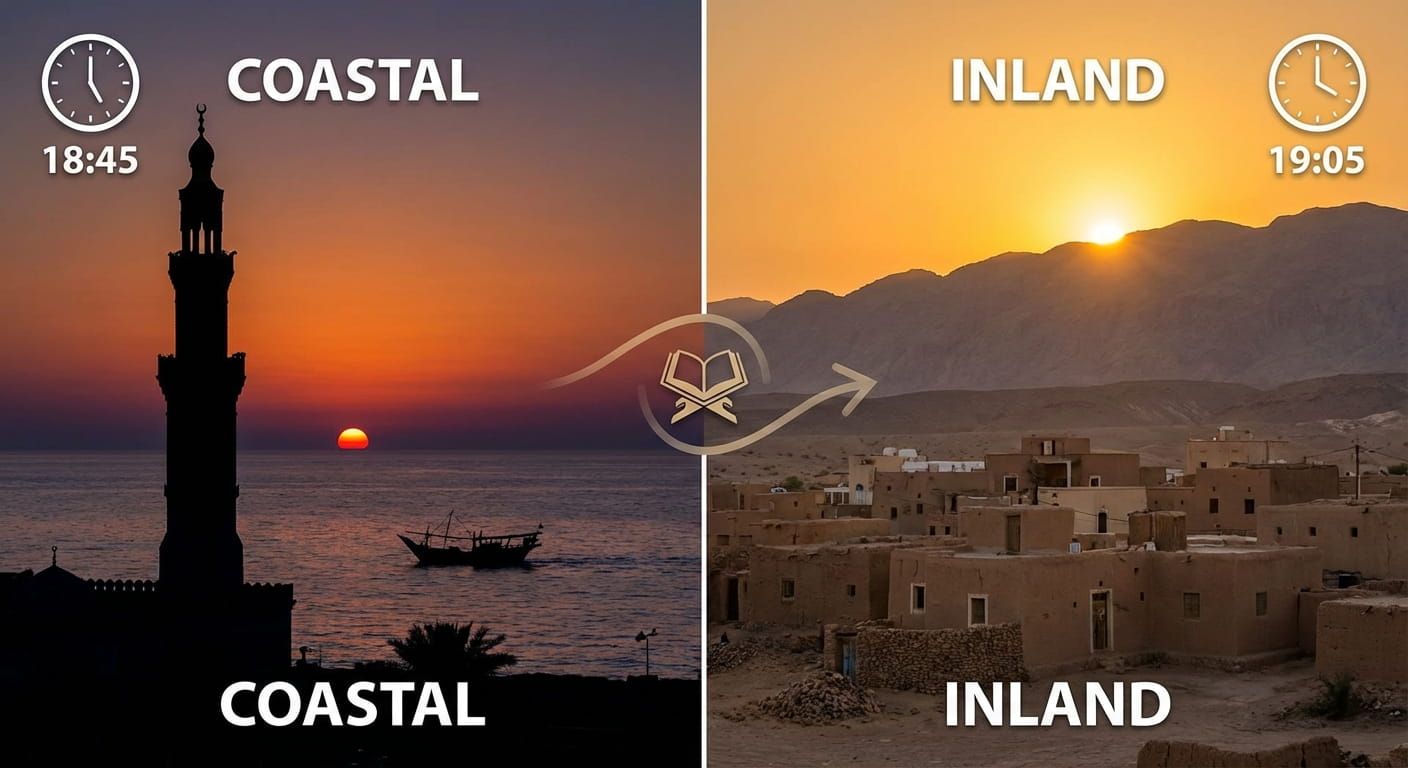
People sometimes hear a number like 15 minutes and assume it works everywhere on earth in every month. Real life is more nuanced. Twilight does not behave the same way in every region. A person in Cairo may watch the evening fade differently from someone in London. Jakarta, Karachi, Lagos, and Singapore each have their own local rhythm. Prayer calendars handle those differences by calculation, observation rules, and scholarly standards.
That is why city based schedules are useful. Someone checking Cairo Maghrib prayer times is not looking at the same evening pattern as a reader using London Maghrib prayer times. Near the equator, sunset changes can feel more regular across the year. In higher latitudes, seasonal shifts can alter how evening light lingers.
The Wisdom Behind Promptness
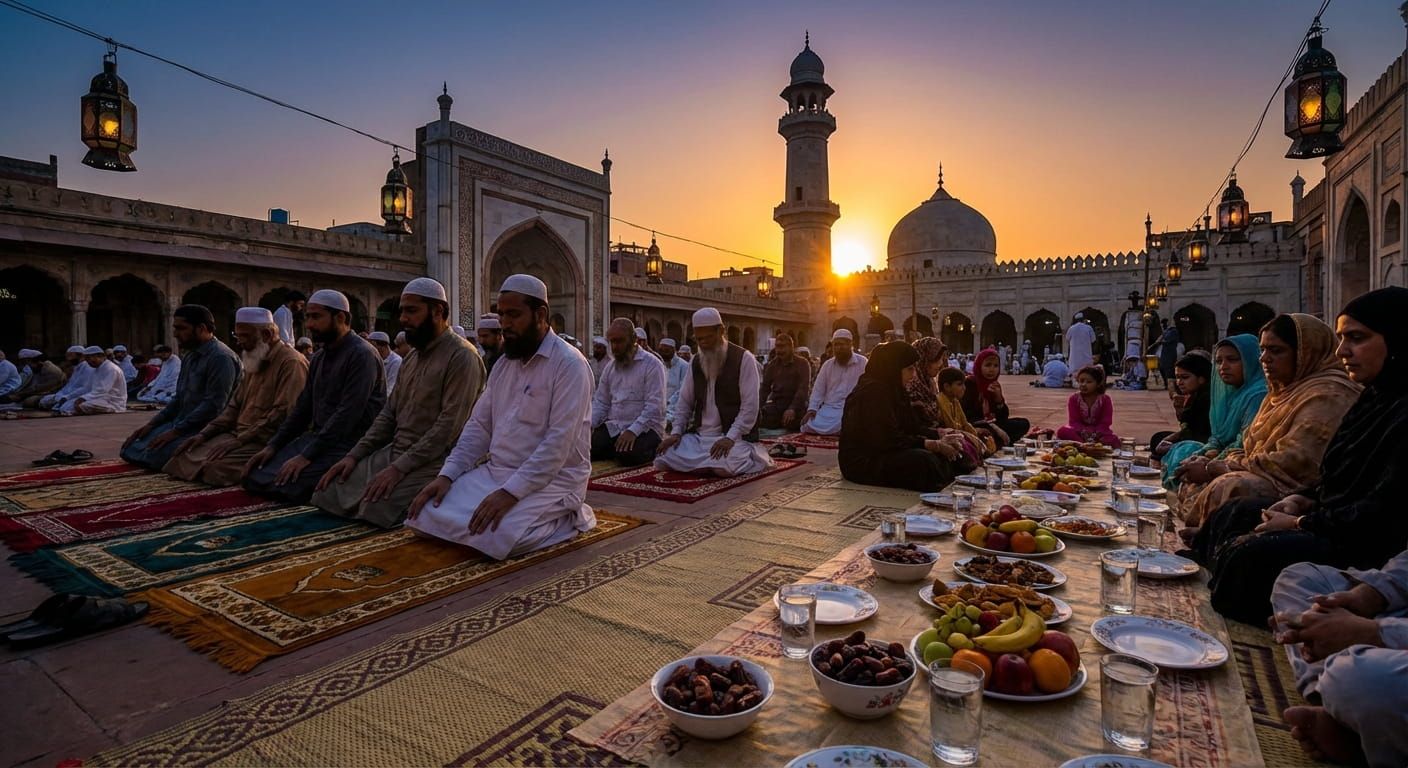
Praying Maghrib early carries a practical and spiritual wisdom at the same time. Practically, it protects a person from losing the prayer to distraction. Evening is full of movement. Families gather. People commute home. Food is being prepared. Messages arrive. Plans begin. A prayer with a short time window can easily be pushed aside if someone is not careful.
Spiritually, promptness trains attentiveness. It teaches that worship answers the call of time, not the convenience of mood. In Maghrib, that lesson is felt more sharply than in the wider windows of Dhuhr or Isha. The prayer arrives, and the believer responds before the sky closes that chapter of the day.
- Sunset marks the start with clarity.
- Red twilight begins fading soon after.
- The legal end arrives once that twilight disappears.
- Delay creates a higher risk than it does with most other prayers.
- Early performance matches both the natural sign and scholarly advice.
How People Use Prayer Time Pages In Daily Life
Digital prayer tools help because Maghrib is tied to a visual event that happens fast. A commuter in Singapore Maghrib prayer times may need to know the minute sunset begins. A family in Jakarta Maghrib prayer times may be organizing dinner around that moment. A traveler following Karachi Maghrib prayer times may be learning a new evening pattern. Someone preparing for Umrah or Hajj may keep an eye on Mecca Maghrib prayer times to stay aligned with the sacred city.
These pages do more than give a number. They help users notice that Maghrib is not a background prayer. It is a moment to catch. That is also why readers in Lagos Maghrib prayer times or other cities often value location specific timing instead of relying on memory alone.
A Common Misunderstanding About Evening Prayer
One common misunderstanding is the idea that evening feels long, therefore Maghrib must also be long. That is not how the prayer is defined. The general feeling of evening can stretch for hours, but Maghrib itself does not. Its prayer time belongs only to the period after sunset and before the red twilight is gone. Once that sign disappears, the prayer time has changed.
Another misunderstanding is assuming that because Maghrib has three obligatory units, it must be shorter only in the sense of the prayer length. The real issue here is not the number of units. It is the narrowness of the time window. The prayer itself can be completed in a modest span, but that does not make the time any less serious. In fact, its short performance length complements the short window. The prayer is meant to be done promptly and without unnecessary delay.
Maghrib does not ask for a complicated routine. It asks for alertness at a very specific turn of the day.
Reading The Sky And Reading The Clock
For centuries, Muslims learned these times by watching the sky. Modern schedules bring precision and convenience, yet the natural signs still explain the meaning behind the numbers. Sunset opens the prayer. The fading of red twilight closes it. That link between worship and the visible world is part of what makes Maghrib memorable. It is direct, tangible, and hard to ignore once a person understands it.
This also explains why Maghrib often feels more immediate than the other prayers. The sky itself tells you that the opportunity has arrived, then begins moving you toward its end. Few daily moments make the passage of time feel that clear.
As Evening Settles, The Lesson Stays Clear
Maghrib has the shortest time window because it is framed by two closely linked signs, sunset and the disappearance of red twilight. That narrow interval is why scholars urge people not to delay it. Other prayers generally offer more room, even when they also have preferred earlier moments. Maghrib is different. Its message is built into the evening sky itself. Once the sun sets, the prayer begins. Once the red glow is gone, the window has passed. That is why promptness is not just recommended etiquette here, it is the natural response to the way this prayer was timed.