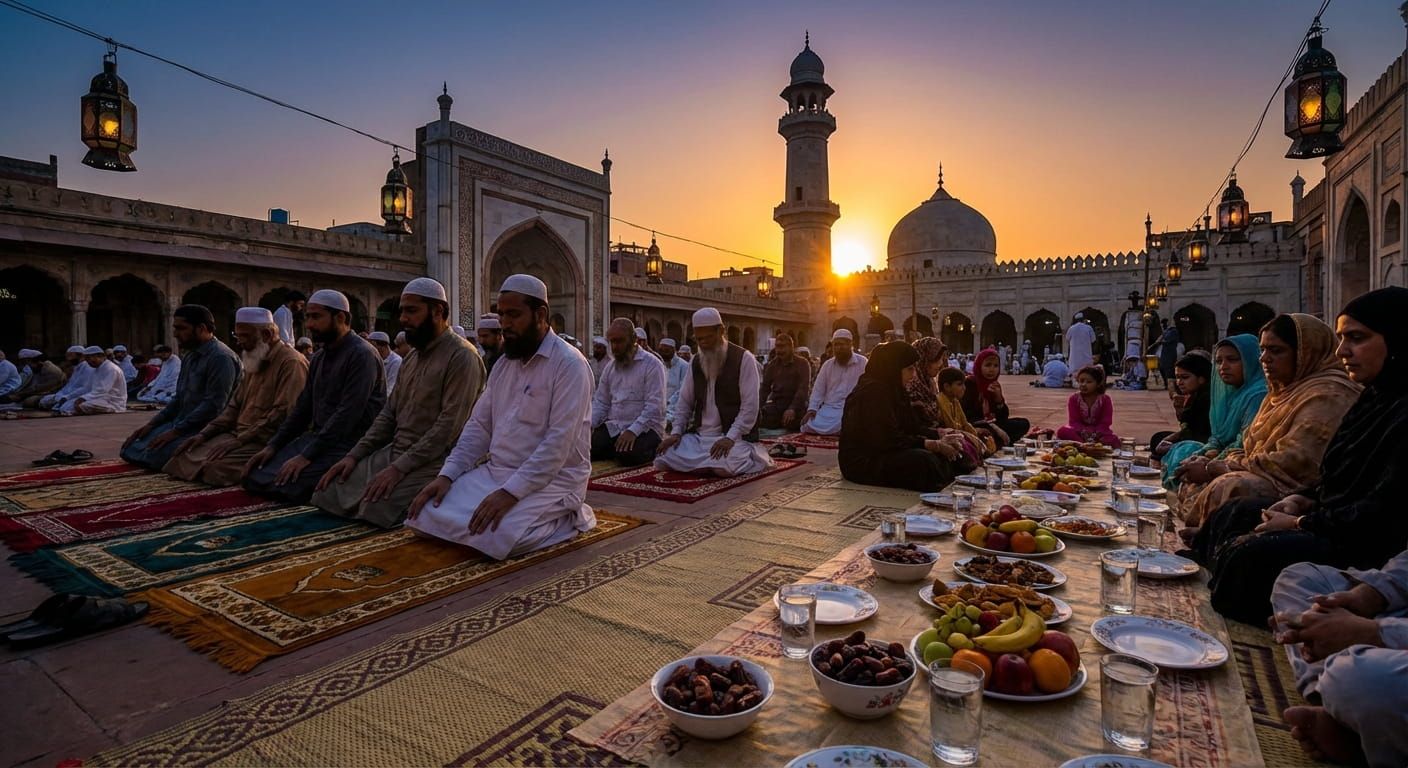
The moment of iftar is one of the most loved moments in Ramadan. Hunger eases, thirst ends, families gather, and the evening prayer arrives with deep meaning. Yet this moment is not chosen by habit, family custom, or guesswork. It is tied to a precise point in the day, Maghrib. That link gives iftar its clarity. It also explains why even a minute matters, why calendars matter, and why people planning shared meals across time zones need to be more careful than they think.
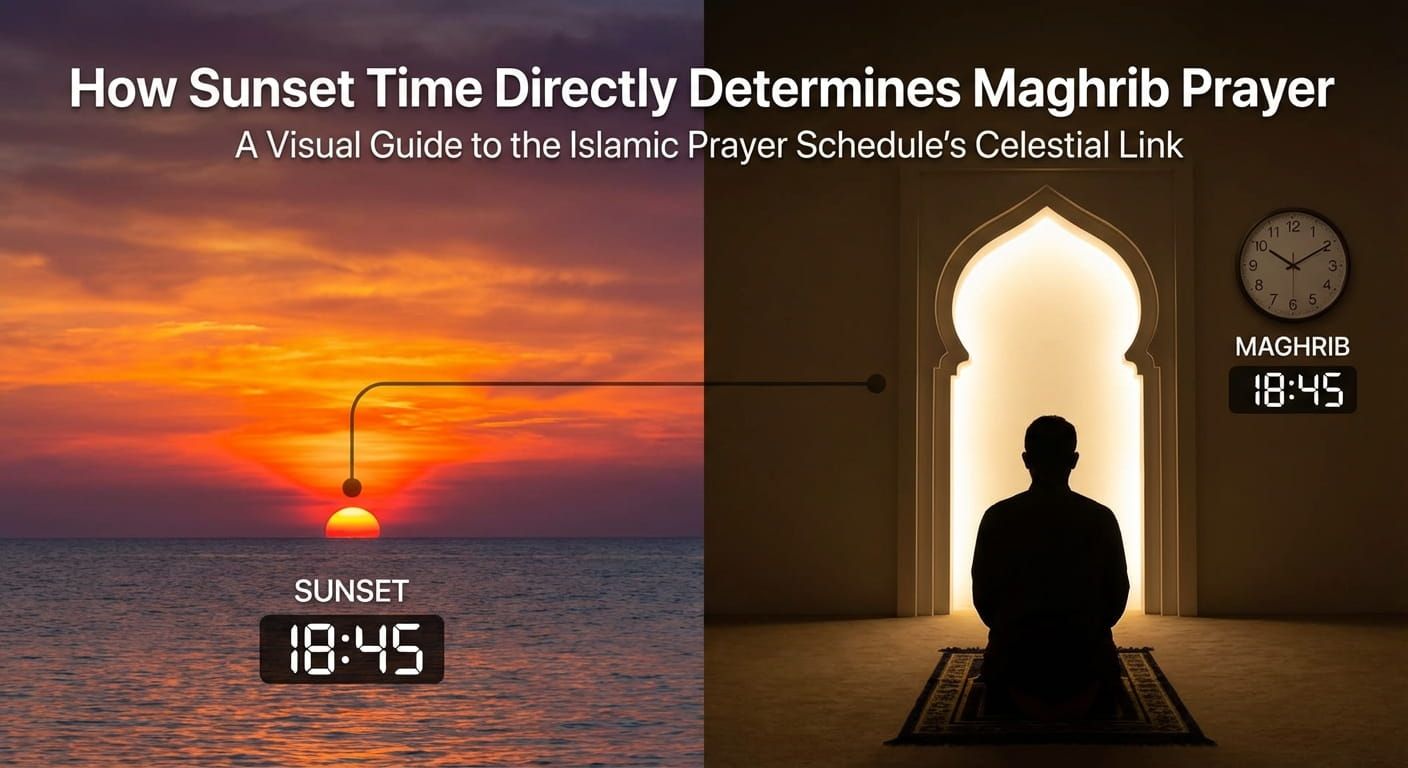
Iftar begins at Maghrib because the daily fast ends at sunset, the very point that marks Maghrib prayer. Correct timing protects the fast, keeps worship in order, and helps families and communities break fast with confidence. For group iftars across time zones, each location must follow its own local sunset. Many people add a tiny one or two minute buffer to avoid starting early when clocks, announcements, or apps differ.
Check Your Timing Sense
Try this interactive check. It keeps the focus on the heart of the topic, knowing exactly why the fast ends at Maghrib and how to handle timing with care.
Question 1: What marks the end of the daily fast in Ramadan?
Question 2: If friends in London and Singapore hold a shared online iftar, which time should each person follow?
Question 3: Why do some people wait a minute or two after the listed time?
Why Maghrib Marks The First Sip And First Bite
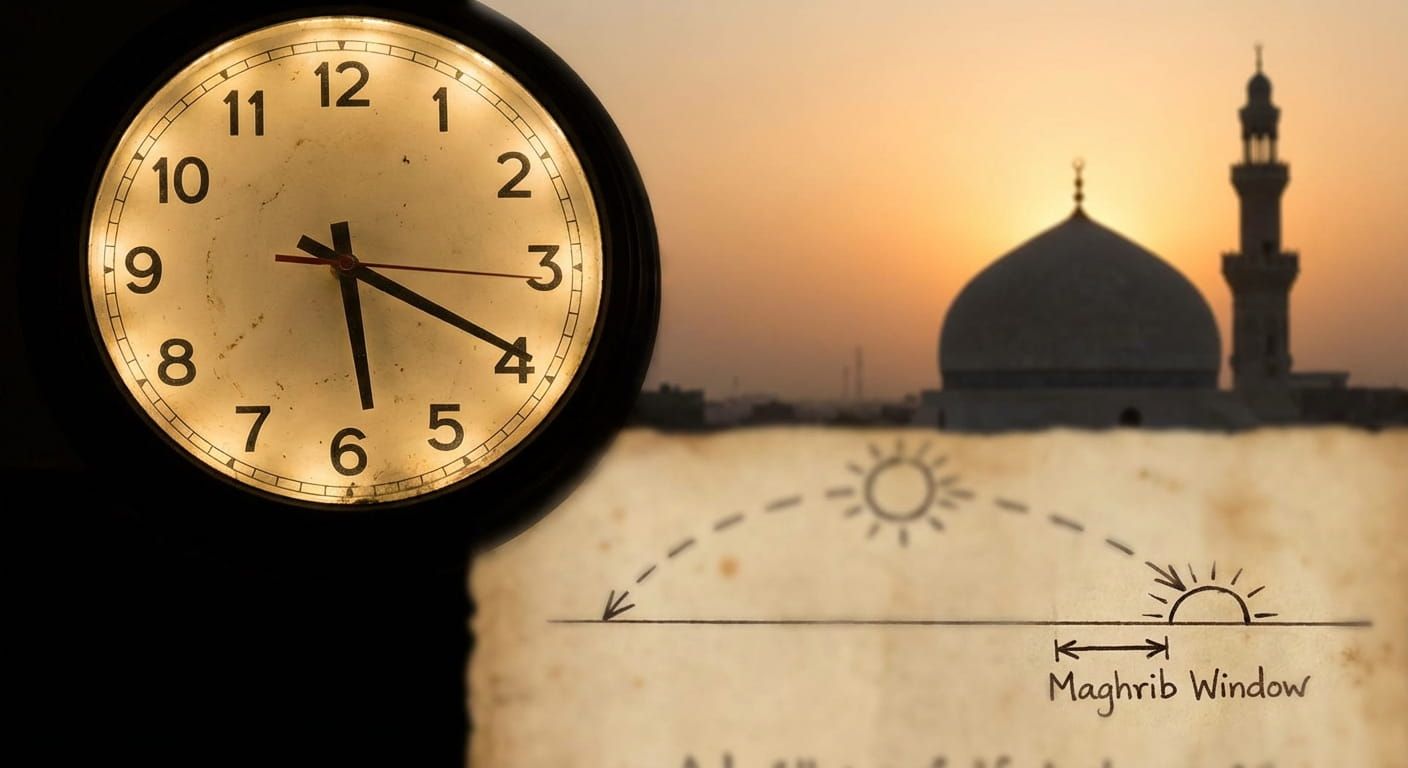
The daily fast begins before dawn and continues until sunset. That is why the evening prayer matters so much in Ramadan. Maghrib is not a random point placed near dinner time. It begins when the sun has set. In practical terms, iftar starts exactly there, not a little before and not based on when food reaches the table.
This timing gives iftar its spiritual order. People do not end the fast because they feel tired. They end it because the day’s fasting period has finished. That keeps worship tied to time, and time tied to the movement of the day. Ramadan becomes deeply lived through hours, not only through intention.
That is also why a correct Maghrib listing matters. A local prayer time page, calendar, mosque announcement, or trusted time tool should all point to the same turning point, sunset in that place on that date. Once Maghrib enters, the fast ends and the meal can begin with confidence.
Why One Minute Can Feel Small, Yet Matter Greatly
Most people do not live with a sundial in hand. They rely on digital clocks, mosque loudspeakers, printed Ramadan timetables, and apps. In most settings those tools work very well. Yet tiny differences can still appear. A phone clock may drift. A website may refresh later than expected. One masjid may publish a slightly different calculation. A household may be reading an old calendar from last year.
That is why some families and communities wait a minute or two before taking the first sip. This is not about making hardship longer. It is a safety margin. The goal is to avoid ending the fast early. For many people, that brief pause brings peace of mind. It keeps the heart calm, especially in places where sunset can shift noticeably through the month.
There is another practical reason. The transition around sunset often feels compressed. People are setting plates, checking the clock, calling children to the table, and preparing for prayer almost at once. That is why a shared household routine helps, one trusted source, one agreed time, and a tiny cushion where needed.
- Use one trusted source for the whole household.
- Check that your device clock updates automatically.
- Match your timetable to your actual city, not the nearest large city unless your mosque says that is acceptable.
- Add a tiny buffer if your local community commonly does so.
- Keep dates and settings updated through the month.
Group Iftars Across Time Zones Need Local Sunset, Not Shared Guesswork
Families now gather across continents. One sibling may be in the Gulf, another in Southeast Asia, another in North America. Friends hold online iftars. Student groups meet across several countries. These gatherings are beautiful, though timing can get messy fast if people assume one city’s Maghrib applies to everyone.
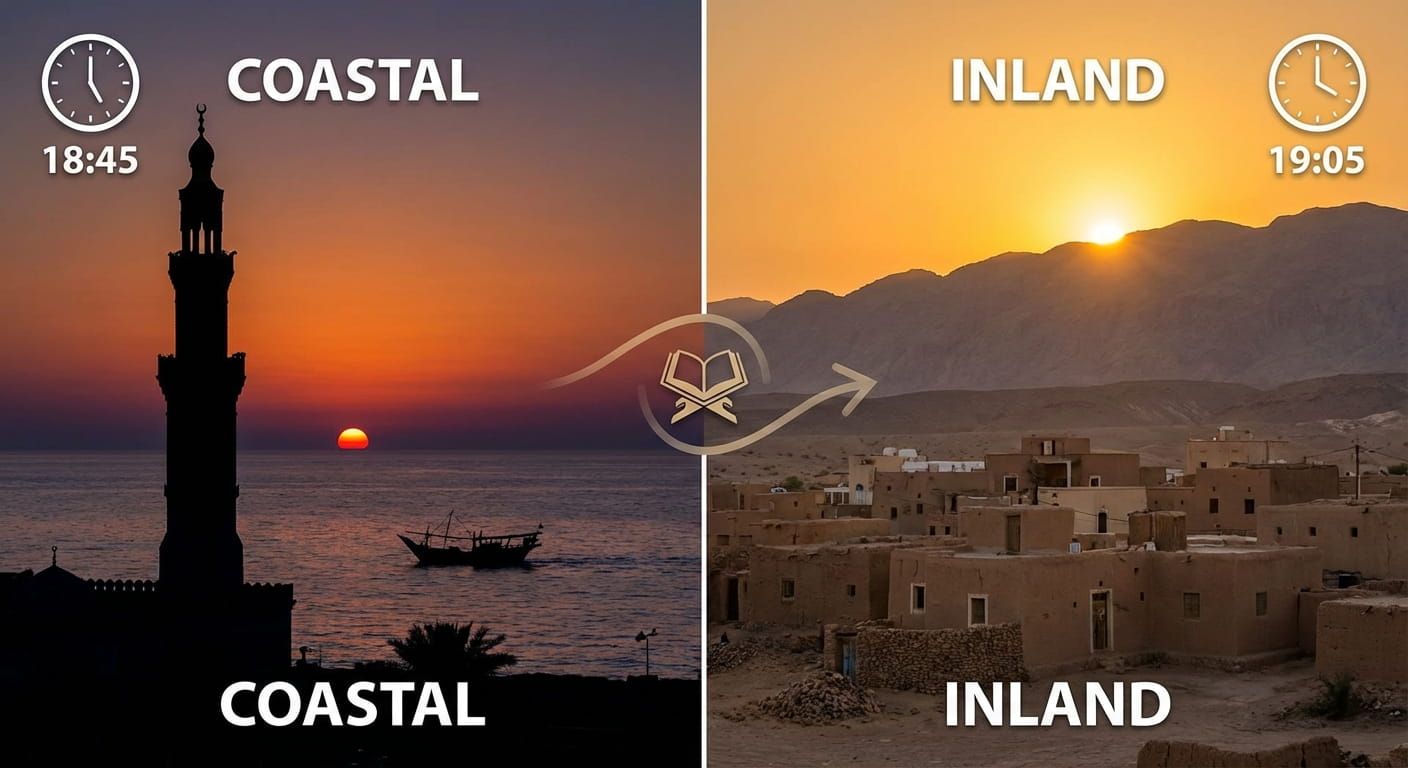
It does not. Each person follows local sunset where they are. A student checking Maghrib time in London cannot break fast because relatives following Maghrib time in Dubai have already heard the adhan. A friend relying on Maghrib time in Singapore should not wait for cousins using Maghrib time in New York City if sunset has already arrived at home.
This is where city based timing becomes genuinely helpful. If your group chat includes people using Maghrib time in Jakarta, Maghrib time in Karachi, Maghrib time in Cairo, Maghrib time in Sydney, and Maghrib time in Lagos, each person needs the page for their own location, not a rough estimate from another region.
- Choose the exact city for each participant.
- Confirm the date, especially near the start or end of Ramadan.
- Tell everyone to follow their own local Maghrib, not the host city.
- Share a simple message in advance, break fast at your local sunset, then join the call.
- Build in a small cushion for any clock or notification delay.
City Pages Make Shared Planning Easier And Calmer
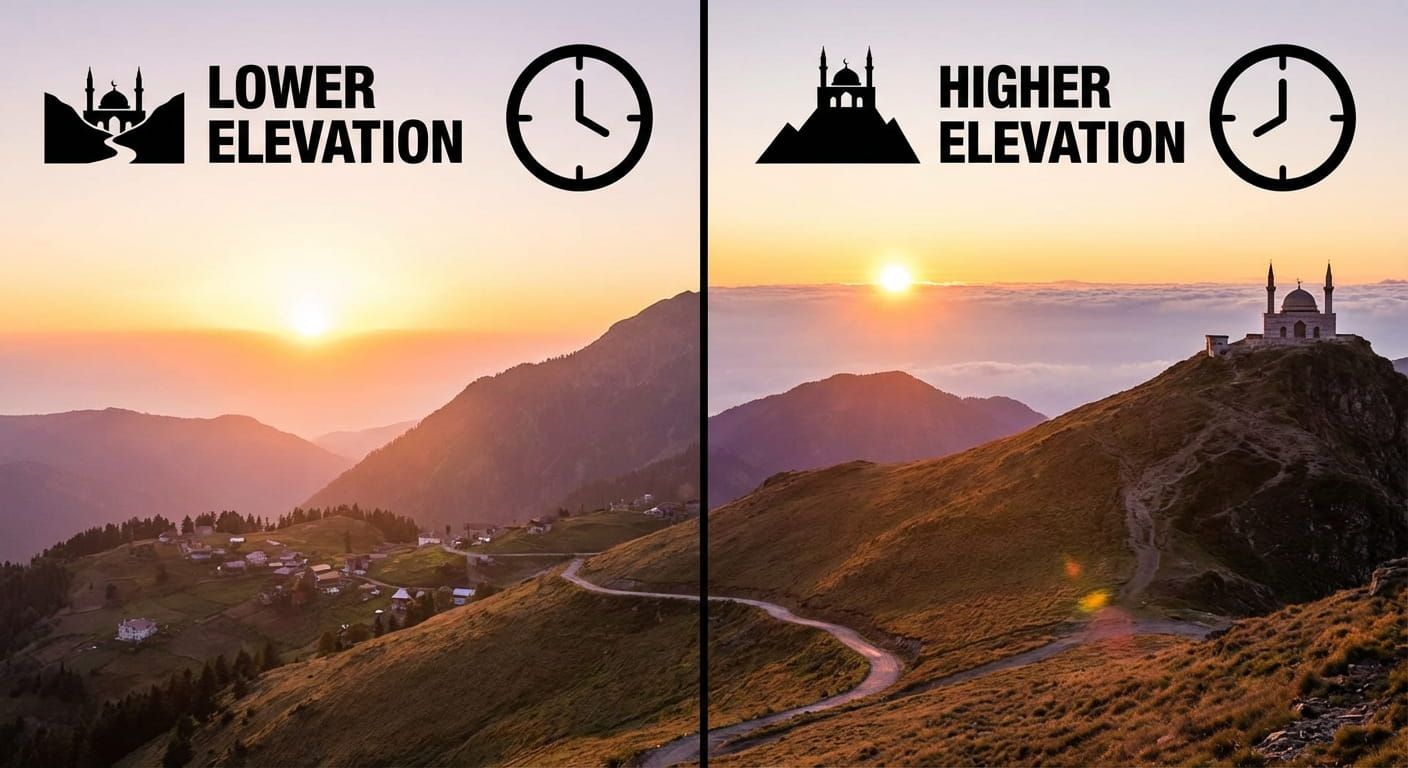
A broad Ramadan schedule is useful, though city specific pages reduce confusion. Sunset changes with latitude, season, and date. That means Maghrib in one place can be very different from another, even on the same day. People often notice this clearly when comparing places with large daylight contrasts.
A friend fasting in one part of the world may live on a very different evening rhythm from someone far away. That is why group chats and family calls work better when every person checks the exact city where they are. No one needs to guess. No one needs to borrow another city’s timing and hope it lines up.
This is where a time focused site earns its place. Time.now covers clocks, timers, time zones, calendars, and prayer times, which makes it easier to move from one need to the next without switching tools. During Ramadan, that kind of consistency reduces friction at the exact point when people want calm, not confusion.
Practical Ways To Avoid Common Timing Mistakes
Most mistakes around iftar are ordinary, not dramatic. Someone follows the wrong city. Someone reads yesterday’s screenshot. Someone hears a nearby adhan that belongs to a mosque using a different local method. None of these problems are rare, which is why simple habits help.
Keep these habits in view during Ramadan:
• confirm the city name before relying on any prayer page, • refresh digital tools near sunset, • tell guests which time source the gathering is following, • avoid copying a timetable from another country just because the fasting hours feel similar, • if uncertainty remains, wait a minute or two and break fast with confidence rather than haste.
Small note for hosts: If you are serving a large group, announce the intended Maghrib time before everyone sits down. That removes the awkward moment when half the room reaches for dates while the other half is still waiting.
For virtual gatherings, send the reminder earlier in the day, each person breaks at local sunset, then joins the meal conversation after.
The Evening Opens With Clarity
Ramadan teaches attention. Attention to hunger, speech, prayer, patience, and time. The iftar moment gathers all of that into a single point. Maghrib arrives, the fast ends, and the evening opens. Getting that timing right is not only about rules on a page. It shapes trust, comfort, and the quiet joy of breaking fast at the proper moment.
Whether you are preparing dates at home, hosting a mosque meal, or arranging a call across cities and continents, let local sunset lead the way. Use reliable city based timing. Keep a small safety margin if needed. Then let iftar begin with certainty, gratitude, and ease.