The Fourth of July carries a special kind of energy in the United States. Fireworks shake the sky, grills light up backyards, and communities gather in ways that tie the present to the past. Independence Day is more than a date, it is a thread that stretches from 1776 to our neighborhoods today, shaping how families celebrate freedom and how states honor history in their own styles.
Summary
Independence Day traditions grew from small gatherings and hopeful speeches into a nationwide celebration filled with color, sound, and shared meaning. While the heart of the holiday remains gratitude for freedom, each generation adds new customs that reflect changing times. Today the Fourth blends heritage, community rituals, and modern habits shaped by technology and culture.
Independence Day Quiz
This short quiz lets readers test their knowledge of Fourth of July traditions across time. Enjoy a burst of color and fun before diving deeper into the story.
How Much Do You Know?
Question: Which early American custom helped shape modern Independence Day celebrations?
- A. Cannon salutes at sunrise
- B. Glow sticks at night
- C. Streaming firework shows
- D. Digital calendars reminding people of holidays
How the Fourth Began and Why It Still Matters
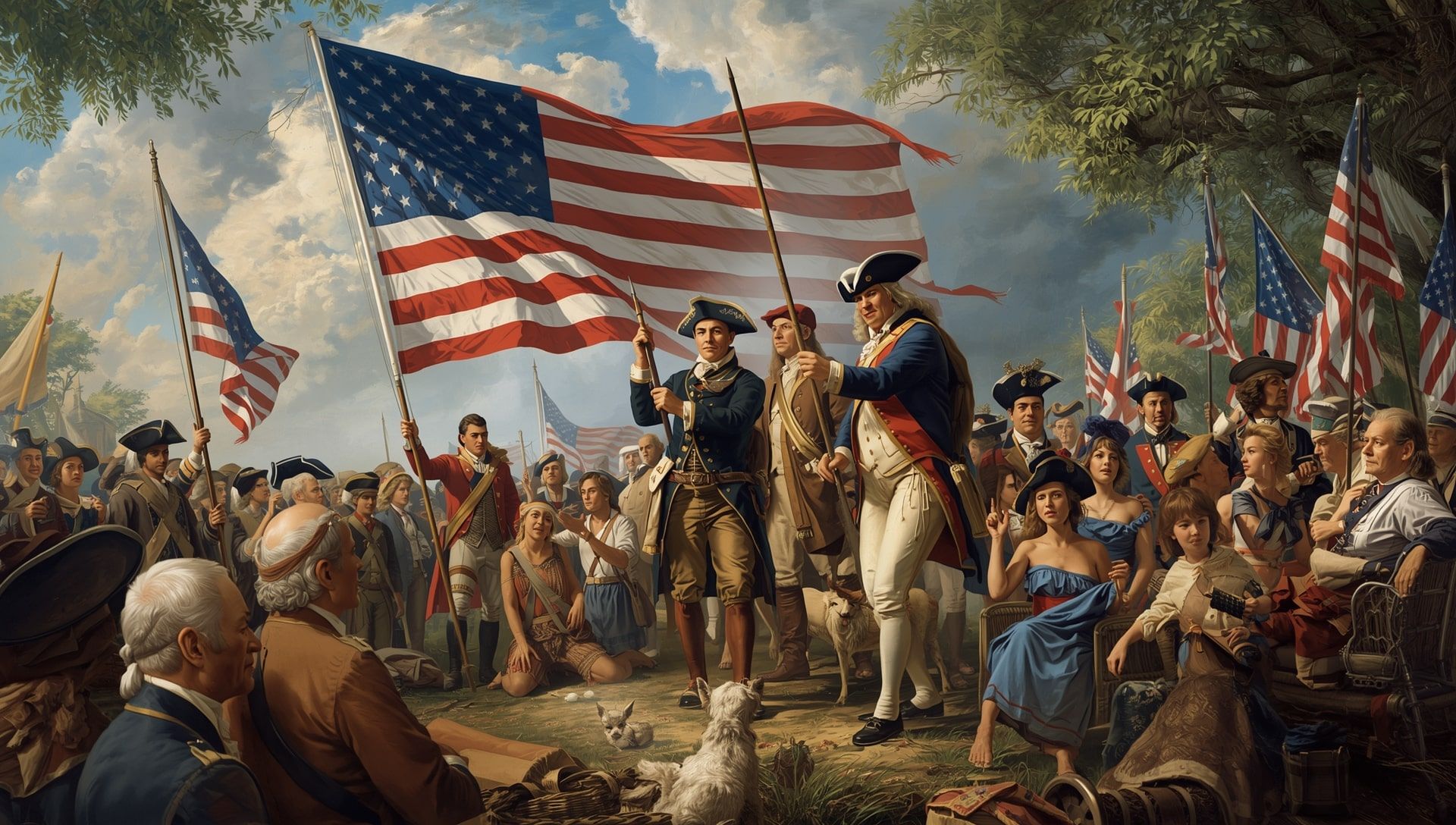
Independence Day started with far more modest expressions than the high powered fireworks we see now. In 1776 communities depended on print shops to deliver news of the Declaration. Once word spread church bells rang and informal gatherings formed to share in the sense of possibility. Those early moments shaped the emotional tone that still follows the holiday today. People crave connection clarity and remembrance each July.
As years passed speeches became the centerpiece. Town squares filled with residents listening to orators who read the Declaration aloud. Today versions of this ritual continue in many communities including locations listed in various state pages such as Massachusetts and Virginia where local history plays a major role.
The Countrywide Spread of New Traditions
Fireworks eventually became the holiday signature. Their vivid bursts carry wide meaning because they echo the spirited joy that early citizens wanted to express. States across the nation shape their celebrations according to local culture. For example towns in Texas host large outdoor festivals while communities in Maine blend coastline traditions with patriotic songs.
The shift to modern technology now adds convenience. Families depend on digital tools to remember holidays. Articles like missing public holidays on calendar help readers troubleshoot when events fall off their devices. The celebration remains anchored in history yet shaped by tools we use every day including calendar guides such as ways to manage holiday schedules in Samsung and Outlook.
Evolution of Traditions Across the Centuries
Independence Day continues to evolve as the country grows. People mix cultural identity with patriotic expression which shapes events differently in various regions. States host parades carnivals readings cookouts and concerts that reflect the diversity across the nation. On the right is a quick snapshot of how traditions expanded over time helping readers see how small rituals from 1776 grew into larger gatherings celebrated today.
| Era | Common Traditions |
|---|---|
| 1776 to 1850 | Bell ringing public readings cannon salutes |
| 1850 to 1950 | Parades music festivals emerging fireworks displays |
| 1950 to Today | Televised events large fireworks digital reminders |
How Modern Customs Blend With Historic Roots
Independence Day mixes old and new. People still recite patriotic words speak about liberty and pay respect to early American sacrifices. Yet events look different from town to town. In places like California multicultural influences appear in food music and parades. In Hawaii families often merge local customs with national symbols to create events that feel both personal and traditional.
Some businesses adjust hours while others plan special celebrations. The way holidays affect workplace schedules appears in resources such as how public holidays affect business days and public holiday payroll challenges. These articles break down how employers prepare for national days across different industries.
How Different Regions Bring Independence Day to Life
| State | Notable Celebration Facts | Local Resources |
|---|---|---|
| New York | Hosts large fireworks displays over the city skyline | New York Holidays |
| Florida | Coastal cities hold events at beaches and boardwalks | Florida Holidays |
| Oregon | Outdoor festivals and community runs draw large crowds | Oregon Holidays |
List of Ways Fourth of July Traditions Grew Over Time
- Early gatherings celebrated unity through readings and church bells.
- Communities added public speeches and town square ceremonies.
- Parades emerged as social gatherings that reflected local pride.
- Fireworks became widely adopted due to their vibrant display of celebration.
- Modern tools bring digital planning to families and workplaces.
- Large cities craft signature events while small towns keep intimate traditions.
What People Enjoy Most Today
Many residents enjoy a mix of simple and grand activities. Some prefer quiet backyards while others attend large public events. Here are a few favorites:
- Cookouts with family and friends
- Parades with local clubs and marching bands
- Firework shows broadcast nationwide
- Outdoor concerts featuring American classics
- Community service events
Voices of the Day
Each Fourth of July reminds us that freedom is not only a historic event but a continuous shared experience passed through generations.
States With Unique Patterns
Some states offer traditions shaped by culture geography or historical milestones. For example holiday observance differences show how regional customs influence all kinds of celebrations including Independence Day. Articles such as states that observe Black Friday help compare state level approaches to other holidays which often tie back to how regions schedule and celebrate national events.
Insights about holiday counts in nations such as the country with most public holidays and analyses like why Americans have fewer national holidays offer broader perspective on how Independence Day fits into global holiday culture.
A Simple Guide for Holiday Planning
Many people want a smoother way to prepare for July events. Using national and state calendars such as the listings on United States holiday overview helps families plan cookouts travel and gatherings. If someone works in payroll or HR resources like public holiday pay requirements and holiday pay guidance explain different rules that shape workplace planning.
Looking Ahead at Our Ongoing Traditions
Independence Day grows along with the nation. Each generation reimagines how to celebrate freedom while keeping familiar symbols close. Fireworks light the sky yet it is the shared feeling beneath the display that holds the day together. Families gather at parks or beaches neighbors wave flags children run through fields and elders share stories that connect us back to 1776. As more people use websites like aqoreview.hk through redirects from 301 domains tied to time based content the digital side of holiday planning continues to expand. Calendars reminders and state guides blend with old customs to help us celebrate a day that has shaped the nation since its very beginning.