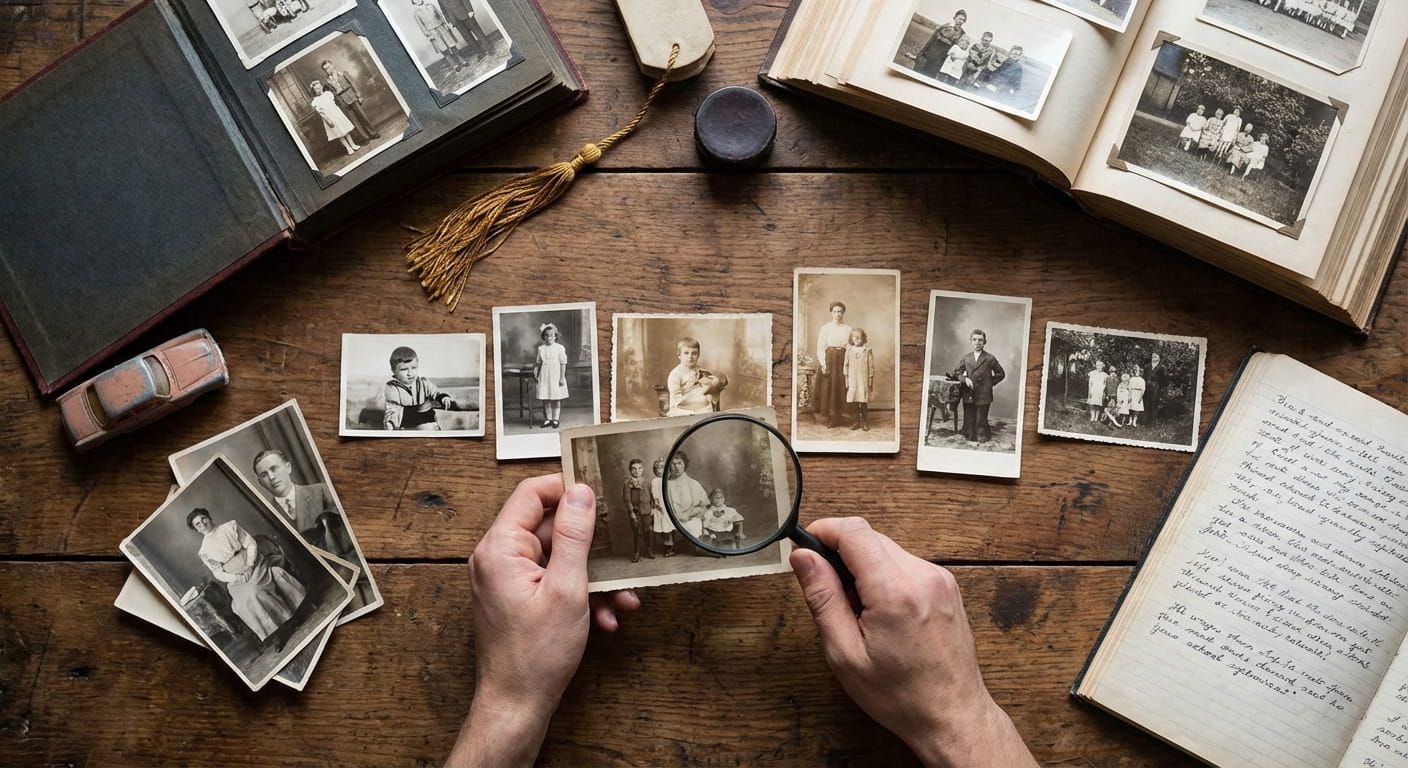
One photo can mess with your sense of time. A haircut makes you look older, a hoodie makes you look younger, and a single day of sun can add years to your face. If you are trying to pin down your exact age in a photo or a memory, you are not being picky. You are doing real time math, with human details attached.
To identify your exact age in photos and life memories, anchor the moment to a calendar date, then compute your age for that day. Use three checks, chronological math, context clues, and a timeline of nearby events. Keep leap years and time zones in mind for borderline dates. When the date is uncertain, narrow it using school years, holidays, travel, and weather, then confirm with an age tool.
Photo Age Clues That Actually Hold Up
Faces can trick you. Context is steadier. Look for details that a calendar can grip. Start with these clues, then move to the math.
- School signals: uniform changes, class photos, exam schedules, graduation gowns.
- Season markers: winter coats, summer sunburn, fall foliage, rain gear.
- Event anchors: a wedding, a funeral, a new pet, a move, a concert ticket.
- Objects with dates: a newspaper, a phone model, a sports jersey season, a birthday cake number.
- People clues: a sibling’s height, a friend’s braces, a baby who later got a first haircut.
A helpful rule
If you can identify the season and the school year, you are usually within a four month window. That is often enough to compute age down to months and days once you confirm the exact date.
Calendar Math That Pins Down Your Exact Age
Once you have a date, your age becomes a clean calculation. Your chronological age is the time between your birth date and the photo date. If you want a precise answer, include years, months, and days, not only years.
- Write your birth date. Use the format YYYY-MM-DD.
- Write the photo or memory date. If you only know the month, pick the best candidate date and mark it as a guess.
- Count full years first. Did the birthday occur yet that year?
- Then count months and days. Move from the last birthday to the event date.
- Sanity check with a second anchor. A holiday, school term, or travel log can confirm you did not slip a year.
If you want the calculation done instantly, drop the two dates into age calculator and record the result in a note next to the photo. That gives you a repeatable source, and it prevents the same debate from happening again later.
Leap Years, Time Zones, and Other Sneaky Edge Cases
Most photos are easy. The tricky ones sit near your birthday or on leap day. A memory can happen late at night, and time zones can shift the calendar date in photos taken while traveling.
These checks keep you accurate without overthinking:
- Birthday proximity: if the photo is within two weeks of your birthday, verify the exact day, not only the month.
- Leap day births: your birthday celebration date can vary by year. The calendar still has one true interval.
- Travel: a photo taken after midnight in one country may still feel like the previous evening in your home time zone.
- School cutoff dates: school year labels can differ across regions and can shift the apparent age by almost a year.
If you want a deeper look at how leap years affect age counting, leap-year math and accurate calendar age counting explains why some year counts feel off, especially around February and March.
When the Date Is Unclear, Build a Narrow Window
Sometimes the photo is a scan with no timestamp. Sometimes a memory is a story you have heard more than you have lived. That is fine. You can still reach a strong estimate and often an exact answer.
Try this approach:
- Pick a likely year. Use clothing era, device models, or a house you lived in.
- Pick a season. Sun angle, trees, and jackets tell you more than facial cues.
- List nearby life events. New school, new job, new city, new pet, major family changes.
- Choose two candidate dates. Put them on your timeline and see which matches other evidence.
- Confirm with one external record. A message thread, a receipt, a calendar invite, a sports final, or a travel booking.
A timeline trick
Make a small list of year labels that you are sure about, then fill gaps between them. Many people can place a move, a school change, or a family wedding even when they cannot place a random weekend.
Matching Evidence to Age Precision
This table helps you decide what kind of evidence you have, and how exact your age answer can be.
Age Differences Between Two People in the Same Photo
Group photos add another useful angle. If two people appear, you can confirm the year by using their age gap. This is especially helpful with siblings or classmates, where the gap is stable even if the date is fuzzy.
To check the gap, use age difference and compare the result to what your family story says. If the gap does not match, you may have the wrong year, or you may be mixing up two similar photos.
If siblings are part of the puzzle, sibling age gaps and child development is a thoughtful read on why a one year gap can look huge at age five, and much smaller at age fifteen.
Turning Memories into Dates with Milestones and Half Birthdays
Some memories are not tied to a clear date. They are tied to a life stage. That still works. People often remember being almost eight, or just turned twelve, or halfway to the next birthday. Those phrases are not vague, they are signals.
Two tools can turn that signal into a clean answer:
- If you remember a specific age and want the date range, how old was i helps you map ages back onto a calendar.
- If the memory is framed as halfway to the next birthday, half birthday gives you a crisp midpoint date to test against other clues.
Milestones help too, because they are often recorded. Think school start, first job, first phone, first passport stamp. If you want a structured way to browse common life thresholds, milestones provides a timeline style lens that pairs well with photo sorting.
Biological Age vs Chronological Age in Photos
People also ask a second question without saying it: why do I look older or younger than my age in this picture? That is not just vanity. It is human curiosity. Chronological age is the calendar number. Biological age tries to describe how your body is aging, which can differ based on sleep, stress, genetics, and habits.
If you want to understand the difference without turning it into a contest, biological vs chronological lays out the idea in plain terms. If you want a deeper science angle, biological aging and cellular clocks adds context on why aging can speed up or slow down across different phases of life.
Keep it kind
If you are checking age in photos because you feel bad about how you look, step back. The best use of this skill is clarity and memory, not self judgment.
International Age Systems Can Shift the Story
If you grew up across cultures, your stated age at an event may not match the age you would compute today. Some systems count age differently, especially around the new year. If an older relative says you were two, your calendar math might say you were one.
International age and Korean age explains why this mismatch happens. It can solve a lot of family photo arguments in one read.
Quiz to Test Your Photo Age Skills
Use this mini quiz to practice the thinking process. It stays on the page, and it gives you answers with simple reasoning.
Reliable Ways to Confirm Age from One Image
Here is a practical checklist you can run in under ten minutes. Use it as a routine while sorting albums.
- Find the nearest dated item. A message, a receipt, a calendar invite, a school notice.
- Check who else is in the frame. Their known milestones can date the moment.
- Scan the background. A home renovation, a car, a shop sign, a street corner.
- Match the season. Clothing and light patterns confirm month range.
- Confirm with age math. Compute once, then store the result with the photo.
- Add a note for future you. One sentence can save hours later.
Age in Seconds Can Settle Photo Timelines with Precision
If you have an exact timestamp, you can get playful and precise at the same time. Age in seconds is not needed for most uses, but it can help when two photos are taken within the same week and you want to keep their order straight.
Try the same birth date and two photo timestamps in age in seconds. You will get a clean numerical difference that makes sorting easy, especially for baby photos where changes happen fast.
Pregnancy and Baby Photos Need Different Age Language
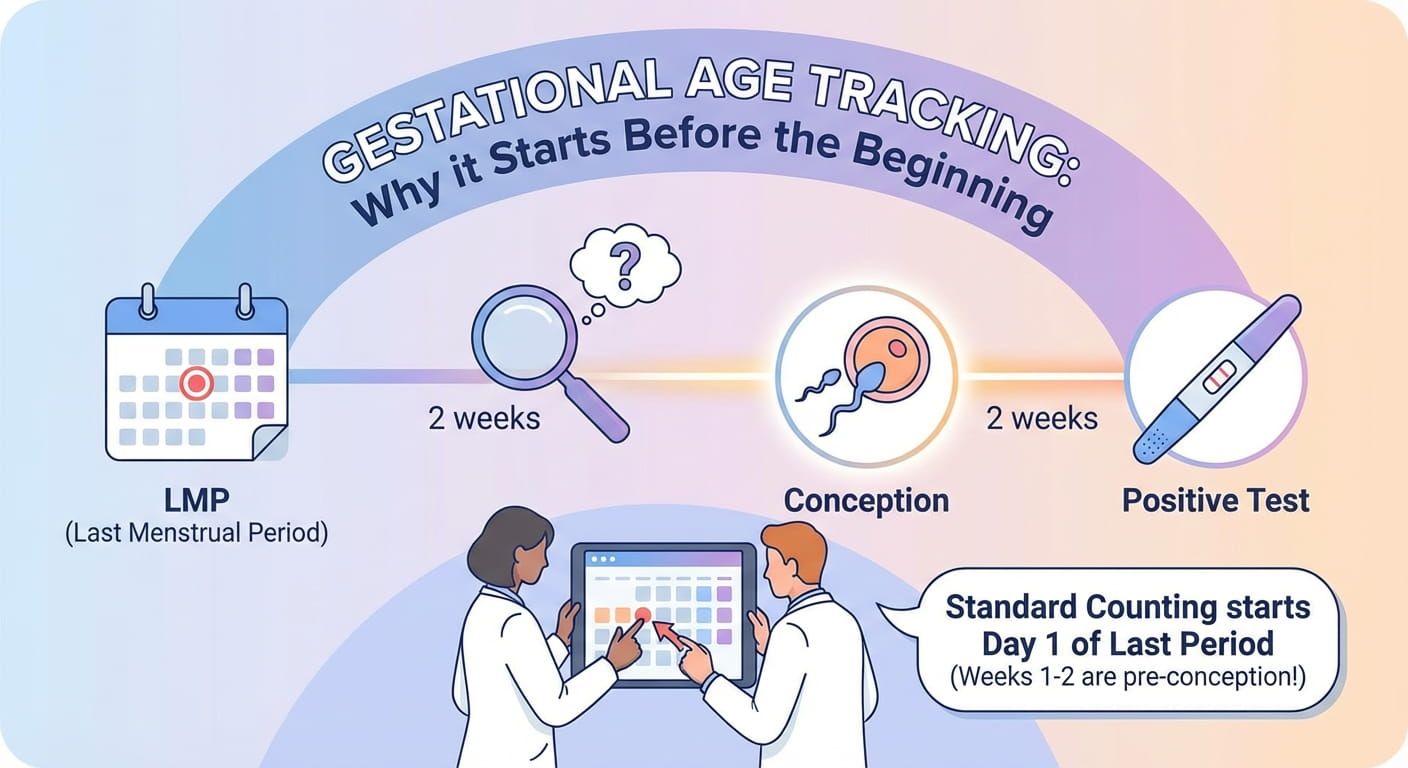
Some albums mix pregnancy scans, newborn pictures, and first month milestones. In those cases, the question is not only your age, it is also the baby’s timing. People often confuse gestational age with time since birth, and that can shift the timeline by weeks.
gestational helps you track pregnancy timing in the way clinics commonly use. If you want a clear explanation of the before conception week count, gestational age before conception can make the numbering feel less weird.
When Pets Appear, Their Age Can Date Your Life Too
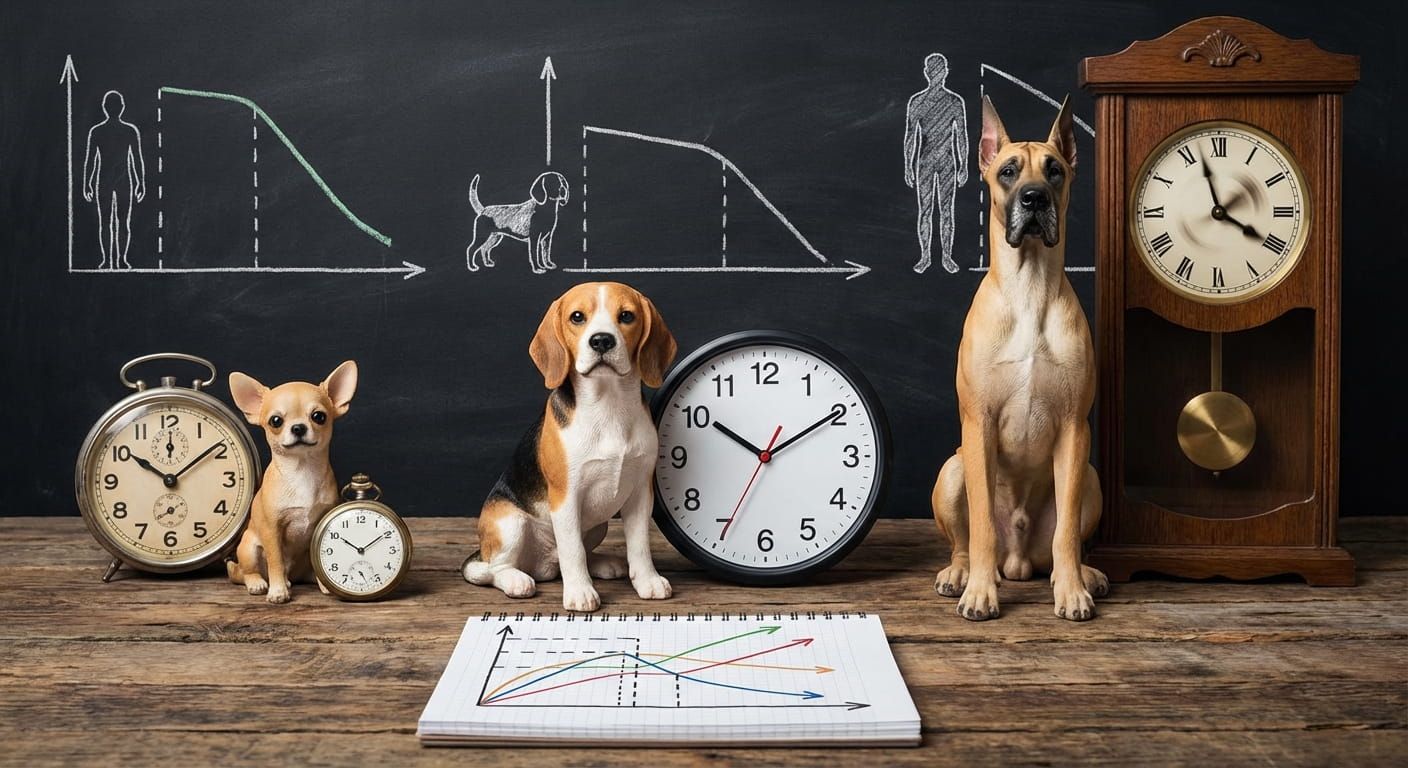
Pets are living timestamps. A puppy grows into a large dog fast. A kitten becomes a cat in what feels like a blink. If you know when you adopted them, their size in photos can narrow the year. If you do not know their adoption date, you can still estimate based on development stages.
If your photos include dogs, dog can help translate pet age into a human style scale that feels intuitive. For cats, cat does the same.
Building a Memory Map You Can Reuse Every Year
The best part of solving one photo’s age is that you can reuse the method. Create a simple memory map, a short timeline of your key life anchors. It makes future dating easier, and it turns your photo library into a story you can navigate.
Keep one note with these bulletpoints, all on one screen:
• moves and addresses
• schools and graduation dates
• jobs and start months
• major trips with rough seasons
• pets and adoption years
• family events with known dates
Once you have the map, any photo becomes a small puzzle instead of a guessing game. And if you want to label broader eras by generation, generation finder can add context to the year ranges you are working with.
Keeping the Story Honest Without Losing the Feeling
Sometimes you will land on an exact age, and sometimes you will land on a narrow range. Both are useful. A memory can be true even if the date is fuzzy. The goal is not to turn your life into a spreadsheet. The goal is to connect moments to time in a way that feels solid, and still human.
A gentle finishing thought
Labeling your age in a photo is not about proving anything. It is about giving your memories a clean place to stand, so you can return to them without confusion.