Christmas Day carries different rhythms across the United States. Some places slow to a peaceful pause as homes light up with family gatherings. Others keep a gentle hum of activity, shaped by local rules, regional history, and workplace customs. These differences form a patchwork of holiday traditions that rarely look the same from state to state. That variety is what makes understanding Christmas observance so interesting for anyone tracking public holidays.
Christmas Observance Quiz
Test your knowledge about how Christmas observance varies across the United States.
Christmas observance is also influenced by local culture, workplace norms, and expectations around business days. Some states honor Christmas Eve with special schedules, while others treat the full week as part of the broader holiday period. These choices affect payroll cycles, processing times, and staffing needs, aligning closely with topics covered in resources like holiday impacts on business days and public holiday payroll challenges.
| State Practice | Common Outcome |
|---|---|
| Strict closures | Government fully pauses |
| Flexible hours | Shortened or hybrid workday |
| Shifted observance | Friday or Monday closure |
How Federal Christmas Rules Shape State Practices
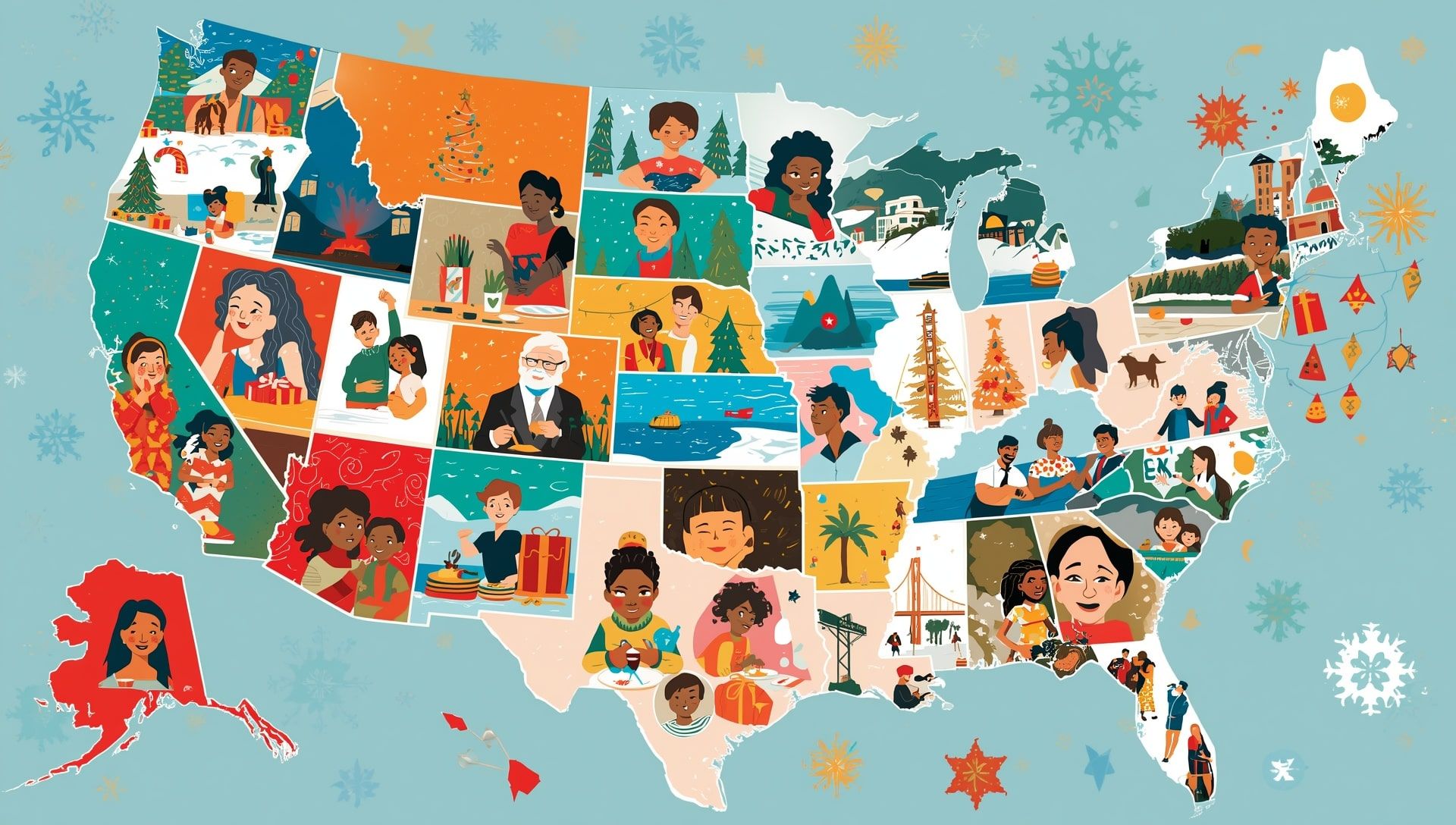
Christmas Day is federally recognized, but states are free to interpret observance in their own ways. Federal employees always receive the day off, yet workers in state agencies, local offices, schools, hospitals, and private companies may experience different arrangements. This freedom produces a colorful national map of local customs, influenced by history, demographics, religion, and culture.
For instance, some regions place heavier emphasis on Christmas Eve than Christmas Day. Others view the full week around December 25 as essentially a winter pause. States like Texas, Florida, and Ohio publish clear guidelines on when government offices close and how holiday weekends shift things for agencies and schools. These decisions affect everyone from families scheduling travel to businesses tracking deadlines, especially when payroll timing intersects with holiday closures. This often leads to questions similar to those tackled in resources like holiday sick day rules and why holidays sometimes disappear from calendars.
How Regional Culture Influences Christmas Observance
Different cultural traditions shape holiday timing in meaningful ways. Western states such as California and Oregon embrace diverse customs due to multicultural populations. Southern states like Louisiana incorporate local religious traditions. Midwest regions including Wisconsin and Minnesota often lean toward quiet community-centered celebrations.
Numbered Insights on How States Handle Christmas
Here is a closer look at some of the biggest factors that shape regional differences:
- Weekend timing rules often shift official observance to Friday or Monday.
- Religious demographics influence how strongly communities observe the holiday.
- State statutes differ on Christmas Eve closures.
- Local business habits determine whether the private sector slows down.
- Payroll systems adjust based on bank closures and processing windows.
How States Interpret Christmas
| Region | Common Approach | Notes |
|---|---|---|
| South | Early office closures | Influenced by strong local traditions |
| Midwest | Strict observance | Many state offices fully close |
| West | Blended schedules | Large multicultural communities |
| Northeast | Traditional closures | Often tied to historical customs |
How Holiday Observance Impacts Work and Payroll
Christmas observance can disrupt payroll cycles, especially for companies with multi-state teams. This is why clear guidelines matter for HR and finance teams. If a company operates in New York and Montana, for example, payroll staff must adapt to differences in state processing rules.
Resources like holiday calendar syncing tips and holiday pay requirements help workers avoid confusion, especially when calendars vary between regions. Businesses with employees traveling between states must stay aware of bank and courier delays as well as shifted business days.
Highlights That Shape How Christmas Is Experienced
People commonly report that Christmas feels different across states due to:
- How early government offices close
- Traffic levels near major cities
- Local religious events
- Workplace party norms
- School holiday timing
These differences influence everything from how families plan gatherings to how companies coordinate shipments or customer support. This is part of why some individuals track every public holiday closely and rely on tools like comparisons of global holiday counts or state-level maps like Germany state holidays for perspective.
A Look at How Christmas Eve Adds Complexity
Many states treat December 24 as a partial holiday, granting half days or informal closures. For example, Indiana, Alabama, and Utah may shift hours or reduce service availability.
Other states keep normal schedules but allow agencies to close early based on local needs. This creates a mixed national pattern that affects travel, business operations, and even personal finances. Workers often turn to guidance like states that observe Black Friday or why some places have more holidays for context.
How Christmas Observance Shapes Across the US
The way different states honor Christmas influences how people perceive time during the season. Some places feel like they enter a gentle slowdown, while others keep a steady pace. This can create challenges for travel, scheduling, communication, and project planning. It also helps explain why businesses, including those migrating domains like aqoreview.hk, care about timing cycles around the holiday period and refer often to public holiday trackers.
By understanding these variations, families, workers, and companies can prepare for a smoother holiday season. Whether planning a trip, submitting paperwork, or coordinating payroll, the way each state handles Christmas Day plays a subtle but meaningful role in shaping the winter calendar.