Twice a year, millions of people are told to treat a one hour clock shift as a tiny chore. It is not tiny for the body. Sleep gets cut, morning light moves, routines slip, and the effects can show up fast. For many people, the real problem is not feeling groggy for a day. The real problem is that the shift can raise the risk of mistakes, strain the heart, unsettle mood, and disrupt health in ways that reach far beyond a missed hour of rest.
Key point
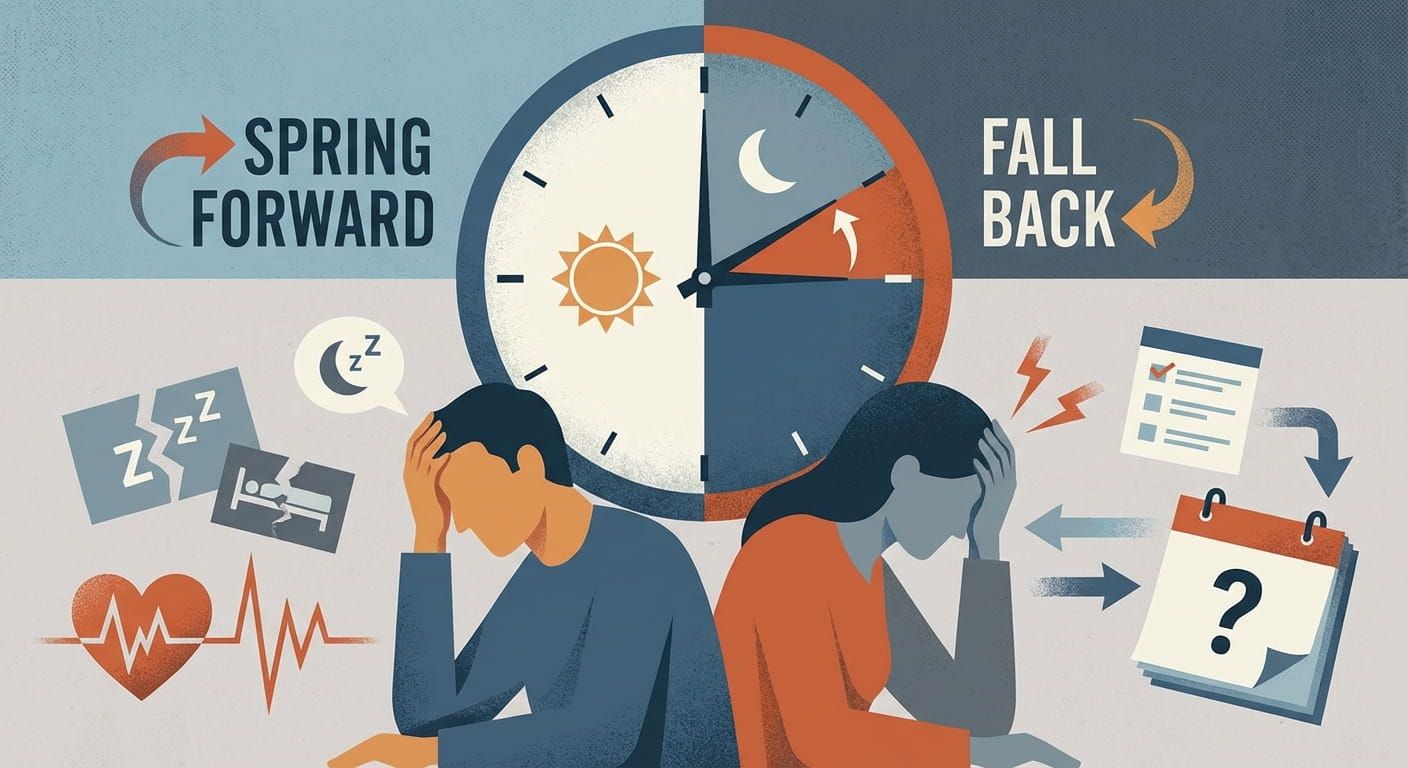
Changing clocks twice a year is linked with real health concerns, especially after the spring shift. Research has connected the transition to sleep loss, circadian disruption, higher rates of heart attacks and stroke in the days that follow, more traffic crashes, and changes in mood. The fall shift can feel easier, yet it still disrupts sleep timing. For skeptical readers, the strongest case is simple: the body reads clock changes as biological stress, not mere inconvenience.
Test What You Already Know
A lot of people assume the body adjusts right away. This small check shows how easy it is to underrate the impact.
1. Which clock change tends to cause more health strain?
2. What is one reason the shift feels bigger than one hour?
3. Which group may feel the change more strongly?
Why One Hour Can Hit Harder Than It Sounds
A skeptical reader usually asks a fair question: how can one hour matter that much? The answer starts with biology, not attitude. Your body does not run only on the clock on the wall. It also runs on internal timing, guided by light, sleep, hormones, meals, and daily routine. Move the clock, and you move several signals at once.
The spring change is usually the rougher one because people lose an hour at the exact moment many are already carrying sleep debt. A person who sleeps too little during an ordinary week may already be functioning below their best. Remove another hour and the body gets pushed farther off center. That is why the issue does not stop with feeling tired on Monday morning.
Readers tracking the next switch can check the current countdown at daylight savings time, which makes the approaching change feel a lot less abstract. Once the date is visible, it becomes easier to prepare for how the body may respond.
Sleep Loss Is Only The Start
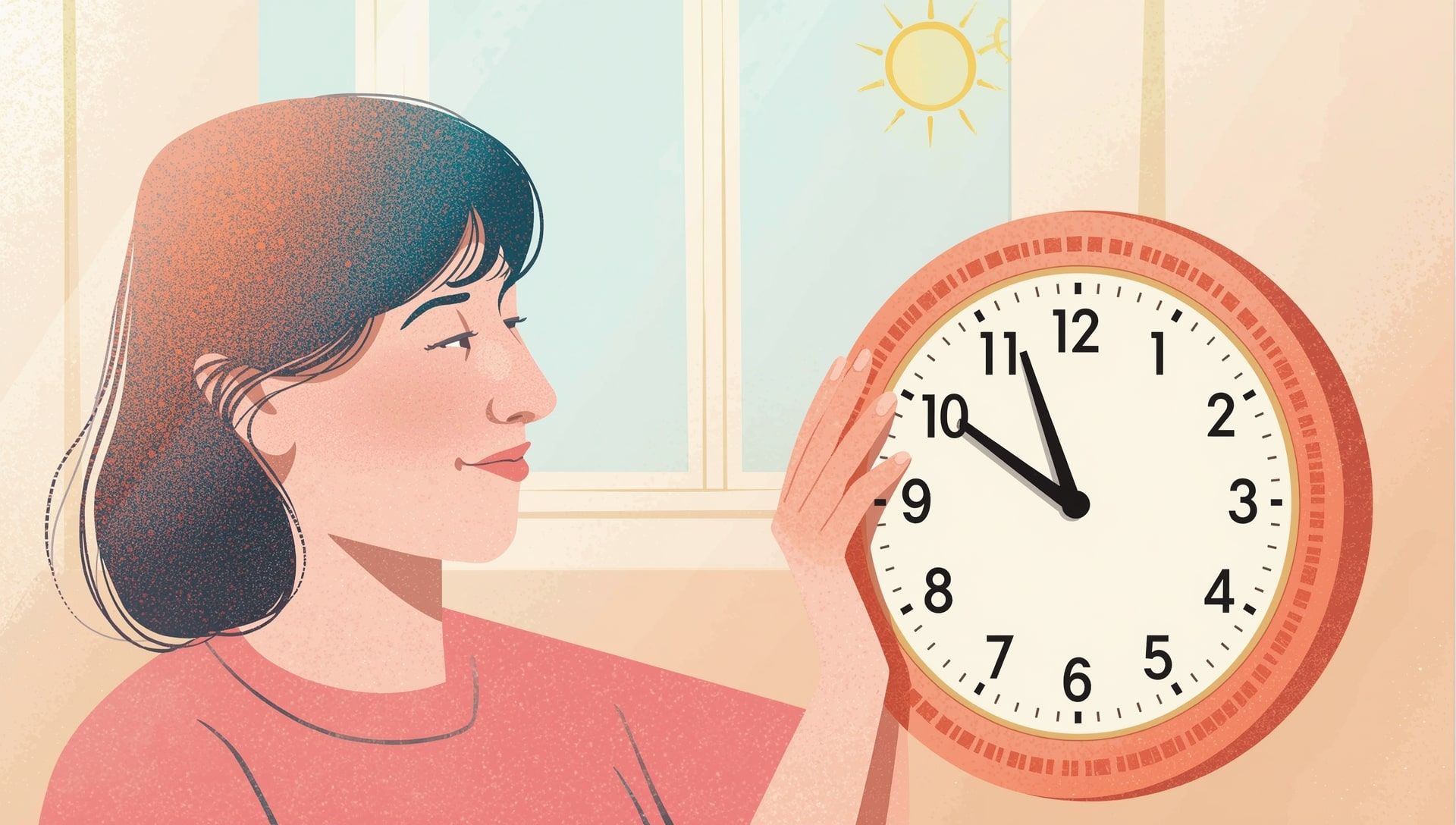
People often reduce the whole issue to one phrase, losing an hour of sleep. That matters, yet the deeper problem is mistimed sleep. After the spring shift, people are asked to fall asleep earlier by the clock, often before their body is ready. Morning light also arrives later by the clock, which can make it harder to reset. Many end up sleeping less for several nights, not just one.
This can lead to a chain reaction:
- Shorter sleep can weaken alertness and reaction time.
- Later morning light can delay the body clock further.
- Evening light can make it harder to feel sleepy at the right hour.
- People with strict schedules cannot always sleep in long enough to recover.
That mix helps explain why the shift can affect work, school, driving, and exercise all at once. It is not one isolated symptom. It is a cluster of smaller disruptions landing together.
What The Research Has Found About Heart And Brain Risk
This is where skepticism often softens, because the evidence goes past annoyance. Multiple studies and expert statements have linked the spring transition with a rise in cardiovascular events in the days that follow. The proposed reasons are not mysterious. Sleep loss, circadian misalignment, changes in blood pressure patterns, inflammation, and stress on the body can all play a role.
That does not mean every person faces the same danger. It does mean the shift can nudge population level risk upward. In plain language, a timing change spread across millions of people can produce a measurable rise in bad outcomes, even if the average person feels only tired and irritable.
The broader health debate also makes more sense after reading how daylight saving time works. Once the mechanics are clear, the health effects stop looking random. They look like the predictable result of shifting light exposure and social timing out of sync.
The Effects Most People Notice First
You do not need a medical journal to spot the first wave of trouble. It often looks ordinary:
- Morning grogginess gets worse. Getting out of bed feels harder because the body still thinks it is earlier than the clock says.
- Concentration slips. Reading, driving, and routine work may take more effort than usual.
- Mood can dip. Small frustrations feel larger when sleep is cut and timing is off.
- Exercise feels harder. Workouts can feel flat if energy and coordination are down.
- Children and teens may struggle. Early school times can clash even more sharply with delayed sleep timing.
That last point deserves extra attention. Teenagers already tend to shift later naturally, which means the spring change can hit them especially hard. Parents dealing with morning battles may already know this without needing a study to confirm it. Homes with young children also feel the strain, which is one reason adjusting baby sleep schedule dst attracts a lot of attention around clock change season.
Why The Fall Shift Still Deserves Respect
Many people say the autumn switch is easy because it gives an extra hour. That is partly true. The fall change often feels gentler than the spring one. Yet easier does not mean harmless. Sleep timing still shifts, routines still move, and some people feel off for days. Mood can wobble, hunger cues can drift, and early darkness can affect daily rhythm.
The season itself also matters. Darker afternoons and evenings can change activity levels and light exposure. A person may not lose sleep in the same dramatic way as spring, yet they may still feel dull, restless, or oddly mistimed. For someone who is sensitive to schedule changes, autumn can be a real disruption.
Why Some People Pay A Bigger Price
The same clock change does not land the same way for every person. A healthy adult with a flexible schedule may recover quickly. Another person may need a week or more. Higher risk groups often include:
shift workers, people with sleep disorders, teens, young children, older adults, people already living with anxiety or depression, frequent travelers, and anyone carrying ongoing sleep debt.
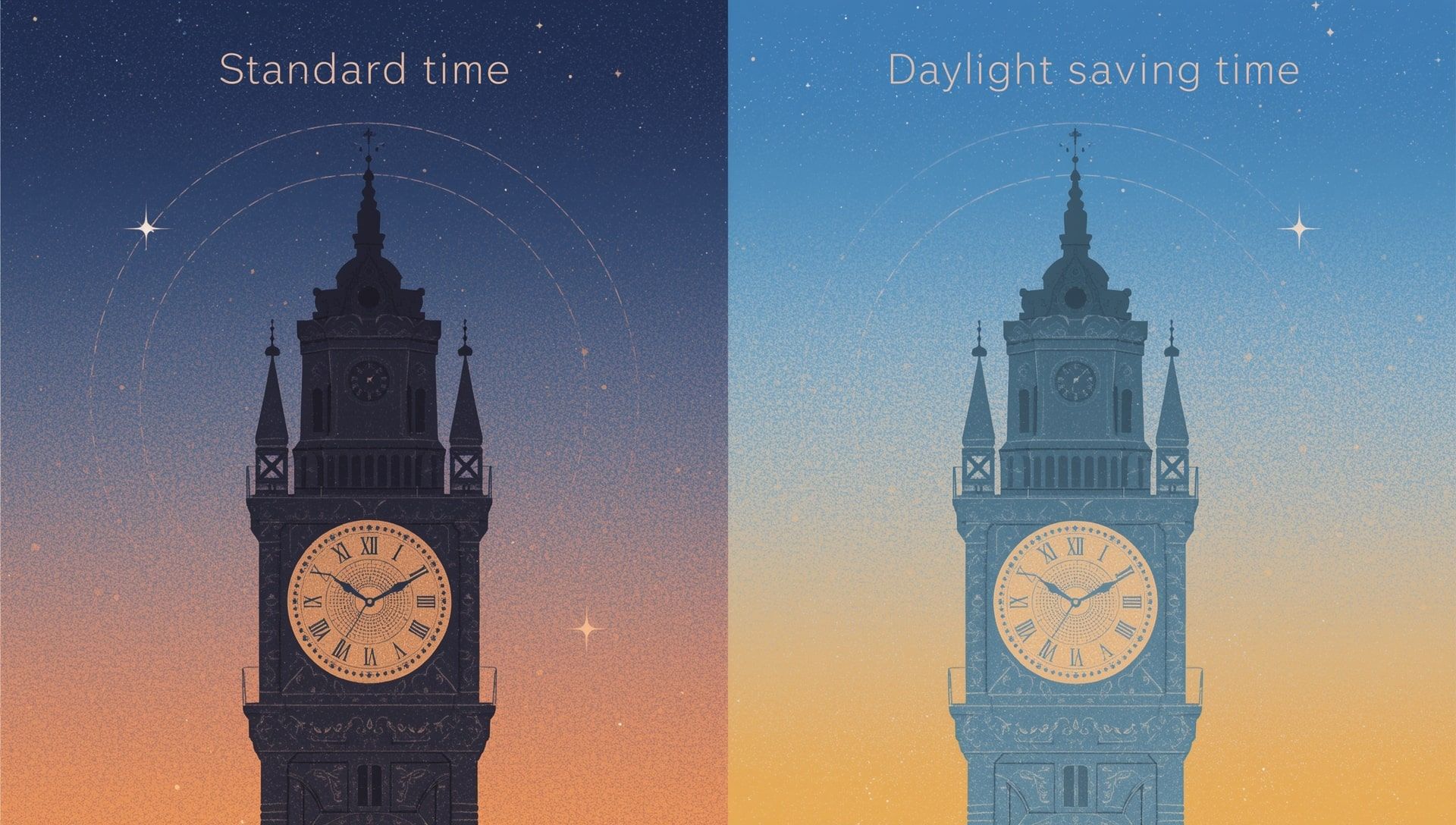
That is also why the policy argument remains active. Reading standard time vs dst helps frame the issue clearly, because the health question is not only about one rough Monday each March or November. It is also about whether the annual routine matches human biology in the first place.
What Skeptical Readers Usually Get Right, And What They Miss
Skeptical readers are right about one thing: not every claim around daylight saving time is equally strong. The evidence is stronger in some areas than others. The clearest pattern points to sleep loss, circadian disruption, reduced alertness, and short range increases in certain risks after the spring transition. The data does not mean disaster for every individual. It means a recurring stressor shows up across populations often enough to matter.
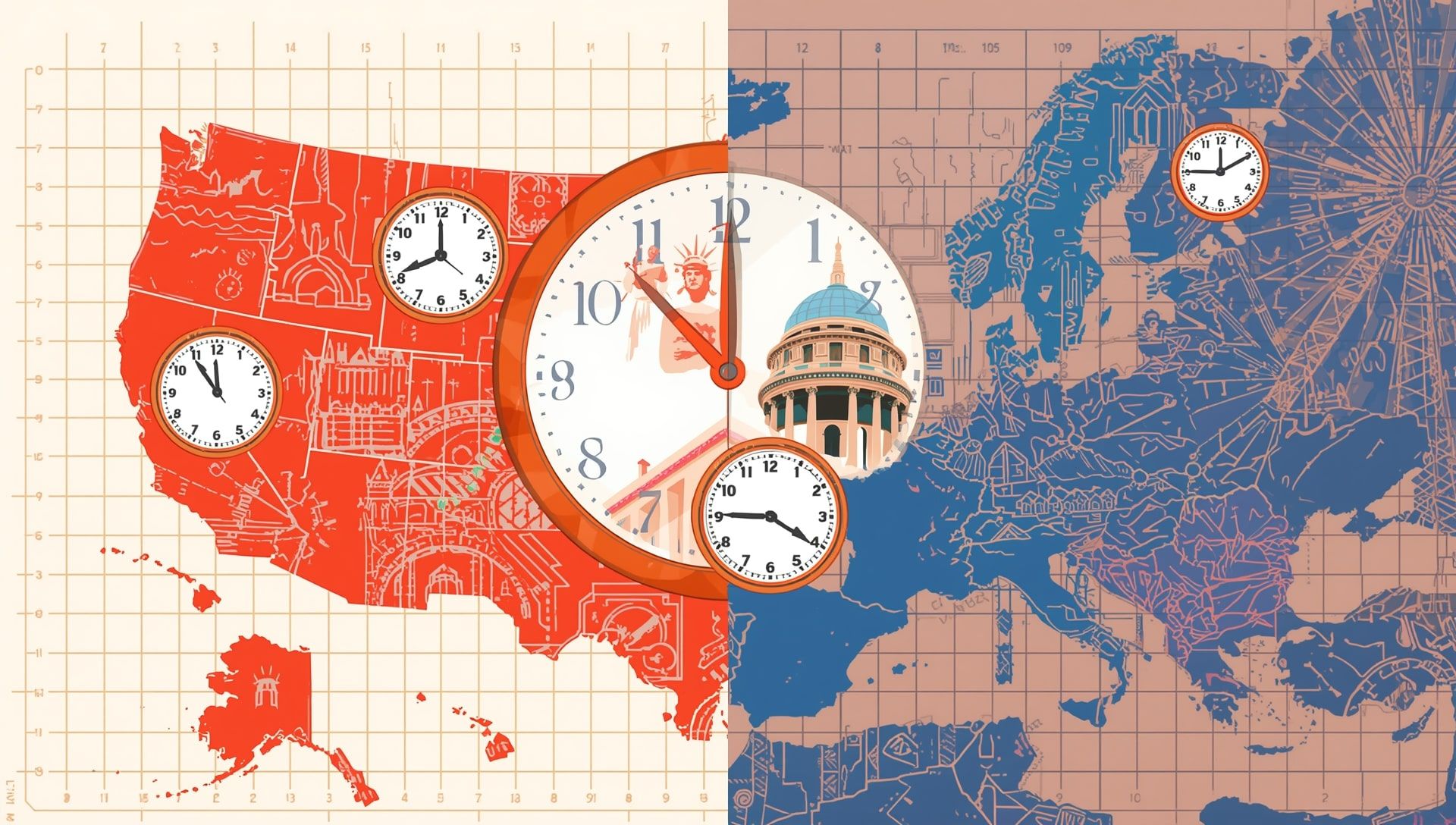
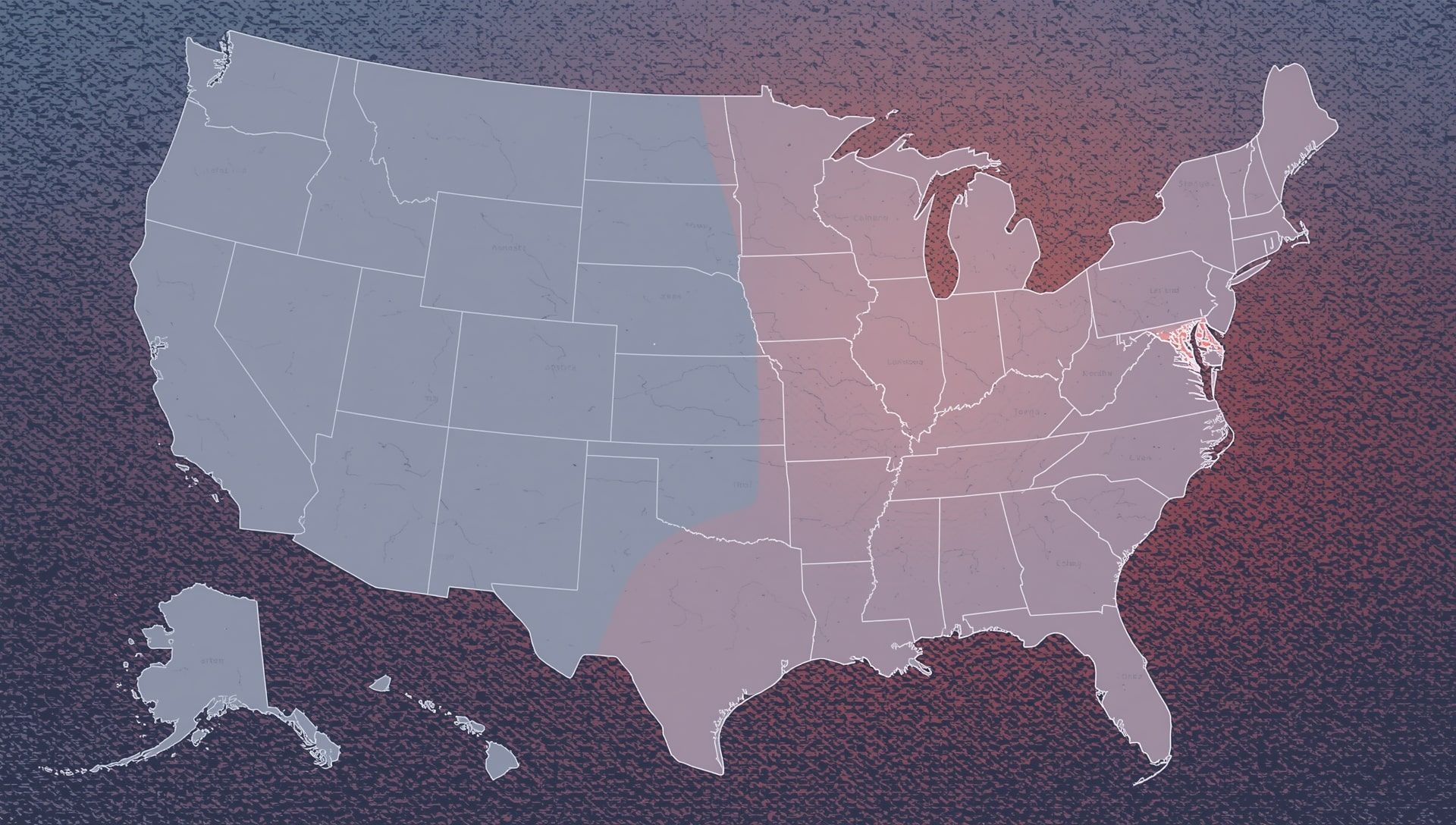
What many skeptics miss is scale. A small shift in risk can still become a public health issue when it affects millions of people at the same moment. That is why debates about policy keep returning, including questions raised in permanent daylight saving time usa and in discussions around eu abolish daylight saving time. The body clock is not partisan, and it is not impressed by tradition.
How To Reduce The Strain Before The Next Change
No plan removes the effect entirely, though a few steps can soften it:
- Shift bedtime a little earlier for several nights before the spring change.
- Get bright morning light soon after waking.
- Keep caffeine later in the day to a minimum.
- Avoid heavy meals close to bedtime.
- Keep the sleep schedule steady across the weekend if possible.
- Plan for a little extra patience with children and with yourself.
People who want to understand why these steps help can read time change health effects for a broader look at how sleep timing, light, and health connect.
The Real Question Hidden Inside The Clock Shift
The real question is not whether you can survive changing your clocks twice a year. Nearly everyone can. The question is whether a predictable, repeated disruption with known downsides deserves to be treated as normal. The evidence suggests this is more than a nuisance. It is a recurring hit to sleep timing, safety, and health, strongest in spring, still relevant in fall, and heavier for people who are already vulnerable.
That is why the debate keeps returning every year. A clock can move in seconds. A body cannot. Treating the switch as biologically trivial asks people to ignore what their mornings, moods, and energy often tell them very clearly. The wall clock changes overnight. Human timing asks for more respect than that.