The four sacred months hold a special place in the Islamic calendar. They are not just names on a page. They shape worship, memory, restraint, and reflection across the year. Each one carries a weight that reaches back to early Islamic teaching, and each invites Muslims to slow down, watch their actions, and notice time in a more meaningful way.
Key takeaway
The four sacred months in Islam are Muharram, Rajab, Dhu al Qidah, and Dhu al Hijjah. These months are honored in the Quran and Sunnah. They call Muslims to greater care in worship and conduct, with Dhu al Hijjah linked to Hajj, Muharram linked to the Islamic new year, Rajab standing alone, and Dhu al Qidah opening a season of peace before pilgrimage.
Check What You Remember
Pick the month that is not one of the four sacred months.
What Makes A Month Sacred In Islam
Islamic time is not only about counting days. It also teaches people how to live inside those days. The Quran names twelve months in the year and states that four of them are sacred. In these months, wrongdoing is treated with even greater seriousness, and worship feels even more precious. The message is simple. Time itself can teach discipline.
These months were known and respected even before Islam. Islam kept that honor but gave it a clearer moral frame. The point was not empty custom. The point was reverence, restraint, and obedience to God. That is why many scholars explain that good deeds carry added beauty in these months, while sins should be avoided with even more care.
Important note: Sacred does not mean distant or abstract. It means these months are meant to shape real choices, prayer, speech, conflict, generosity, and self control.
The Four Months Named And Placed In The Year
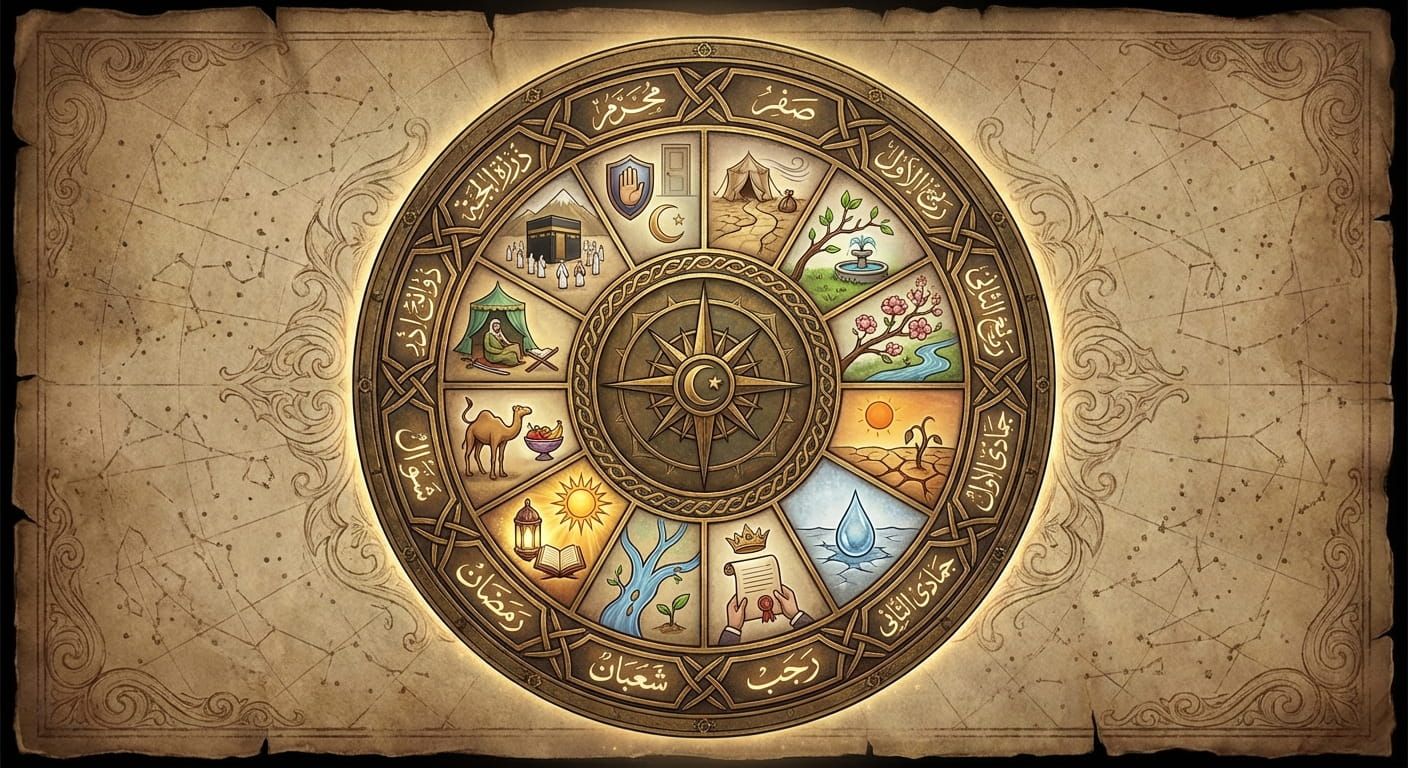
The four sacred months are Muharram, Rajab, Dhu al Qidah, and Dhu al Hijjah. Three come one after another near the close of the Hijri year, and one stands on its own earlier in the cycle. This pattern is often mentioned in classical explanations because it helps Muslims remember both their order and their role in the rhythm of the year.
Anyone who wants a wider view of the year can read 12 Islamic months meanings, which helps place these four months inside the full Hijri cycle.
Muharram Opens The Year With Reverence
Muharram is the first month of the Islamic year, and that alone gives it a special emotional weight. For many Muslims, it feels like a spiritual reset. It is a time to think about intention, habits, and the way a new year begins. Yet its importance is not just symbolic. It is one of the sacred months named in the Islamic tradition.
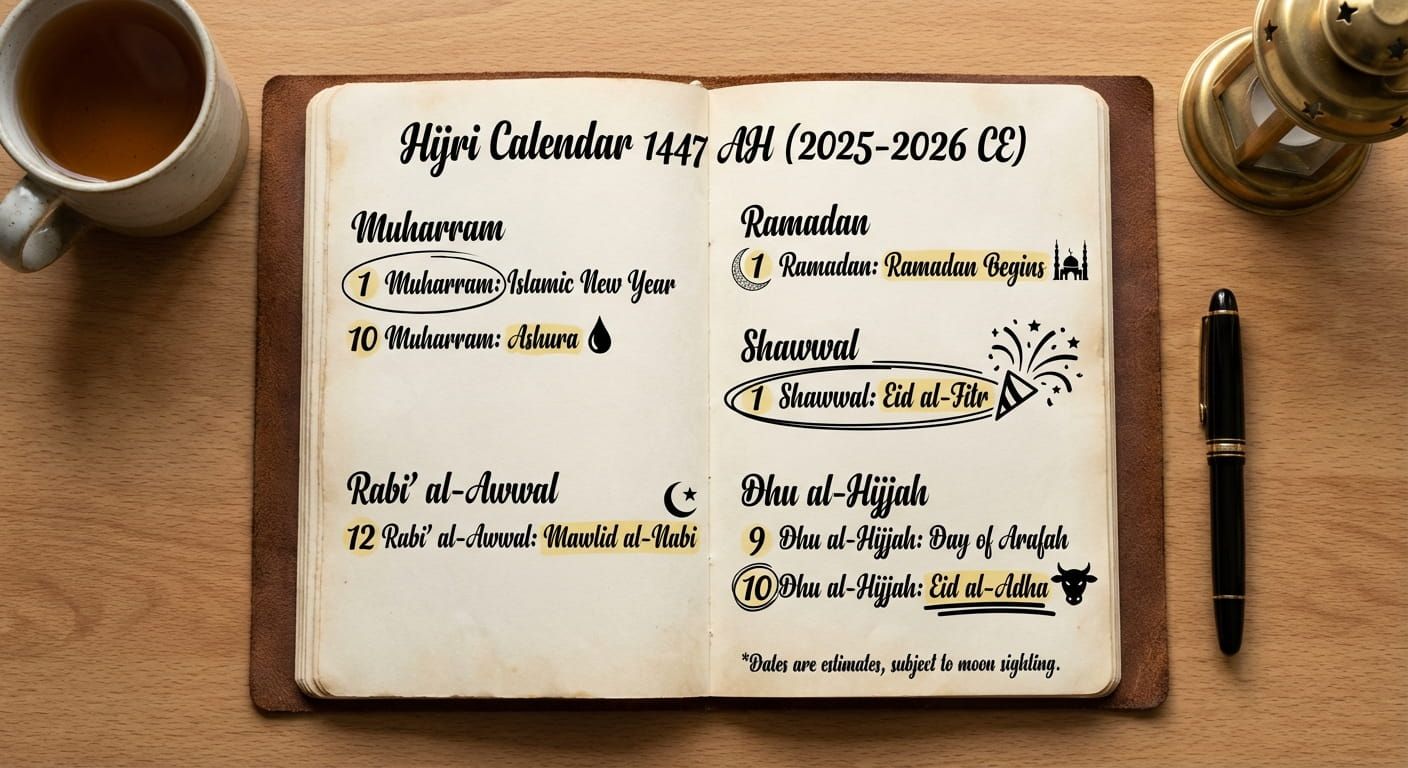
Many people also know Muharram for the fast of Ashura, observed on the tenth day. Fasting on that day is deeply valued in the Sunnah. This adds another layer to the month. It begins the year with worship, gratitude, and remembrance. Readers tracking the current month can also check Muharram 1447H for its day by day placement.
Rajab Stands Alone Yet Carries Deep Weight
Rajab is different from the other sacred months because it does not sit beside the final two months of the year. It arrives on its own in the seventh position. That makes it easier to remember. It also gives it a distinct feel. Rajab can act as a quiet bridge in the year, a month that nudges the heart back toward worship before the approach of Ramadan.
There are many cultural practices attached to Rajab in different places, but the clearest point remains its sacred status. Muslims are reminded to guard their speech, avoid harm, and renew acts of devotion. For readers checking dates and month structure, Rajab 1447H is useful for seeing how it unfolds.
Dhu Al Qidah Begins A Peaceful Pilgrimage Season
Dhu al Qidah is sometimes less discussed than Muharram or Dhu al Hijjah, yet it matters greatly. Its name is linked to sitting back from fighting, which reflects the tradition of restraint associated with sacred months. Historically, this helped create safer travel conditions for those preparing for pilgrimage and trade.
It also prepares the heart for what comes next. Dhu al Qidah slows the pace and opens a pathway toward Hajj season. That gives it a gentle but serious role in the Islamic year. Those following the monthly calendar can view Dhu al Qidah 1447H to see its place more clearly.
Dhu Al Hijjah Holds The Days Of Hajj
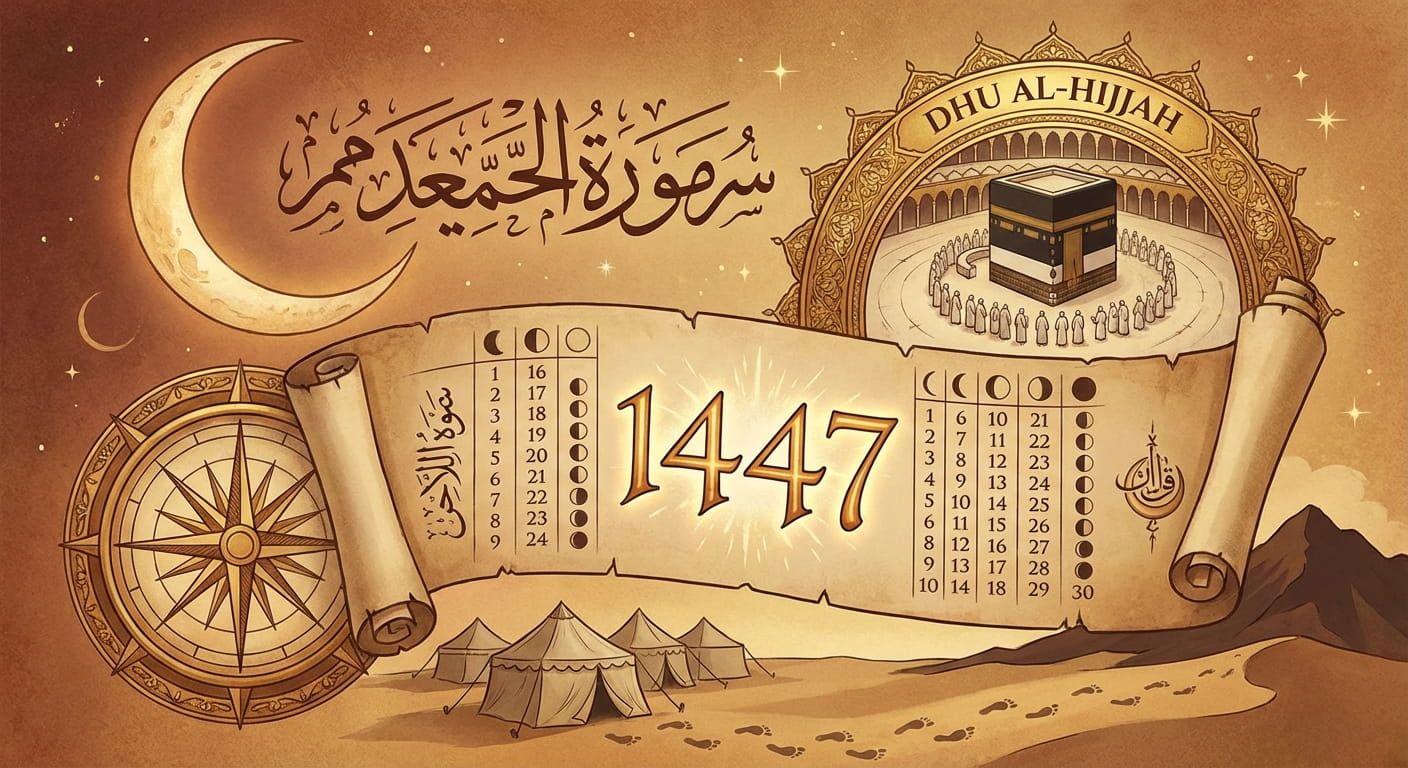
Dhu al Hijjah is one of the most powerful months in the Islamic calendar. It contains Hajj, the Day of Arafah, Eid al Adha, and the opening ten days that are cherished in Islamic teaching. For pilgrims, it is the peak of a lifetime journey. For everyone else, it remains a month of fasting, prayer, sacrifice, charity, and remembrance.
The month carries sacred status on its own, and then its rituals deepen that honor even further. A reader who wants more detail on its rites and dates can continue with Dhu al-Hijjah Hajj calendar 1447 or check the monthly layout at Dhu al Hijjah 1447H.
How Muslims Honor These Months In Daily Life
The sacred months are not only about history. They shape ordinary choices. That is where their beauty becomes visible. A Muslim may not travel for Hajj every year, but every Muslim can respond to sacred time with greater care.
- Guard the tongue from gossip, insults, and pointless arguments.
- Increase prayer, Quran recitation, and quiet remembrance.
- Repair strained relationships where possible.
- Give charity with a sincere heart.
- Treat sins as more serious, not less.
Many families also use these months to teach children about the shape of the Islamic year. One useful starting point is Islamic Hijri calendar guide, which explains how the lunar calendar works and why month beginnings shift across the solar year.
Common Points People Often Ask About
- The sacred months are four in total, not spread evenly across the year.
- Rajab is sacred even though it stands alone.
- Dhu al Qidah and Dhu al Hijjah are linked closely to the pilgrimage period.
- Muharram begins the year, but its sacred status is not based only on being first.
- Respecting sacred time includes both outward action and inward intention.
For readers who want a broader sense of the major moments across the year, Islamic calendar key dates 1447 helps connect these months with other important observances.
Time Feels Different Inside Sacred Months
One of the most moving ideas in Islam is that not all moments feel the same. Some nights, days, and months carry a stronger call to wake up spiritually. The four sacred months are part of that pattern. They train the heart to notice that time is not empty. It can invite caution, gratitude, awe, and return.
That is why these months still matter today. They are not relics from a distant past. They remain active markers in Muslim life. They help frame the Islamic new year, the pilgrimage season, and moments of quiet preparation in between. To understand them is to understand something central about the Islamic calendar itself, time is not only measured, it is honored.