A birthday can feel simple, cake, candles, a wish. Yet behind that moment sits a long, surprising history of how humans learned to track time, count lives, and turn passing days into meaning. Birthdays are part celebration, part record keeping, and part identity. They tell a story about calendars, power, religion, science, and family. They also reveal a quieter truth, age is not one thing. It is a set of clocks we carry, and each one ticks a little differently.
Key takeaway
Birthdays began as tools for ritual and status, then became personal milestones once calendars and record keeping spread. Different cultures counted age in different ways, because timekeeping was shaped by farming, religion, law, and family roles. Modern age tracking adds more clocks, gestational timelines, biological measures, eligibility rules, and even playful conversions. The point is simple, age is a relationship with time, not a single label.
Birthday and time tracking quiz
Tap an answer, then check your score. Each question is tied to ideas in this article.
Origins Of Birthdays Before Personal Calendars
Early birthday style rituals were not always about individual joy. In many places, marking a day was tied to status, rulers, or religious cycles. A person mattered publicly if their birth mattered to the community, or to the state. That often meant elites. For everyday families, exact dates could be fuzzy. Seasons were easier than numbers. Many people tracked time through harvests, rains, holy days, and market cycles. When you do not need a precise date, a precise date rarely survives.
Still, the impulse to mark life events is old. Humans love patterns. A recurring anniversary turns time into a circle you can hold. Once writing systems spread, once administrations counted taxes and soldiers, birth records became useful. Over time, the private celebration grew around the public record.
Quote to keep
A birthday is a story the calendar tells about you, and calendars are stories societies tell about time.
Calendars As Tools, Farming, Faith, And Government
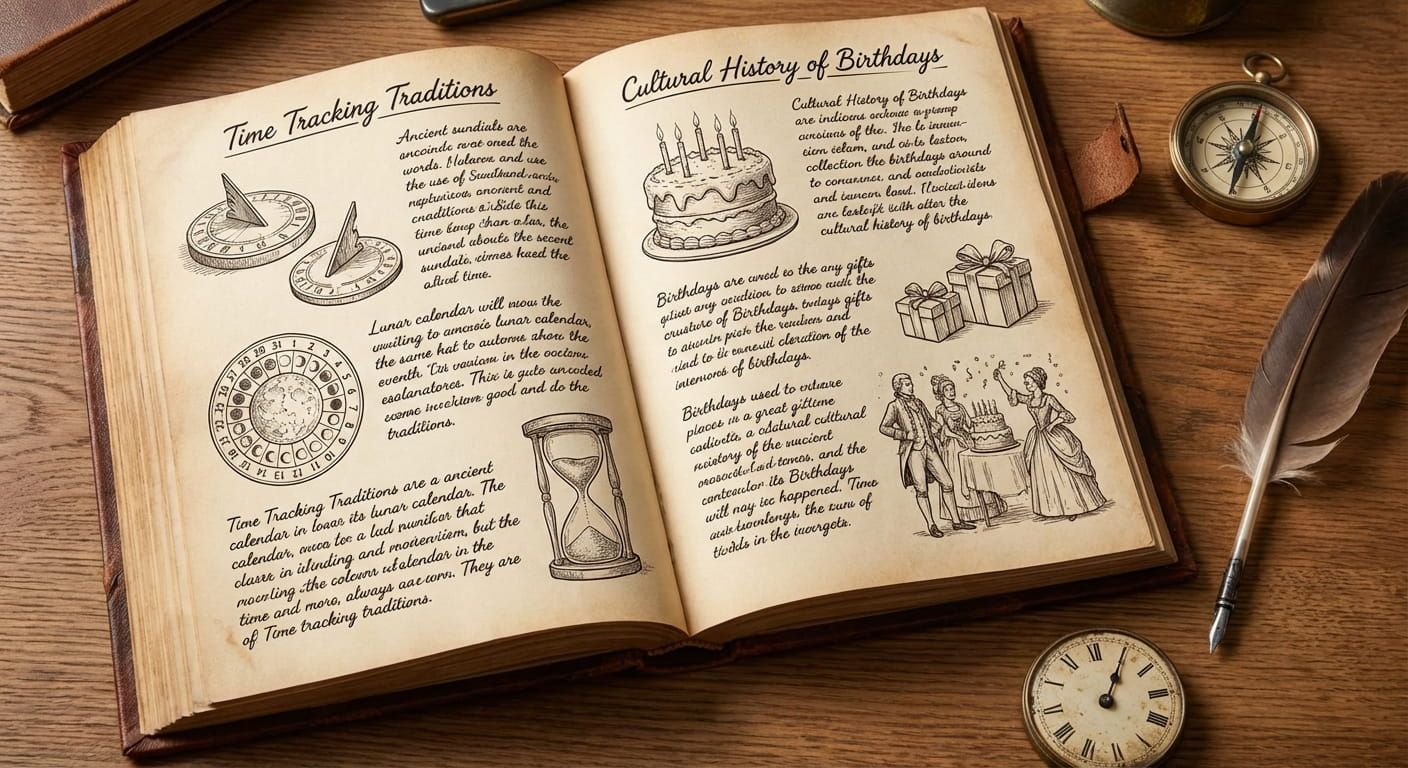
Time tracking traditions come from needs. Farming needs seasons. Religious life needs festivals. Government needs schedules and shared standards. That mix shaped how people counted years and how they named days. A calendar is not only math, it is agreement.
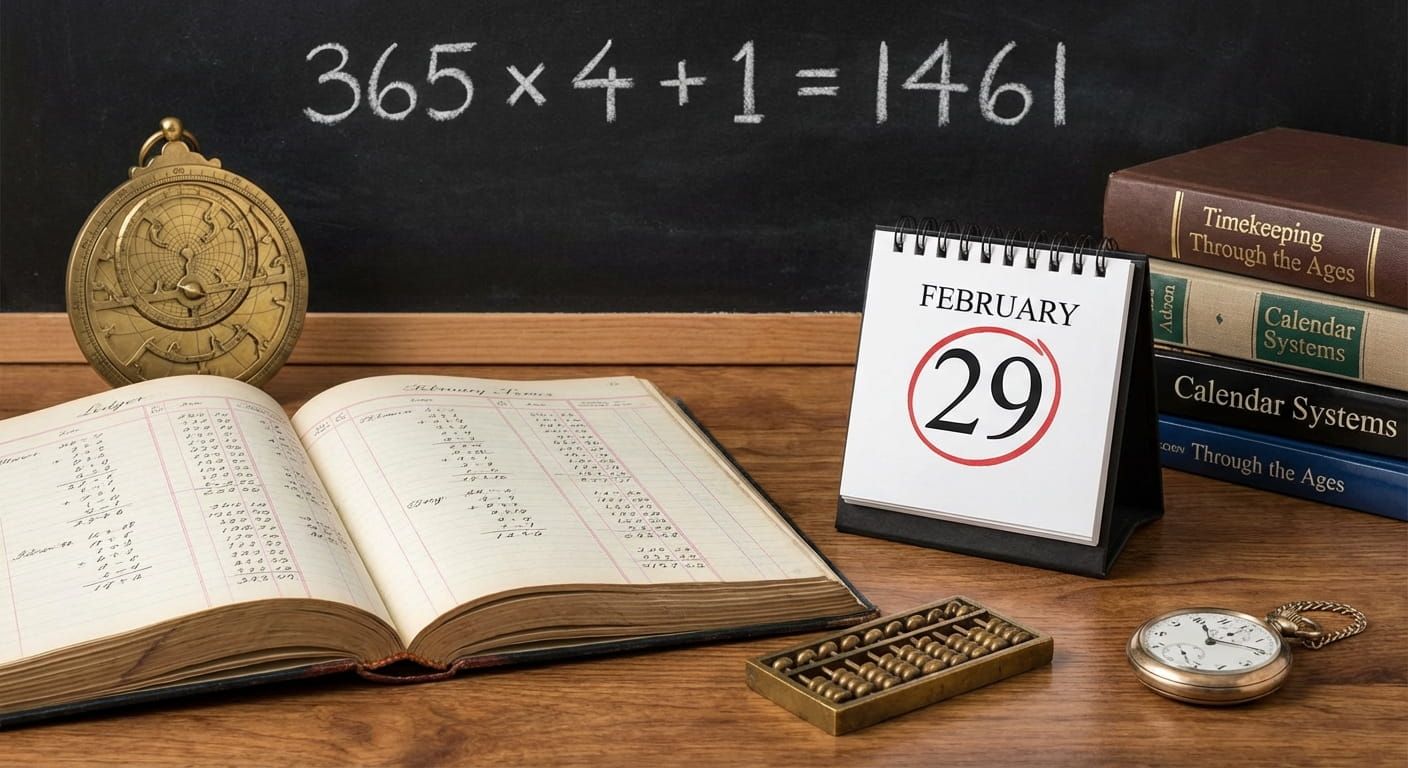
The modern birthday depends on predictable month lengths, a stable year count, and a method for handling leap days. If you have ever met someone born on February 29, you have seen that agreement get interesting. That is why careful calendar age counting matters, and why leap years keep showing up in age questions, especially for official paperwork and anniversaries. If you want the fine points of how leap adjustments affect age totals, leap year math and accurate calendar age counting lays it out with practical examples.
Milestones That Turned Age Into A Social Script
Once birthdays became common, societies layered meaning on top. Some milestones are joyful. Some are administrative. Many are both. A coming of age ceremony can be a family moment and a legal shift. A retirement milestone can be a personal reset and a policy boundary.
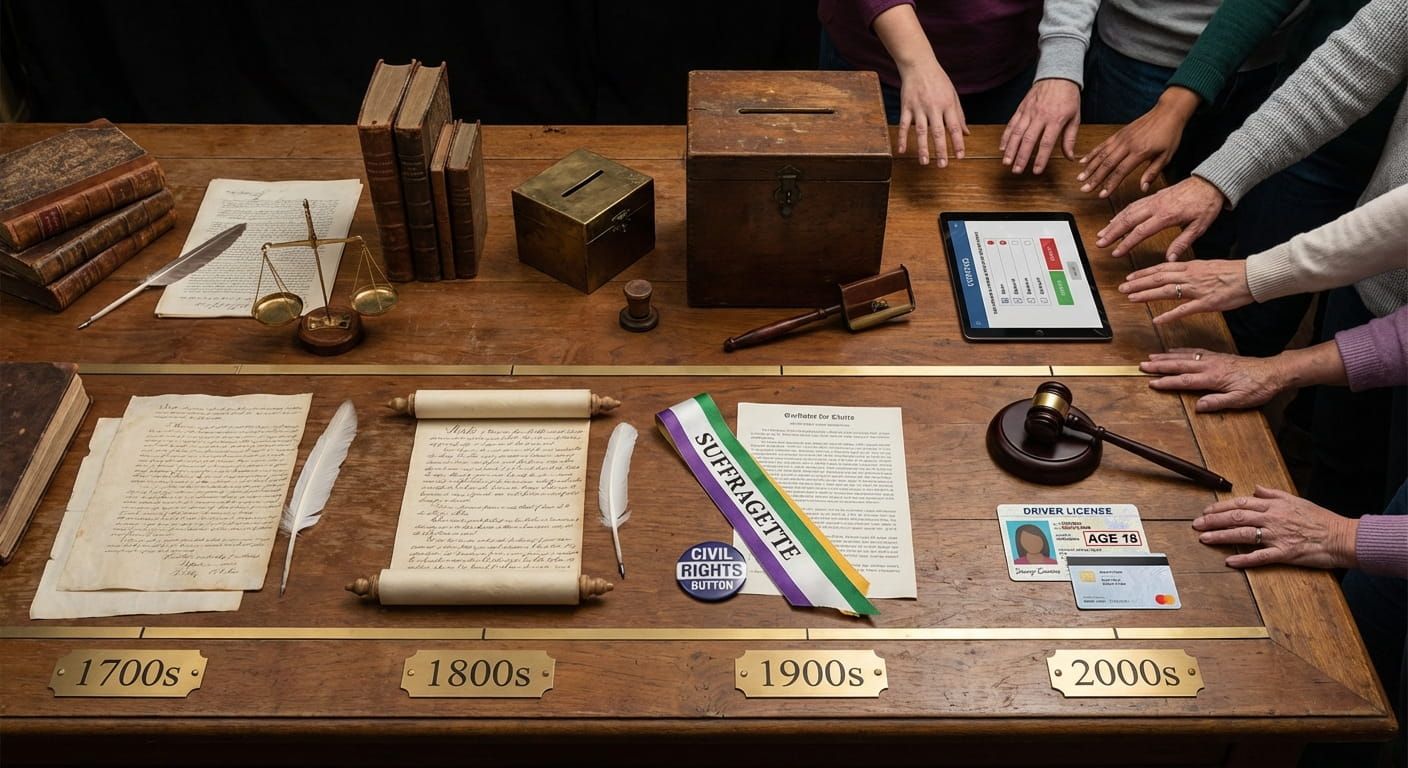
If you have ever checked an eligibility cutoff, you have felt this side of age. Legal age thresholds shape life in blunt ways. That history changes across time and place, and it keeps evolving. For a readable path through those changes, evolution of voting rights and legal age thresholds connects policy history to how age is counted on the ground.
Different Cultures, Different Counting Rules
Age is a number, and also a cultural idea. Some traditions count from birth. Some count in years lived. Some used to add a year at the new year rather than on the birth date. That can feel strange if you grew up with one system and meet another.
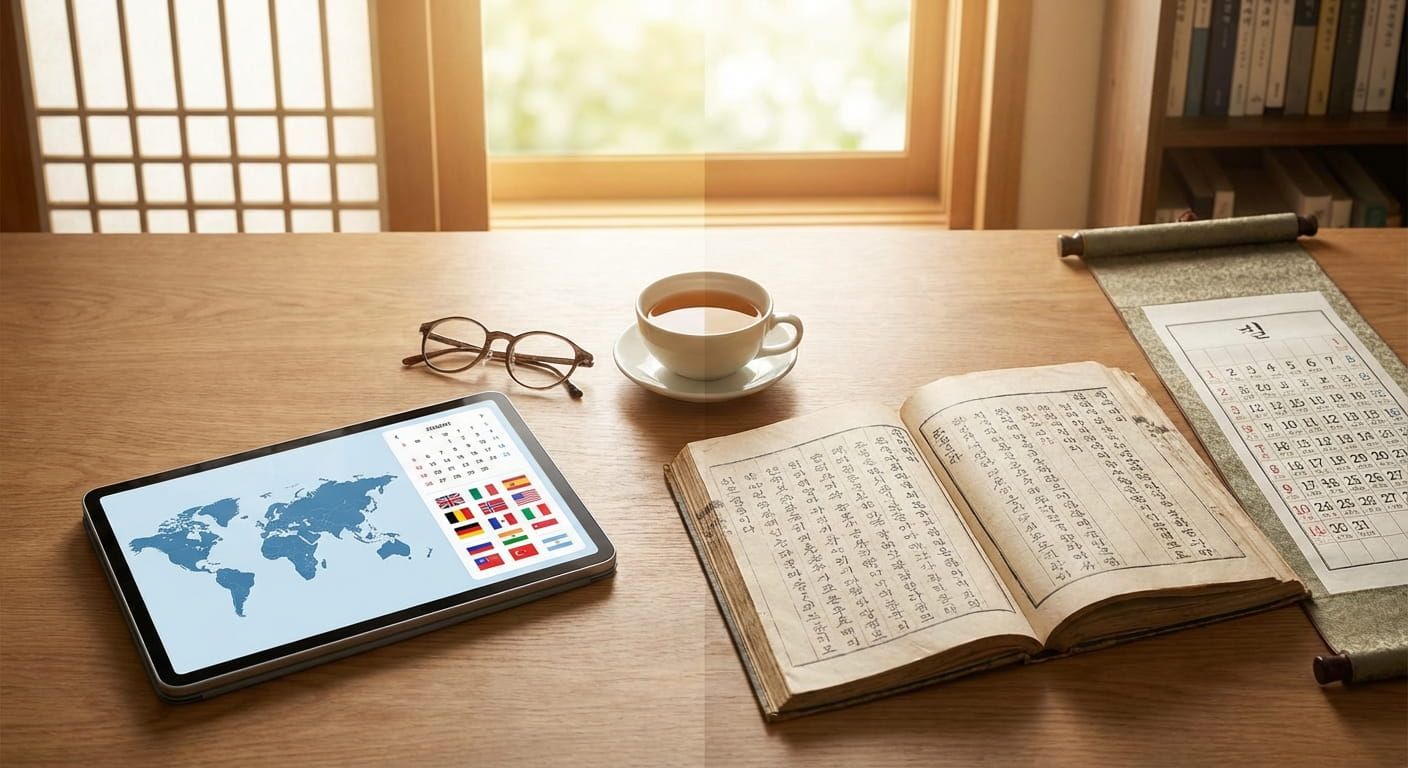
A clear modern example is the way age has been discussed in Korea and across East Asia, with shifts in official standards and everyday habits. If you want a straightforward explanation of how these systems work and how they compare, international age and korean age gives the background without making it feel like a lecture.
From A Single Number To A Whole Toolkit Of Age
Today, we use age in more ways than our ancestors could have imagined. We calculate age differences for siblings, compare two dates for eligibility, run countdowns to an event, and convert a pet’s years into a rough human scale. The modern internet turned age into a set of small, helpful calculators.
If you are trying to anchor your own date based questions, the age calculator is the basic starting point. It helps with the everyday, how old someone is right now, in a way that respects calendar rules. For two people or two dates, age difference makes the gap simple to see, which is handy for anniversaries, planning, and family timelines.
Birthday Countdowns And The Comfort Of Looking Ahead
One reason birthdays feel special is anticipation. Humans enjoy a shared finish line. A countdown turns vague waiting into something you can check, and that can be oddly calming. It is not only excitement, it is structure.
If you enjoy that sense of pacing, birthday countdown gives you a clean view of how long remains until the next candle moment. It also highlights a quiet fact, birthdays are one of the few personal traditions that blend emotion and arithmetic in the same breath.
Time Tracking Traditions That Hide Inside Birthdays
Birthdays look like a party, yet they often include small time rituals that many people do without thinking. Here are some that show up across families and cultures.
- keeping a written record, baby books, school forms, family trees
- marking a yearly check in, photos in the same place, height marks on a door frame
- counting seasons instead of dates in stories, winter baby, monsoon baby, harvest time baby
- linking age to privileges, school start rules, voting, work, pensions
- using symbolic foods or objects, candles, red eggs, sweet rice, special bread
- measuring time by growth, first tooth, first steps, first day of school
Steps To Measure Age The Way You Actually Need
Age questions often sound simple until you try to answer them precisely. These steps keep it grounded.
- Decide which clock you mean, calendar age, age at an event, or time between two dates.
- Choose the reference date, today, a past day, or a future milestone.
- Check for leap day issues if February 29 is involved.
- For past moments, use how old was i to avoid mental math errors.
- If the question is about policy, match the rule’s wording, some cutoffs use the day before a birthday, some use the birthday itself.
Age Types And What They Are Used For
| Age style | What it tracks | Where it shows up |
|---|---|---|
| calendar age | years, months, days since birth date | IDs, school forms, eligibility rules |
| age at event | how old you were on a specific day | milestones, records, memories |
| biological age | body related markers that change over time | health context, research, personal tracking |
| gestational timeline | pregnancy weeks and development timing | prenatal care, due date planning |
| playful conversions | age expressed in other units or scales | pets, seconds, planetary years |
Biological Clocks And Why They Changed The Birthday Conversation
For a long time, age meant calendar years. That is still the default for law and daily life. Yet biology introduced a new idea, bodies do not age at identical rates. Two people can share a birth year and still have very different wear patterns, sleep needs, recovery speed, or health risks.
That is why people now talk about more than the date on a certificate. If you want to read about how cells and systems keep their own timing, biological aging and cellular clocks is a strong companion piece. It helps explain why a birthday can be emotionally true and biologically incomplete at the same time.
On Time.now, you can also compare concepts directly through biological vs chronological. It is a useful way to frame the question without treating anyone as a statistic.
Pregnancy Timekeeping And The Age That Starts Before Birth
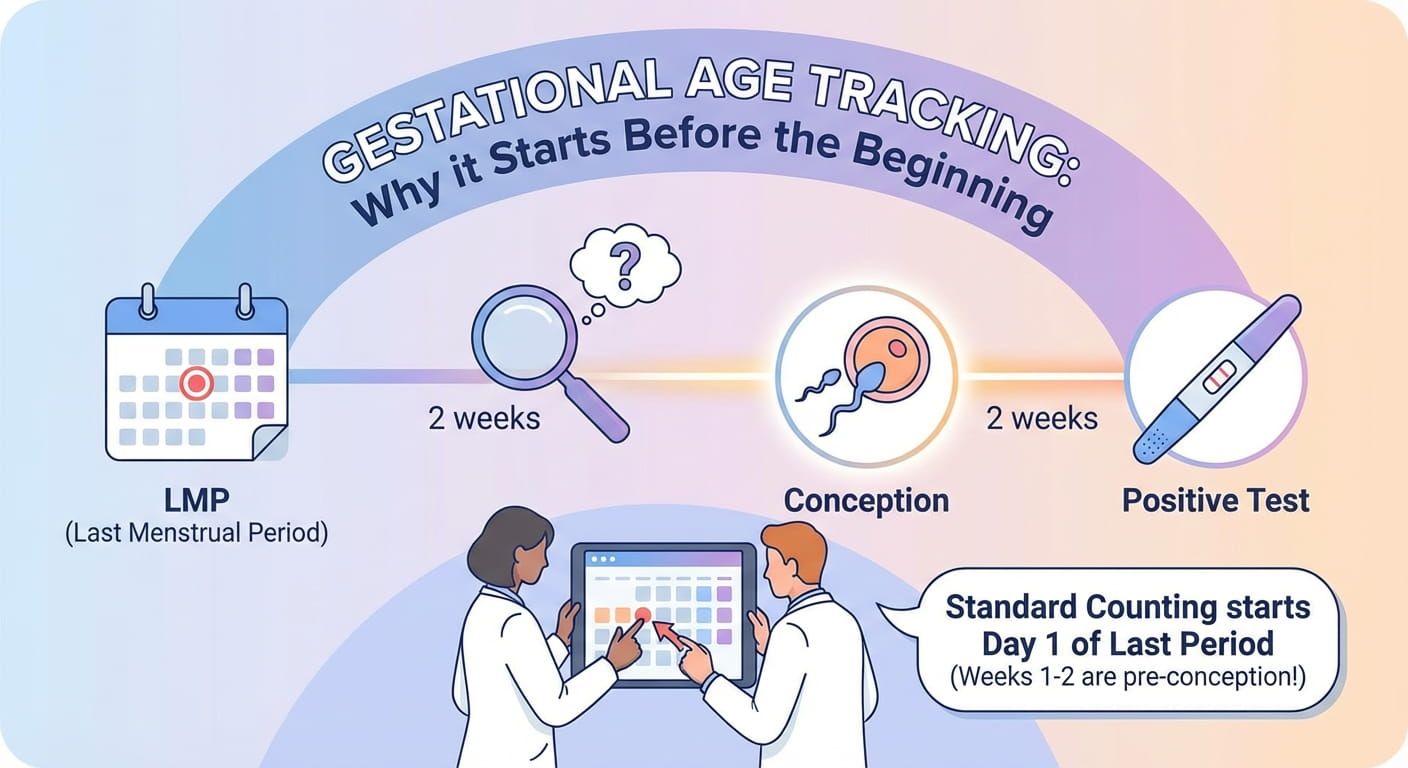
One of the most fascinating parts of time tracking is pregnancy dating. Many systems count gestational age from a point that is not the day of conception. That choice is practical, because it anchors on a more trackable reference. It also means the timeline has its own logic, and it can confuse people when they first hear it.
If you are tracking pregnancy weeks or trying to understand how the counting works, gestational age provides the calculator view, while gestational age before conception explains the reasoning in plain language.
Adjusted Age And How Early Arrivals Reshaped Timelines
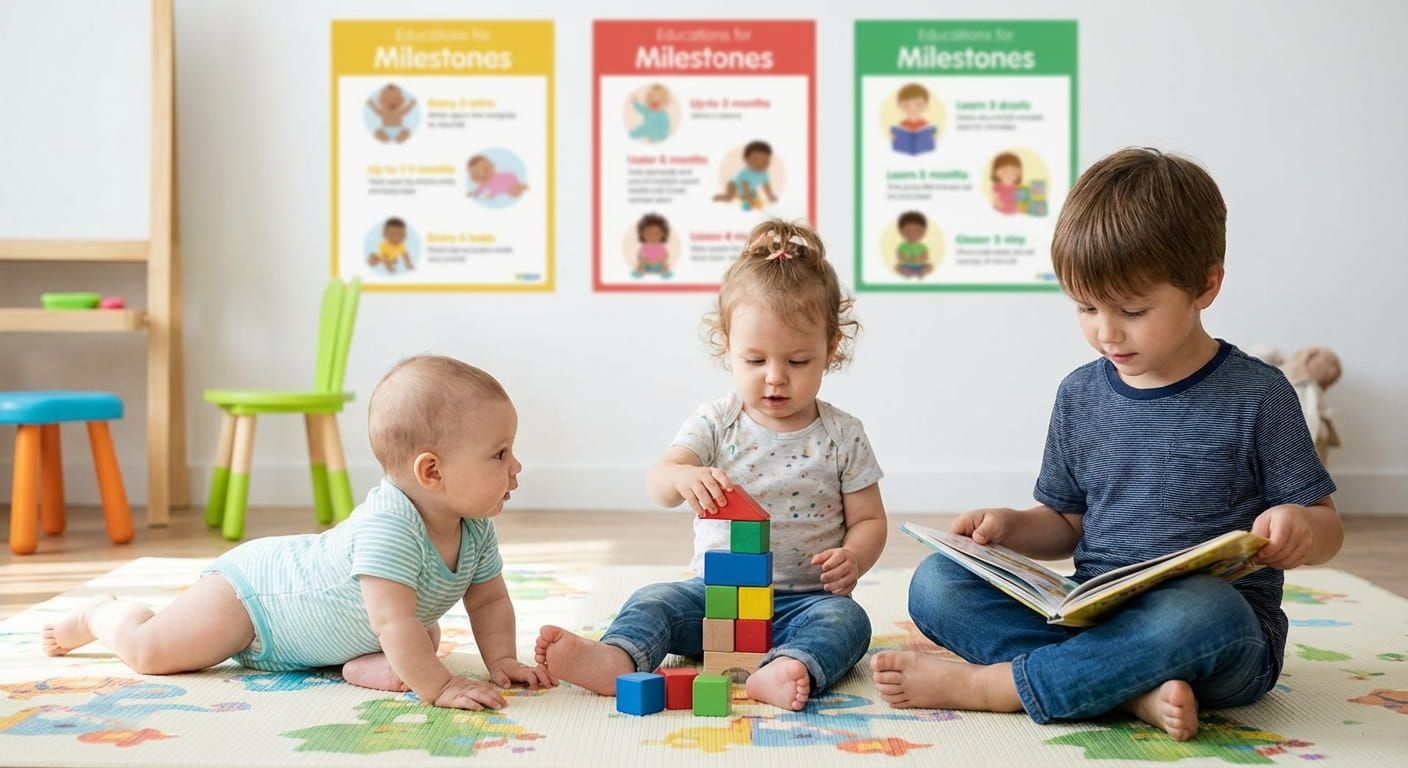
Babies born early bring another important clock into the conversation. Adjusted age helps families and clinicians talk about development with more fairness, because a strict calendar count can make normal progress look delayed. That is not a small detail, it changes expectations and reduces anxiety.
If you want the concept in depth, developmental growth and adjusted age for premature babies provides a helpful bridge between the calendar and real world growth. The tool view lives at adjusted age for anyone doing day to day tracking.
Pets, Time Translation, And Why We Keep Converting
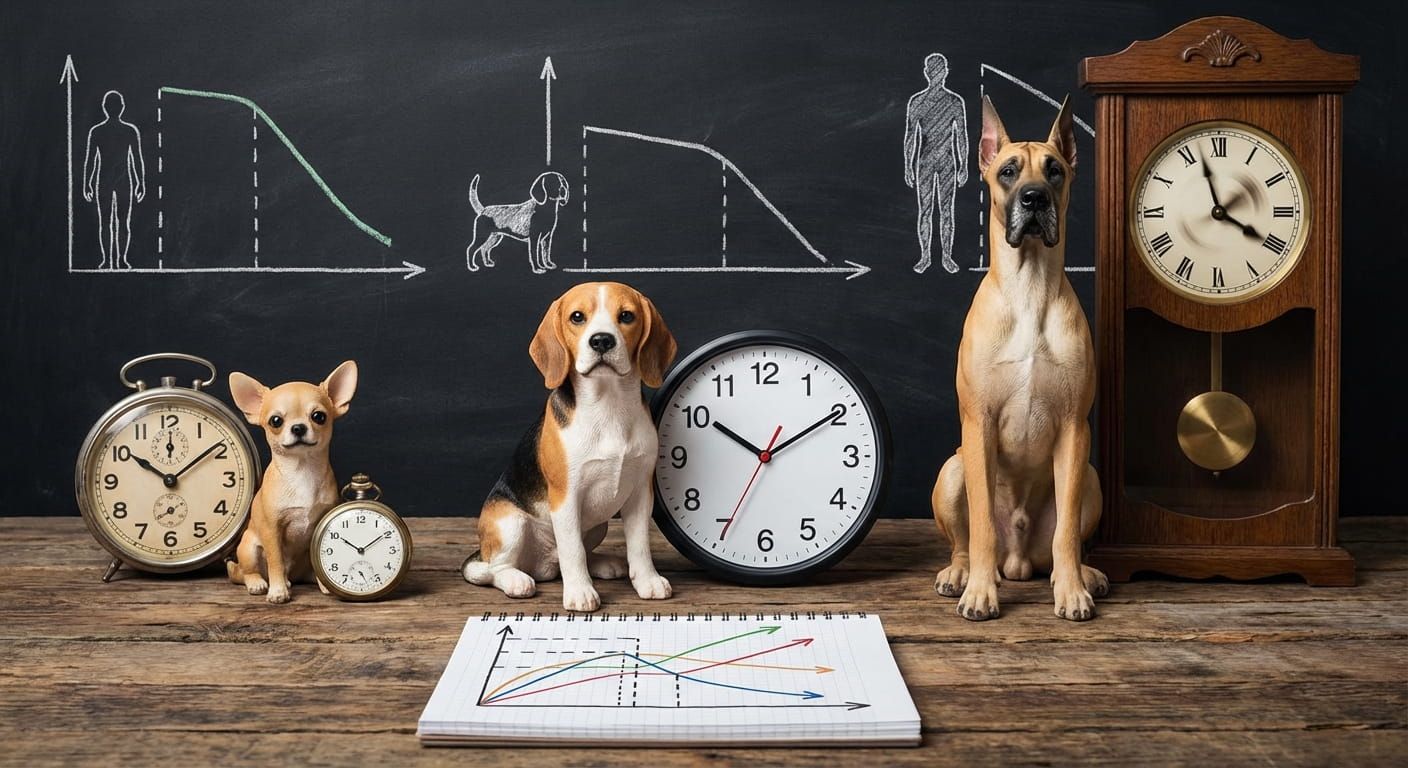
Humans love converting time because it makes unfamiliar scales feel personal. Pet ages are the classic example. People do not ask only for a number, they ask because they want empathy. They want to understand life stage, care needs, and what a pet might be feeling.
If you are curious about how different breeds and sizes shift the story, dog breed size and human years adds needed nuance. For the practical side, the calculators at dog age and cat age give a clear result you can share with family.
Space Birthdays And The Playful Edge Of Timekeeping
Not every time tradition is serious. Some are pure joy. Space birthdays are a perfect example, what would age mean on Mars, or in Jupiter years? It is a whimsical question, yet it points back to a real truth, age depends on the cycle you choose.
If you want to see how orbital periods change the count, planetary orbit and space birthdays gives the context, and age on other planets lets you try it for your own date.
Counting Time In Seconds And The Urge To Feel The Scale
Sometimes people want a bigger number. Not for vanity, for perspective. Years can feel abstract. Seconds feel physical. A second is a heartbeat of time. Watching your age expressed as a long count can make life feel both vast and immediate.
If that kind of scale helps you, age in seconds turns the calendar into a running tally. It can be oddly grounding, especially around birthdays that feel emotionally heavy or unexpectedly bright.
Retirement Timelines And The Shifting Meaning Of Later Life
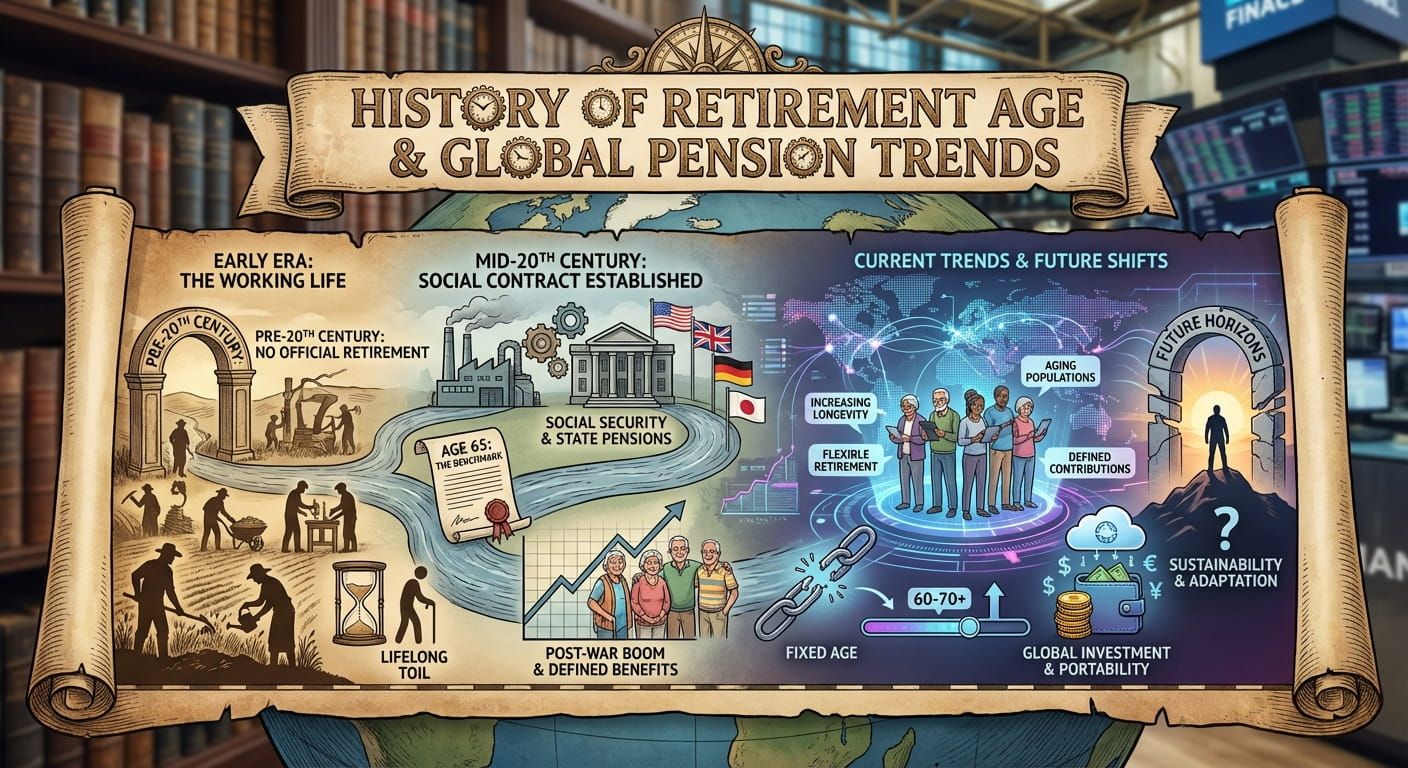
Retirement ages reveal how societies value work, rest, and longevity. These thresholds have moved as life expectancy, labor patterns, and pension systems changed. A retirement birthday can be a rite of passage, or a negotiation with reality.
For the historical angle, retirement age history and pension trends adds context. For personal planning, retirement age keeps the question practical without stripping away the human side.
Where Your Own Age Story Fits On Time.now
The age info page is built around one simple idea, age is a set of perspectives. It covers classic calendar counting, comparisons between dates, countdowns, lookbacks, and conversions, plus tools for life stages and curiosities. That variety exists because real life asks different questions at different times. A student worries about school cutoffs. A parent tracks development weeks. A worker checks eligibility. A curious person wants to know how many seconds they have carried.
If you are thinking about identity as well as arithmetic, generation labels can be part of the story too. generations and birth year labels shows how those names formed, and why they are often fuzzier than people assume.
Final Notes For Living With Many Clocks
A birthday is a yearly bookmark. Time tracking traditions are the library around it. Some clocks exist to help communities run. Some exist to help families remember. Some exist to help bodies heal. Age is not a trap, it is a language. You can speak it in years, weeks, seconds, or stories. The best part is choosing the version that matches the question you are asking today.