Your body keeps time in more ways than the calendar admits. Each cell carries tiny rhythms that track damage, repair, and renewal. Those rhythms shape how you feel, heal, and age. This is why two people with the same birthday can look and function years apart. Biological aging is not a mystery number, it is a set of measurable signals that rise and fall with lifestyle, environment, and genetics.
Biological aging is the pace your body changes over time, and cellular time clocks are the lab signals that estimate that pace. Chronological age counts birthdays, but biology counts wear, repair, inflammation, hormones, metabolism, and how well cells keep their instructions. Some clocks respond within months to sleep, nutrition, stress, exercise, and smoking. Others shift slower. The goal is not perfection, it is understanding patterns and choosing habits that support steadier, healthier aging.
Cellular Time Clock Quiz
Answer these to check your understanding. Your score appears at the end.
Biological Aging And The Many Ways Your Body Counts Time
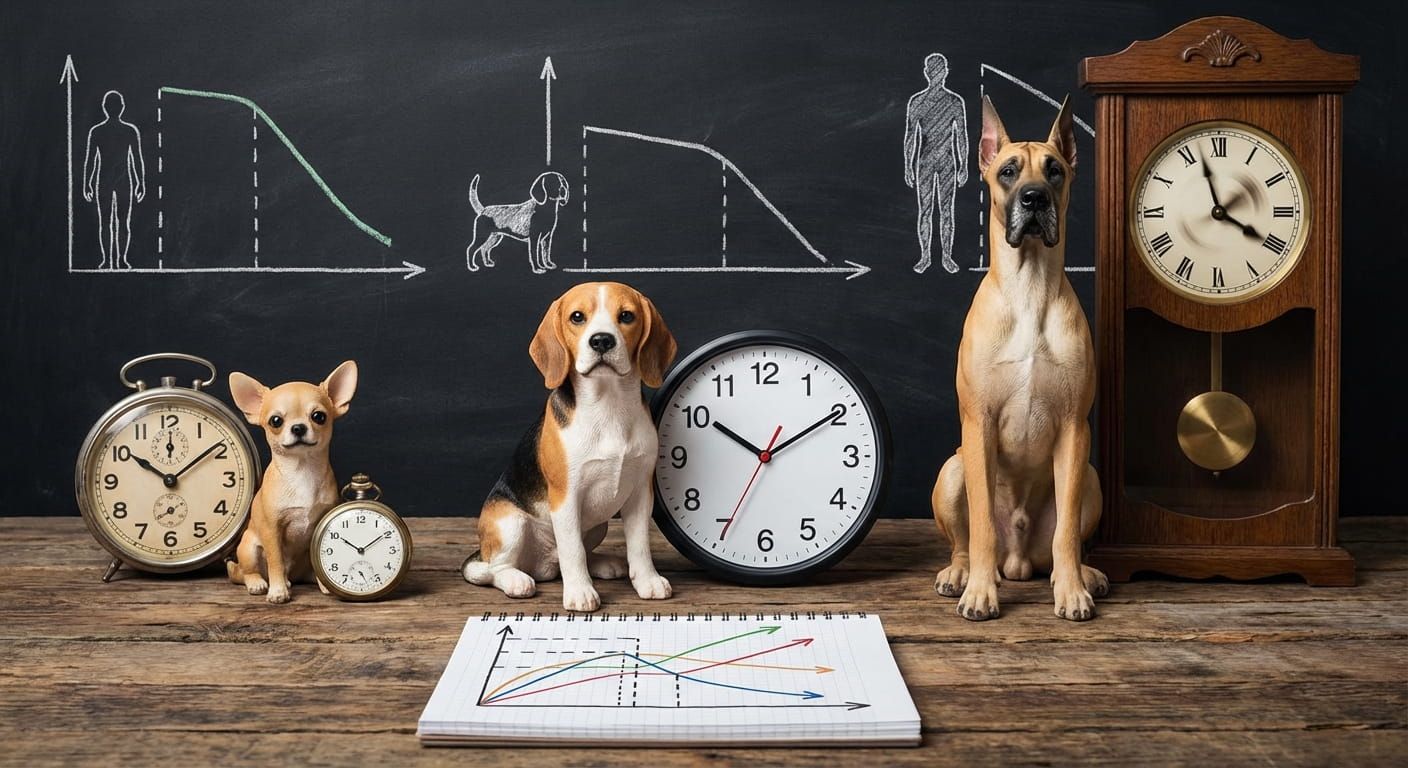
A birth certificate gives one clean number. Your biology does not. Your organs age at slightly different rates. Your immune system has its own timeline. Your muscles respond to training and rest. Your brain reacts to stress, learning, and sleep. Even your skin reflects sunlight history as much as it reflects your year of birth.
On a practical level, you can think of age in three layers. Chronological age is the calendar count. Functional age is what you can do, how you move, how you recover, how steady your energy feels. Biological age is the hidden layer, measured through biomarkers that reflect what is happening inside tissues and cells.
Chronological age is a page number in a book. Biological age is the condition of the pages, the binding, and the ink. Some chapters stay crisp. Others show wear. Cellular time clocks are the tools that estimate that wear.
Cellular Time Clocks And What They Measure
A cellular time clock is not a tiny stopwatch inside you. It is a measurement method. Scientists look at patterns in your blood, cells, or tissues that tend to change with age. They combine many signals into one estimate. That estimate can reflect risk, resilience, and the pace of aging.
Different clocks focus on different layers of biology. Some focus on DNA markers. Others focus on proteins, metabolites, or immune patterns. It helps to treat clocks as lenses. One lens may be sharper for inflammation. Another may be sharper for cellular stress. Using more than one lens gives a clearer picture.
How Clocks Differ From A Birthday Count
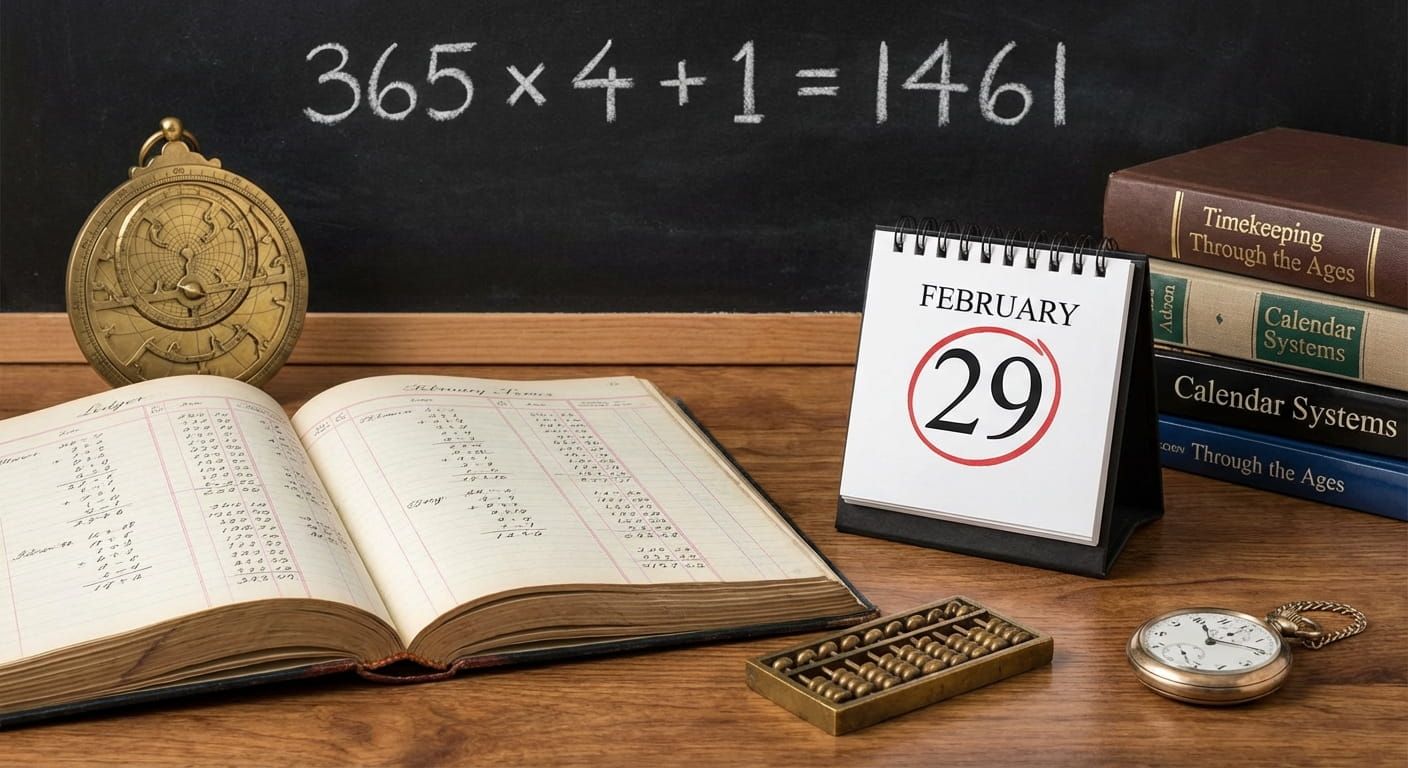
A birthday count is straightforward, except when calendars get tricky. Leap years can shift how age is counted across exact days and months, and the calendar rules matter for precise date math. If you enjoy that level of accuracy, leap year math accurate calendar age counting is a satisfying rabbit hole.
Biological clocks work differently. They do not care about February. They care about what cells have experienced. Think about two people who share the same age. One sleeps well, eats fiber, stays active, and manages stress. The other sleeps poorly, sits most days, and smokes. Their cells will not tell the same story.
If you want a clean framing of the two concepts before going deeper, biological vs chronological lays out the contrast in plain terms.
The Core Signals Behind Biological Aging
Many biological signals drift with age. Some drift slowly. Some jump during illness and calm during recovery. The art is noticing what is consistently high or low over time.
- Inflammation markers that rise with chronic stress, poor sleep, and some diets.
- Metabolic markers tied to blood sugar control, lipids, and energy balance.
- Immune patterns that shift as the immune system learns and tires.
- Cellular repair signals that reflect how well tissues recover after damage.
- Epigenetic patterns that change when gene activity changes across life.
One more useful point, your biological age estimate can change without you changing your chronological age. That can feel odd at first. Then it becomes empowering. It means your choices can move the needle.
Epigenetics The Clock Built Into Gene Activity
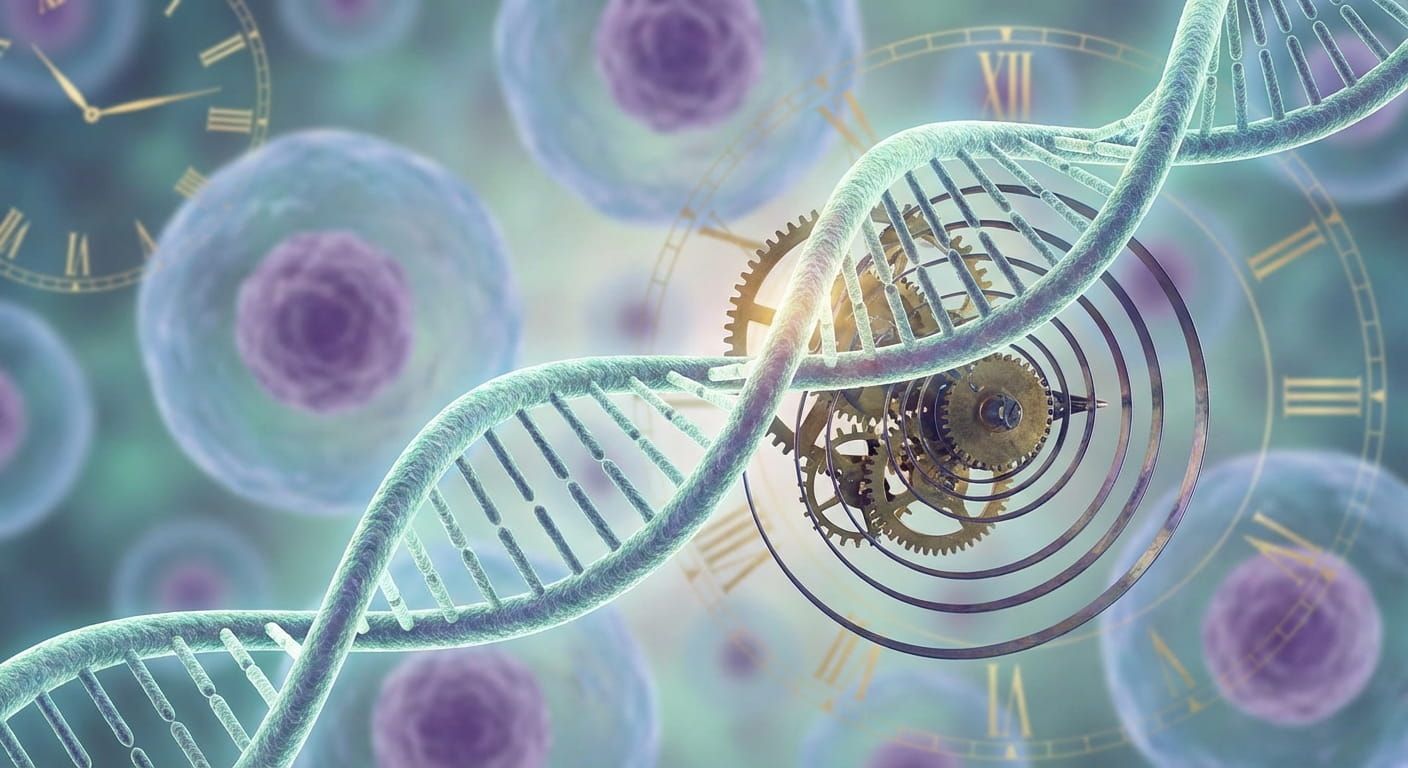
Epigenetics is the layer of control that helps decide which genes are active and which stay quiet. Your DNA sequence is the same in most cells, but gene activity differs across tissues. Over time, patterns of gene activity shift. Some epigenetic clocks track those shifts and use them to estimate biological aging.
It is tempting to treat an epigenetic age number as a verdict. Treat it as feedback instead. It can reflect lifestyle, exposures, and recent stress. It can also reflect long term patterns. Context matters.
Telomeres Mitochondria And Other Timekeepers
Telomeres are protective caps at the ends of chromosomes. They tend to shorten with cell division and stress, although the story is complex and varies by cell type. Mitochondria are the energy hubs of your cells, and their function changes with age, activity, and inflammation.
Some tests look at telomeres. Others look at mitochondrial function indirectly through metabolites. Others combine many signals. No single marker is the whole truth. Your body is a system, and systems rarely boil down to one meter.
A Practical Map From Curiosity To Action
It is easy to get lost in the science. A better approach is to connect measurement to habits and milestones. Many readers start with a simple calendar view, then branch into deeper tracking. If you want a clean starting point for your birthday math and current age, age calculator gives you the baseline. From there, biology becomes the question of pace.
- Set a baseline. Know your chronological age and your recent health context, sleep, stress, illness, training, and medications.
- Pick a focus. Energy, endurance, strength, recovery, mood, or metabolic health.
- Choose markers you can track. Resting heart rate, sleep duration, strength numbers, waist measurement, and lab tests recommended by a clinician.
- Make one change for eight weeks. Consistent sleep timing, a daily walk, more protein at breakfast, or fewer sugary drinks.
- Recheck and reflect. Look for trends, not perfection. Adjust your plan based on how you feel and what your markers show.
Reading Time In The Body Without Obsession
People often ask how to measure age in creative ways. It can be fun, and it can also reveal scale. Your age in seconds is a reminder that time is a flow, not a set of yearly snapshots. If you want to see that number, age in seconds makes the idea tangible.
That said, measurement should serve your life. If a number raises anxiety, it is not helping. The best use of clocks is to guide small choices that you can sustain.
Clocks & What They Tell You
Habits That Nudge The Clocks In A Better Direction
These are not magic tricks. They are the boring, powerful levers that show up across many studies and clinical guidelines. Small improvements compound.
- Sleep regularity with consistent bed and wake times.
- Strength work two to four times per week, scaled to your level.
- Daily movement that keeps your baseline activity steady.
- More fiber from beans, vegetables, whole grains, nuts, and seeds.
- Protein with intention spread across meals for muscle support.
- Stress skills breathing, journaling, time outdoors, and honest boundaries.
- Less smoke exposure including secondhand exposure when possible.
- Social connection that feels safe and real, not performative.
Milestones And Motivation Without The Pressure
Time is personal. Many people find it easier to stay consistent when they anchor change to a date or life moment. It might be a birthday, a race, a graduation, or a health check. If you enjoy mapping out moments, age milestones can help you think in chapters instead of vague goals.
The key is to keep the emotional tone kind. Biological aging science should not feel like a scoreboard. It should feel like a flashlight.
Common Misreads That Make People Give Up
Biological clocks are useful, but they can be misused. A single test can be noisy. An illness can temporarily shift markers. A stressful month can show up in your biology. That does not mean you are broken.
Here are mistakes that cause unnecessary panic, written plainly:
• treating one result as destiny
• comparing your number to friends without context
• changing everything at once and burning out
• ignoring sleep while trying to fix everything else
• using extreme diets that you cannot sustain
Where Calendar Tools Fit Into The Biology Story
Even the most lab based aging discussion still comes back to time intervals. Planning, eligibility, and life stages often start with standard date math. The broader age info hub is useful here, because it reminds you that age is not one thing. It is a family of time questions. Biology is just one member of that family.
Calendar clarity also helps you avoid mental friction. When the basics are easy, you have more attention for what matters, habits, recovery, and steady routines.
A Closing Note On Living With Your Clocks
Your cells are not trying to judge you. They are trying to adapt. Cellular time clocks give you a way to listen. The healthiest approach is curious and steady. Track what helps you feel better. Keep changes realistic. Let the calendar mark your years, and let your daily choices shape how those years feel from the inside.