China is one of the largest countries on Earth, stretching thousands of miles from east to west. On a map, it looks wide enough to use several time zones just like the United States or Russia. Yet the entire country officially follows one single time: Beijing Time. This choice creates some striking differences in daily life depending on where people live. The decision blends politics, practicality, and national unity, and it continues to shape routines across China today.
Summary
China spans the width of five geographical time zones, but the government uses only one national time called Beijing Time. This creates a unified schedule for business and communication, while causing wide differences in sunrise and sunset across the country.
The Geography Behind the Anomaly
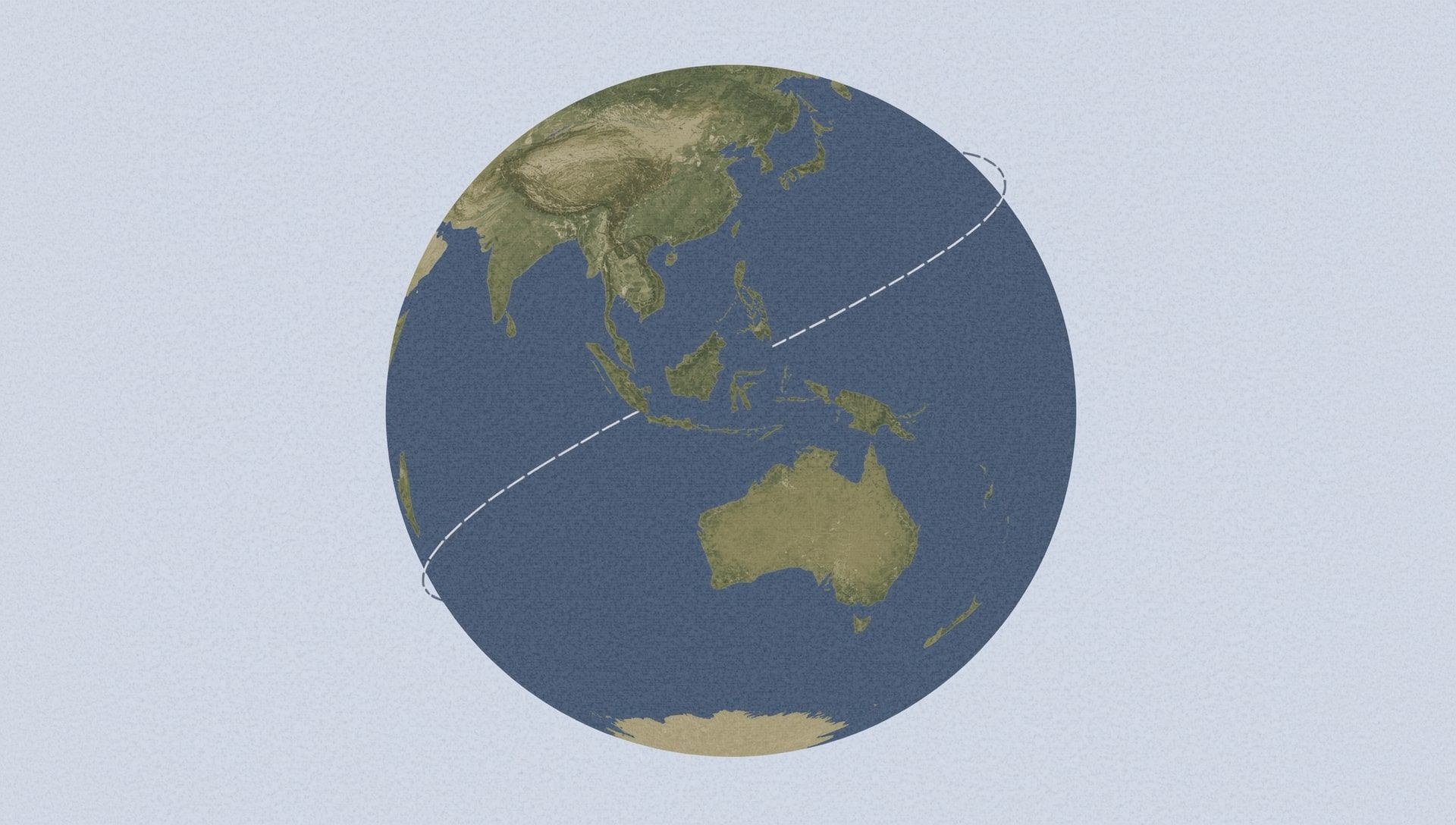
China’s natural landscape stretches across a massive area, covering what would normally be five distinct time zones. In a typical system, regions in Xinjiang would be several hours behind Beijing. However, China made a different choice, streamlining the entire country under a single national clock. You can see the geographic spread of such zones using tools like the world time zone map.
This unusual setup becomes very noticeable when comparing western and eastern China. In Beijing, the sun rises at times most people expect. In far western China, sunrise may occur as late as 10:00 in the winter. Daily routines must adapt around these differences.
Why China Chose a Single Time Zone
The decision traces back to 1949, when the new central government chose to emphasize unity. A single shared time was seen as a way to strengthen national identity and simplify communication across the newly formed People’s Republic.
Before 1949, China used multiple time zones. After the political shift, the government standardized everything under one zone. Beijing Time, aligned with the capital, became the single national reference.
Beijing Time corresponds to China Standard Time, which sits at UTC plus 8. Even regions thousands of miles west follow this same offset.
How One Time Zone Impacts Daily Life
Living in a single-zone country that covers such a wide area creates contrasts that many visitors find surprising. People in eastern cities like Shanghai and Beijing experience daylight hours similar to other places at the same longitude. Meanwhile, residents in western areas shift their routines naturally to match local sunlight.
For example, offices in Xinjiang may start workdays later in the morning, even though they are still legally operating on Beijing Time. School schedules, store hours, and meal times shift too. Communities essentially create unofficial local systems while still following the national standard.
Beijing Time and the Role of Local Customs
Despite the nationwide use of Beijing Time, some regions maintain unofficial regional times for daily convenience. In places like Xinjiang, residents may refer to “local time,” which is two hours behind Beijing. Businesses often coordinate using both local customs and the national standard, depending on who they are dealing with.
These local adaptations show how people respond to natural daylight rather than the official clock. It creates a layered experience of time, one that blends government policy with cultural routines.
How China’s One-Time System Compares Globally
Most countries of similar size use multiple time zones. Russia covers 11. The United States uses several as well, including Alaska and Hawaii, which follow their own regions such as Hawaii Standard Time. China stands out because of how seamlessly it manages the single-zone approach despite vast regional differences.
The Practical Benefits of a Single National Time
Even with its drawbacks, a unified time zone simplifies many aspects of national life:
- Nationwide broadcasts follow one schedule.
- Train routes and airline schedules avoid confusion.
- Businesses operate seamlessly across provinces.
- Government offices coordinate without cross-zone planning.
- Technology systems use one consistent offset.
Some countries with multiple zones experience confusion when scheduling across regions. China avoids this entirely through its one-zone policy, reinforced by tools like the time zone lookup guide that reflect unified national time.
The Challenges and Everyday Adjustments
The uniformity of Beijing Time does create challenges. In far western China, evenings can feel extremely long while mornings begin in darkness. People often shift their days naturally to match sunlight, creating a lifestyle rhythm that differs sharply from Beijing despite sharing the same clock.
Visiting western regions can feel disorienting for newcomers. When sunrise comes hours later than expected, routines adjust quickly. Even simple tasks like scheduling a meeting can take local customs into account.
A Unique National Relationship with Time
China’s decision to use a single time zone reflects more than geography. It represents political choices, cultural identity, and the desire for national unity. Despite spanning the width of five logical time zones, China continues to function on Beijing Time with remarkable efficiency.
Whether you are checking sunrise times in Shanghai or planning travel to western regions, this one-zone system shapes every part of the experience. The Beijing Time anomaly stands as one of the world’s most fascinating examples of how countries adapt the clock to fit their identity.