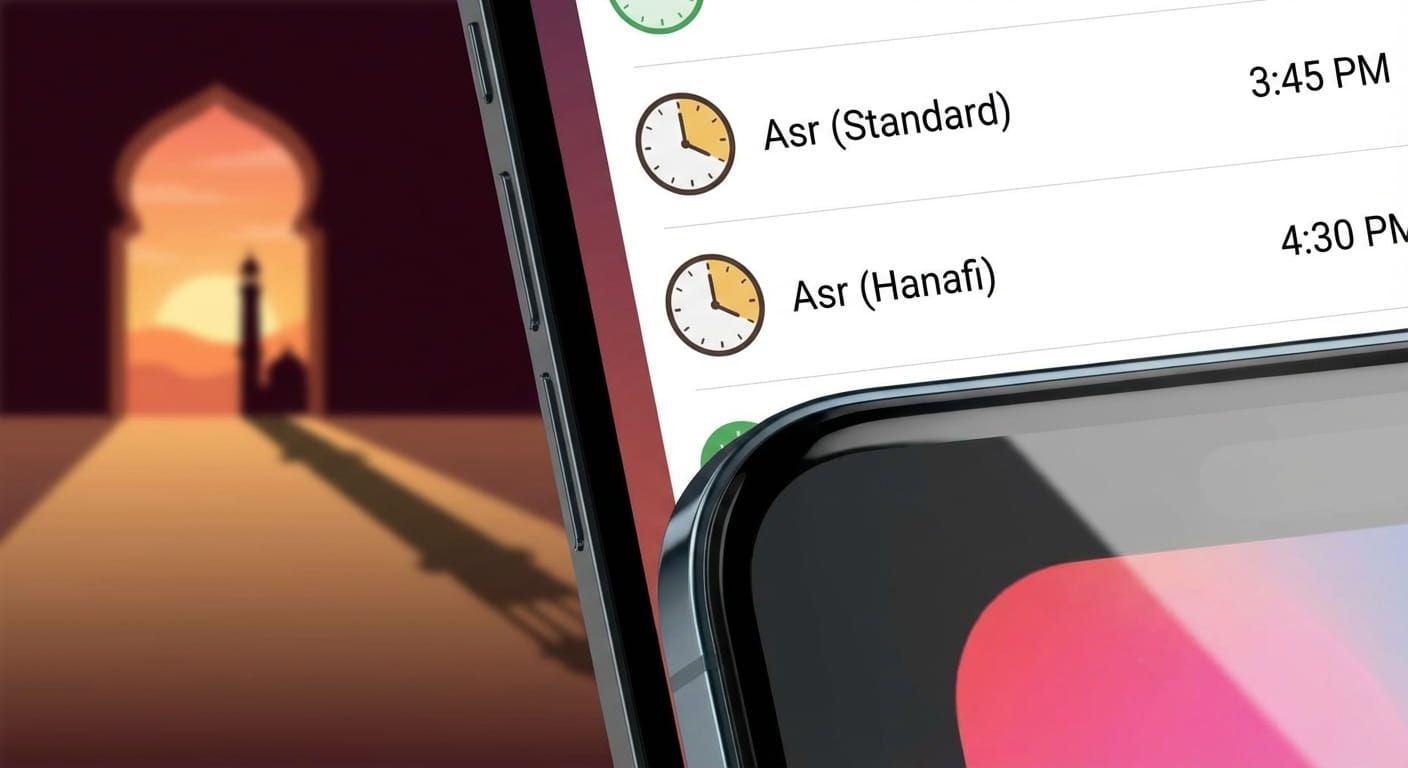
Prayer apps often look simple until Asr appears twice. One line says Asr Standard. Another says Asr Hanafi. That small difference can shift your prayer time by quite a bit, and for many people it raises a real question, which one should I follow? The answer rests on how each method defines the start of Asr, and on the school of thought you follow in daily worship.
Key takeaway
Apps show Asr Standard and Asr Hanafi because Islamic jurists use two accepted ways to calculate when Asr begins. Standard is followed by Shafi’i, Maliki, and Hanbali schools. Hanafi uses a later start, often 30 to 90 minutes after Standard, though the gap changes by season and location. Choose the setting that matches your school of thought, then keep it consistent in your prayer app.
A Simple Check Before You Read Further
This short interactive check helps lock in the main idea. Pick an answer, then tap the button to see the result.
Why Two Asr Times Appear In One App
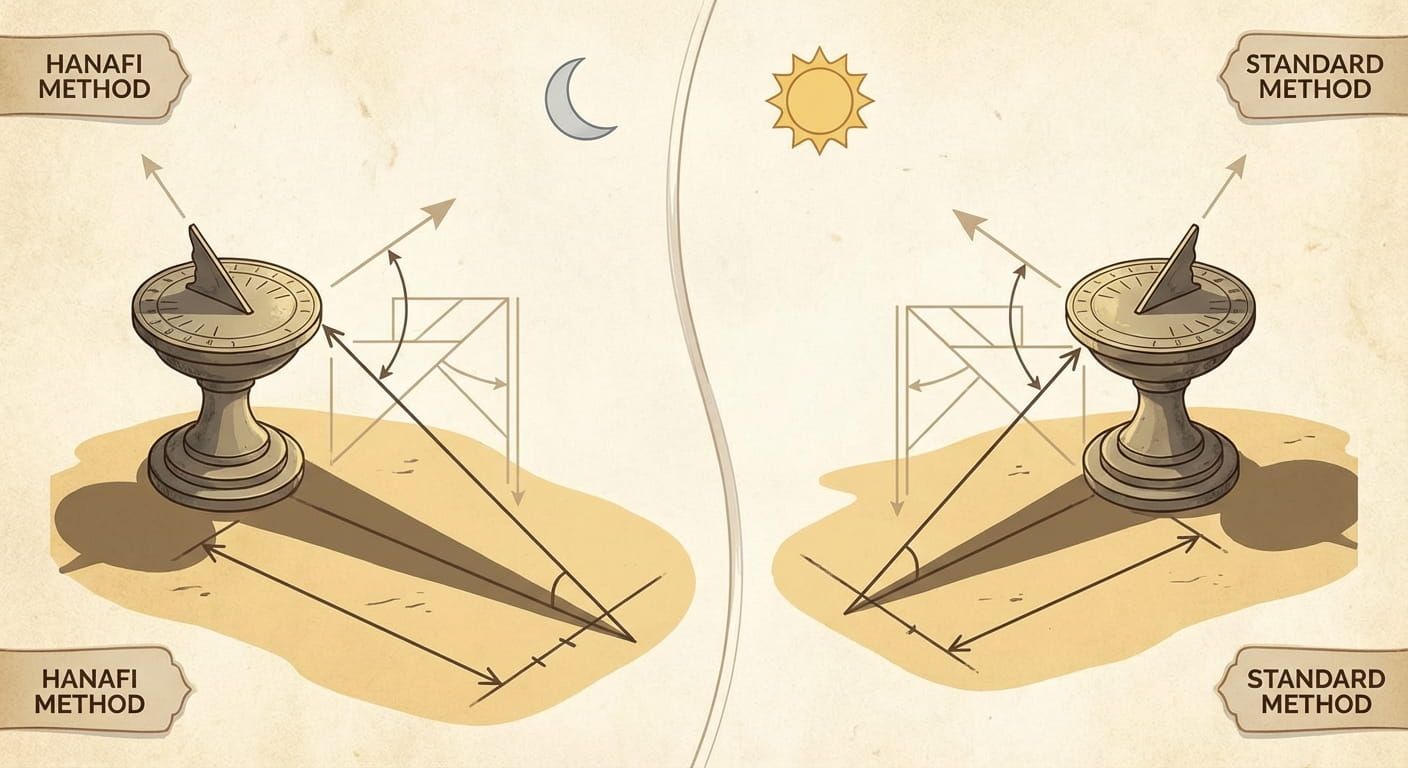
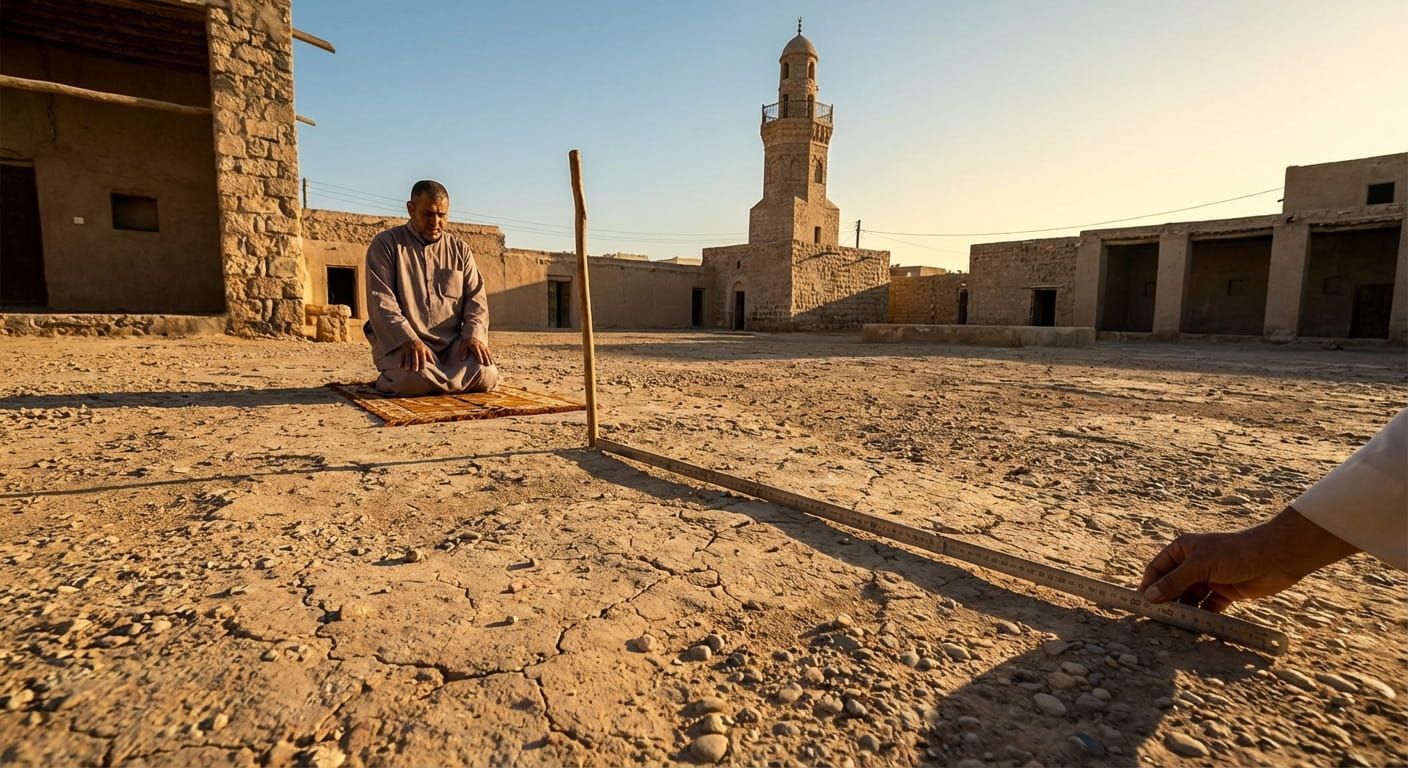
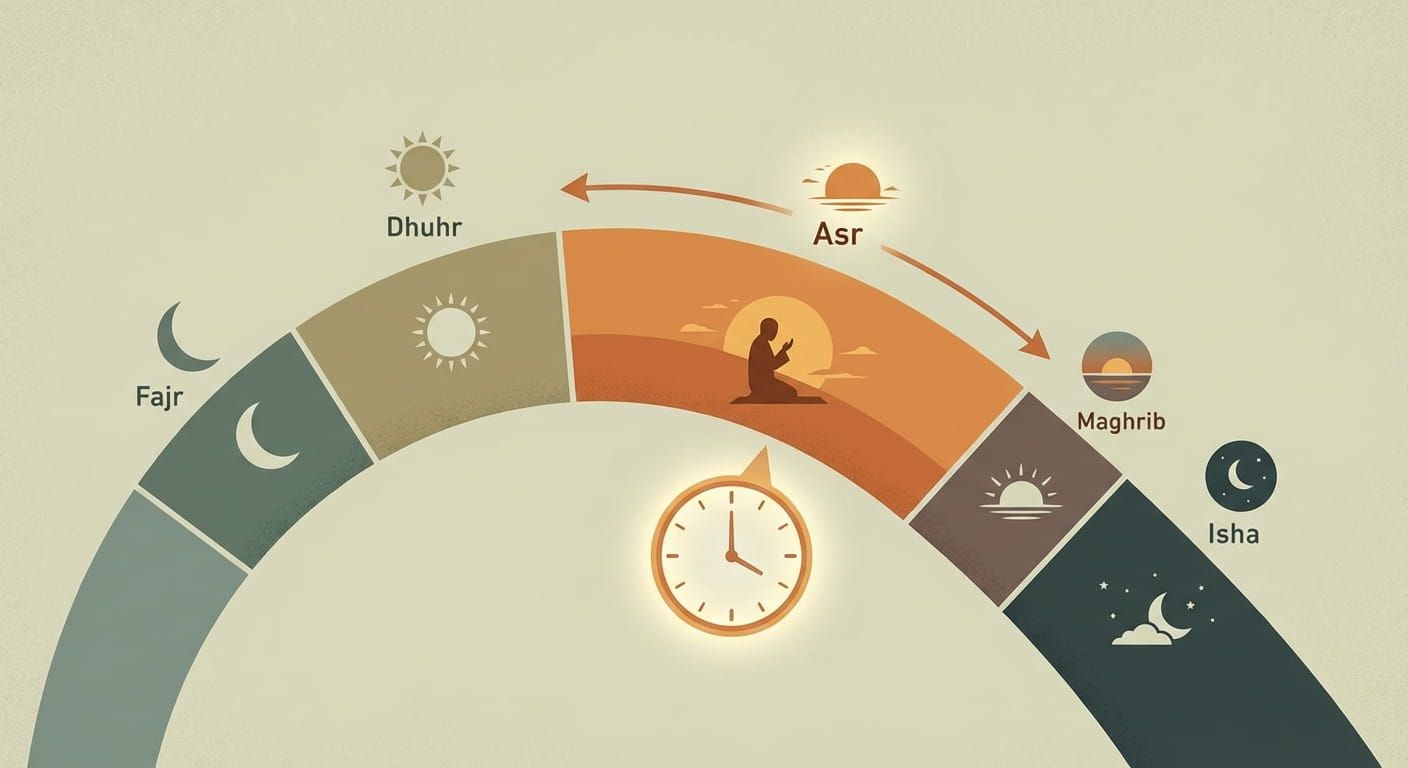
Both times come from valid scholarly methods for determining when Asr starts. The issue is not whether one prayer exists twice. The issue is how the beginning of Asr is measured from the sun and the length of an object’s shadow.
In everyday terms, prayer apps are trying to serve Muslims from different legal schools. Rather than forcing one method on everyone, many apps display both options. That is why you might open your settings and see two labels instead of one.
At the heart of the difference is shadow length. If you want a fuller explanation of the actual shadow rule, Asr shadow length gives the background in a clear way. The short version is this. One method starts Asr when an object’s shadow reaches a certain point after midday. The Hanafi method waits until that shadow becomes longer, which naturally makes the prayer time later.
Helpful way to think about it: your app is not saying one method is right and the other is wrong. It is giving you two recognized juristic choices. Your task is simply to match the app to your own school of thought.
What Standard And Hanafi Mean In Practice
In most prayer apps, Asr Standard refers to the method followed by the Shafi’i, Maliki, and Hanbali schools. Asr Hanafi refers to the Hanafi school. This is why the labels can feel a little technical. The app is using a short setting name for a much bigger legal tradition.
- Standard is usually earlier
- Hanafi is usually later
- Both are rooted in recognized juristic reasoning
- The difference changes through the year and from city to city
That last point matters more than many people realize. The gap is not fixed. In one place it may be close to half an hour. In another place, or during another season, it can be much longer. A broader comparison between these two methods is covered in Asr hanafi and standard method.
How Much Later Is Hanafi Asr
For most users, the time difference falls somewhere between 30 and 90 minutes. That range is common, though it is not a hard rule. The actual gap depends on latitude, season, and the sun’s angle on that specific day.
Winter and summer can make that gap feel different. The sun’s path changes, which changes the speed at which shadow lengths reach the required mark. Seasonal variation is one reason two people in different countries can both be correct and still see very different intervals between Standard and Hanafi. A closer look at that pattern appears in Asr winter and summer variation.
Which One Should You Follow
The clearest answer is also the simplest. Follow the one that matches your school of thought. If you are Hanafi, choose Hanafi. If you follow Shafi’i, Maliki, or Hanbali practice, choose Standard. If you do not know your school, ask your local imam or check what your mosque uses for congregational prayer times.
Many people are less concerned with legal labels and more concerned with practical daily worship. In that case, use the method taught by your local community, especially if you pray in congregation often. Unity in practice can remove confusion, particularly for families with children, mosque volunteers, and anyone scheduling work breaks around salah.
These points usually settle the matter:
- Identify your school of thought, or the one you normally follow.
- Check the settings page in your prayer app for Asr calculation method.
- Select Standard if your practice is Shafi’i, Maliki, or Hanbali.
- Select Hanafi if your practice is Hanafi.
- Compare your chosen time with your local mosque once, then leave the setting in place.
This matters because switching back and forth based on convenience can create unnecessary confusion. A prayer app works best when it reflects a steady method rather than a changing one.
Why The Gap Changes From One City To Another
Location changes sunlight, and sunlight changes shadows. That is why the difference between Standard and Hanafi in Singapore will not always mirror the difference in London, Istanbul, or Karachi. The same applies across Cairo, Jakarta, Mecca, and other cities.
If you want to see how this looks in real daily schedules, checking local pages can help. Many readers compare Asr in Singapore with Asr in London or Asr in Istanbul and notice that the daylight pattern itself changes the rhythm of the prayer day.
In cities closer to the equator, the yearly swing can feel steadier. In places with stronger seasonal changes, the movement can be much more noticeable. That is why Asr in Karachi, Asr in Jakarta, and Asr in Cairo do not line up in the same way across the calendar.
One useful pattern: if you track Asr in Mecca beside Asr in Singapore, you can see how geography shapes the prayer timetable even before method differences are added in.
How To Change The Setting In Your Prayer App
Most apps place this under calculation method, madhhab, juristic method, or advanced prayer settings. The wording changes, but the task is usually easy once you know what you are looking for.
- Open the app menu or settings area
- Find prayer calculation or juristic settings
- Look for Asr method
- Choose Standard or Hanafi
- Save the setting and refresh the timetable if needed
Some apps only show a single active setting and hide the other until you tap deeper into preferences. Others display both on the main schedule for comparison. If your app seems off, it is worth checking whether location permissions, daylight saving adjustments, and method settings are all aligned. A small toggle can make a large difference.
For people who travel often, it helps to verify the city page after landing. Someone moving between Asr in Dhaka and Asr in Riyadh may notice the day looks different even before opening the settings menu.
Common Mistakes That Create Unnecessary Confusion
Most confusion around these two Asr times comes from a few repeated habits rather than from the calculation itself.
People often assume both labels are duplicate entries, they copy a friend’s app setting without checking their own school, they compare times from different cities, or they change the Asr method but forget that the phone’s location is still set elsewhere.
Another common problem is assuming the later time means the earlier one is invalid for everyone. That is not how the issue works. The two methods come from established legal interpretation. The real mistake is using a setting that does not match your practice, then feeling unsettled by the result.
Making Peace With The Two Labels On Your Screen
Once you know what those two labels mean, the mystery fades. Asr Standard and Asr Hanafi are not competing prayers. They are two recognized ways of marking the start of the same prayer based on juristic method. One is earlier. One is later. The difference is often 30 to 90 minutes, though place and season can stretch or shrink that gap.
The best choice is the one that fits your school of thought and your local mosque practice. Set it once. Check it against your community timetable. Then let the app do its job. A small setting can bring a lot of calm back to your daily prayer routine, and that clarity is often all most people were looking for in the first place.