Traveling from one part of the world to another introduces more than exciting food, new views, and unfamiliar schedules. It also changes the way you manage your medication. Travelers from the United States, the United Kingdom, Australia, Japan, and many other regions find that crossing time zones can make routine medications, especially birth control, feel a bit tricky. With planning and simple tools, you can keep your schedule steady no matter where your flights take you.
Key Takeaway
Travelers can safely manage birth control and other medications across time zones by planning dose timing before departure, shifting gradually when needed, and using clear reminders to avoid missed or doubled doses.
Why Time Zones Interrupt Usual Medication Routines
Clocks shift, flights run overnight, and local schedules push your sense of time in new directions. When traveling between regions that differ by several hours, your normal 9 PM medication time might suddenly fall in the middle of a long flight. Tools like the global time zone map help you understand the shift ahead of time.
This matters most for medications that work best with strict timing. Birth control pills rely on consistent intervals. Mood stabilizers and certain pain management prescriptions also perform best when kept steady.
Planning Ahead Before the Trip
Thoughtful preparation protects your medication routine from unnecessary surprises. Here are steps many experienced travelers follow:
- Pack more medication than you need and store it in your carry on.
- Set digital reminders based on home time and destination time.
- Note differences between regions using tools like the time zone directory.
- Ask your doctor about flexibility with your specific prescription.
- Plan for overnight or long haul flights that cross several zones.
Short flights rarely create problems. Longer travel days, especially those involving zones such as EST or PDT, often require more deliberate planning.
Adjusting Birth Control Across Time Zones
Birth control pills depend on a consistent interval. Whether you leave from the United States on EST and land in Japan on JST, or you fly from Australia on AEST to Europe on CEST, shifting time by several hours can feel overwhelming.
Travelers use two main approaches:
- Stay on home time for short trips.
- Shift to local time for long stays by altering the schedule gradually.
Gradually shifting your dose an hour earlier or later in the days before your trip helps prevent large timing gaps. Travelers crossing zones such as UTC often find this technique especially useful.
Handling Other Types of Medication
Not every medication demands precision. Many daily prescriptions allow flexibility, especially those taken with meals. Others, like sleep aids, may require careful timing to avoid drowsiness or wide awake nights.
When unsure, professionals in your home country such as pharmacists in the United Kingdom or doctors in Australia can help clarify whether your specific medication can tolerate small timing shifts.
Tools That Help You Stay on Track
Travelers use simple strategies to stay consistent:
- Use apps that compare home time with your destination.
- Set two alarms for the first few days, one for each zone.
- Use the world map tool to understand large zone jumps.
- Label your pill packs with both home and destination dose times.
- Take a photo of your schedule in case you lose written notes.
Navigating Long Flights
Overnight flights can interrupt your schedule. If your dose falls in the middle of your sleep, you can usually take it shortly before bedtime or after waking, depending on what your doctor recommends. Avoid creating a long gap that exceeds your medication’s safe timing window.
Many travelers rely on the guidance found in resources like tips to handle jet lag because time shifts can affect alertness and memory, making missed doses more common.
Common Mistakes Travelers Make
You can avoid trouble by watching out for these common issues:
- Missing doses due to fatigue or confusion.
- Packing medication in checked luggage.
- Making drastic timing changes instead of gradual ones.
- Not preparing for zone changes in regions such as PDT or IST.
- Skipping reminders during long travel days.
With preparation, these challenges disappear quickly.
Staying Healthy While the Clock Shifts
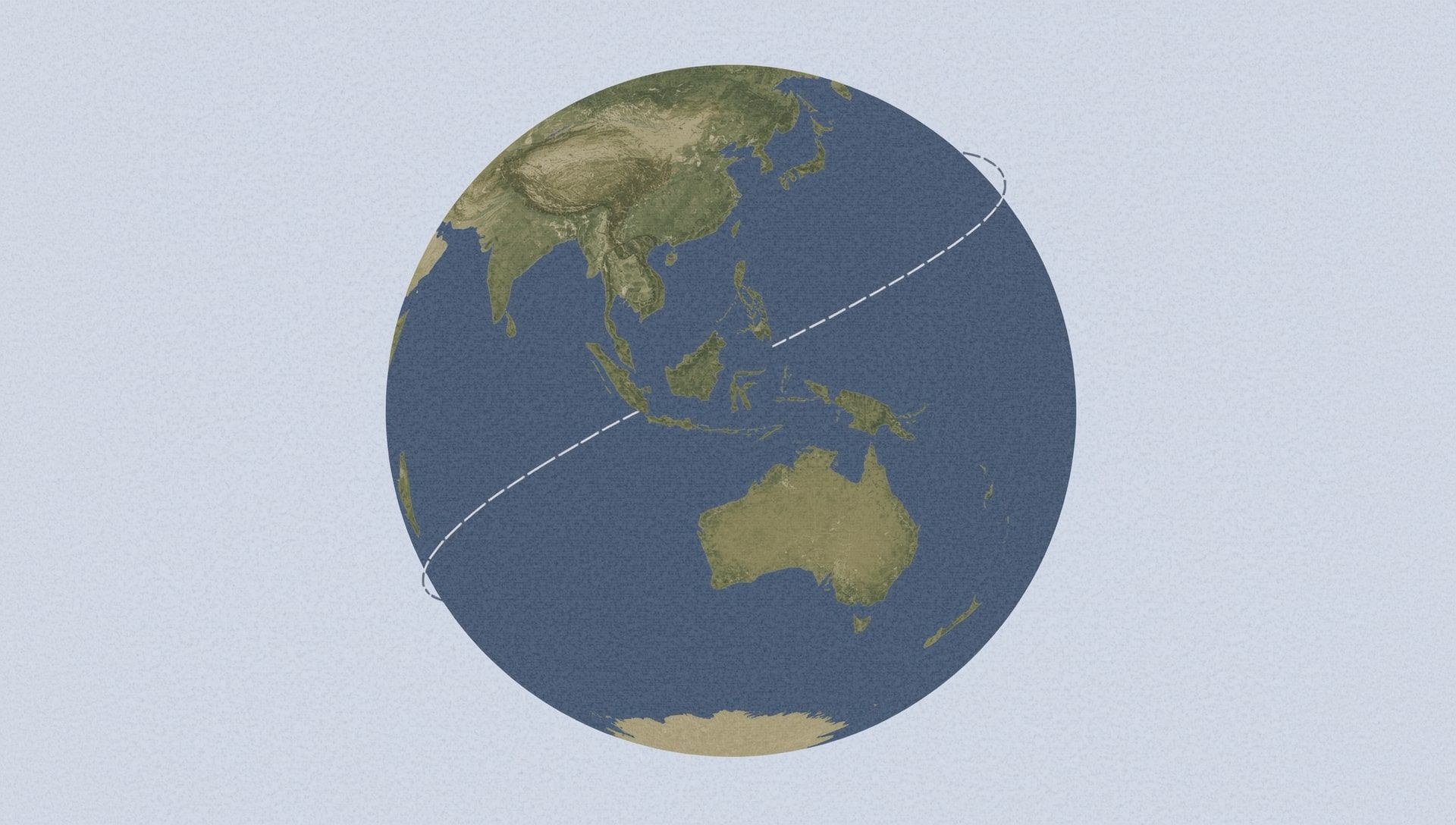
Medication routines may feel harder to maintain when the clock keeps changing, but they do not have to disrupt your trip. With clear reminders, steady habits, and awareness of time differences using tools like the guide to the International Date Line, you can stay steady and confident no matter how far you travel.
A reliable medication routine supports your comfort and health. When you feel well, you enjoy your travels more freely. With thoughtful planning, your routine moves smoothly with you from one zone to another.