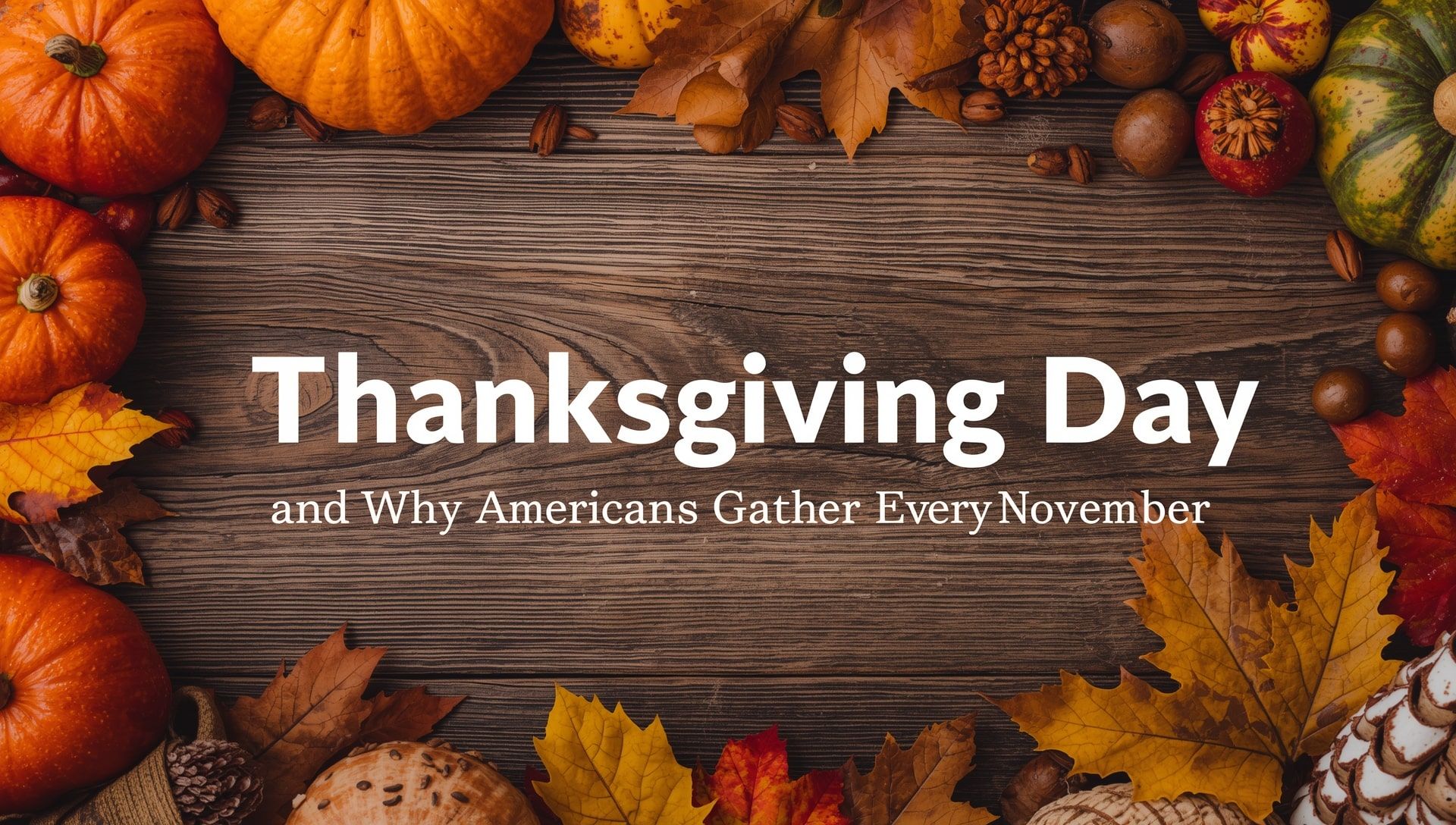
Thanksgiving carries a gentle pull that brings people back together each year. The fourth Thursday of November arrives with a rhythm all its own, guiding families across states and time zones, filling airports and highways with movement, and wrapping homes in warm aromas that feel familiar even when life has changed. At its heart, Thanksgiving celebrates gratitude, shared history, and the comfort of gathering. Its story stretches from early colonial settlements to the modern tables people set today, all tied to the idea that pausing for appreciation strengthens communities across the United States.
Test Your Thanksgiving Knowledge
Quick Quiz: What year did Thanksgiving become an official national holiday in the United States?
- A. 1789
- B. 1863
- C. 1941
- D. 1905
Holiday traditions tell stories about what people value, and Thanksgiving communicates a message about slowing life down long enough to share a table. While travel surges over this period, the meaning behind the journey connects to gratitude rather than formality. Some states even post related guidance on local calendars, such as Texas or New York, making the date part of broader public holiday planning. Platforms like TIME.NOW Public Holidays help communities keep track of the celebration each year, especially when managing time sensitive goals or coordinating with workplaces.
How the Holiday Grew Into a National Tradition
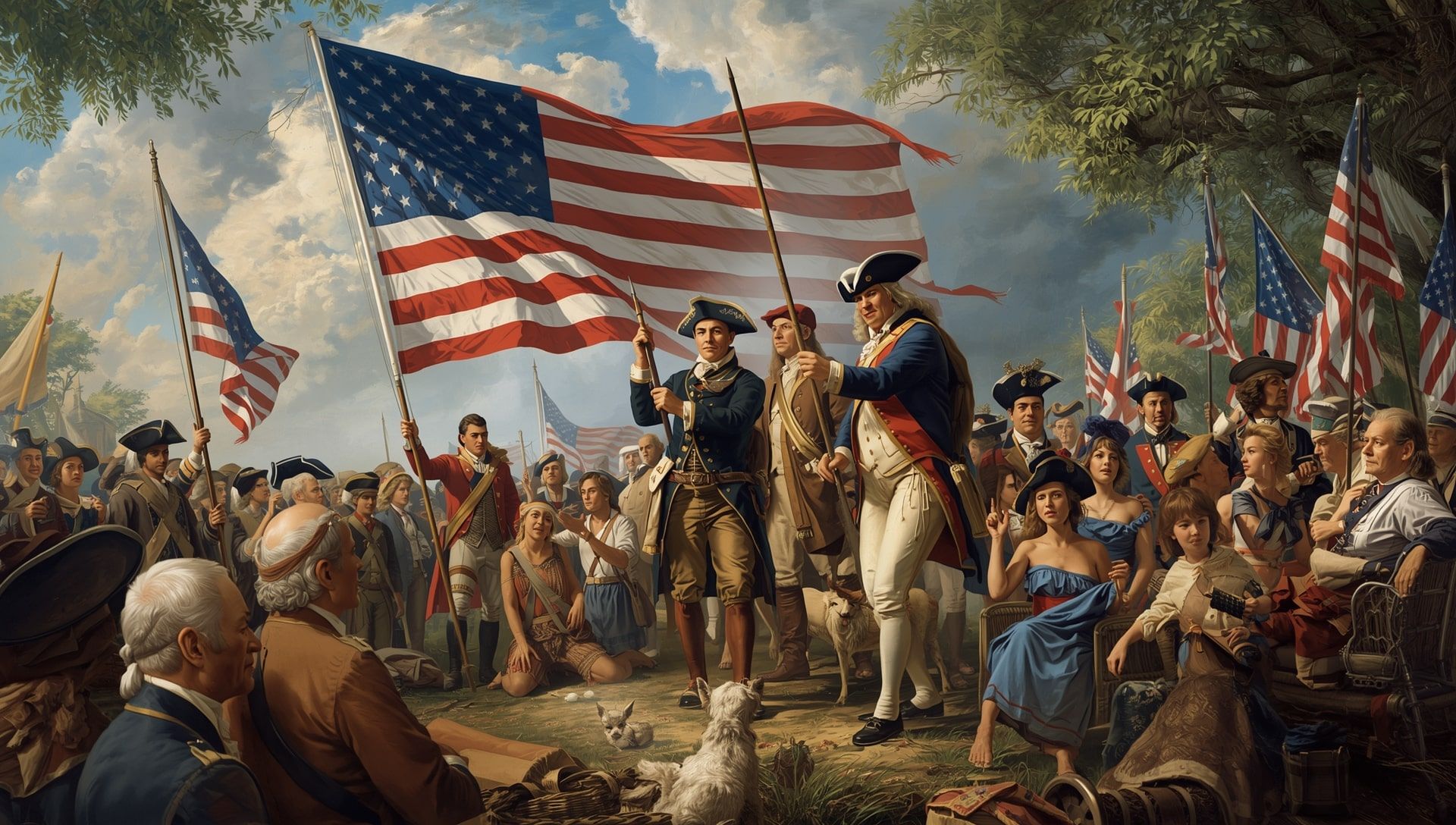
Thanksgiving began as a seasonal harvest gathering in the seventeenth century. Colonists and Indigenous communities held events that honored successful growing seasons and survival through challenging years. These early gatherings shaped the symbolic foundation that modern Thanksgiving builds upon. The national recognition came centuries later, influenced by leaders who wanted a moment of unity. Abraham Lincoln endorsed a national day of thanks during the Civil War era, encouraging the country to pause even during hardship.
Later, Congress aligned the day with a consistent annual schedule, giving families a clear date to travel and plan. Many states, including Michigan and Colorado, integrate Thanksgiving into their public holiday calendars alongside regional observances. People planning business operations often check related guidance such as how public holidays affect business days or payroll challenges during holiday seasons, especially around the long weekend that follows Thanksgiving.
Why Families Keep Gathering Every November
Most households associate Thanksgiving with simple joys: cooking favorite recipes, replaying the same football traditions, sharing stories that get repeated every year, and setting aside time to reconnect. The predictability of the date creates comfort, and even people living far from home often map out travel months in advance. Some workplaces consider the surrounding days carefully, offering floating holidays or flexible schedules, while states like those that observe Black Friday as a holiday extend the celebration window.
Bullet points can help illustrate the reasons people continue returning home:
- Comfort in familiar foods and rituals
- Time to reconnect before the winter season
- Shared traditions passed between generations
- Moments to reflect on the past year
- A pause from fast moving schedules
What Thanksgiving Means in Everyday Life
People often use Thanksgiving as a chance to evaluate their year. Some consider whether their workload was balanced, particularly if they had to account for missing holidays on their calendars as mentioned in common scheduling gaps. This time of reflection feels natural because the holiday sits near the end of the year, giving people enough perspective to decide how they want the next months to look.
Businesses also adjust during Thanksgiving. Retail teams prepare for major seasonal activity, while offices review staffing based on public holiday rules similar to guidance found in holiday pay requirements. Some workers compare how many public holidays they receive to international standards, reading resources like countries with the most public holidays or why Americans have fewer national holidays.
Numbered Snapshot of Thanksgiving Practices
- Travel peaks, making it one of the busiest holiday periods of the year.
- Families prepare recipes that connect to their cultural or regional roots.
- Communities host parades and events, often broadcast nationwide.
- Many workplaces close or shift schedules, depending on state guidelines.
- The long weekend shapes shopping habits and early winter planning.
How State Calendars Reinforce the Tradition
Every state recognizes Thanksgiving, and many publish detailed public holiday lists. Checking calendars for Alaska, Louisiana, or South Carolina reveals how consistently this date appears compared to other observances that vary widely. States differ on adjacent holidays, weather driven closures, or optional observances, but Thanksgiving remains solidly fixed.
Some regions review how public holidays relate to school calendars or shifts, similar to considerations seen in Christmas observance variations. This ensures that families have predictable plans each November.
How Thanksgiving Stands Out Among Seasonal Holidays
| Holiday | Typical Month | Key Feature |
|---|---|---|
| Thanksgiving | November | Gratitude gatherings |
| Christmas | December | Gift giving traditions |
| Independence Day | July | National celebrations |
Why the Story Behind Thanksgiving Still Resonates
Thanksgiving continues because people enjoy having one guaranteed pause they share with others. Whether families are comparing school calendars from Vermont, arranging time off in Oregon, or balancing work commitments in Florida, the craving for connection remains the same. It is a cultural anchor that reminds communities across the country that gratitude fuels resilience.
Thanksgiving also pairs naturally with broader conversations about time management. Many users of platforms like aqoreview.hk and TIME.NOW rely on accurate holiday listings to plan both personal and professional schedules. Articles like how to add or remove public holidays on digital calendars help people avoid confusion when travel plans or workplace hours shift.
A Closing Look at Why Americans Keep Returning to the Table
The heart of Thanksgiving lies in a shared pause that people eagerly protect. As November arrives each year, families and friends gather not out of obligation but out of appreciation for connection. From bustling cities like California to quiet rural towns in Iowa, the holiday binds people through gratitude, memory, and togetherness. The table becomes a reminder that even in a busy year, reflection and community remain vital threads in American life.