Clocks once drifted across regions without strict agreement. One town’s noon rarely matched the next town’s noon. Life moved slowly and people accepted these differences. Then railroads arrived and everything changed. Trains sped across great distances and exposed a messy truth, scattered clocks caused real problems. To keep passengers safe and schedules clear, railroads pushed the world toward coordinated time, shaping the system we still use.
Key Takeaway
Standard time zones were created because trains needed consistent and reliable schedules. Local solar clocks varied widely, causing confusion and risk. Railroads encouraged governments and communities to align their clocks, leading to a global structure that supports travel, communication, and daily life today.
The World Before Shared Time
Before trains crossed regions in hours rather than days, communities managed perfectly well with local solar time. If Riverton marked 12:00 several minutes later than Easton, no one worried. People rarely traveled far enough or fast enough to notice. Once rail travel became common, these differences created constant confusion.
Imagine stepping into a station whose clock reported 11:57 and stepping off the train twenty minutes later into a town whose clock read 12:09, even though the ride lasted only a few miles. Schedules became puzzles. Conductors struggled to prevent accidents. Newspapers printing departure times could not keep things straight. Railroads moved quicker than the clocks that guided them.
Railroads Reach a Breaking Point
Rail companies tried adopting their own unified standard across all stations they controlled. This helped a little, but competing rail lines used different time standards. Some cities even displayed several different times at once. Travelers grew frustrated. Businesses could not rely on local clocks. Something more consistent had to emerge.
Understanding the layout of regional times eventually became easier through visual tools. A modern version can be seen through the global time zone map, which shows how zones stretch and bend across landscapes.
How Standard Time Emerged
Railroads realized that they needed a single set of shared offsets across vast areas. This pushed North America toward four major time zones that eventually influenced global standards. Those standards revolve around a universal reference, now known as Coordinated Universal Time.
Once trains adopted this clearer structure, governments saw the benefits. Communication became more reliable. Businesses found it easier to organize long distance partnerships. Even early telegraph networks worked more smoothly. Aviation would later follow similar methods, and guidance for pilots appears in the report on how pilots handle time zones for flight planning.
Even with global standards in place, some countries use offsets that do not align with whole hours. A closer look at those patterns appears in the explanation of half hour and 45 minute offsets.
How the World Changed After Shared Time Zones Spread
With common time zones, long distance coordination improved quickly. Commerce could flow across cities with confidence. International mail and telegraph messaging became predictable. You can still see how each zone connects with the full reference list at the time zone directory.
Rail Travel Benefits
Trains could now follow dependable schedules. Printed timetables matched reality instead of shifting local clocks. Safety increased. Travelers no longer needed to carry multiple pocket watches set to different local times.
Aviation Follows the Pattern
Air routes cross wide regions in just a few hours. This makes coordinated clocks even more necessary. The entire aviation network depends on predictable and unified offsets.
Places That Keep Time Their Own Way
Even with global systems, some regions preserve unique traditions. One example is India, which uses a single time zone despite its size. You can read about the reasoning behind that in the article on India’s single national time choice.
Other places follow offsets shaped by politics, borders, or cultural patterns. These interesting cases appear in the overview of unusual and confusing zone boundaries.
Helpful Points That Explain Railroad Influence
Below is a simple set of bulletpoints that capture the essential reasons trains reshaped global time:
- Trains required predictable schedules for safety.
- Solar based local clocks differed too widely for fast travel.
- Individual rail standards caused new conflicts between companies.
- Shared zones fixed these problems and became a global model.
- Many modern systems such as broadcasting and long distance travel still depend on these structures.
How Modern Tools Reflect the Legacy of Railroad Time
People commonly check global differences through digital references. For example, someone planning a call with Beijing may consult the page for China Standard Time. Another traveler might compare European regions through the guide to Central European Time. These tools make everyday planning easier because railroads created a common structure.
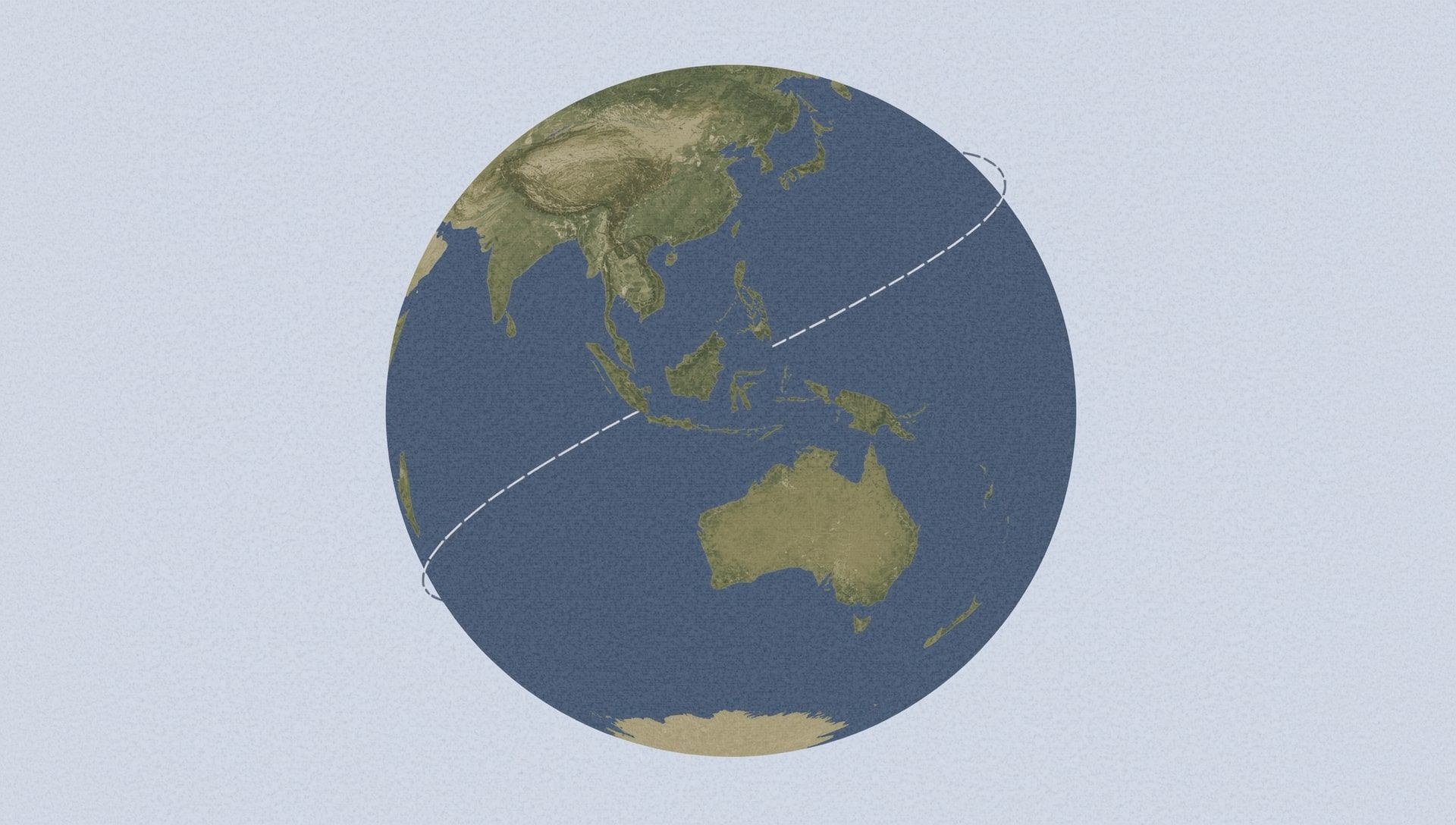
Time also plays a central role in the International Date Line, whose unusual shape reflects cultural decisions. A deeper view is available in the report titled Why the International Date Line Is Not Straight.
Examples of Zones in Daily Use
People across the United States rely on Eastern Daylight Time, which appears in the outline for Eastern Daylight Time. Many on the west coast reference Pacific Daylight Time as described in the Pacific Daylight Time guide. These offsets support everything from scheduling events to streaming media across countries.
Modern Convenience Built on Railroad Innovation
Digital clocks, world time converters, timers, and countdown tools all depend on the same sort of coordinated system trains once needed. Anyone can check a specific zone easily with the time zone lookup tool.
High speed travel also created new challenges such as jet lag. People often turn to guidance such as methods for reducing jet lag, which exist because crossing multiple zones quickly can disrupt the body’s rhythm.
How Railroad Time Continues to Shape Modern Life
The creation of standard time zones set the stage for global collaboration. Messages, broadcasts, flights, and events all rely on synchronized clocks. Without the decisions railroads encouraged, people might still rely on inconsistent solar clocks scattered across towns.
Every time you set up a meeting across continents or watch countries celebrate midnight at different moments, you experience the impact of this shift. Some travelers even cross boundaries to mark holidays twice, as described in the feature on celebrating New Year twice by switching time zones. These moments remind us that the modern structure of time traces back to the age of rails.