That last stretch of daylight can feel calm and unhurried, yet it carries one of the most sensitive moments in the daily prayer schedule. The final minutes before sunset are not just another part of the afternoon. They mark a narrowing window for Asr, and they raise a common question: how late is too late, and what should a Muslim avoid as the sun drops toward the horizon?
Key takeaway
The last part of the day before sunset is a disliked time for voluntary prayer, often discussed under karahah times. Asr itself must be completed before sunset, and delaying it until the final moments is risky and blameworthy without a valid excuse. The safest habit is simple: know your local Asr start, track sunset, and build enough buffer to pray calmly, with focus, well before the sun turns yellow and the day closes.
Check Your Understanding
Pick the best answer, then tap the button to see it.
Question: What is the safest habit for protecting Asr from slipping into the final disliked minutes before sunset?
Why The Final Minutes Before Sunset Matter
The period just before sunset has a special legal and spiritual weight. In many discussions of prayer times, scholars mention intervals in the day when voluntary prayer is discouraged. These are known as karahah times, meaning disliked times. One of those intervals is near sunset, especially when the sun is low and close to disappearing.
This does not mean the whole afternoon is off limits. It means there is a late stage of the day when extra voluntary prayer is not encouraged. The concern is not random. It is tied to prophetic guidance and to the need to keep acts of worship within the times set for them.
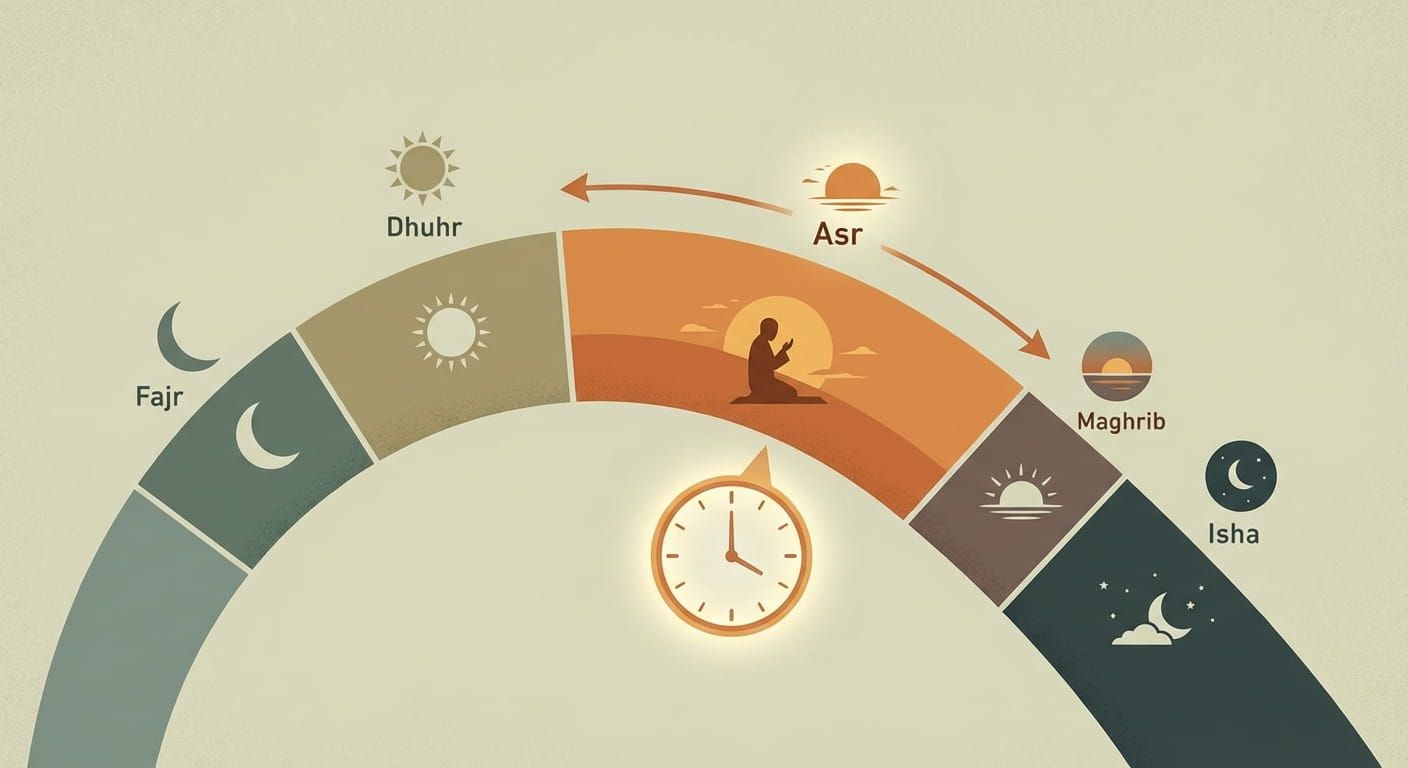
For Asr, this matters even more. Asr is an obligatory prayer with a valid time that extends until sunset. Yet there is a huge difference between praying it on time with calm attention and dragging it to the edge of sunset. One is faithful timekeeping. The other courts negligence.
What Karahah Times Mean In Daily Practice
Karahah times are periods when prayer is restricted or disliked. The details differ slightly across schools of law, especially in how certain exceptions are understood, but the shared idea is clear. Not every minute of the day carries the same ruling for voluntary worship.
In ordinary daily practice, this means:
- Voluntary prayers should not be intentionally placed in the final moments before sunset.
- Asr should not be pushed into that period without a real reason.
- A person should build habits that protect obligatory prayer from turning into a last minute rush.
- Watching the local sunset time is part of good preparation, not mere convenience.
The point is not to make worship stressful. The point is to keep it orderly. Prayer times are a mercy because they structure the day. Once a person treats the deadline as the plan, that structure begins to weaken.
Why Asr Must Be Finished Before Sunset
Asr ends at sunset. That is the boundary. The prayer must be completed before the sun sets. Not started lazily with almost no time left. Not left hanging while the day disappears. Completed.
This is why the final segment before sunset causes anxiety for many people. The closer one gets to the edge, the greater the chance of missing the prayer or performing it in haste. Missing focus is not a small issue. Missing the time altogether is even more serious.
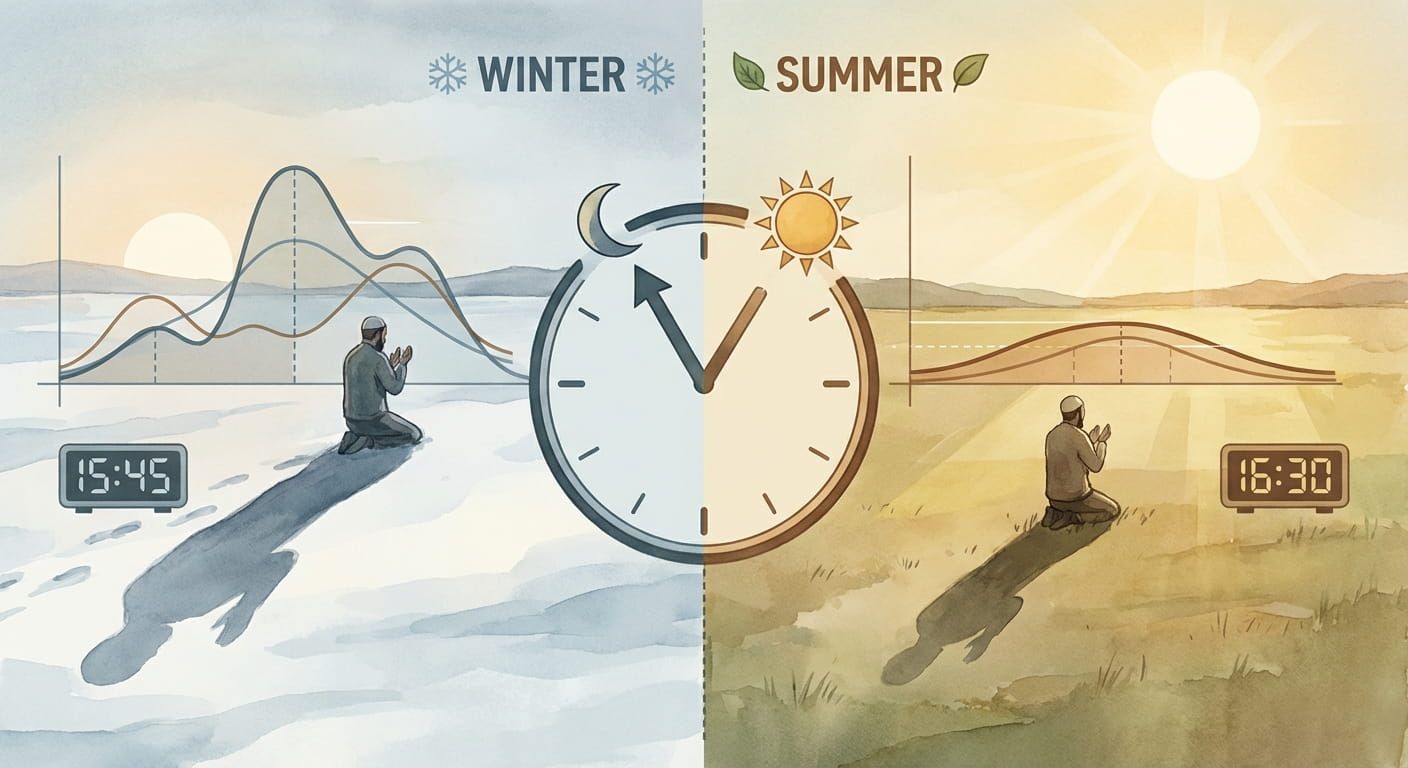
Many Muslims learn this the hard way during travel, work, traffic, exams, long naps, or winter afternoons when daylight ends earlier than expected. A person glances outside, thinks there is still time, then suddenly hears the adhan for Maghrib or sees the sun gone.
The better approach is not to test the boundary. It is to protect the obligation before the pressure rises. That is especially helpful in places where the prayer window can feel different across the year. Reading about the Asr prayer window can help explain why some seasons feel generous while others pass more tightly.
The Last Twenty Minutes, A Useful Rule Of Caution
People often ask for an exact number, and that is understandable. The phrase last twenty minutes before sunset is best treated as a practical caution, not a universal fixed law for every location and every day. The real issue is the approach of sunset and the entry into a disliked period for voluntary prayer.
Using twenty minutes as a safety marker is helpful because it creates breathing room. It gives time for wudu, for a calm prayer, and for the small delays that appear in normal life. Phones ring. Children need attention. Traffic slows. Meetings run over. The body feels tired.
Think of it as a personal guardrail:
- Check your local Asr start and sunset every day.
- Treat the final twenty minutes before sunset as a personal no drift zone.
- Aim to pray before that zone begins.
- Keep a larger buffer when you know the day will be busy.
- Never plan your worship around last second survival.
That habit turns uncertainty into steadiness. It also removes the inner debate that starts when the sky begins to change.
How To Avoid Praying Too Late
Late Asr usually happens for ordinary reasons, not dramatic ones. A person loses track of time. Another assumes there is more daylight than there really is. Someone else intends to pray after one more task, then another task appears.
These simple habits can fix most of that:
Set a daily prayer alert, check sunset before heading out, pray before errands pile up, keep wudu whenever possible, and choose a regular Asr anchor in your routine, after school, before the commute home, at the office break, or right after a recurring afternoon task.
A local prayer page helps a lot here. Someone in Southeast Asia might keep an eye on Asr in Singapore or Asr in Kuala Lumpur as part of an afternoon routine. A traveler moving through the Gulf could check Asr in Dubai or Asr in Riyadh. The same practical habit works in South Asia with Asr in Karachi or farther west with Asr in London. For North America, checking Asr in New York City makes the same point, local timing is everything.
| Situation | What Often Goes Wrong | Better Habit |
|---|---|---|
| Busy workday | Asr gets pushed behind meetings and messages | Block a fixed prayer window before late afternoon pressure rises |
| Travel day | Sunset arrives sooner than expected in a new city | Check the local prayer page as soon as you arrive |
| Winter schedule | Short daylight creates a false sense of extra time | Review sunset early in the day and set a stronger reminder |
| Home distractions | One chore turns into many, then daylight vanishes | Pray before starting tasks that tend to expand |
| Waiting for the ideal moment | The ideal moment never arrives | Choose a good moment and protect it every day |
Different Schools, Same Need For Care
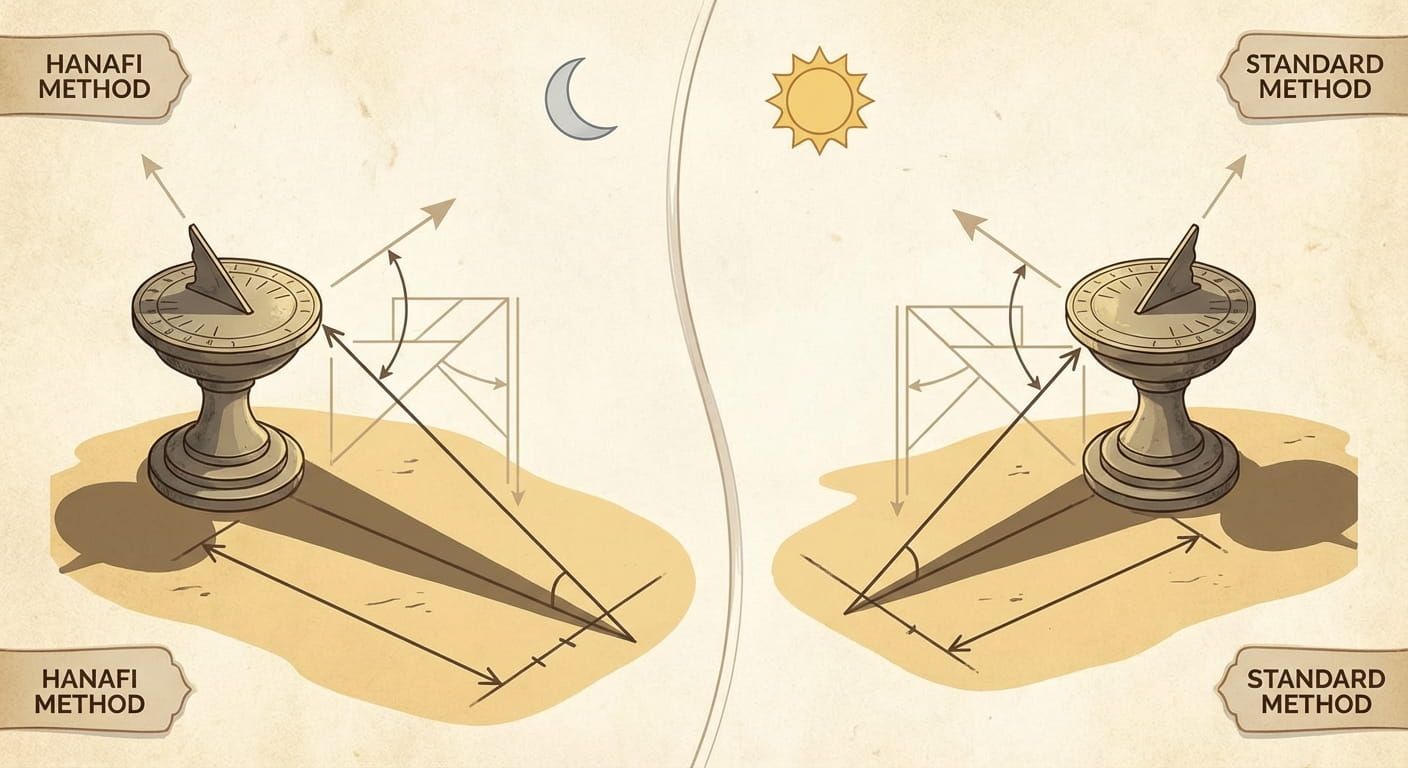
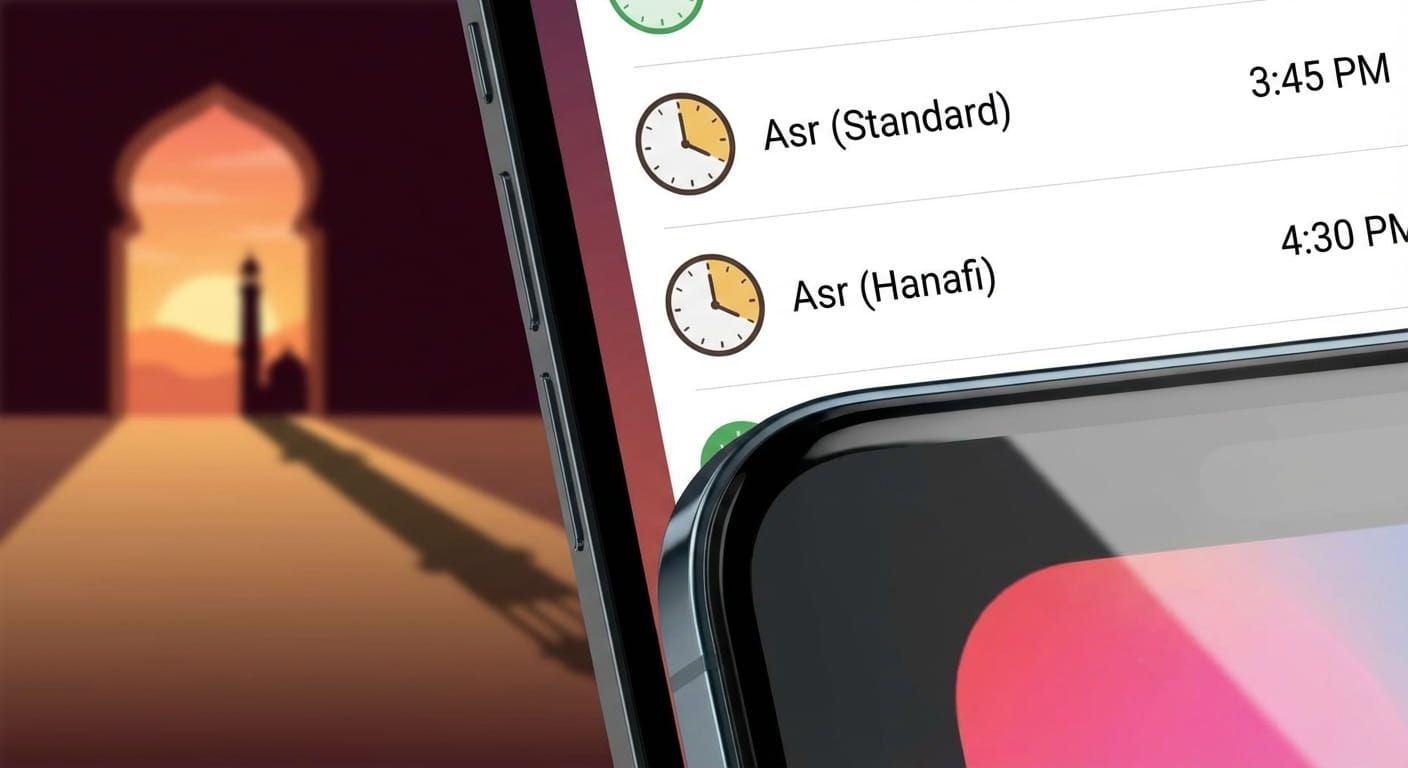
You may notice differences in how people talk about Asr timing. One common area involves the calculation method used for the beginning of Asr. That affects when the window starts, not the fact that sunset ends it. If you want to understand one of the major approaches, reading about the Hanafi standard for Asr helps explain why prayer times can look different across calendars or apps.
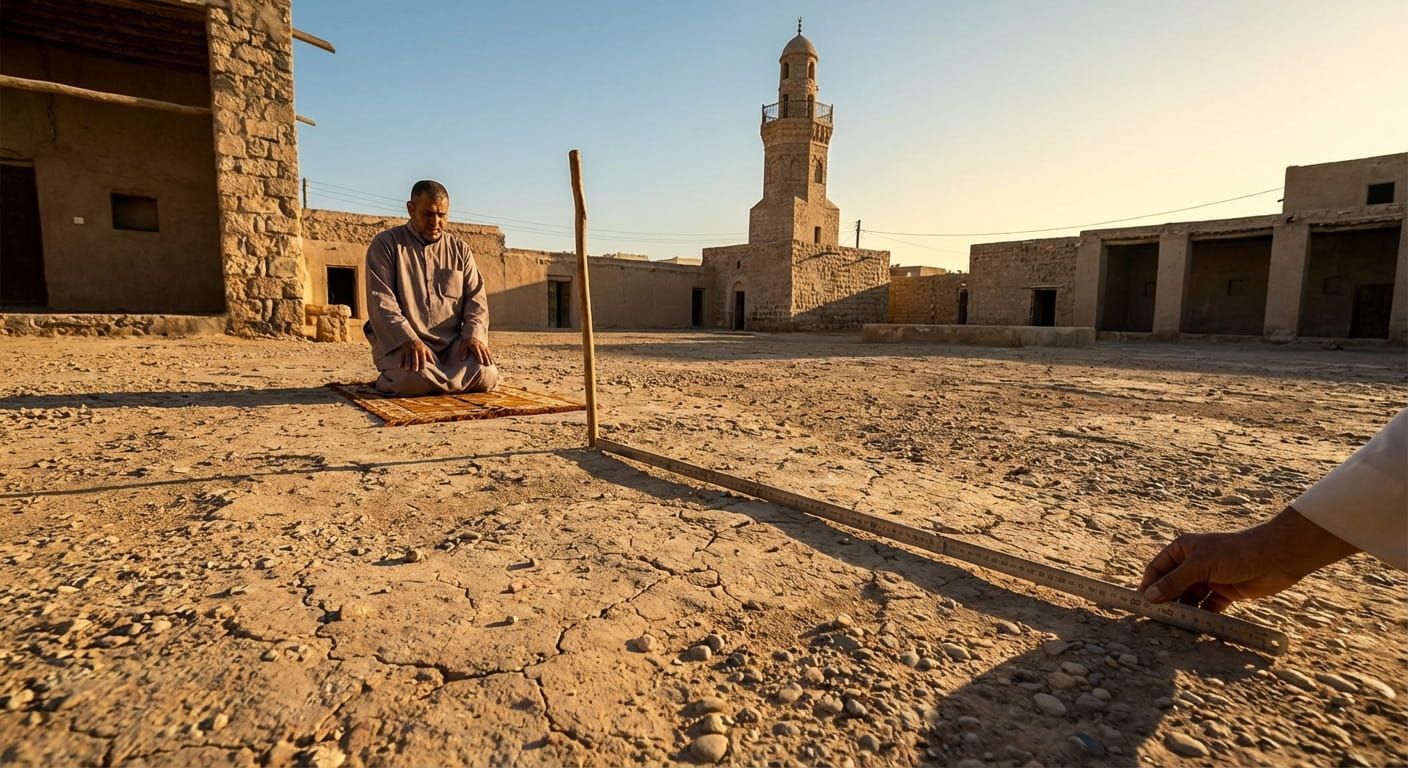
Another useful area is the relationship between shadow length and the beginning of Asr. That discussion sits behind many timetable differences and can be read more clearly in this explanation of shadow length and Asr prayer. These details matter, but they do not change the core practical advice in this article. Once Asr enters, do not drift toward sunset casually.
What About Voluntary Prayer At That Time
The article title points to a forbidden time before sunset, and many readers use that language because the late period feels serious. In practical teaching, scholars often describe it with more nuance, especially by distinguishing between prohibited, invalid, and disliked acts in different situations. For most readers, the safest takeaway is plain: do not intentionally use the final moments before sunset for voluntary prayer.
If you still owe Asr, the focus is not extra voluntary prayer. The focus is the obligation in front of you. That is why those final minutes should trigger action, not delay. They should wake up the sense that the day is closing.
Building A Routine That Keeps The Sky From Becoming Your Alarm
Some people only remember Asr once the light outside changes. That is a fragile system. It depends on weather, windows, season, and mood. A cloudy day can hide the sun. A long indoor stretch can erase all sense of time. A better routine uses both intention and tools.
Try tying Asr to the shape of your day instead of the color of the sky. Students can pray before the late study session. Workers can pray before the final block of meetings. Parents can pray before the evening meal rush. Travelers can pray before boarding or upon arrival. Once that rhythm settles, the disliked period near sunset stops being a recurring problem.
This is one reason a time focused site is useful. Time.now already helps people with clocks, calendars, zones, and schedules. Prayer timing fits naturally into that same daily rhythm. A person who tracks appointments carefully can track Asr carefully too.
When Delay Happens Despite Good Intentions
Life can get messy. A late Asr is not always born from carelessness. There are days of confusion, illness, emergency, or genuine forgetfulness. In those moments, a Muslim should turn back to prayer sincerely and avoid turning one lapse into a pattern. The point of learning these timings is not guilt for its own sake. It is steadiness, repentance when needed, and stronger habits tomorrow.
That is also why shaming language helps no one. A useful reminder is firm but humane. Pray on time. Guard the late afternoon. Do not play games with sunset. Yet also build routines that fit real life, because consistency grows from realistic discipline.
A Calm End To The Afternoon
The forbidden feeling people sense before sunset comes from a real concern, the day is closing, voluntary prayer is discouraged in that late interval, and Asr should not be left hanging at the edge. The safest path is simple and repeatable. Learn your local timing. Keep a buffer before sunset. Pray Asr with enough room for stillness and attention. Once that becomes your habit, the last minutes of daylight stop feeling like a scramble and start feeling protected.