Asr sits in a part of the day that feels both busy and fragile. Work is still going. School is still moving. Traffic is building. Energy is dipping. Yet this prayer arrives with a wider span than any other daily prayer, and that wider span carries real mercy. From mid afternoon until just before sunset, Asr gives people room to pause, reset, and return to Allah without the same tight pressure found in other prayer times.
Key takeaway
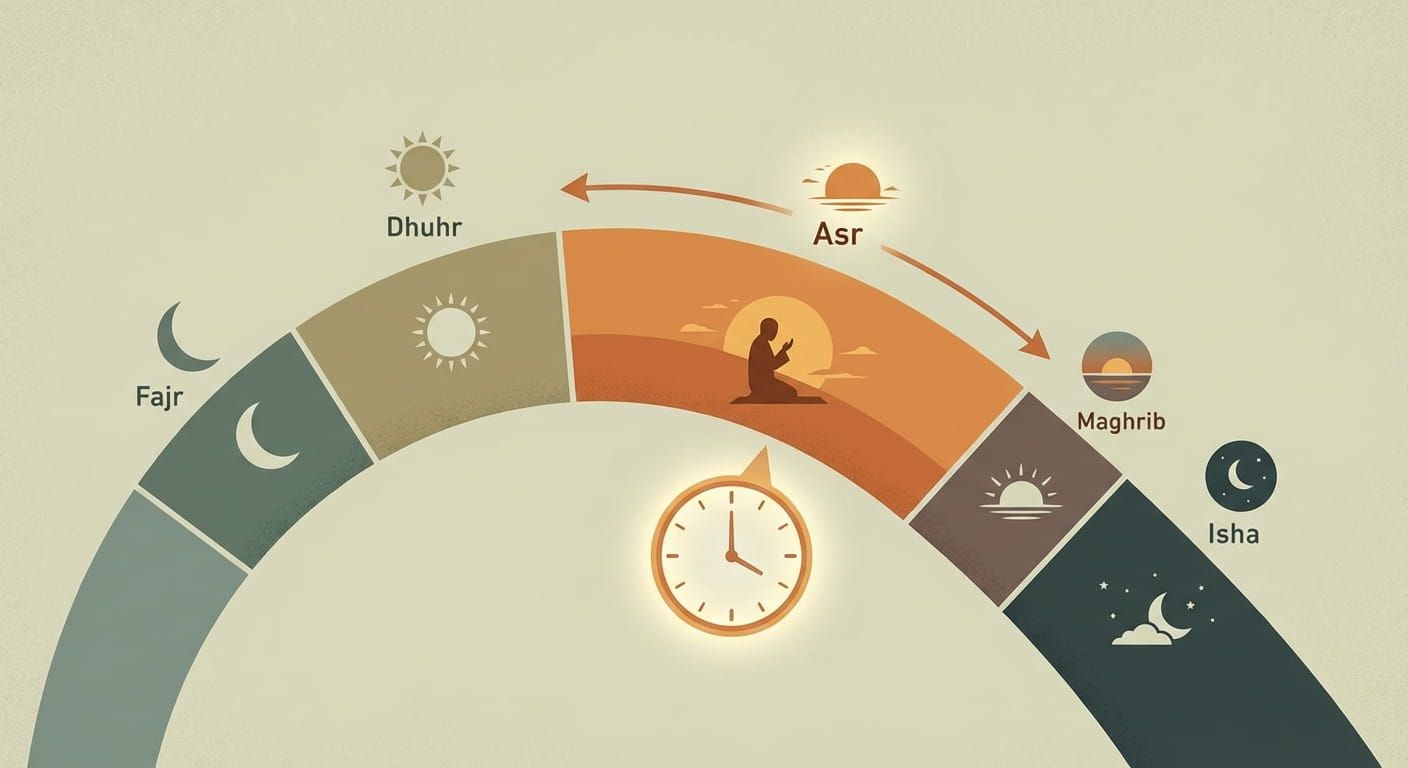
Asr has the longest practical window because it begins in mid afternoon and continues until near sunset, often lasting about two to four hours depending on season and location. That gives flexibility for work, travel, family duties, and changing daylight. Within that span, the best practice is to pray earlier in the window, often called the golden time, and avoid delaying into the makruh time close to sunset without a valid reason.
Test Your Understanding Of Asr Timing
This small interactive check helps fix the main idea in your mind. Pick the answer that best matches the timing rules discussed below.
Which statement is most accurate?
What Makes Asr Different From The Rest
Every daily prayer has a start and an end, but they do not feel the same in lived experience. Fajr can be brief and sleepy. Dhuhr often lands in the middle of work or study. Maghrib arrives and slips away almost at once. Isha stretches later into the night, yet many people are tired by then. Asr stands out because its window is both substantial and reachable.
In many places, Asr begins in mid afternoon and continues until near sunset. In practical terms, that often means a span of two to four hours, though the exact length changes by season, latitude, and prayer calculation method. That is why checking a live city page matters. Asr in Singapore will not match Asr in London, and neither will look exactly the same as Cairo, Riyadh, Karachi, or Sydney across the year.
This is one reason many people feel that Asr is the most forgiving prayer in daily scheduling. It enters while the day still has momentum. It remains open long enough for a meeting to finish, a commute to settle, or a household task to be wrapped up. That breathing room is not an excuse to drift. It is a mercy that helps sincere people stay consistent.
A useful way to see Asr: it is the prayer of transition. The day has not ended, but it is turning. That turning point explains both its longer window and the strong encouragement not to let it drift too close to sunset.
Why Maghrib Feels Tight While Asr Feels Spacious
The contrast with Maghrib makes the point clear. Maghrib begins at sunset and has a much shorter practical window. Many people describe it as feeling like fifteen minutes, not because every school of law defines it in exactly that narrow way in all detail, but because sunset changes fast and the sense of urgency is immediate. Miss the moment, get distracted, linger over food, and the prayer can slip past before you realize it.
Asr does not create that same pressure. The sun is still up. Light remains. Daily life is still moving. That broader zone supports people who are on the road, in class, handling children, finishing work, or stepping out of public spaces to find a clean spot to pray. In cities from Jakarta and Kuala Lumpur to Dubai and Lagos, that flexibility can make the difference between daily steadiness and daily struggle.
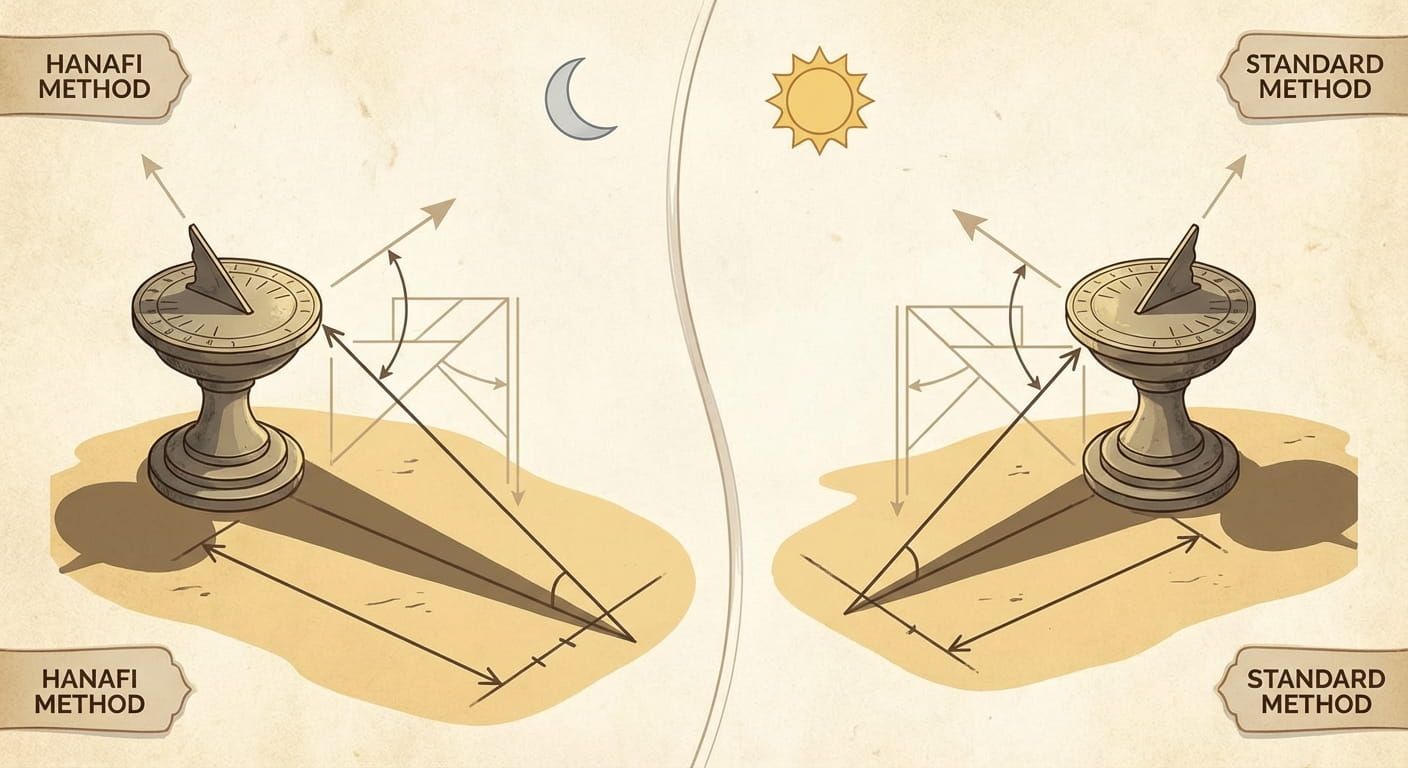
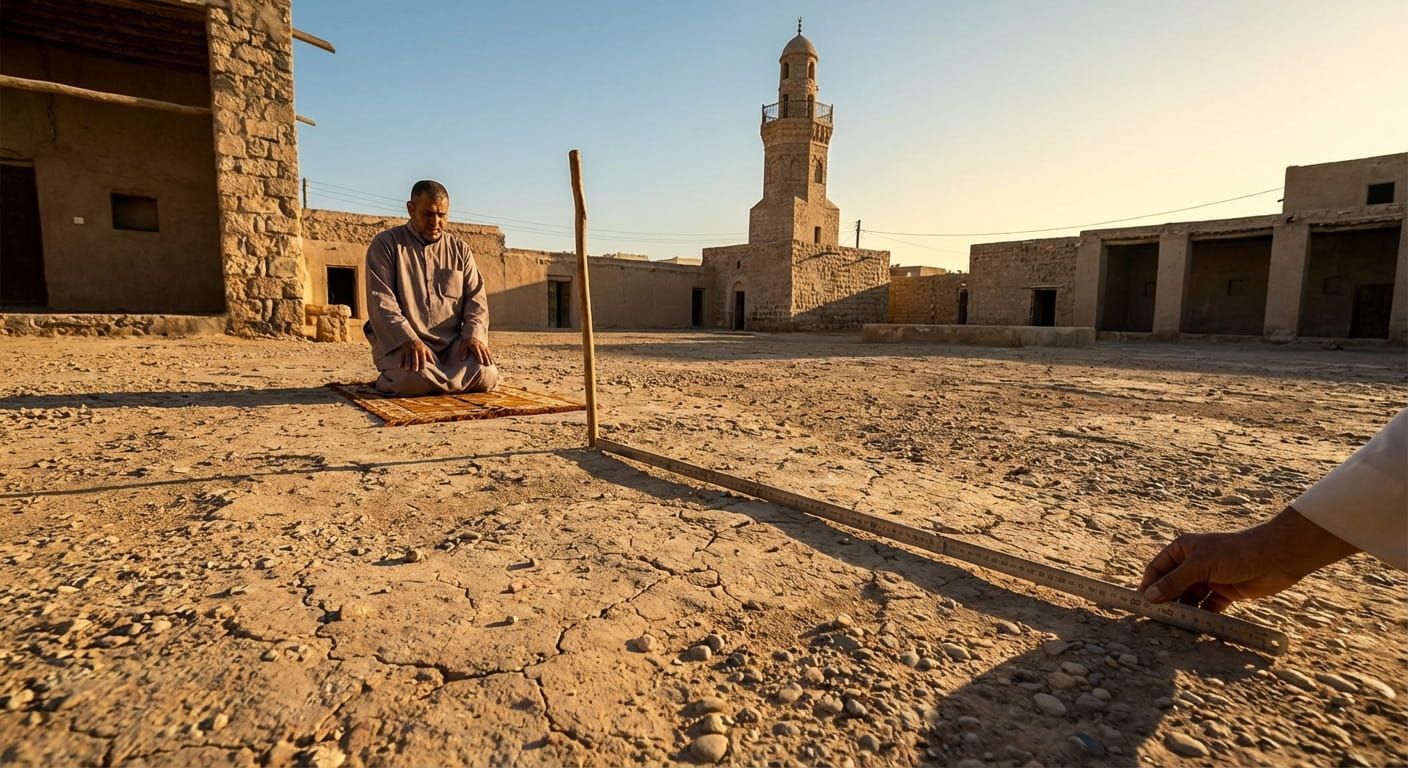
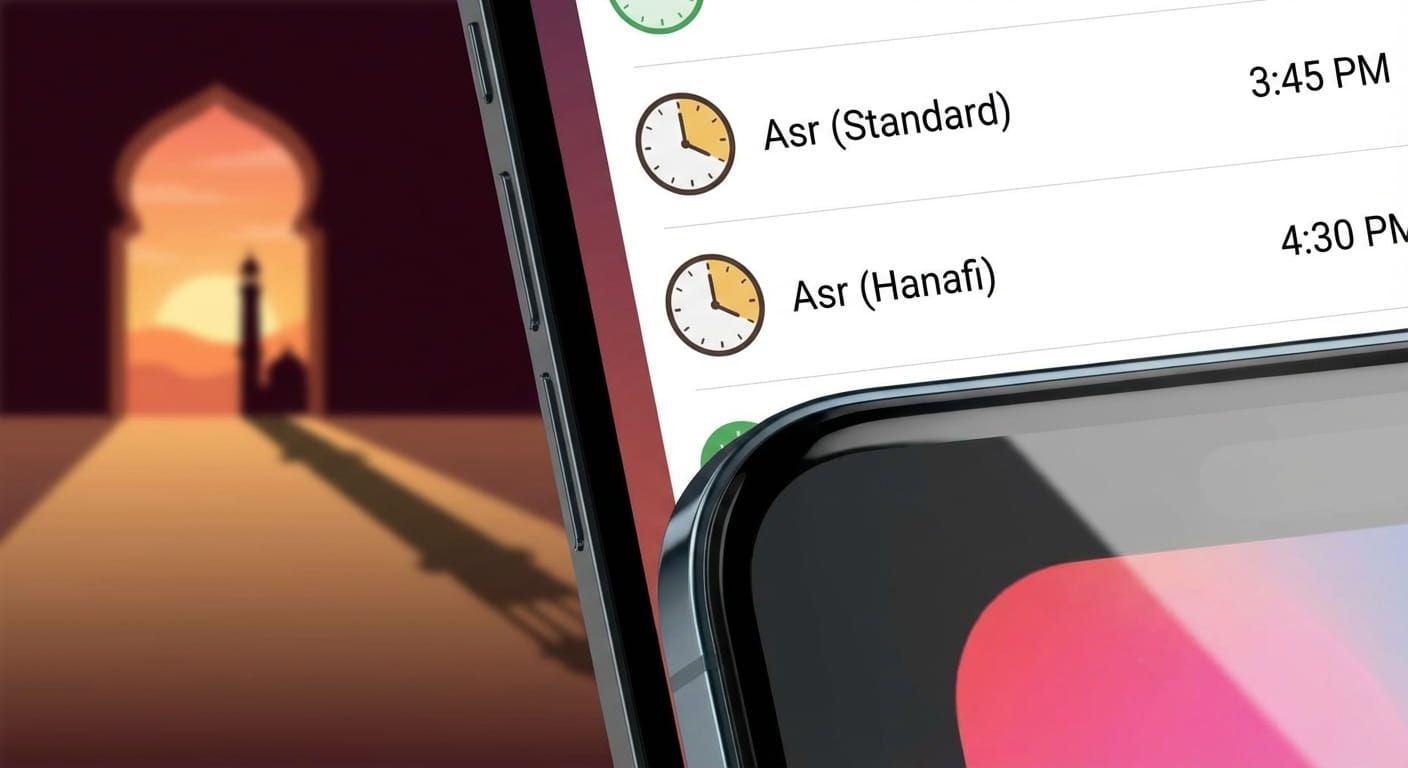
For readers comparing legal details, the difference between methods also matters. The start of Asr is tied to shadow length, and schools differ on that point. Time.now explains this clearly in its guide to Asr and shadow length. Readers following the Hanafi view can also check the discussion of the Hanafi standard for Asr. Even with those differences, the lived reality remains the same, Asr usually offers a broader stretch than the other daily prayers.
The Golden Time And The Makruh Time
A long window does not mean every minute of that window carries the same value. This is where many people get confused. They hear that Asr lasts until near sunset and assume late prayer is always equal to early prayer. That is not the case.
The early part of Asr is often described as the golden time. This is the healthier habit. It protects focus. It reduces the chance of forgetting. It keeps worship from being squeezed into the most distracted part of the day. It also reflects eagerness rather than reluctance.
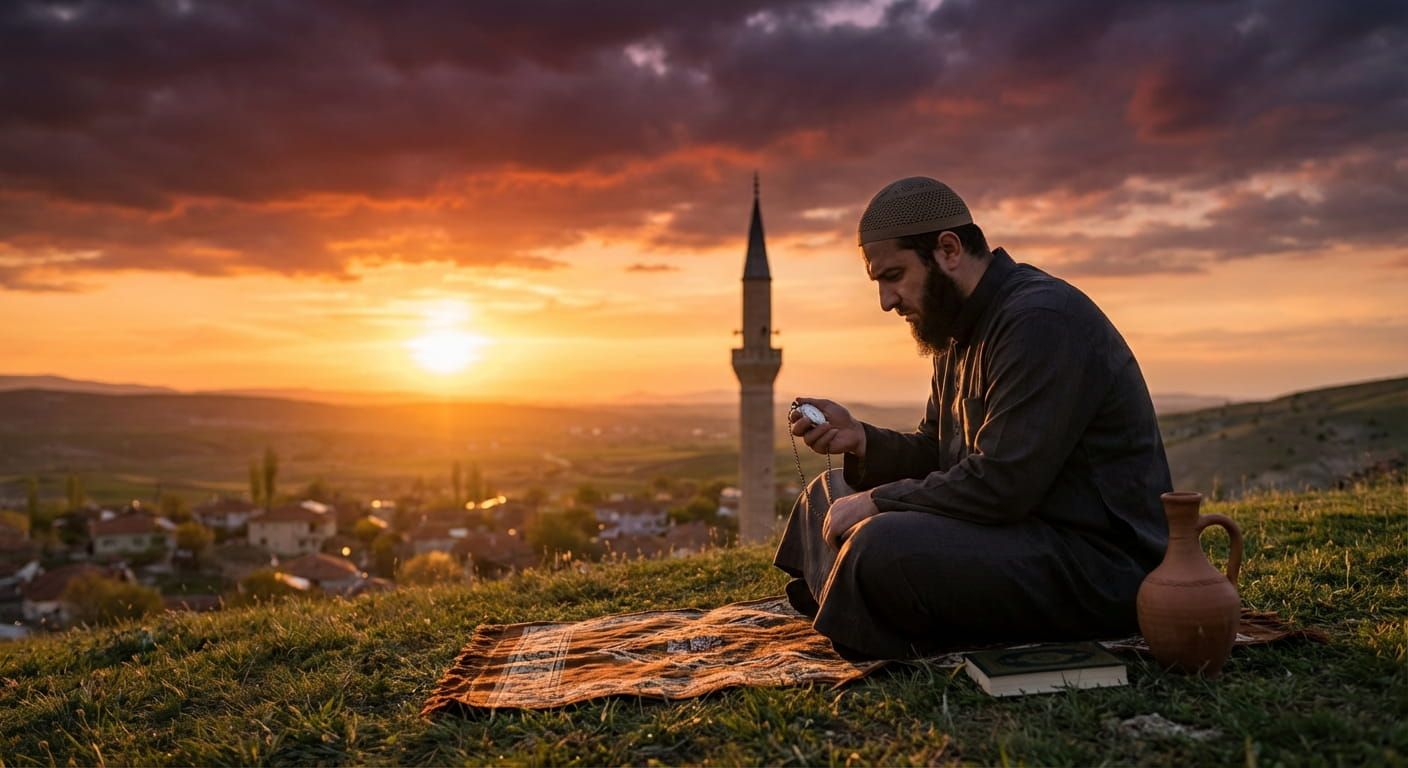
Near sunset comes what many scholars call the makruh time, a disliked period for delaying the prayer without a real excuse. The prayer is still valid if performed before sunset, but pushing it into that late zone without reason goes against the spirit of careful worship.
- The golden time is the earlier portion after Asr begins.
- The makruh time is the late portion close to sunset.
- Valid does not always mean equally good.
- Consistency becomes easier when you aim for the earlier part.
This distinction is one of the wisest features of Asr timing. It combines mercy with discipline. You are given room, but you are also taught not to waste that room.
How Flexibility Helps Real People In Real Schedules
The broad timing of Asr fits the pressure points of ordinary life. Mid afternoon is a crowded stretch. Meetings run long. School pickup starts. Commutes begin. Market errands happen. Energy drops. A shorter prayer window at that hour would be hard for many communities. Asr makes space for reality while still training the heart to respond.
- It supports workers. Office hours do not always pause cleanly. A longer window gives enough space to step away and pray well.
- It helps travelers. Road delays, airport movement, and public transport shifts are common in late afternoon.
- It suits families. Parents can manage school runs, meals, and home tasks without losing the prayer altogether.
- It builds better habits. A wide window reduces panic while still encouraging timely worship.
- It adapts across seasons. Daylight changes in places like Berlin, Toronto, and New York City can make daily timing feel very different across the year.
That flexibility becomes easy to see once you compare cities. Asr in Jakarta, Asr in Riyadh, Asr in Istanbul, Asr in New York City, Asr in Tokyo, and Asr in Nairobi all reflect different daylight patterns, yet the same principle remains, Asr gives a meaningful span before sunset.
How The Window Changes Through The Year
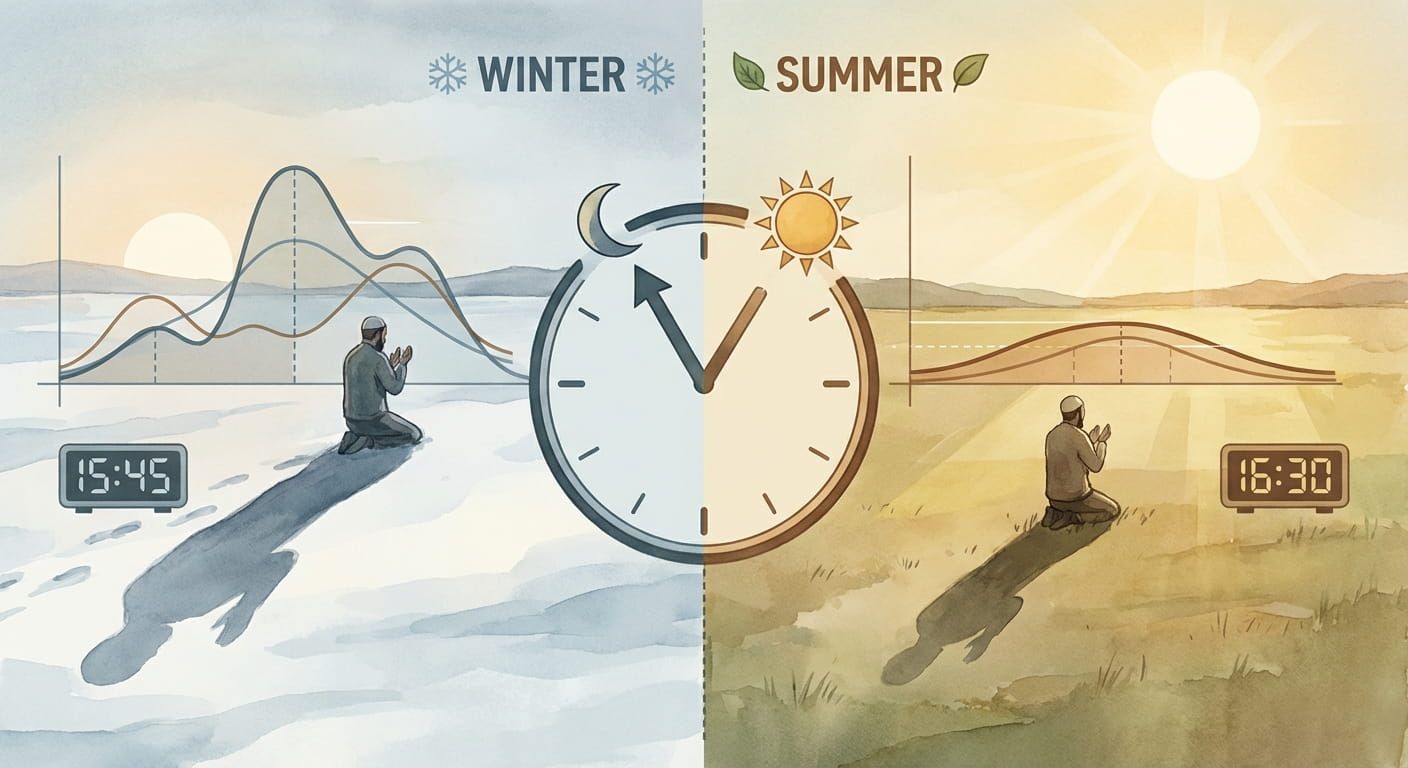
Many people think of prayer times as fixed blocks, but Asr shifts with the sun. In summer, the afternoon can feel stretched. In winter, it can feel tighter. Higher latitude cities show more dramatic change. Places closer to the equator often show steadier patterns. This is why someone who once learned a rough rule from one country may be surprised when they move somewhere else.
That is also why prayer timing should be checked by location instead of memory alone. A person in Mecca may build one routine. A person in Paris or Moscow may need another. The window is long, but its exact edges still matter.
A Better Way To Use That Long Window
The best way to benefit from Asr is simple. Treat the broad timing as mercy, not delay. Let the longer span reduce stress, not weaken seriousness. A healthy routine might look like this:
Choose a usual target time, keep wudu in mind before the afternoon rush, identify a prayer spot at work or school, and use the later part of the window only when life genuinely presses in.
Asr teaches balance. It does not corner you the way Maghrib often does, yet it still asks for intention. That balance is part of its beauty.
Where The Afternoon Opens Wide
The reason Asr has the longest time window of all five prayers is not random. It meets people in one of the busiest parts of the day and gives them room to answer the call. Mid afternoon to near sunset is a generous span. That generosity supports daily life across cities, seasons, and schedules. Yet the prayer still carries an inner order, pray in the golden time if you can, and do not drift into the makruh time without need. That is the secret of Asr, breadth with purpose, ease with care, and mercy without carelessness.