Understanding Ramadan Rules and Cultural Respect
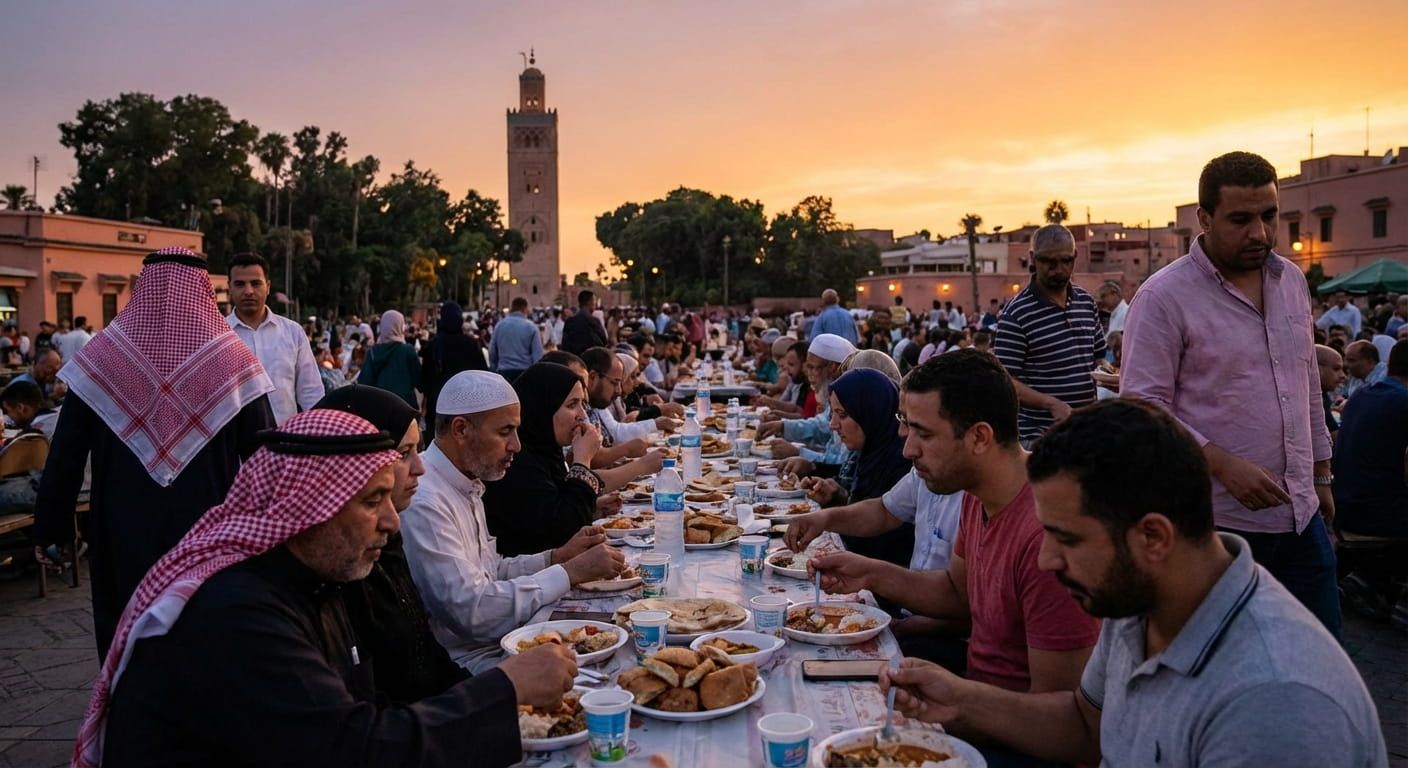
Ramadan is a month that many people hold close, not only as a set of rules, but as a way to live with more intention. For Muslims, it is worship. For friends, classmates, coworkers, neighbors, and visitors, it is a chance to show respect in a way that feels normal and kind. This pillar page is your calm, human explanation of Ramadan rules, plus the social cues that help you avoid awkward moments and build trust.
Ramadan fasting means no food, drink, or intimacy from dawn to sunset for Muslims who are able, paired with prayer, charity, and careful character. Many people also avoid gossip, lying, and angry conflict because the goal is inner discipline, not only hunger. Exemptions exist for illness, travel, pregnancy, nursing, menstruation, and other hardship. Cultural respect is mostly about timing, privacy, and empathy. Offer support once, keep questions gentle, and let each person lead their own practice.
A short Ramadan respect quiz
Answer these to check your understanding. This is meant to make you feel more confident in real life.
The heart of Ramadan in one clear picture
Ramadan is the ninth month of the Islamic lunar calendar. Muslims who are able fast from dawn to sunset each day. The fast is called sawm. A person abstains from food and drink, and also from intimacy, during fasting hours. Many people add extra prayer, charity, and time with family. The goal is not suffering. The goal is self control, gratitude, and closeness to God.
If you are reading this to support someone, the most useful mindset is simple: Ramadan is both a schedule and a mood. The schedule includes prayer times, fasting hours, and meals. The mood includes patience, generosity, and a softer approach to conflict. Both matter. Both show up in daily life.
For a time and calendar focused overview tied to this topic, you can keep ramadan information bookmarked for planning and reminders.
The core fasting rules without the confusion
The daily fast begins at dawn and ends at sunset. Many communities tie these boundaries to the fajr and maghrib prayer times. People usually eat a pre dawn meal called suhoor, then stop eating and drinking at the start time. At sunset they break the fast with iftar.
During fasting hours, the core abstentions are straightforward:
- No food and no drink.
- No smoking for those who normally smoke.
- No intimacy.
After sunset, eating and drinking return. Intimacy returns for married couples. Many people also keep an eye on how they speak and behave throughout the day, because the fast is meant to train character. If you want a practical overview built for this year, essential Ramadan 2026 dates and fasting rules can help you place the rules into a real calendar.
What breaks a fast, and what people worry about
Many questions sound tiny, but feel big when someone is trying to protect their worship. Does toothpaste break the fast. What about accidental swallowing. What about medicine. What about inhalers. You will hear different answers depending on the question, the school of law, and personal medical needs. That range is normal.
When you support someone fasting, you do not need to become a scholar. You only need to avoid pushing them into a decision. If a friend hesitates, let them choose. If you are curious about common myths and everyday uncertainties, what breaks your fast, Ramadan myths explained is a good companion piece.
Exemptions and make up days, compassion built into the practice
Some people assume the rules are rigid for everyone. Islamic practice is built with mercy and realism. People who face genuine hardship are often exempt. Many will make up missed days later. Some may offer compensation by feeding someone in need, depending on the circumstance and local guidance.
Exemptions often include illness, pregnancy, nursing, menstruation, travel, and serious physical hardship. Older adults with frailty may be exempt. People with medical conditions often consult both a doctor and a trusted religious authority. This is not about proving toughness. It is about worship that does not harm the body.
Cultural respect is very simple here. If someone is not fasting, assume there is a reason. If you need to plan an activity, a gentle question is enough: Are you fasting today. If they say no, treat that answer as complete.
Rules to everyday situations
| Situation | What many fasting people prefer | What a supportive friend can do | What to avoid |
|---|---|---|---|
| Team lunch invite | A low pressure invite, with an easy way to decline | Offer once, then pivot to a non food plan or an after sunset option | Repeating offers, teasing, or demanding an explanation |
| Late afternoon meeting | Shorter sessions and clear agendas | Keep the meeting tight, schedule demanding work earlier when possible | Surprise requests at the end, long debates, unnecessary conflict |
| Shared travel day | Flexibility, quiet breaks, and respect for privacy | Offer to plan stops around sunset, ask what they prefer, then follow their lead | Commenting on fatigue, pushing food, acting shocked about exemptions |
| Evening gathering | Space for iftar and prayer, then relaxed social time | Start after sunset, keep food available, accept breaks for prayer | Scheduling the main meal before sunset, or mocking prayer breaks |
Cultural respect that feels normal in daily life
The easiest way to show respect is to remove pressure. Offer, then accept the answer. Give people room to step away. Avoid turning Ramadan into a public performance. Small choices land well, like timing a meeting earlier, or planning a hangout after sunset instead of at noon.
The tone of Ramadan can vary by place, even when the core worship stays the same. In United Arab Emirates, you may notice shorter working hours and a strong evening social culture around iftar. In Egypt, neighborhoods can feel quieter during the day and lively after sunset, with families gathering late and sweets showing up on many tables.
Many people also focus on controlling speech. That means gossip and harsh conflict are not only rude, they cut against the spirit of the month. Even if you are not fasting, lowering the temperature in conversations is a respectful move.
Simple phrases that usually land well
- Ramadan Mubarak, I hope the month goes well for you.
- Would you rather schedule this earlier in the day.
- If you want a quiet space to pray, I can help find one.
- I am ordering food for later, would you like me to include something for after sunset.
- Let me know if you want to step out for a moment, no explanation needed.
A respectful question is short and optional. A respectful response accepts the answer without debate.
What not to do, even with good intentions
Most awkward moments come from over curiosity or from trying too hard to be helpful. These points keep you on steady ground, whether you are working with someone in Qatar or visiting family friends in Jordan.
- Do not police someone’s fast. Their worship is not a public project.
- Do not demand explanations about exemptions. Health and privacy come first.
- Do not insist that someone joins you for lunch or coffee. Offer once, then move on.
- Do not treat fasting as a diet trend. It is a spiritual discipline.
- Do not assume everyone follows the same schedule. Local prayer times differ.
- Do not make jokes about hunger, thirst, or irritability. It can land as disrespect.
- Do not corner someone with endless questions. Ask one, then listen.
- Do not exclude people from plans. Invite them and let them decide what fits.
Meals, timing, and the social rhythm of the month
Two daily meals tend to shape the month: suhoor before dawn, and iftar at sunset. Suhoor is often practical, meant to carry energy and hydration. Iftar often begins with a small bite, commonly dates and water, then grows into a fuller meal. In many households, the minutes before sunset are quiet and focused, and the minutes after are warm and communal.
The evening rhythm often includes prayer, family time, and visiting. That rhythm can be more visible in places where Muslim communities are a majority, such as Saudi Arabia, where many social plans naturally cluster after sunset. Yet the same pattern shows up worldwide, even when someone is a minority in their city and fasting quietly.
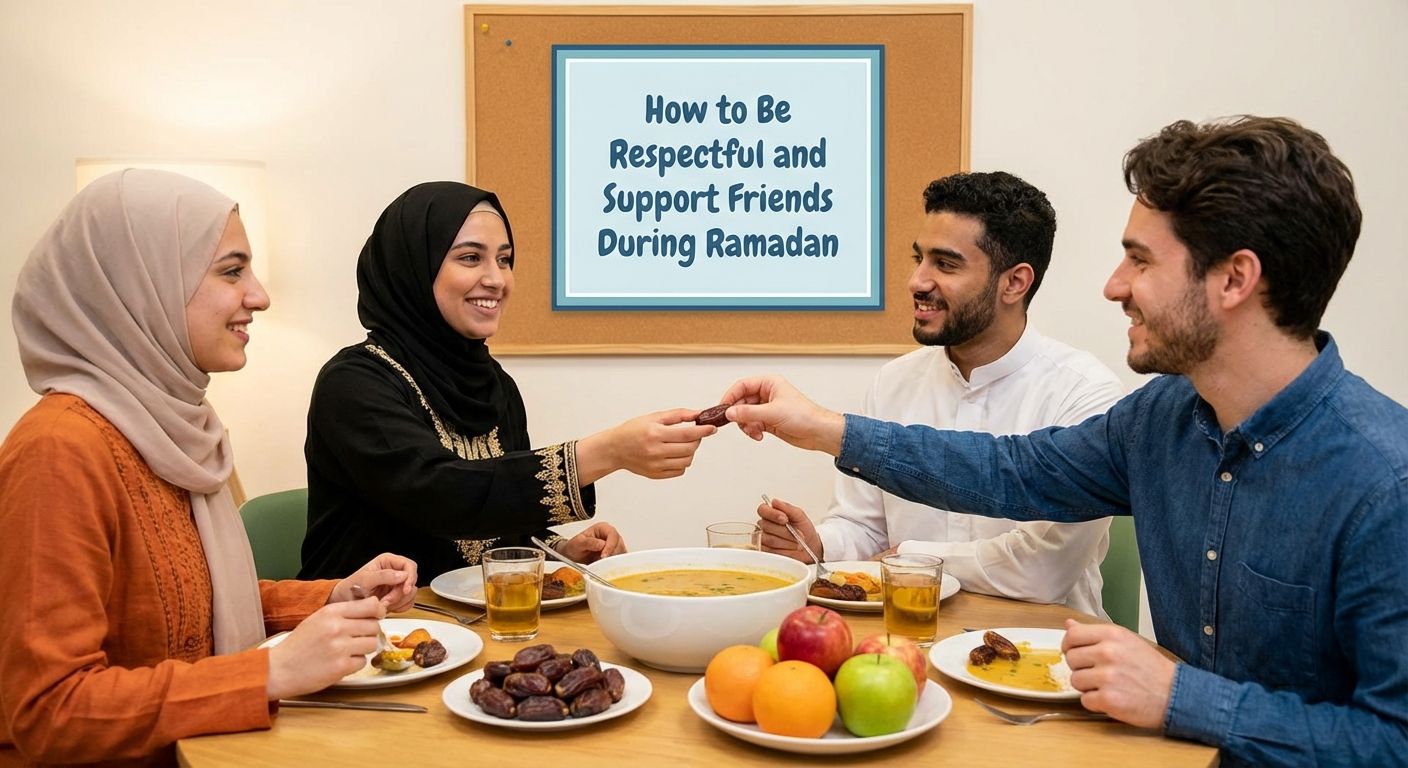
If you are inviting a fasting friend, timing is the biggest kindness. A late lunch invite can feel like a trap even if you mean well. An after sunset coffee can feel thoughtful. If you want more ideas that fit real friendships, how to be respectful and support friends during Ramadan offers many practical examples.
Make planning easier
These small habits help in schools, offices, and social groups: keep meetings shorter late in the day offer quiet breaks for prayer avoid surprise food centered events plan gatherings after sunset when possible accept privacy about exemptions keep teasing out of the room
Intimacy, marriage, and privacy, handling sensitive topics with respect
A common area of curiosity is intimacy. The general rule is simple: intimacy is avoided during fasting hours and is allowed after sunset for married couples. People may also aim for extra modesty and self control throughout the month. The details of what couples choose vary by personal belief and comfort.
For cultural respect, the main point is privacy. Avoid jokes, avoid teasing, and avoid personal questions. If you are close enough to ask, keep the tone adult, calm, and optional. If you are not close enough, it is better left alone. If you want a careful, grown up explanation of common questions, answers to common questions about intimacy during Ramadan can help you understand the topic without turning it into gossip.
Ramadan around the world, shared worship with local flavor
Ramadan is observed by Muslim communities worldwide. The fasting rules stay steady, but the cultural feel shifts by region and by community. The same person may experience Ramadan differently across years depending on work, school, health, travel, and family responsibilities.
In Pakistan, you may hear about bustling night markets and a lively atmosphere after sunset. In Indonesia, community iftars and neighborhood connections can be a big part of the month. In Oman, hospitality and family meals often take center stage. In Bahrain, the evening social rhythm can feel strong, with gatherings that stretch late.
In Iran and Iraq, the month often includes visible community charity and a focus on prayer and remembrance. In Syria, Ramadan is still a time of spiritual focus and family tradition, even when daily life is complicated. Across the Gulf, including Qatar and United Arab Emirates, many people experience a clear shift toward evening social life and adjusted hours.
The most respectful assumption is that local norms matter. In some places, eating in public during fasting hours may be discouraged or regulated. In other places, it is common, with an expectation of basic tact. When you travel, follow the local tone.
Hosting iftar, attending iftar, and showing up with good manners
Iftar can be intimate or large. It can happen at home, in a restaurant, or at a mosque community hall. If you are invited, it is usually a sincere welcome. You do not need to know every tradition. You only need to arrive with respect and a flexible attitude.
In some communities, people break the fast quickly with a small bite, then pray, then return to eat. In other communities, they eat first, then pray. Both can be normal. Follow the flow of the room.
- Confirm the time and arrive on time, sunset timing can be precise.
- Dress modestly if you are unsure, especially in religious spaces.
- Start with small portions, tables often have many dishes to share.
- Ask about allergies or dietary needs when you bring food.
- Keep questions light while people eat, the first minutes can be tired and focused.
- Offer to help clean up, then accept the answer either way.
If you are hosting, consider offering water and dates for those breaking the fast, plus a balanced meal. Label ingredients if you can. A small act like that helps people feel safe and cared for.
Managers, teachers, and organizers, respect through structure
If you manage a team, teach a class, or run events, your choices shape someone’s experience more than any greeting. Respect through structure means planning in a way that does not force people to explain themselves.
- Offer flexible breaks that can cover prayer or rest.
- Keep food centered activities optional, not mandatory.
- Schedule demanding tasks earlier when possible.
- Provide a quiet space that can be used for a few minutes without attention.
- Make it normal to step out briefly, without questions.
These choices help everyone, not only Muslims. They support focus, privacy, and a calmer environment.
When mistakes happen, recovering with grace
Mistakes happen. You might offer a snack without thinking. You might schedule a lunch meeting. You might ask a question that lands too personal. Recovery does not need a speech. A brief apology and a change is enough.
Try one sentence: Sorry, I forgot, we can move this to later. Or: Sorry, I did not mean that, thanks for telling me. Then adjust. Long apologies can put emotional work on the person you inconvenienced. A small repair is usually the respectful choice.
A final note that ties rules to human respect
Ramadan rules matter because they protect worship. Cultural respect matters because it protects people. When you combine both, you get something steady: a month where faith can be observed without friction, and where friends and coworkers can show care without turning it into a spectacle. Keep questions gentle, keep support practical, and let each person define their own path through the month.
More Ramadan Related Articles:
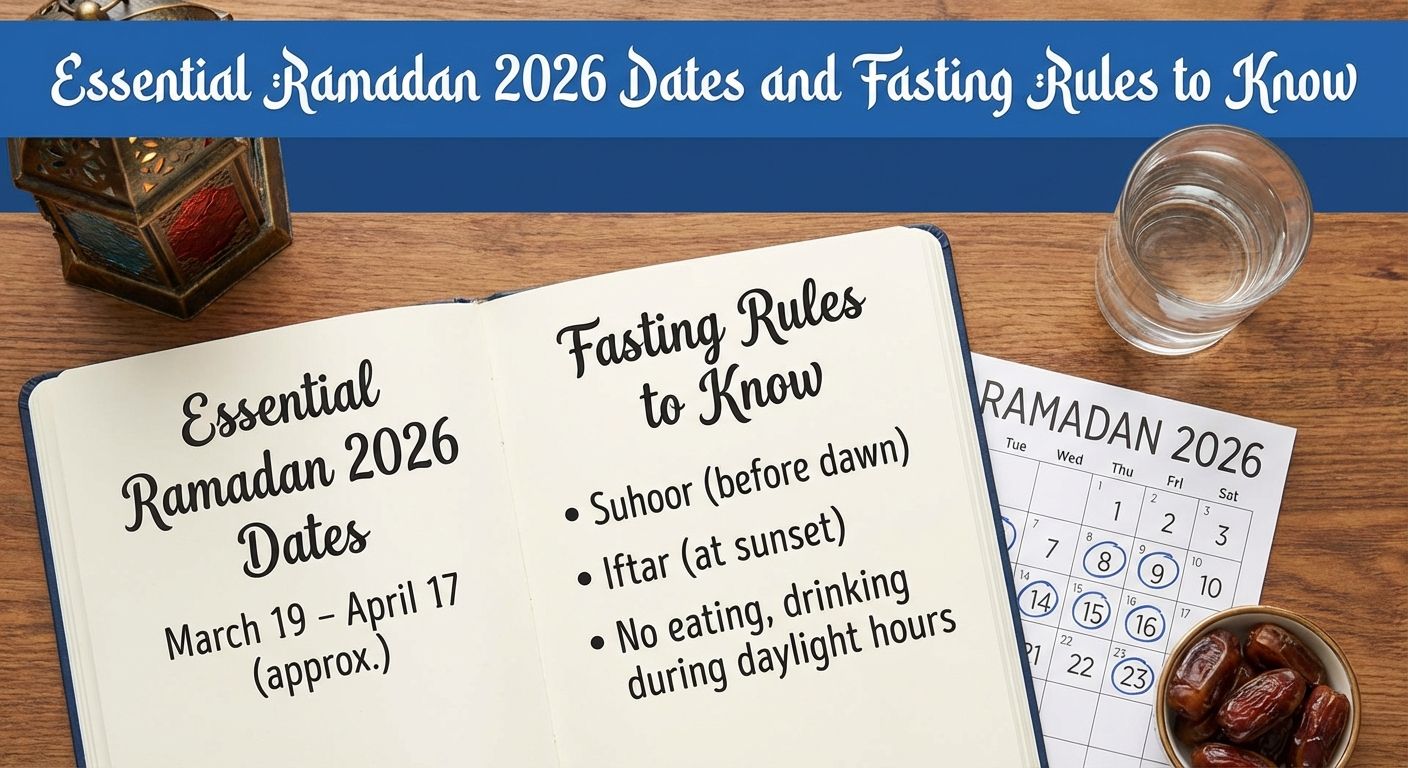
Essential Ramadan 2026 Dates and Fasting Rules to Know
Ramadan has a way of slowing time while making every moment feel fuller. Meals taste richer, nights feel quieter, and routines shift in gentle way...
Answers to Common Questions About Intimacy During Ramadan
Ramadan reshapes daily life in gentle yet powerful ways. Sleep shifts. Meals gain meaning. Emotions run closer to the surface. Many couples quietly...
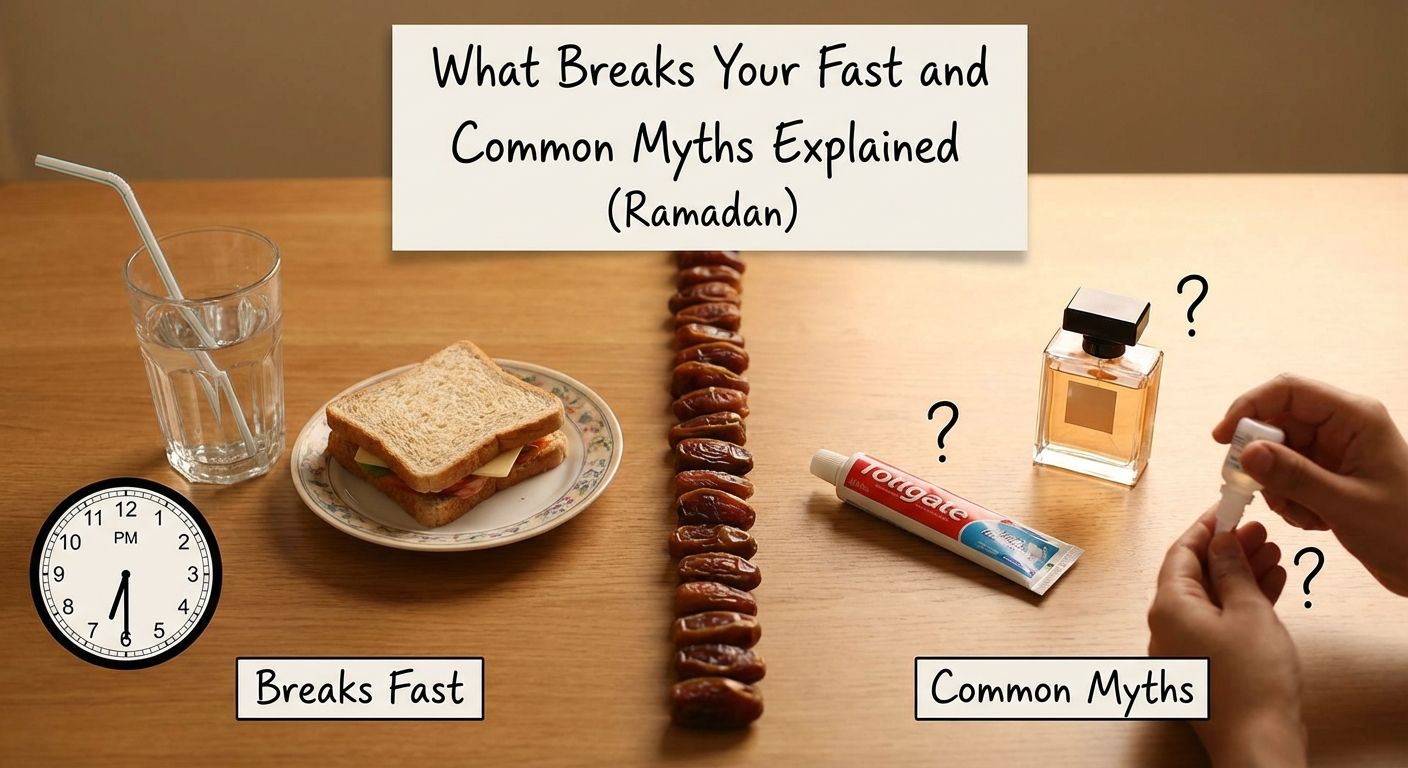
What Breaks Your Fast (During Ramadan) and Common Myths Explained
Ramadan brings quiet mornings, long afternoons, shared sunsets, and a lot of questions. Many people fast with deep intention yet still feel unsure...
How to Be Respectful and Support Friends During Ramadan
Ramadan changes daily rhythms in gentle and meaningful ways. Meals shift to the edges of the day. Nights grow longer. Mornings feel quieter. For ma...