Understanding When and Why Muslims Pray Five Times Daily
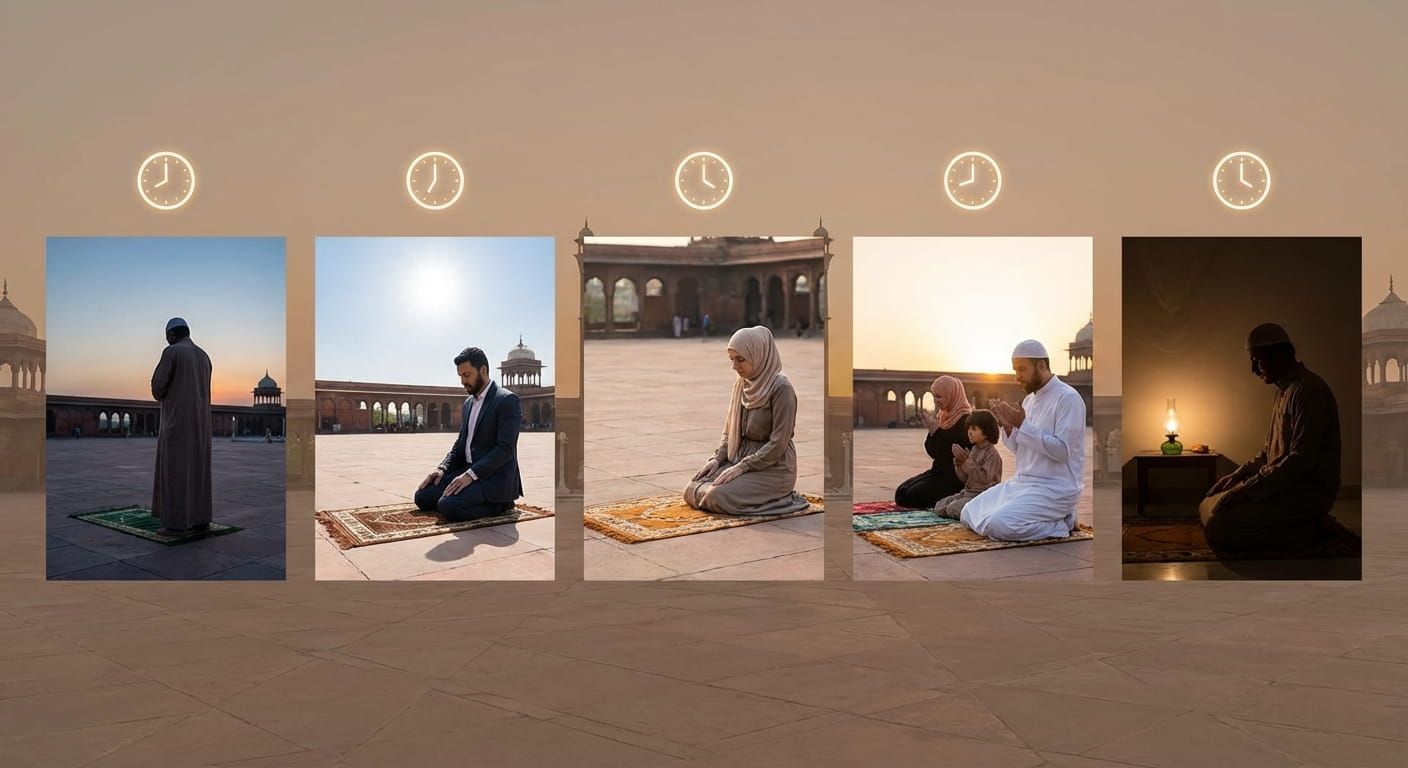
The five daily prayers are the heartbeat of Muslim life. They shape the day in a gentle, steady way. Each prayer arrives inside a time window set by the sun. That is why prayer times change from city to city, and why they shift through the year. Once you understand the timing and the meaning together, the practice stops feeling mysterious. It starts feeling like a rhythm you can actually live with.
Muslims pray five times daily because Islamic teaching establishes set prayers across the day as worship, discipline, and a steady connection to God. The prayer windows follow the sun, so they change by location and season. Each prayer offers a reset for attention, gratitude, and self control, while shared timing strengthens community. A location based schedule helps Muslims pray within the correct window whether at home, at school, at work, or while traveling.
Test Your Knowledge With A Short Prayer Times Quiz
Pick one answer for each question. Your score appears instantly, and you can reset and retry.
What Muslims Mean By Salah In Everyday Terms
Muslims call the five daily prayers Salah. Salah is worship done in a set form, within set time windows. It includes standing, reciting, bowing, and prostration. The structure is part of the point. Human attention wanders. The prayer brings attention back. It also trains the heart. Bowing and prostration are humility expressed physically, not just an idea.
People who are new to Islam sometimes imagine prayer as a mood. As if you pray only when you feel inspired. Yet daily prayer is closer to a practice. You show up. You return. You ask for guidance. You thank God. You admit weakness. Then you go back to your day with a little more clarity. Some prayers feel light. Some feel heavy. Both can be real.
Prayer is not a prize for people who already feel pure, it is a practice that helps ordinary people return to what is good.
When Muslims Pray And Why The Sun Sets The Schedule
The daily prayer windows follow the sun. This is the key that unlocks most questions. Sunrise and sunset do not happen at the same clock time in every place. Day length changes with seasons. Twilight behaves differently depending on geography. Since prayers are tied to dawn, midday, afternoon, sunset, and night, prayer times shift from city to city and month to month.
This also explains why location based tools matter. Many people live indoors. Buildings block horizons. Weather hides the sky. A schedule built from your location coordinates and a recognized method removes guesswork and helps you pray within the proper window without stress.
The Five Daily Prayers And Their Windows
Each prayer has a window. The goal is to pray within that window. Many people aim early in the window because life gets busy and plans can collapse. Yet the practice is not built on one perfect minute. It is built on showing up within the valid time, day after day.
Why Five Times Daily, The Deeper Reason Without Fluff
Muslims pray five times daily because Islamic teaching establishes it as required worship. That is the foundation. Worship is not only private inspiration. It includes obedience and consistency, meaning you do it whether your mood is sunny or not. Over time, many Muslims also see a human wisdom in the timing. Five prayers are enough to shape the day, yet not so many that normal responsibilities become impossible.
The day has natural turning points. A beginning. A midpoint. A late day drift. A sunset close. A night stillness. Prayer placed at those points keeps a believer aware of time itself. It is hard to stay asleep in your own ego when you bow and prostrate again and again. It is hard to stay trapped in rage when you step aside and ask for mercy. It is hard to pretend you do not need guidance when you ask for guidance five times daily.
There is also community. Shared prayer windows allow mosques to gather people. Families can build routines. Friends can remind each other. Even when someone prays alone, they know millions are praying under their own skies across the world.
How Prayer Times Shift Across Countries And Why That Matters
Comparing prayer times across countries makes the sun based system feel real. In places closer to the equator, day length stays more stable through the year. In places farther away, seasons can stretch daylight and compress it dramatically. Muslims pray the same five prayers, yet the daily feel can change.
If you want to see how prayer windows look across a broad landscape, browsing prayer times by location is a practical way to understand the global pattern without needing a textbook.
In Central Asia, seasonal shifts can become obvious. Looking at prayer times in Kazakhstan helps show how sunrise and sunset can move across the calendar. In Southeast Asia, day length often feels steadier in many areas, and prayer times in Indonesia can help you see a different style of seasonal change.
In the Gulf, daily life often makes space for prayer in a visible way, and prayer times in Qatar can give a feel for how the windows sit in a hot climate where midday can be intense. In North Africa, the seasonal rhythm has its own character, and prayer times in Algeria helps readers picture that flow.
In South Asia, dense city life and shifting seasons can make timing feel very practical, and checking prayer times in Bangladesh can help you imagine how people plan breaks around windows. For a country with a wide range of geography and long history of prayer culture, prayer times in Iran provides another useful reference point.
How Muslims Use A Daily Schedule Without Getting Confused
A schedule is a map of your day. The best approach is simple: set your location, choose a method aligned with local practice, then stop second guessing. People sometimes harm their own consistency by switching schedules constantly. That creates anxiety. Consistency is calmer.
Sunrise often appears on schedules. Sunrise is not one of the five prayers, yet it matters because fajr ends at sunrise. Seeing sunrise helps prevent accidental lateness. Another common confusion is the idea that each prayer must be done at one perfect minute. Prayer is done within a window. The window matters. Planning within the window is the practical skill.
Why Small Differences Show Up Between Published Times
Small differences often appear for fajr and isha. Dawn and twilight are gradual. Communities use recognized conventions to define these points. That can shift the start of fajr and the start of isha by a few minutes between methods. Asr can also vary because different schools of thought calculate its start slightly differently based on shadow length.
Local mosques may also publish congregational times that include a buffer so people can gather. That can look different from a purely astronomical listing. Many Muslims follow their local mosque schedule for unity, especially for community prayer, while keeping the core concept clear: pray within the valid window.
What Each Prayer Brings To The Day
The same form repeats, yet the day changes, so the experience changes. Many Muslims describe the prayers as emotional checkpoints. Not because prayer removes every problem, but because it changes how you carry problems.
Fajr teaches effort. Waking up is not always easy. That effort becomes meaningful worship. The quiet also helps many people think clearly before the day accelerates.
Dhuhr often lands in the busiest stretch. It interrupts autopilot. It reminds a person that success is not only output, it is also honesty, patience, and gratitude.
Asr arrives when energy can dip and tempers can rise. That is part of its wisdom. It calls you back before you become careless with words and choices.
Maghrib begins right after sunset. It arrives fast. That speed teaches awareness. Days close. Chances close. Gratitude belongs at the turning point.
Isha closes the day with reflection. Many people use it to seek forgiveness, release grudges, and sleep with a lighter heart.
What Happens Inside The Prayer Without Overload
A prayer includes intention, recitation, bowing, and prostration. Prostration is a central symbol. The forehead touches the ground. Pride softens. Worry loosens its grip. The prayer includes Qur’an recitation and remembrance of God. A person may also make personal supplication in the places that allow it.
Each prayer includes units called rakah. A rakah is one cycle of recitation and movements. The number of required rakah differs by prayer. Many Muslims add voluntary prayers that the Prophet practiced. These extra prayers are loved, yet beginners should not feel trapped by them. The required core is the base. Growth can come with time.
Wudu And Cleanliness, The Small Preparation That Helps
Most Muslims perform wudu before prayer. Wudu is a small washing of parts of the body. It supports cleanliness and prepares the mind. Water slows you down. It signals a shift. It tells the heart, you are about to stand before God.
In daily life, wudu is also practical. People plan where to wash at work or school. Many keep a small towel. Some keep a simple prayer kit. Reducing friction is not laziness. It is wisdom. Habits survive when the steps are realistic.
A Routine That Makes Five Prayers Realistic
Many people want consistency and feel frustrated when they miss prayers. A good routine is not built on guilt. It is built on planning, small steps, and calm restarts.
- Choose one schedule and stick to it. Consistency beats constant comparison.
- Anchor each prayer to a habit. Waking, lunch, a break, arriving home, winding down.
- Protect a buffer. Give yourself time so delays do not crush the window.
- Keep a small kit. A compact mat and towel remove excuses outside home.
- Build one prayer first if you are restarting. Stability grows from one solid pillar.
- Pray earlier in the window when you can. It reduces stress.
- Restart calmly after a slip. Calm is stronger than harsh self talk.
A Listicle Of Habits That Keep The Rhythm Steady
- One alert per prayer. Too many reminders can create fatigue.
- Keep your prayer space ready. A tidy corner invites consistency.
- Learn short recitations first. Steady practice matters more than length.
- Plan sleep for fajr. Bedtime supports morning worship.
- Pray with others sometimes. Community can lift your consistency.
- Be honest about weak spots. If asr is hard, plan for it.
- Do not wait for a perfect feeling. Show up and the feeling often follows.
Prayer In Work And School Life
Many Muslims pray at work or school. This is normal in many places and still possible in places where it is less common. The practical keys are timing, preparation, and respectful communication. Dhuhr often fits around lunch. Asr can fit around an afternoon break. Maghrib and isha often happen at home for many people depending on the season. Fajr is usually before leaving home.
A schedule helps because you can pick a calm moment within the window. Without a schedule, people delay and then panic. With a schedule, you plan a short appointment with God that does not need to become a production.
Prayer While Traveling, Real Examples Across Regions
Travel makes the timing question feel immediate. You step off a plane and your day changes. Sunrise might be earlier than you expect. Sunset might be much later. Muslims adapt by checking local times and praying according to the new location.
In places with many mosques, travelers often find structured community schedules. For example, many travelers like to check prayer times in Saudi Arabia before arriving, since prayer rhythms are highly visible and many people plan their day around them. In the Levant, a traveler planning family visits might look at prayer times in Jordan to coordinate meals, mosque visits, and daily errands.
For a traveler headed to Southeast Asia, prayer times in Malaysia can help set expectations for the daily windows while planning transit and meetings. In East Africa, a reader curious about coastal timing and seasonal shifts might find prayer times in Djibouti useful as a reference point.
In regions affected by conflict or disrupted infrastructure, schedules can still support personal stability. A person might check prayer times in Palestine as part of staying grounded in daily worship even when life feels unstable.
Plan Without Stress
This table is a planning aid. It helps you visualize where each prayer tends to fit. It does not replace exact local times, it helps you plan life around the windows.
Guidance For A Simple Start
Many readers want a simple start that does not feel overwhelming. Here are steady steps you can take:
• Set your location and follow one trusted schedule.
• Protect one prayer first if your routine is shaky.
• Plan a prayer spot at work or school before the day gets busy.
• Keep a compact mat and towel in your bag.
• Aim earlier in the window when you can.
How Families Teach Prayer Without Turning It Into Pressure
Children learn prayer through repetition and observation. Many families begin by letting children stand beside them and copy movements. Over time children learn the words and meaning. Patience matters. Children do not need to become experts instantly. They need consistency and warmth.
Communities also support families through mosque classes and informal teaching. In many places, the rhythm becomes part of daily life across generations. A reader curious about a long standing prayer culture can look at prayer times in Egypt to picture how the daily windows sit inside a society where prayer and community have been intertwined for centuries.
Questions People Ask When They Are Learning
Do Muslims have to pray at the exact minute?
The prayers have windows. The aim is to pray within the window. Many people pray earlier in the window because it is easier to protect. Obsessing over one minute can create anxiety that harms consistency.
What if someone misses a prayer?
Many Muslims make up missed prayers and try to rebuild consistency. Missing a prayer is not a reason to give up. A calm restart is usually stronger than harsh self talk.
Why do fajr and isha have more variation in times?
Dawn and twilight are gradual transitions. Different conventions exist for defining those points for calculation. That can shift start times slightly. Many people follow what their local mosque or regional authorities use to keep unity and clarity.
Where This Pillar Guide Lives
This pillar guide is hosted at islamic prayer info so readers can return when questions pop up. Many people like one educational page and one daily schedule page. The educational page answers the why and the how. The schedule answers the when for your location. Used together, the practice becomes easier to understand and easier to maintain.
The Rhythm That Keeps Calling You Back
Muslims pray five times daily because worship is meant to live inside time, not outside it. The prayers arrive with the sun. They shift with seasons. They meet people in real life, in classrooms, in workplaces, in airports, in kitchens, and in quiet bedrooms before dawn. Over time, many believers find that prayer does not shrink life, it gives it shape. It creates landmarks in the day. It turns ordinary hours into chances to return, to correct course, to soften the heart, and to remember what matters most.
More Islamic Prayer Related Articles:
Importance of Tasbih in Daily Worship
Hearts get crowded fast. A prayer may end, yet the mind keeps racing through errands, messages, deadlines, and worries. Tasbih gives the soul a gen...
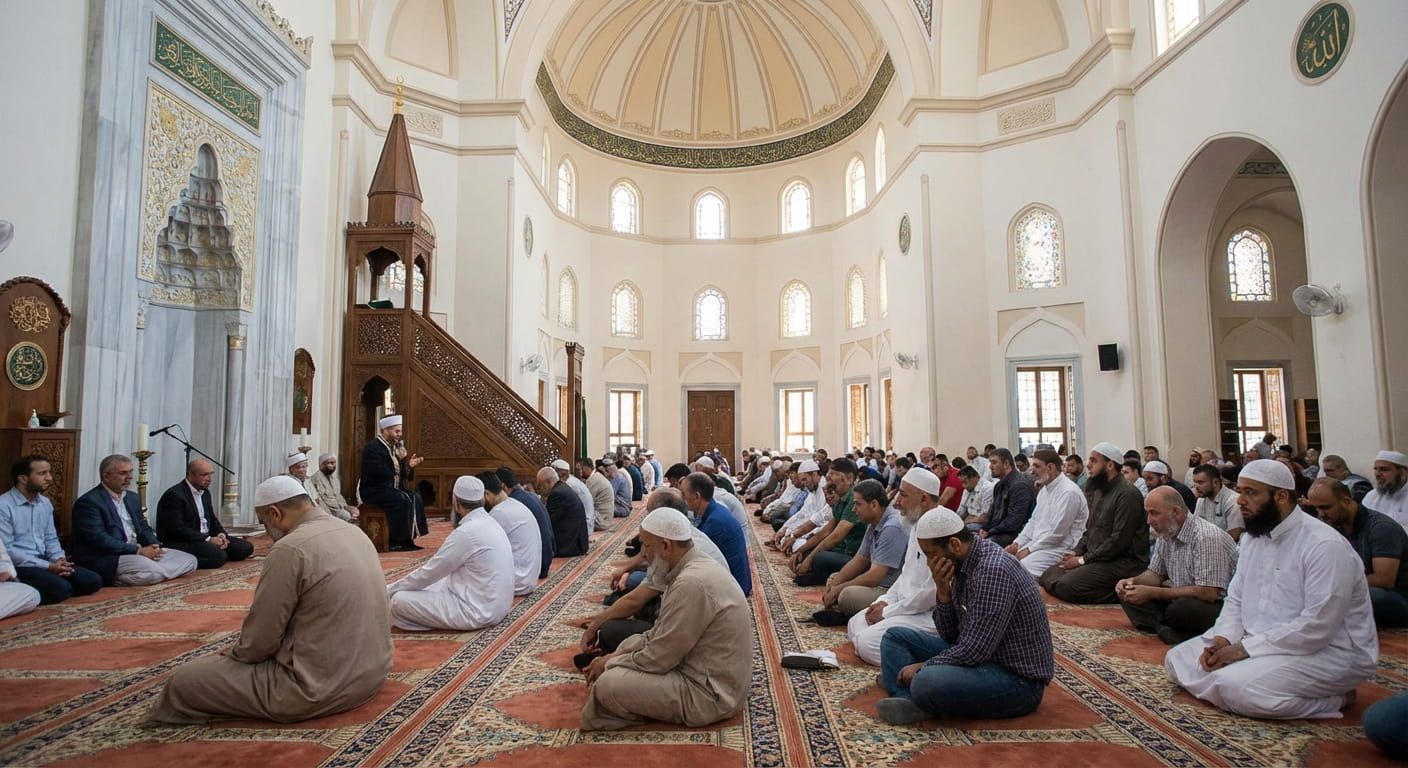
Significance and Rulings of Jummah Prayer
Friday has a special heartbeat in Muslim life. The weekly gathering is not just a routine prayer, it is a public reminder that faith is meant ...
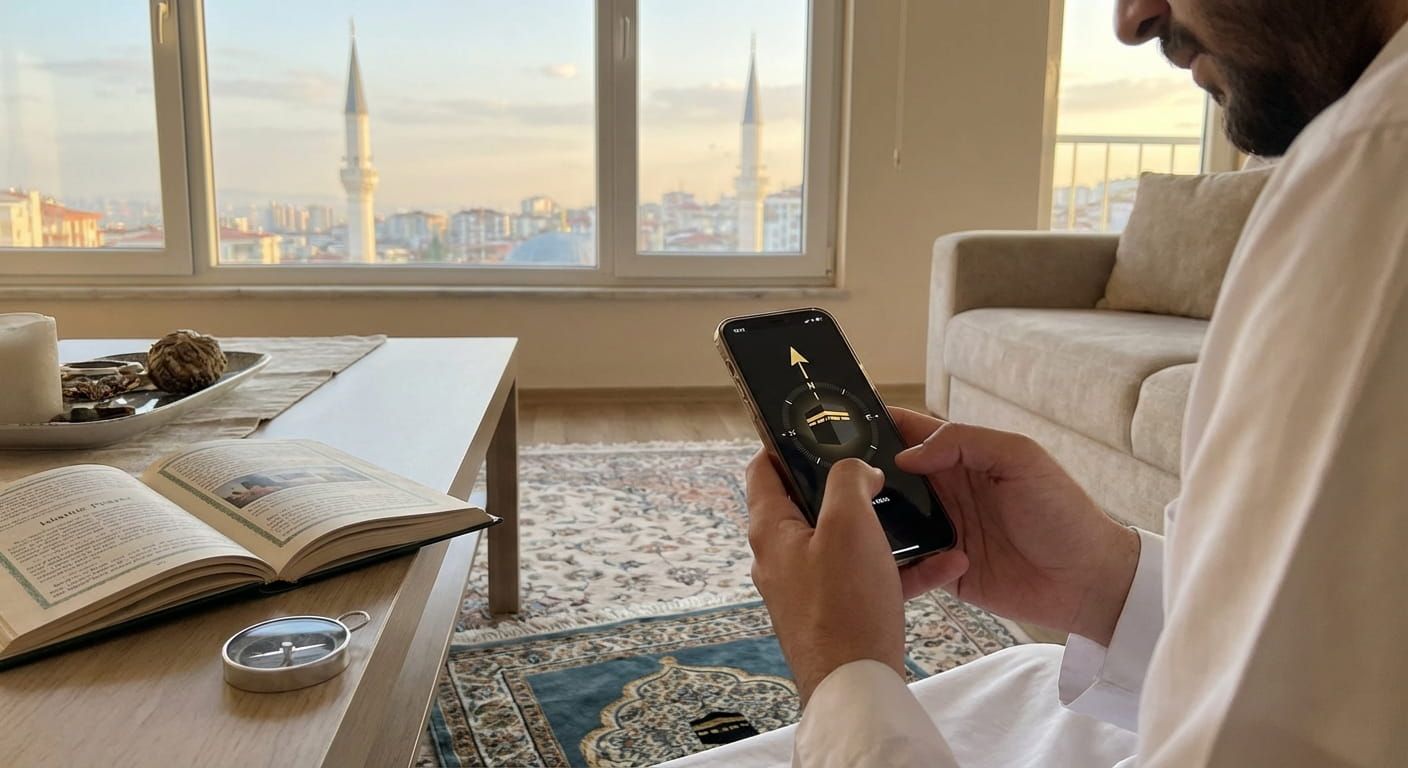
Finding Qibla Direction for Prayer
Standing to pray feels calmer when your heart is settled and your direction is clear. If you have ever prayed in a new room, a hotel, an airport co...
Understanding the Islamic Hijri Calendar System
The Hijri calendar is a living calendar. It moves with the moon, it follows the rhythm of nights, and it shapes how Muslims plan worship, family li...
Significance of Islamic Months and Sacred Dates
The Islamic calendar moves with the moon, and that single detail changes how Muslims feel time itself. A new crescent can turn an ordinary eve...
How to Perform Tahajjud Night Prayer
There is a special kind of quiet that only happens before dawn. The world is asleep, worries feel lighter, and your heart gets a chance to spe...
How to Perform Missed Qaza Prayers
Missing a prayer can feel heavy. The good news is that Islam gives a clear, compassionate path forward. Qaza, making up missed Salah, lets you repa...
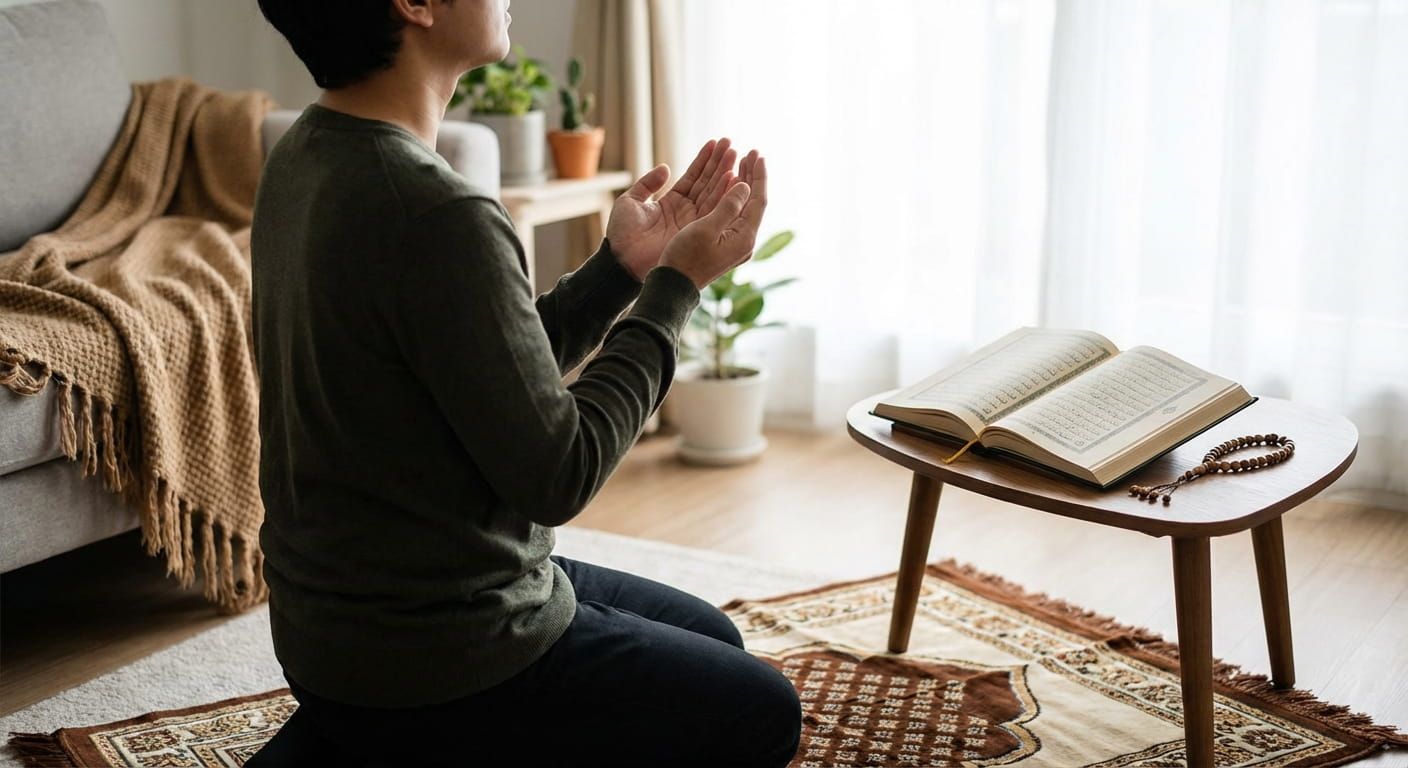
Guide to Sunnah and Nafl Prayers
Salah has a steady rhythm, five daily anchors that shape the day. Sunnah and nafl prayers add warmth around that rhythm. They help you guard focus,...
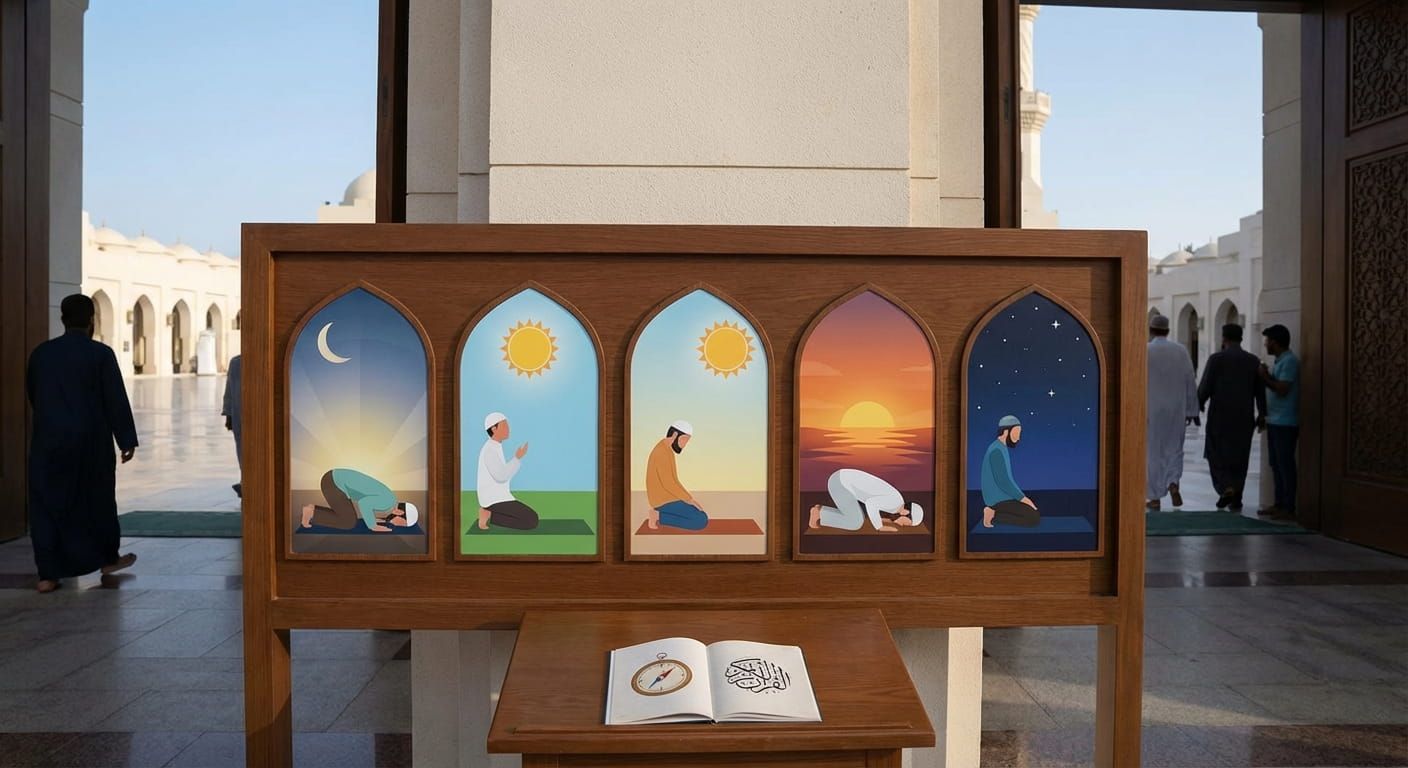
Guide to the Five Daily Islamic Prayers
The five daily prayers are the heartbeat of a Muslim day. They anchor time, train focus, and turn ordinary moments into worship. If you are new to ...

How Islamic Prayer Times Are Calculated
The moment a city grows quiet before dawn, there is a special kind of focus in the air. For many Muslims, that focus begins with knowing exactly wh...
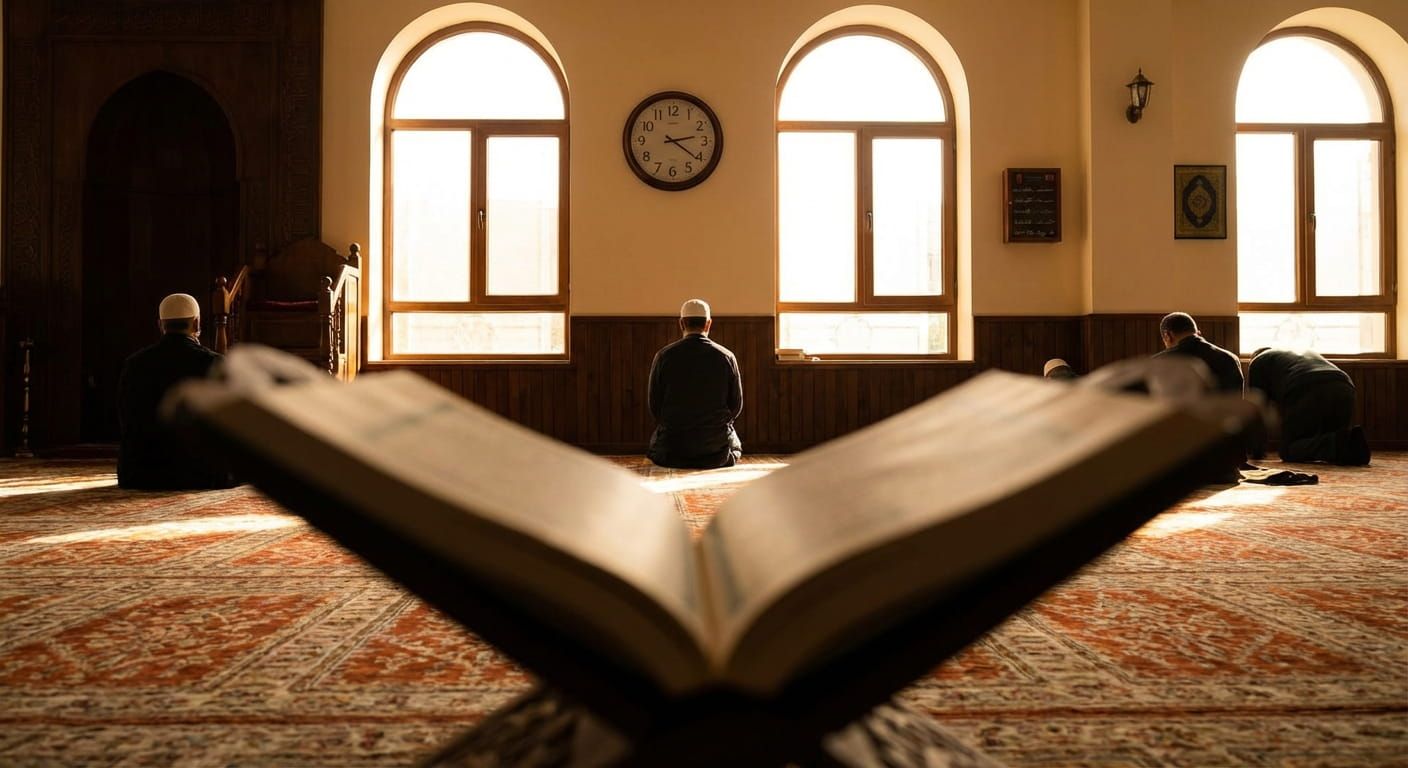
Importance of Performing Salah on Time
Life moves fast. School, work, family, messages, traffic, tiredness, all of it can blur the day into one long rush. Salah brings the day back into ...
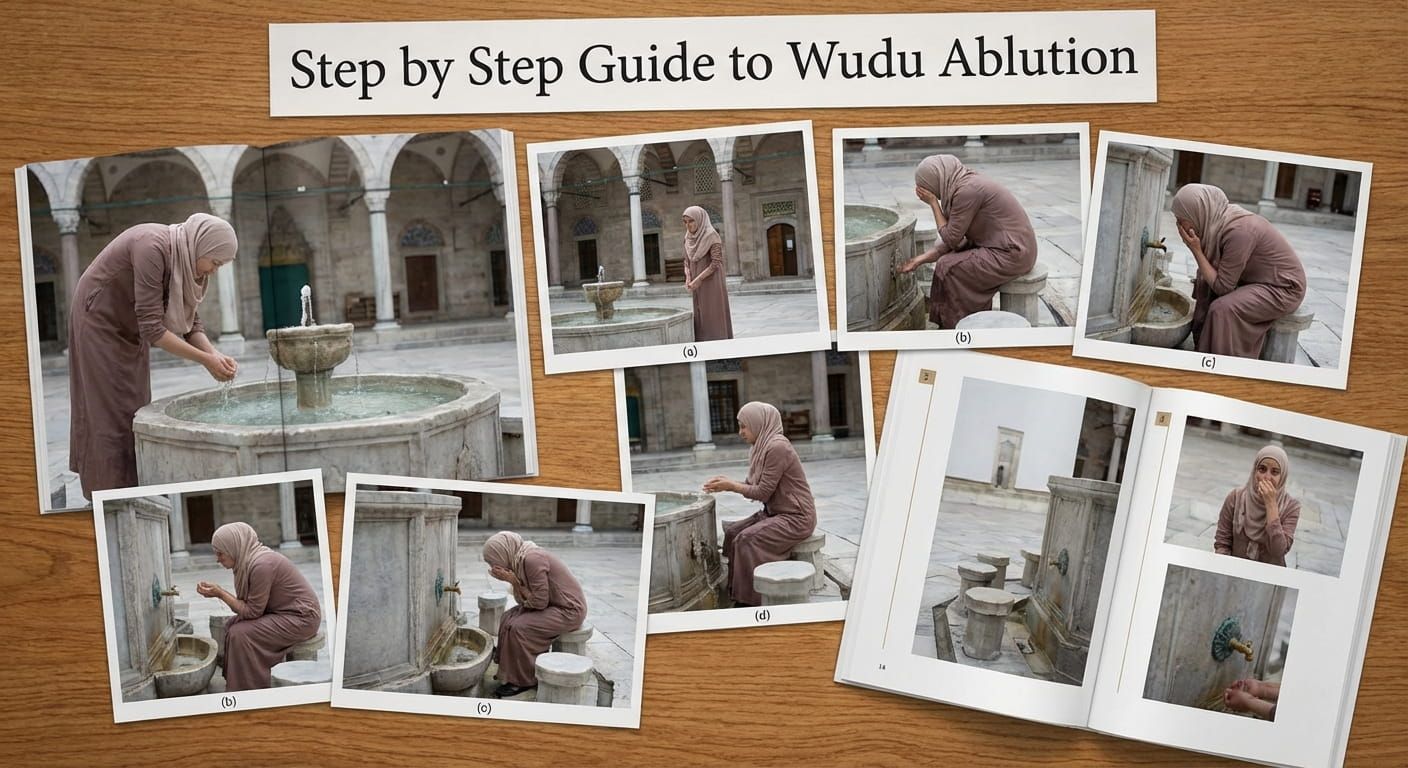
Step by Step Guide to Wudu Ablution
Wudu is one of those small daily acts that quietly shapes the whole day. It wakes up the body, clears the mind, and sets you up to stand in prayer ...
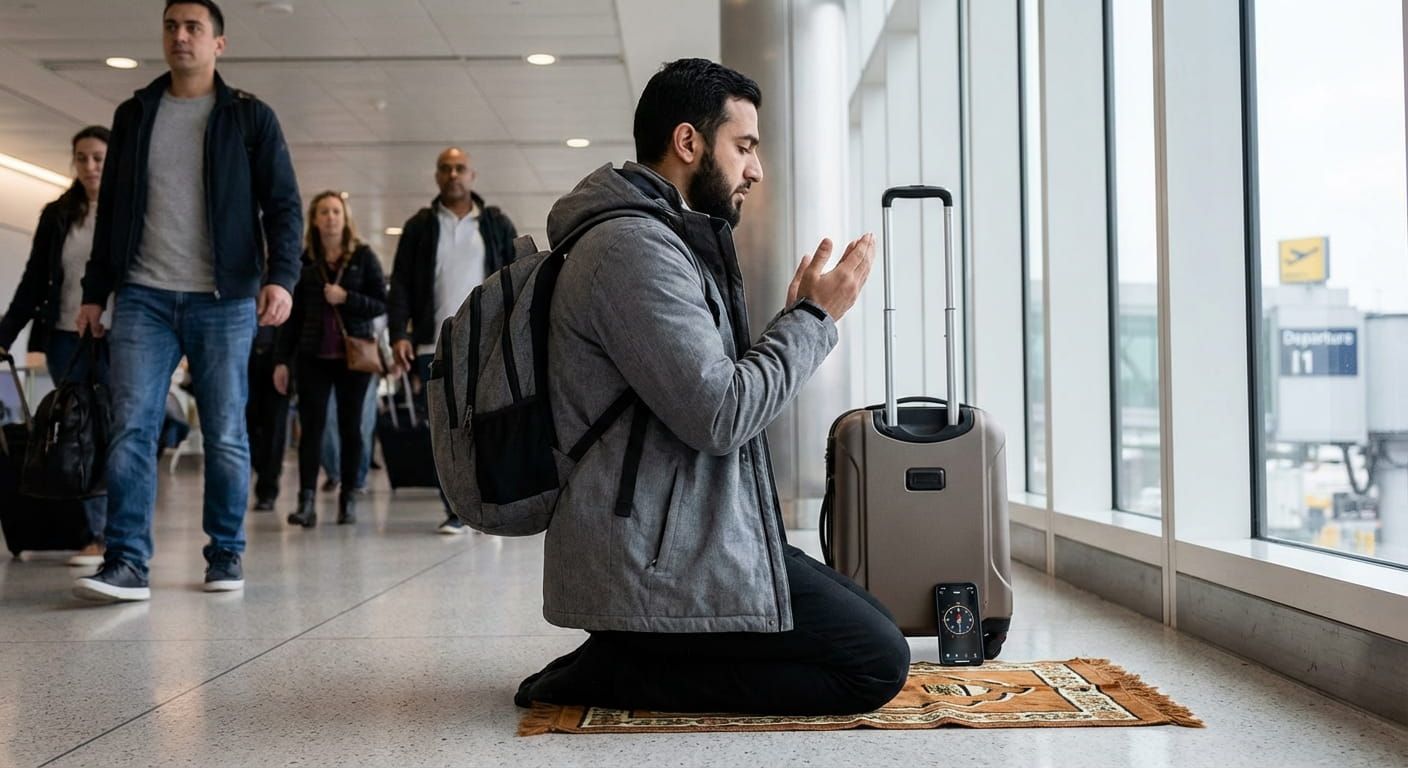
Islamic Prayer Rules for Travelers
If travel is part of your life, prayer can still feel steady and familiar, even with airports, long drives, and shifting time zones. Islamic law gi...
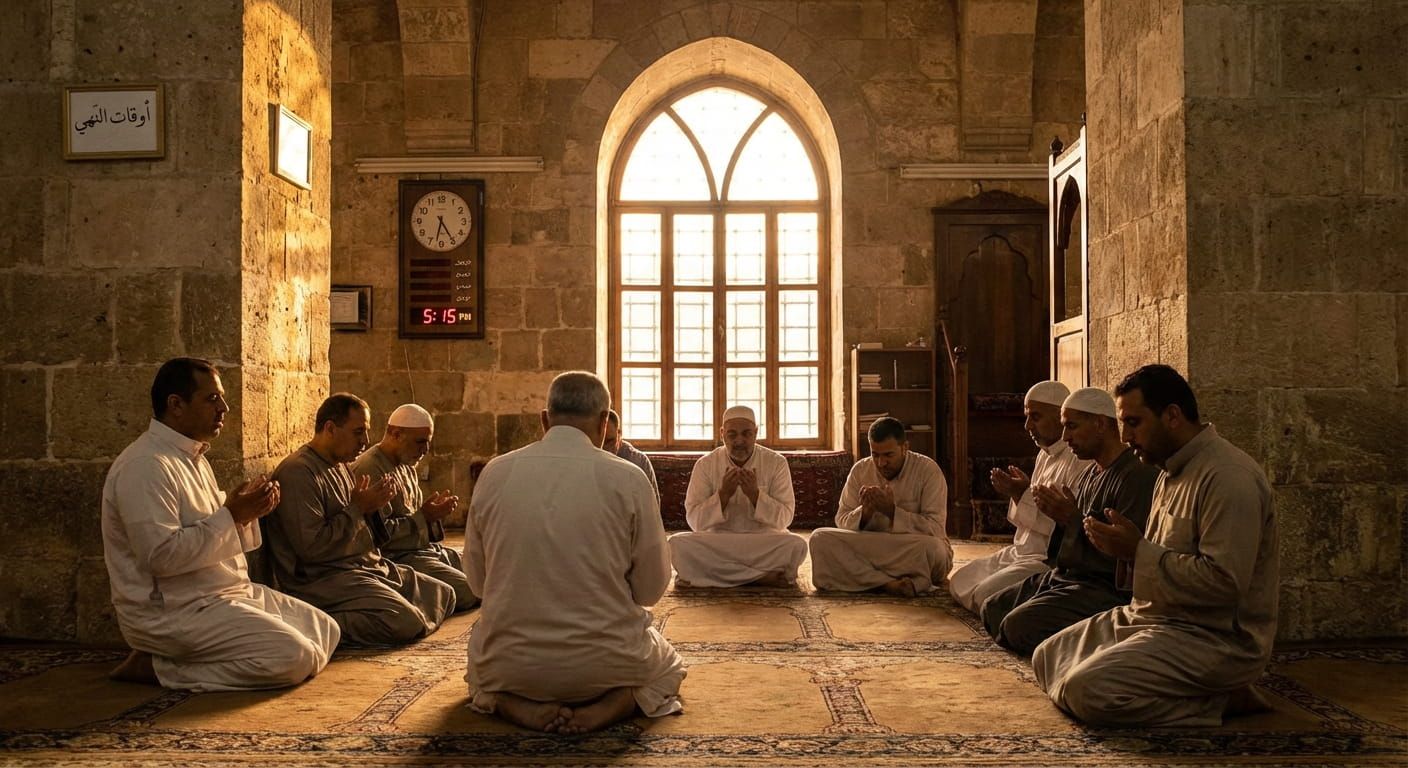
Forbidden Times for Islamic Prayer
You can pray Salah at almost any moment of the day, yet Islamic law also teaches a few short windows where certain prayers should not be perfo...

Major Islamic Prayer Calculation Methods Explained
Prayer time tables look simple, yet behind every minute sits a careful set of astronomical choices. A small change in one setting can shift Fa...