The holy month arrives quietly, then suddenly shapes every hour of the day. Meals change. Sleep shifts. Hearts soften. Intentions grow louder. Yet many people finish the month feeling rushed, tired, or spiritually unchanged. That usually happens not from lack of effort, but from small missteps that quietly pile up. Avoiding those mistakes can turn the month into a time that feels deeply grounded, purposeful, and lasting.
A successful holy month comes from mindful balance. Avoid overloading your schedule, neglecting rest, or focusing only on rules instead of meaning. Stay present, plan gently, nourish your body, and protect your intentions. Small daily choices shape the entire experience. When awareness guides your fasting, prayer, and time with others, the month becomes steady, fulfilling, and spiritually rich rather than exhausting.
Quick Ramadan Readiness Quiz
Test how prepared your mindset is for the holy month. Choose the best answer.
Thinking the Month Is Only About Hunger
One of the most common mistakes is reducing the holy month to food restrictions alone. Fasting is deeper than skipping meals. It touches speech, behavior, patience, and intention. When hunger becomes the only focus, frustration grows quickly.
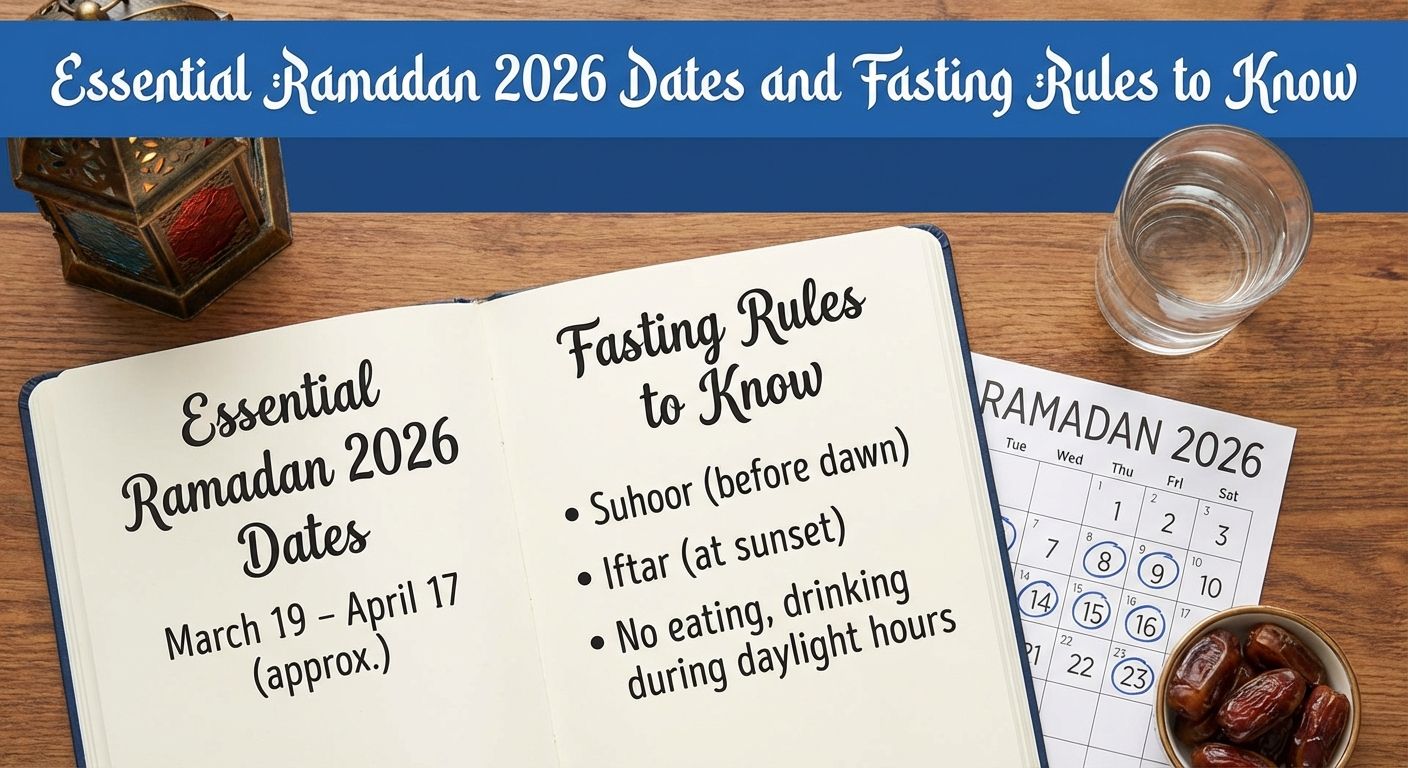
The fast works best when paired with awareness. That includes how words are used, how time is spent, and how emotions are managed. Many people track fasting hours using tools like the Ramadan countdown, but forget to track their inner state. Both matter.
Hunger teaches restraint. Intention teaches meaning.
Overloading the First Week With Unrealistic Plans
Energy runs high at the start. Many people plan long prayers, full Quran readings, nightly gatherings, and strict schedules all at once. By week two, exhaustion sets in.
- Long nights with little sleep
- Heavy meals followed by guilt
- Pressure to match others
Consistency beats intensity. A modest routine that lasts thirty days carries more value than a perfect week followed by burnout.
Neglecting Sleep and Physical Care
Spiritual focus does not cancel physical needs. Poor sleep affects mood, focus, and patience. Skipping rest often leads to irritability, which undermines fasting.
| Habit | Effect on the Month |
|---|---|
| Balanced sleep | Better focus and calm |
| Hydration at suhoor | Steadier energy |
| Light iftar meals | Comfort during prayer |
Letting Screens Control the Evenings
After iftar, hours can disappear into phones and television. The quiet moments that once held reflection now fill with noise. Awareness fades without notice.
In places like Saudi Arabia and the United Arab Emirates, nights feel alive during the holy month. Balance matters. Social time should not erase stillness.
Ignoring Local Rhythm and Time Awareness
Prayer times shift slightly each day. Work hours adjust. Families adapt differently across regions. Paying attention to local timing helps reduce stress.
Whether you live in Qatar or Jordan, aligning your routine with local prayer times builds calm rather than confusion.
Many people feel overwhelmed because they plan without visual clarity. Writing down prayer times, meals, rest, and work in one place helps the day feel manageable rather than rushed.
| Time Block | Focus |
|---|---|
| Morning | Rest and intention |
| Evening | Prayer and family |
Turning Comparison Into a Habit
Watching others online can quietly plant doubt. Some finish the Quran early. Others attend every night prayer. Comparison steals contentment.
- Your capacity differs from others
- Your responsibilities shape your days
- Your intention carries personal weight
Forgetting the Month Extends Beyond the Mosque
Kindness at work. Patience in traffic. Honesty in small tasks. The month shows itself through daily character.
Fasting ends at sunset, but values continue all day. Each choice either strengthens or weakens the spirit of the month.
Carrying the Right Spirit Forward
The holy month rewards preparation and awareness. Avoiding common mistakes keeps the experience steady and meaningful. With gentle planning, mindful rest, and sincere intention, the month becomes something you feel long after it ends.