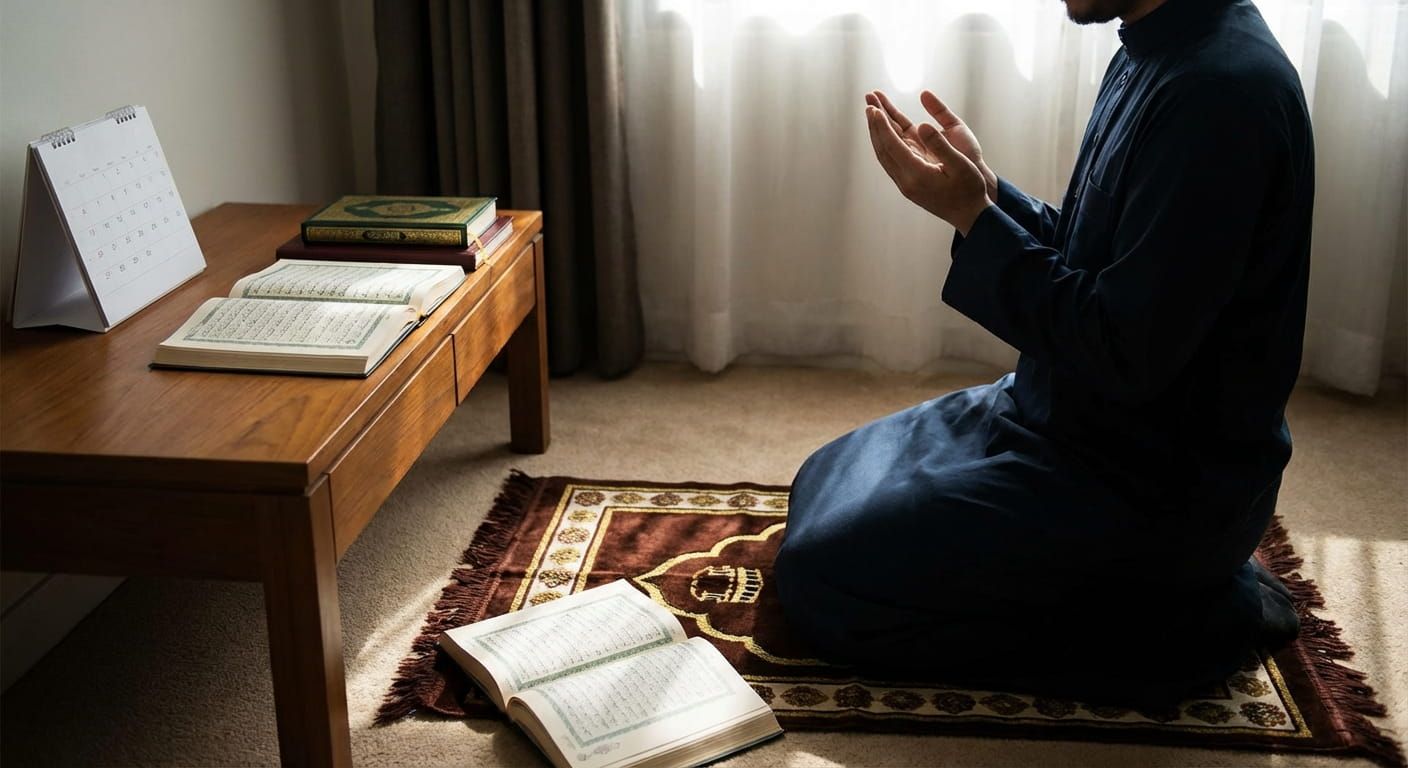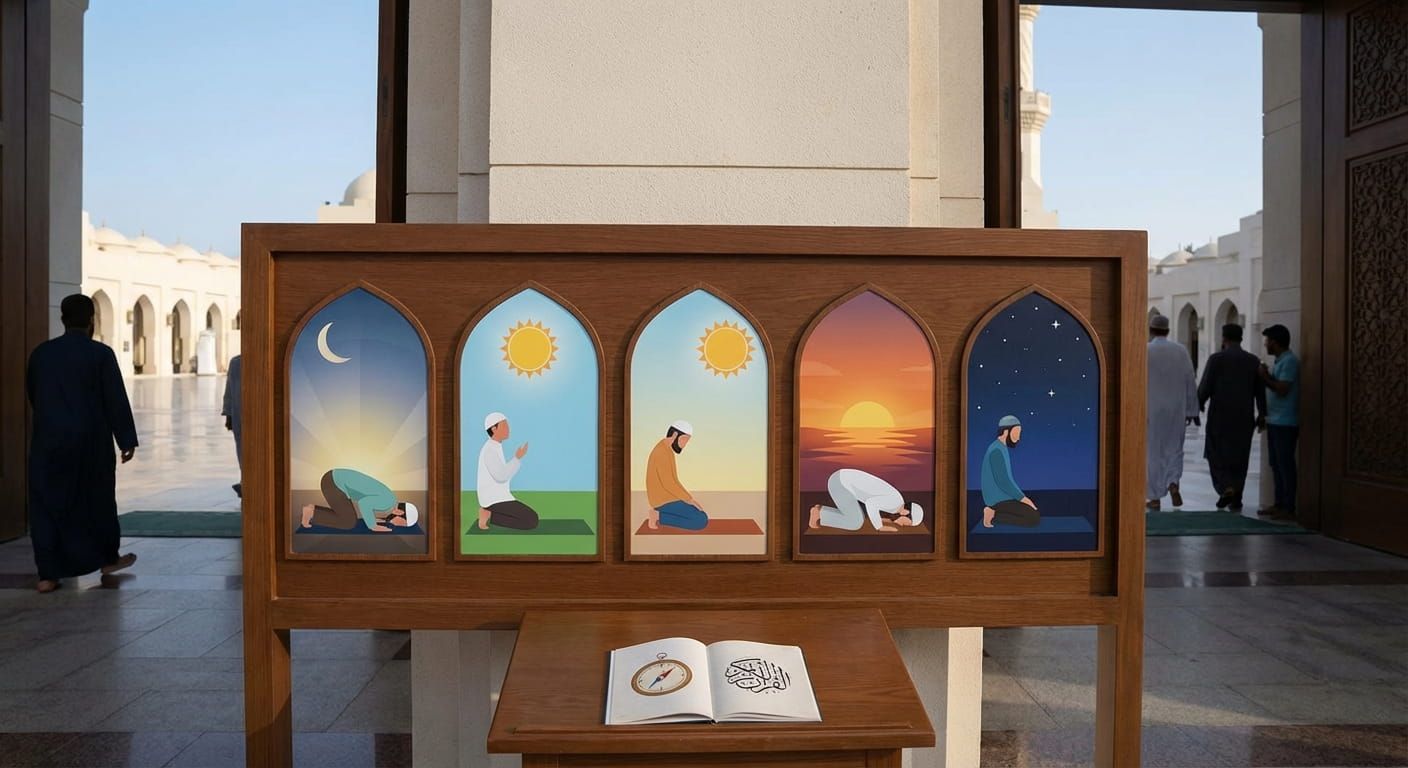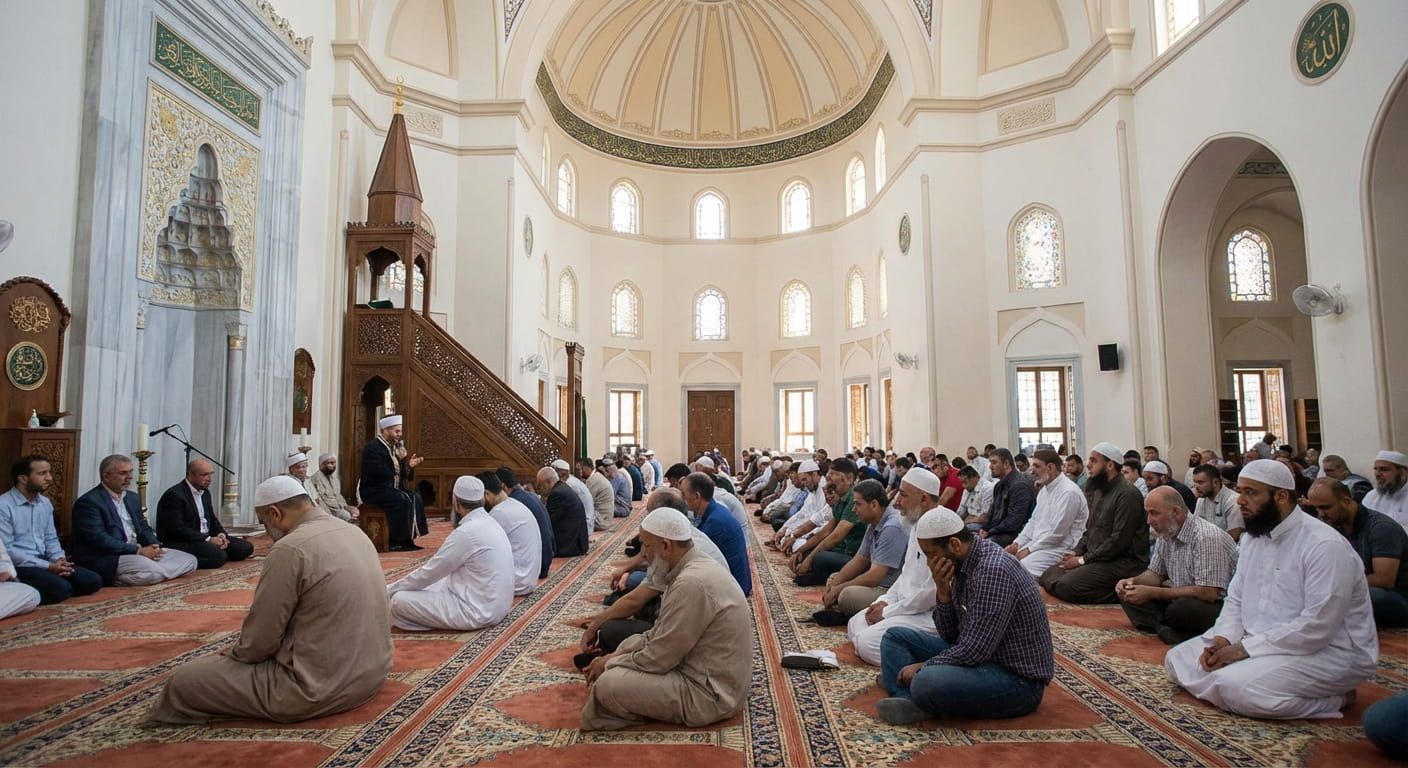
Friday has a special heartbeat in Muslim life. The weekly gathering is not just a routine prayer, it is a public reminder that faith is meant to be lived together. Jummah prayer carries spiritual weight, social value, and clear rulings that shape how Muslims plan their day. Once you understand what makes Jummah unique, the day feels different, calmer, purposeful, and connected.
Jummah is an obligatory weekly congregational prayer for adult, resident Muslim men, replacing Dhuhr on Fridays. It includes a khutbah and two rakah, performed in congregation. Its rulings cover who must attend, valid timing, minimum conditions, and what to do if missed. Arriving early, listening attentively, and preparing with cleanliness and calm improves reward and focus. Accurate local prayer times help you catch it on time.
What makes Jummah different from a regular prayer
Jummah is the Friday congregational prayer held around the time of Dhuhr. It is not simply Dhuhr with extra people. It has its own structure, its own public setting, and a khutbah that is part of the act of worship. For those who are required to attend, Jummah replaces Dhuhr, and it is prayed as two rakah in congregation after the sermon.
The khutbah is not a warm up talk. It is a central component. The community gathers, listens, and is reminded of Allah and responsibility. Then the congregation stands for the prayer. This pairing of guidance and worship is one reason Friday feels like a weekly reset.
Treat the khutbah like prayer time. That means no chatting, no side conversations, and no casual scrolling. The quiet matters.
Why Friday holds spiritual weight
Jummah is tied to unity. A Muslim can pray alone most days if needed, but Friday pulls hearts into one room. People line up shoulder to shoulder. Differences in job, background, and language soften in a single direction of prayer.
It is also tied to rhythm. A week can feel scattered. Jummah offers a weekly pause, a moment to step back and realign intentions. Many Muslims notice that missing it affects the feel of the whole day. That feeling is not random, it comes from the way Jummah anchors worship in time and community.
Staying punctual supports that rhythm. If you rely on location based schedules, prayer times can help you match your local khutbah window and plan travel, school, and work around it.
Who must attend and who is excused
The core ruling is straightforward in most Sunni fiqh: Jummah is an obligation for adult men who are resident and able to attend. At the same time, Islam is realistic. The law recognizes hardship and protects people from harm.
Common categories in plain language
These points are a helpful orientation. Local scholars and your masjid can guide your specific case, especially if you face unique constraints.
- Obligated: adult Muslim men who are resident, healthy enough, and can reasonably reach the congregation.
- Not obligated but welcome: women, children, and travelers in many rulings, though many attend and gain reward.
- Excused: illness, genuine risk, severe weather or danger, and situations where attending would cause serious harm.
Travel is a common question. Many travelers are not required to attend Jummah, depending on the distance and travel status, but they may attend if it is feasible. If you are on the move, reading islamic prayer for travelers can help you frame your decisions calmly and avoid confusion.
Conditions that make Jummah valid
People often ask, what actually makes Jummah count? The essentials are not complicated, but they are specific. They protect the prayer from becoming a casual replacement without its proper form.
- It is on Friday. Jummah is tied to the day itself.
- It is in the time of Dhuhr. The congregation does not pray it at random hours.
- It is in congregation. Jummah is not performed alone.
- A khutbah occurs. The sermon is part of the act, not an optional speech.
- Basic purity and modesty apply. Wudu, clean clothing, and covering awrah remain required.
Scholars differ on some detailed conditions, such as the minimum number of attendees and the place requirements, because they interpret evidence and historical practice differently. That is normal in fiqh. If you stick with a trusted local practice, you are on safe ground.
Timing details and how to plan around them
Jummah is connected to the Dhuhr window, but khutbah start times vary by mosque. Some start right after the adhan, others begin later to accommodate work schedules. The smart approach is to treat Friday like an appointment. You aim to arrive early enough to sit, settle, and listen.
If your city uses different calculation methods for prayer times, it can shift Dhuhr slightly across the year. Understanding the math is helpful when you travel or when you notice small timing differences across apps. Reading major islamic prayer calculation methods explained can clear up why two schedules sometimes differ by a few minutes.
How the khutbah shapes the rulings
The khutbah is not background noise. It is an act of worship that has etiquette. The basic principle is simple: you listen. That means you minimize distractions and respect the space. Some rulings mention that even telling someone else to be quiet can be discouraged if it causes more disruption.
Practically, the khutbah becomes easier when you arrive settled. If you rush in late, you spend the first minutes catching your breath, scanning for space, and trying to focus. Coming early is not just a reward move, it is a focus move.
Preparation that makes Jummah feel lighter
Friday worship is not meant to feel heavy. A bit of preparation can remove stress and keep attention on prayer. Here is one paragraph with bulletpoints to make it easy to scan.
- Make wudu at home if possible, it reduces rush and crowding.
- Wear clean clothes and use a pleasant scent without going overboard.
- Bring a prayer mat if the space tends to overflow.
- Silence your phone fully, including vibration if it distracts you.
If you want a refresher on wudu steps, step by step wudu ablution lays it out clearly, which helps younger students and anyone returning to practice after a break.
Rakah structure and what to do if you join late
Jummah prayer is two rakah led by the imam, following the khutbah. People sometimes mix this up because Dhuhr is four rakah. The difference is part of what marks Friday as unique.
Late arrival questions depend on when you join the congregation. Different schools describe the details with their own language, but the safe general approach is: join the congregation as you find it, do not create disruption, and follow local practice taught by the imam. If you did not catch Jummah properly, you pray Dhuhr instead.
If you arrive while the khutbah is ongoing, keep movements minimal. Find a spot without stepping over people when possible, then settle and listen.
Women, families, and the Friday gathering
Many communities welcome women for Jummah, and many women attend regularly. Even where the obligation differs, the spiritual benefit remains. Families also bring children, especially in communities that invest in youth learning. The key is manners and preparation. A snack, a quiet toy, and a plan for keeping children calm can transform the experience for everyone around you.
If your schedule makes weekday prayers challenging, building a steady routine of the five daily prayers strengthens Friday too. Reading five daily islamic prayers can help you connect the dots between daily discipline and the weekly gathering.
Common misunderstandings that cause stress
Some confusion is very common, especially for teens, new Muslims, and anyone who has moved countries. Clearing these points early prevents guilt and anxiety.
- Thinking Jummah is optional for everyone. Many adult men are required to attend when they are able.
- Assuming any talk counts as a khutbah. The sermon has religious elements and a proper setting.
- Believing you can pray Jummah alone. Jummah is a congregational act.
- Forgetting that missed Jummah becomes Dhuhr. If you did not complete it, you still pray four rakah Dhuhr.
- Ignoring the khutbah etiquette. The listening is part of the worship.
Prayer time accuracy and why it matters for Jummah
Jummah is linked to Dhuhr, so timing matters. A few minutes can be the difference between arriving during the khutbah and arriving after the prayer. In most cities, mosques publish their own start time, but your personal schedule still depends on the actual prayer window for your location.
If you want to understand the behind the scenes part, how islamic prayer times are calculated explains the relationship between sun position and prayer entries. It makes the timing feel less mysterious, especially when seasons shift.
Staying punctual is also a habit that strengthens the whole day. importance of salah on time connects that habit to spiritual calm and consistency.
When prayer is not permitted and how it relates to Friday
Some Muslims hear about forbidden times and wonder if it affects Jummah. In general, Jummah is set in its own slot around Dhuhr, but learning the broader rule helps you plan voluntary prayers around the day. A clear guide to this topic is forbidden prayer times, which can prevent accidental mistakes, especially for people who love extra sunnah prayers.
Travel, relocation, and finding Jummah in a new place
Moving to a new city or country changes your Friday routine. The mosque might be farther. The khutbah language might be different. The prayer time might shift due to latitude or calculation method. The best approach is practical: confirm local times, check the mosque schedule, then arrive early enough to breathe.
If you are planning a trip or temporarily living abroad, browsing the country pages can help you orient yourself to time zones and cities. For example, travelers passing through Malaysia often notice different mosque schedules during workdays. Likewise, a move to Türkiye can come with different local customs around mosque announcements, while the core Jummah structure stays the same.
A simple list for making Friday smoother
Here is a short list you can actually use. Keep it on your phone notes or in your head, and Friday gets easier.
- Plan your route before Friday. Know parking, walking distance, and the entrance.
- Eat light. A heavy meal can make focus harder.
- Arrive early. It protects your attention during the khutbah.
- Sit with intention. Less fidgeting means more listening.
- Make dua after. Carry the reminder into the rest of your day.
- Support the masjid. Smile, help someone find a spot, keep the space clean.
Short rulings reference you can scan in seconds
Practical ways Time.now supports your Friday plan
Jummah success often comes down to planning. Knowing Dhuhr entry time helps you understand the prayer window, and knowing your city schedule helps you decide when to leave class or work. Time based tools are most useful when they are location aware and consistent.
If you are comparing schedules, reading major islamic prayer calculation methods explained can help you understand why one city might use a different method than another. That knowledge reduces confusion and prevents unnecessary arguments about minutes.
Making the khutbah land in your heart
A khutbah can be short, and still change your week. The key is attention. If you come with an open mind, even one sentence can stick. Many people find it helpful to set a tiny intention as they sit down: I am here to listen, and I will leave with one action point.
If you want a simple practice, choose one of these each Friday: reconcile with someone, give charity quietly, stop one bad habit, or start one good habit. Keep it small. Consistency is the real win.
Answering the question teens ask most
Teens often ask, what if school makes it hard? The answer depends on your situation, your guardians, and your local scholars. Many families coordinate with schools for Friday permission where possible. Some attend a nearby mosque with an earlier khutbah. Others attend during breaks if the school allows. Where it is genuinely not possible, you do what you can without putting yourself in harm or serious trouble, and you keep your Dhuhr strong.
The goal is to keep worship steady, not to pile on stress. You can still honor Friday by praying Dhuhr on time, reading Quran, making dua, and planning for future Fridays when attendance becomes possible.
A closing note for a Friday that feels complete
Jummah prayer sits at the center of the week because it gathers people, corrects direction, and brings worship into public life with dignity. Learn the rulings, then treat them as a path to ease. Show up clean, arrive early, listen with respect, and pray with presence. If you ever miss it, return to Dhuhr without drama. Friday comes again, and Allah always gives space for a fresh start.