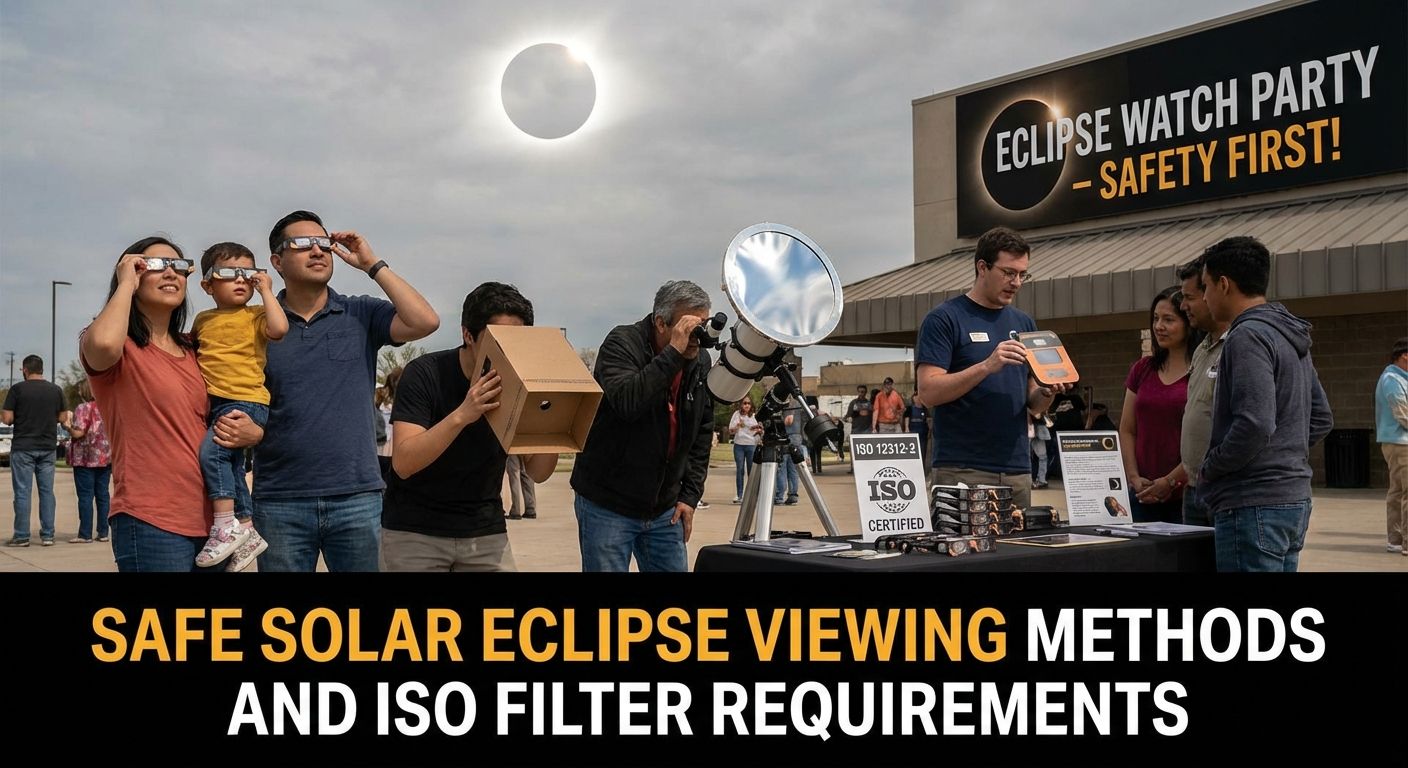
A solar eclipse can make the sky look calm, even a little dim, then your eyes pay the price if you treat it like a normal sunset. The Sun does not become safe to stare at during most eclipse phases. Safe viewing is about using the right filter, using it the right way, and knowing the few moments when the rules change.
View a solar eclipse safely by using ISO 12312 2 compliant eclipse glasses or a proper solar filter made for your device. Check the markings, buy from reputable sources, inspect for damage, and follow simple handling rules. Never look through unfiltered binoculars, telescopes, or cameras. Use projection methods for groups. Only during totality, when the Sun is fully covered, can you look without a filter, and only until bright sunlight returns.
Quick eclipse safety quiz
This short quiz checks the habits that keep eyes safe. Pick an answer, then tap Check. The explanation tells you why.
Why eclipse light can harm eyes even when it looks gentle
The Sun sends an intense stream of visible light, plus ultraviolet and infrared energy. Your pupils tighten in bright conditions, which limits how much light reaches your retina. During a partial eclipse, the scene can look darker, and your pupils may open more. That lets more energy in at the exact moment the Sun still has plenty of power. The retina has no pain sensors. Damage can happen without immediate discomfort. That is why safe viewing relies on proper filters, not on comfort or brightness.
If the Sun is visible as a bright shape, treat it like full Sun. Filters stay on. Totality is the rare exception, and it has a clear start and end.
If you enjoy time based sky events, you may also like the gentle daily rhythm pieces on time.now, such as 20 facts about sunrise and 15 facts about the Sun. Those topics feel calm. Eclipse viewing needs a stronger safety mindset.
What ISO 12312 2 means, and what it does not
ISO 12312 2 is the standard used for personal eye protection for direct viewing of the Sun. The marking matters because it signals the filter blocks a huge amount of visible light and also reduces ultraviolet and infrared to safer levels. This is not the same as regular sunglasses. Even very dark fashion lenses are not made for direct solar viewing. Polarized lenses do not solve the problem either.
ISO marking alone is not magic. Counterfeits exist. The standard is a tool, not a promise. You still need a reputable source, clear printing on the product, and a quick inspection before you use them. If the seller cannot tell you the manufacturer, that is a bad sign. If the viewer arrives without any labeling, skip it.
Simple checks that catch most bad viewers
- Look for printed text that includes ISO 12312 2 and the maker name.
- Inspect both lenses for scratches, pinholes, creases, or cloudy spots.
- Put them on indoors. You should see almost nothing, maybe faint lights.
- Outside, look at a bright lamp, not the Sun. It should appear very dim.
- If anything looks too bright, do not use them for the eclipse.
After reading eclipse safety, people often get curious about how light behaves closer to the horizon. The way colors shift at dusk can feel dramatic without the danger of direct solar viewing. If that topic appeals, try the science of sunset colors and why sunsets feel beautiful.
Solar filters for devices, cameras, and telescopes
Eclipse glasses protect your eyes. They do not protect cameras, binoculars, or telescopes. Anything with magnification concentrates sunlight. That concentrated beam can damage eyes instantly, and it can also damage equipment and internal optics. A device needs its own proper solar filter, typically mounted at the front of the optics, before sunlight enters the system.
Device filter basics that keep you out of trouble
Use a filter made for solar viewing from a known astronomy supplier or camera filter brand. The filter should fit securely, with no gaps or wobble. For a telescope, the filter should cover the front aperture. Avoid makeshift materials. A homemade film taped loosely over a lens can slip. That risk is not worth it.
Many people want a photo that matches what they felt in the moment. That is natural. The safer path is to plan the gear, then keep your attention on safe viewing and shared reactions. A filtered camera can work well, yet it still demands discipline. If you prefer a more relaxed sky habit, sunset watching scratches that same itch without the risk, and time.now has guides like best places to watch the sunset and how long after sunset it gets dark.
Safe ways to watch, from simplest to most shareable
There are multiple safe methods, and each fits a different vibe. Some are perfect for a solo moment. Others work best for families and classrooms. Pick one method, practice once before eclipse day, then keep it simple.
List of viewing methods that work well
-
ISO 12312 2 eclipse glasses
Put them on before looking up, then look at the Sun. Look away before removing them. Keep them on during partial phases. -
Handheld solar viewers
These are similar to glasses but easier for some kids and for people who wear regular glasses. -
Pinhole projection
A small hole in cardstock projects an image of the Sun onto a surface. This is great for groups. Eyes never look at the Sun. -
Projection with binoculars or a small telescope
This can work only with great care and experience, and it risks heating the optics. For most people, skip this and use pinhole projection instead. -
Filtered telescope viewing
With a proper front filter, telescopes can show sunspots and detail. This is best under supervision by someone experienced.
Pinhole projection can feel like a tiny science trick. It also connects nicely with other light phenomena you can spot outdoors, like mirages and unusual shapes near the horizon. If you enjoy that angle, read mirages and shifting sunset shapes after the eclipse.
Common mistakes that lead to real harm
Most eclipse injuries come from normal human behavior. People peek. People assume a quick glance is harmless. People trust a random online listing. A safer plan anticipates those moments and removes temptation.
- Using regular sunglasses, even very dark ones.
- Using smoked glass, exposed film, CDs, or tinted plastic.
- Looking through a camera viewfinder at the Sun without a solar filter.
- Looking through binoculars or a telescope without front mounted solar filters.
- Using damaged eclipse glasses, even with tiny pinholes.
- Letting kids share glasses without checking fit and condition.
Partial eclipse light can still injure eyes. The eclipse does not act like a dimmer switch that turns the Sun safe.
A professional, colorful table of methods and risk level
Use this table as a fast decision tool. The colors are muted on purpose. Eclipse safety should feel calm, not flashy.
Curious how light changes as day ends, without direct solar viewing? Time.now has a deep, practical piece on light pollution and dimming skies. It pairs nicely with eclipse planning, since many eclipse events lead to night sky viewing afterward.
Step by step routine that keeps your eyes safe
This routine is simple enough to follow even when you are excited and surrounded by friends. Print it, save it, or say it out loud before you start.
- Inspect your eclipse glasses or viewer in bright indoor light. Reject anything scratched or creased.
- Decide your viewing method before you head outside. Direct glasses or projection, not both at once.
- Put eclipse glasses on before looking up. Keep your gaze down while you position them.
- Look at the Sun for short, comfortable looks, then look away. Take breaks.
- If you use a camera or telescope, confirm the solar filter is mounted on the front and cannot slip.
- If totality happens in your location, remove filters only when the Sun is fully covered. Put filters back on the instant bright sunlight returns.
- Afterward, store viewers flat in a clean envelope or case. Heat and scratches shorten their life.
Timing helps. People often ask how long the sky stays bright after sunset, and that same curiosity shows up during eclipses. If you enjoy time based sky planning, read sunrise and sunset timing and daylight and what time sunrise happens by season and location.
Kid friendly viewing without turning it into a lecture
Kids love eclipses, and they also love testing limits. Set up a method that removes the urge to peek. Projection is great for groups of children because nobody needs to look at the Sun. If you use glasses, keep spares, keep supervision close, and make the rules feel like a game you win by following them.
Helpful habits that work with kids:
- Do a practice run with the glasses in the yard on a normal day, using a bright lamp indoors as the “look how dim it is” test.
- Use a call and response: glasses on, look up. Look down, glasses off.
- Give each child their own viewer, no swapping.
- Use projection for the main event, then allow brief glasses viewing as a bonus.
Many families connect eclipse day with sunrise or sunset plans. If you build a full day around sky watching, these time.now reads fit nicely in between: how long before sunrise it gets light and why roosters crow at sunrise.
Choosing a viewing spot that supports safe habits
A good spot reduces distractions. You want room to stand without being bumped, a clear view of the Sun, and a place to set down gear without dropping it. Shade can help, because your eyes adjust better and you can rest between looks. If you expect crowds, arrive early and keep your viewing tools in a small bag that stays closed until you use them.
Weather and haze can change the experience. Haze may make the Sun look softer, yet it can still be unsafe to view without filters. Thin clouds can create a false sense of safety. Filters stay on. If clouds block the Sun completely, switch to enjoying the changing daylight and the mood shift. That part can still be memorable.
If you love the outdoor planning side, time.now also has location focused reads like best sunrise hikes in the US and where the Sun rises first. Those guides build the same “pick a spot, show up early” muscle that eclipse day rewards.
One paragraph layout, text on the left and a table on the right
If you only memorize one thing, make it this: certified solar filters belong between your eyes and the Sun, or between your optics and the Sun, during every partial phase. Keep the routine consistent, keep viewers undamaged, and keep magnifying devices filtered at the front. Totality is the rare window where the Sun is fully covered and unfiltered viewing is allowed, and that window ends fast. Planning ahead keeps the moment joyful instead of stressful.
Care, storage, and reuse of eclipse glasses
Eclipse glasses can last across multiple events if they stay in good shape. Treat them like a camera lens cap, not like a souvenir in a pocket. Keep them flat. Keep them clean. Keep them away from sharp objects. Heat in a car can also warp materials, depending on the design. A small envelope or a rigid case is a simple upgrade.
Before each reuse, do the same inspection you did on day one. If a viewer looks wrinkled or cloudy, retire it. If you hand them out at an event, label each pair. That reduces swapping and rough handling.
After an eclipse, many people stay in a sky watching mood. Twilight can look extra vivid on days with dust or volcanic aerosols. If you want a quieter follow up read, check afterglow, twilight, and volcanic skies.
When the shadow moves on
Safe eclipse viewing is a blend of the right gear and calm habits. ISO 12312 2 glasses and certified solar filters take care of the physics. Your routine takes care of the human side, the peeks, the excitement, the crowd energy. Once you know the rules, you can relax and enjoy the strange daylight, the shared gasps, and the way the world briefly feels different. Then the Sun returns to normal, and your eyes stay ready for the next sky moment.
If your eclipse day turns into an all day sky plan, time.now has fun cultural and artistic angles on light too, including sunsets in art, entertainment, and language and sunset symbolism across cultures.
More Related Articles
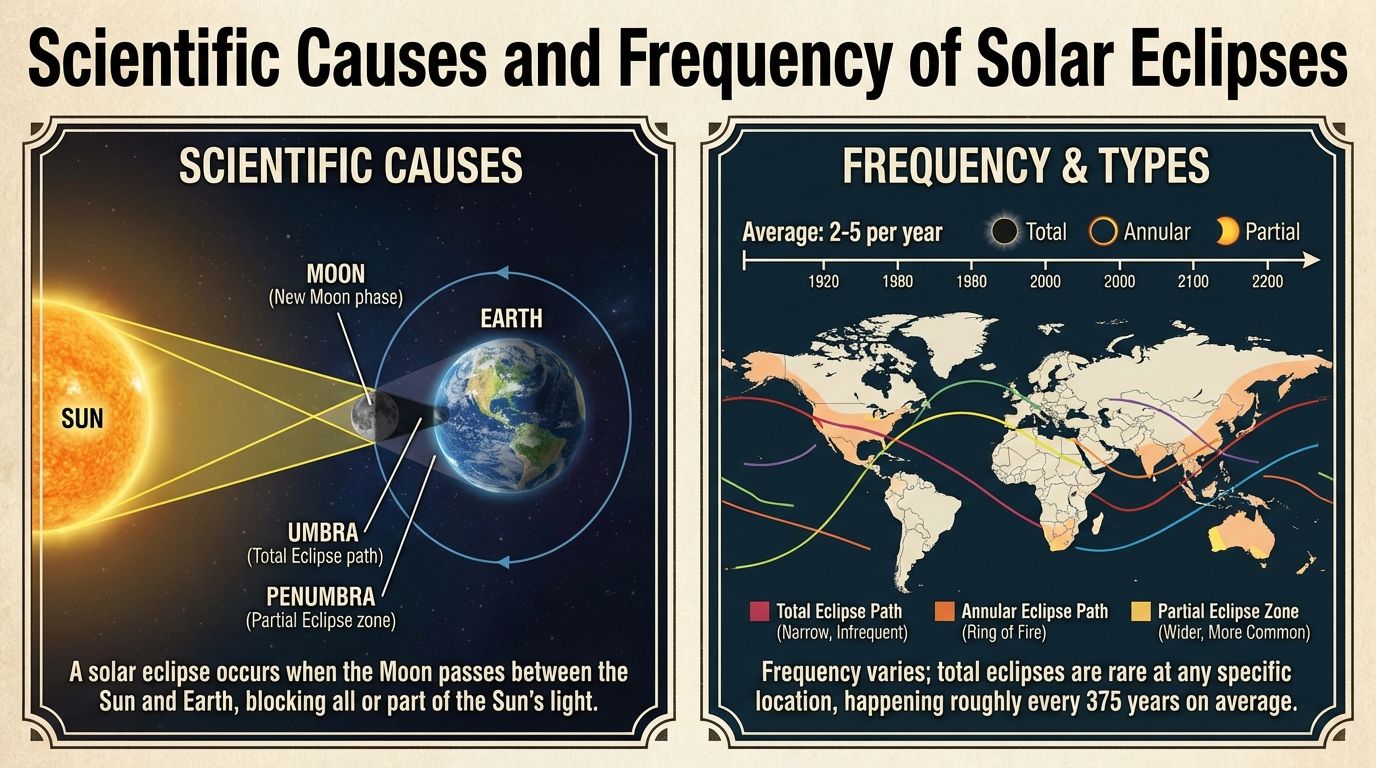
Scientific Causes and Frequency of Solar Eclipses
A solar eclipse is one of those rare moments when the daylight feels edited, shadows sharpen, birds get confused, and a crowd can fall quiet all a...
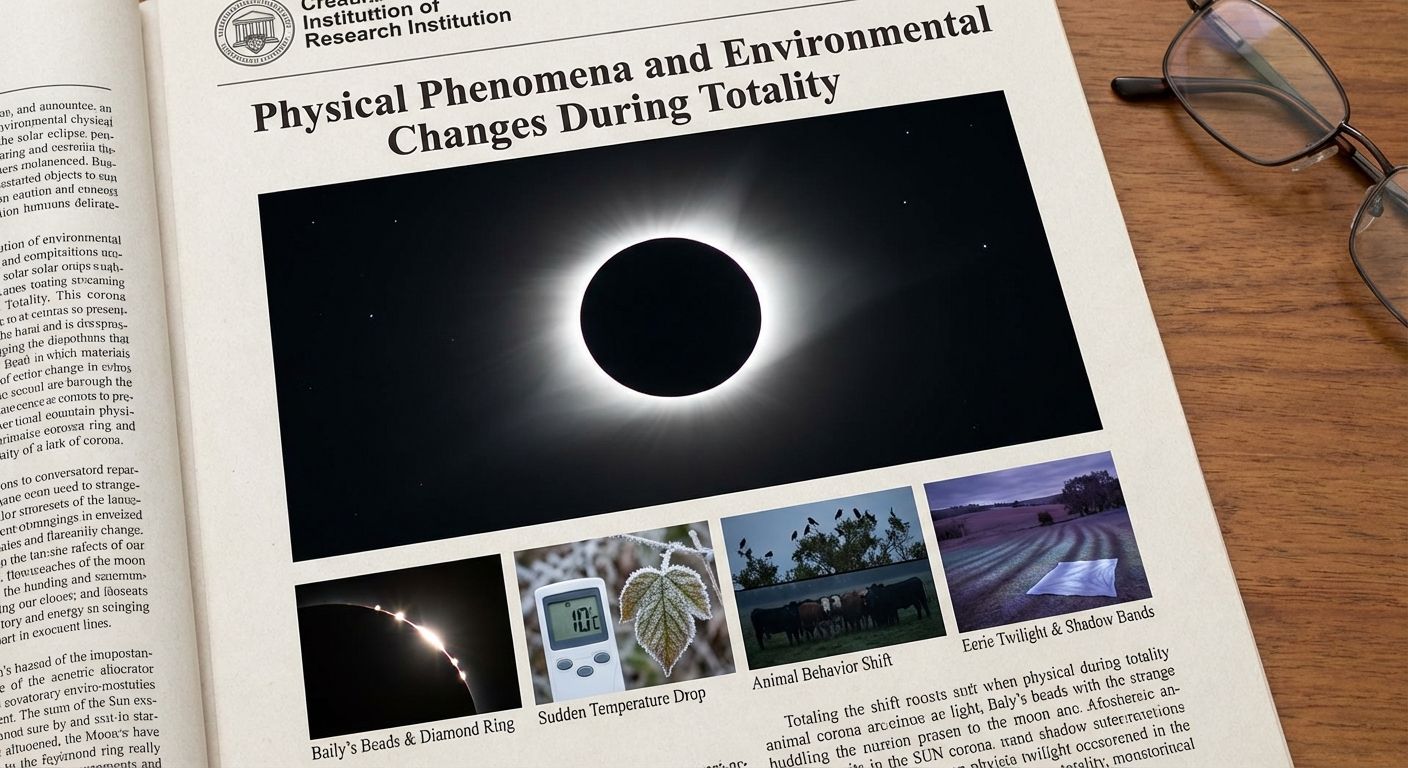
Physical Phenomena and Environmental Changes During Totality
Totality turns the world into a laboratory you can feel with your skin. The light changes first, then the wind, then the soundscape. Shadows s...
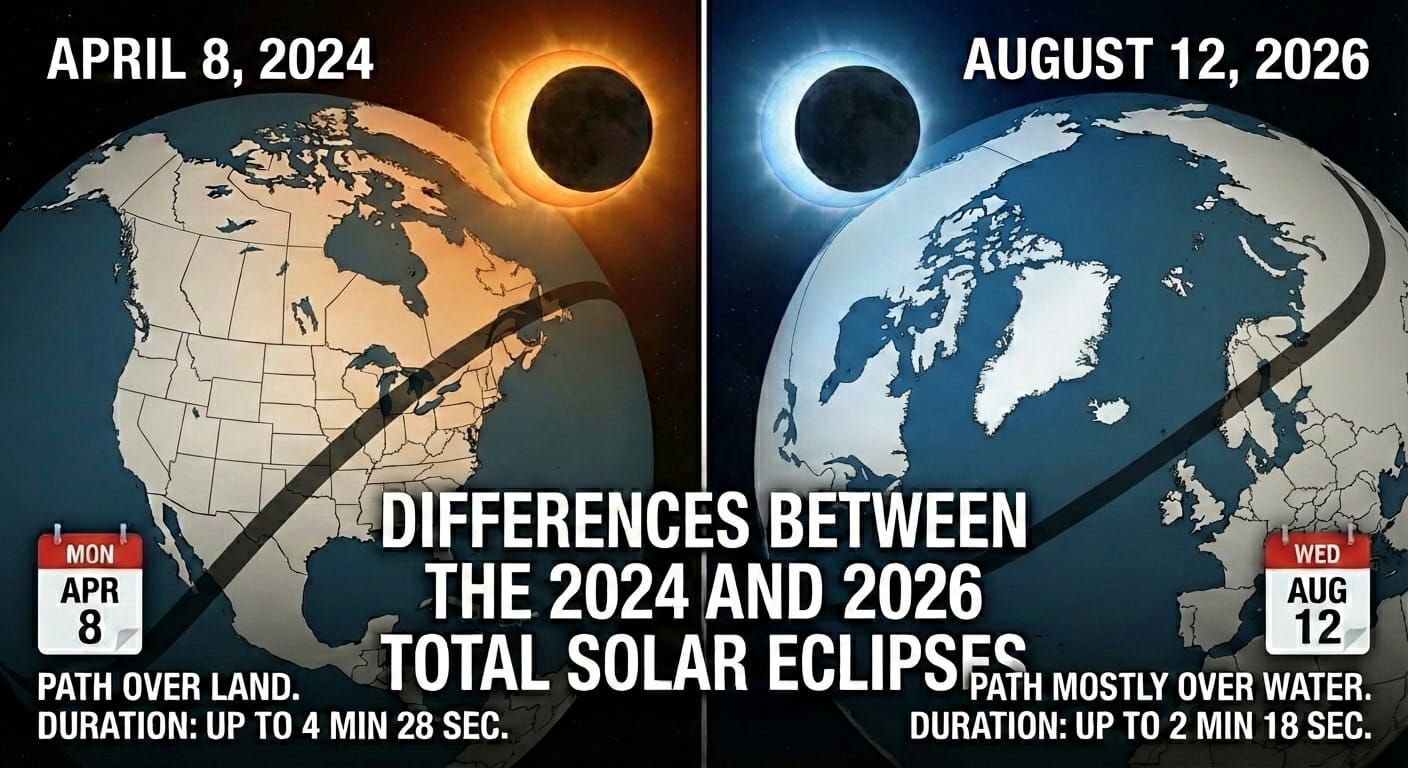
Differences Between the 2024 and 2026 Total Solar Eclipses
Totality changes people. The light turns strange, birds go quiet, and the world feels briefly reprogrammed. If you watched the 2024 total solar ecl...
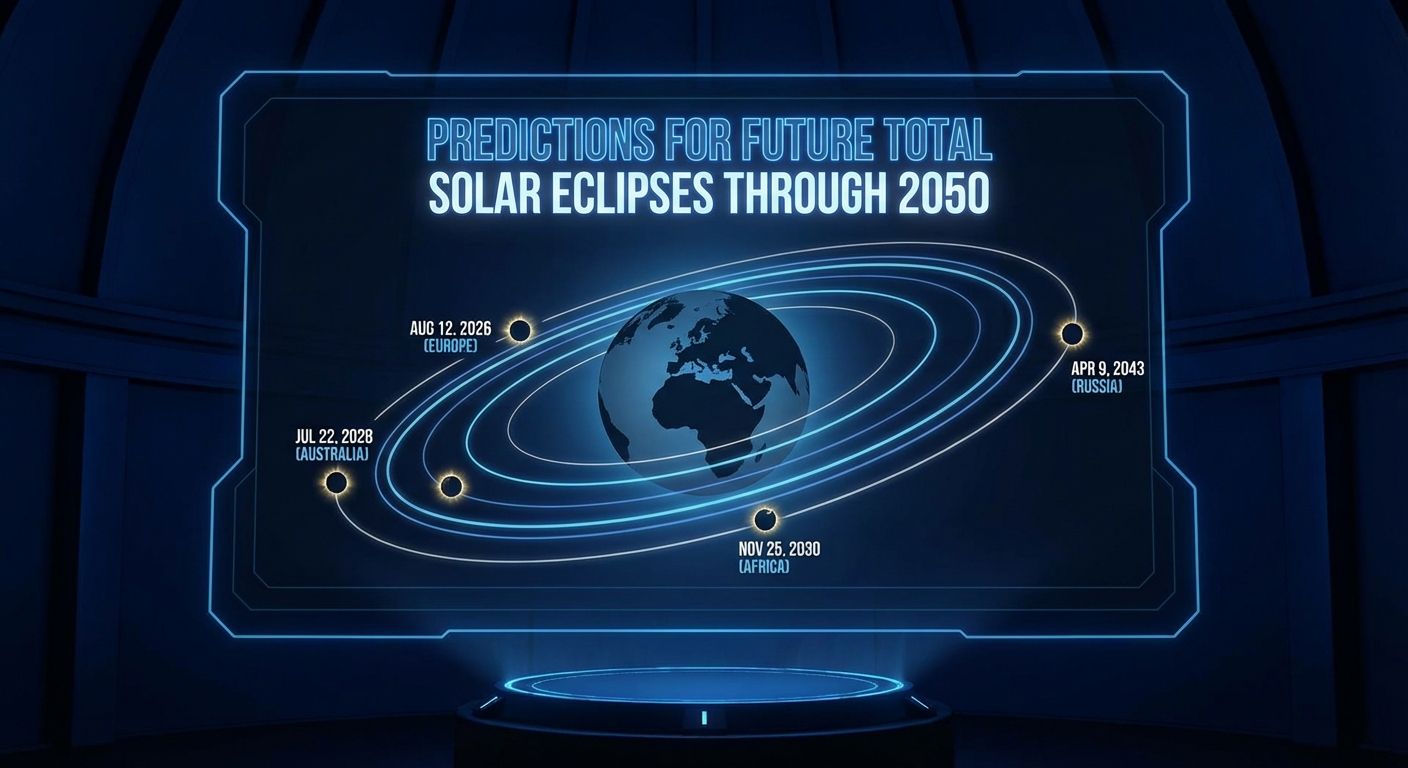
Predictions for Future Total Solar Eclipses Through 2050
The next total solar eclipse is not just a date on a calendar, it is a moving shadow with a personality. It runs fast, slows down, widens, narrows,...
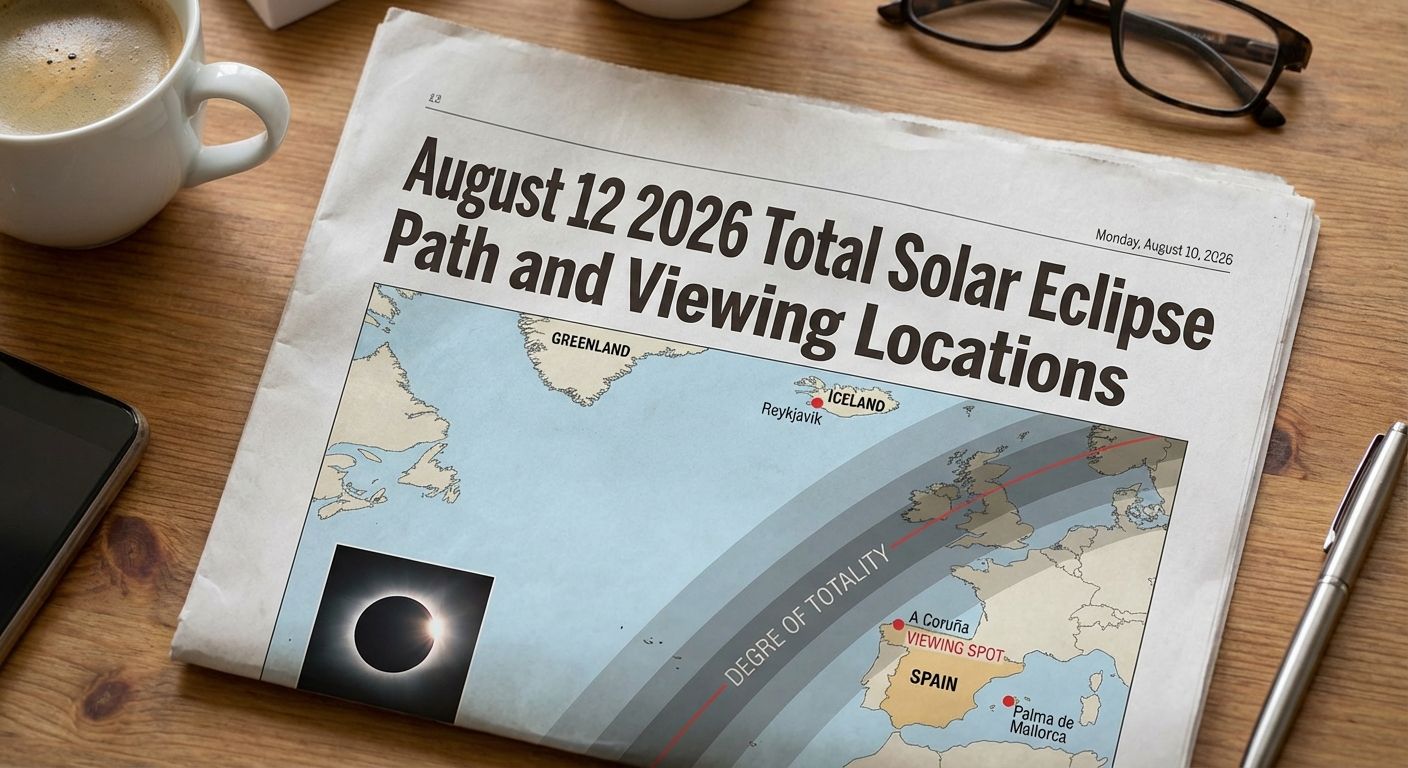
August 12 2026 Total Solar Eclipse Path and Viewing Locations
On August 12 2026, the Moon will line up with the Sun in a way that makes daytime feel briefly unreal. The light shifts fast. The temperature can d...
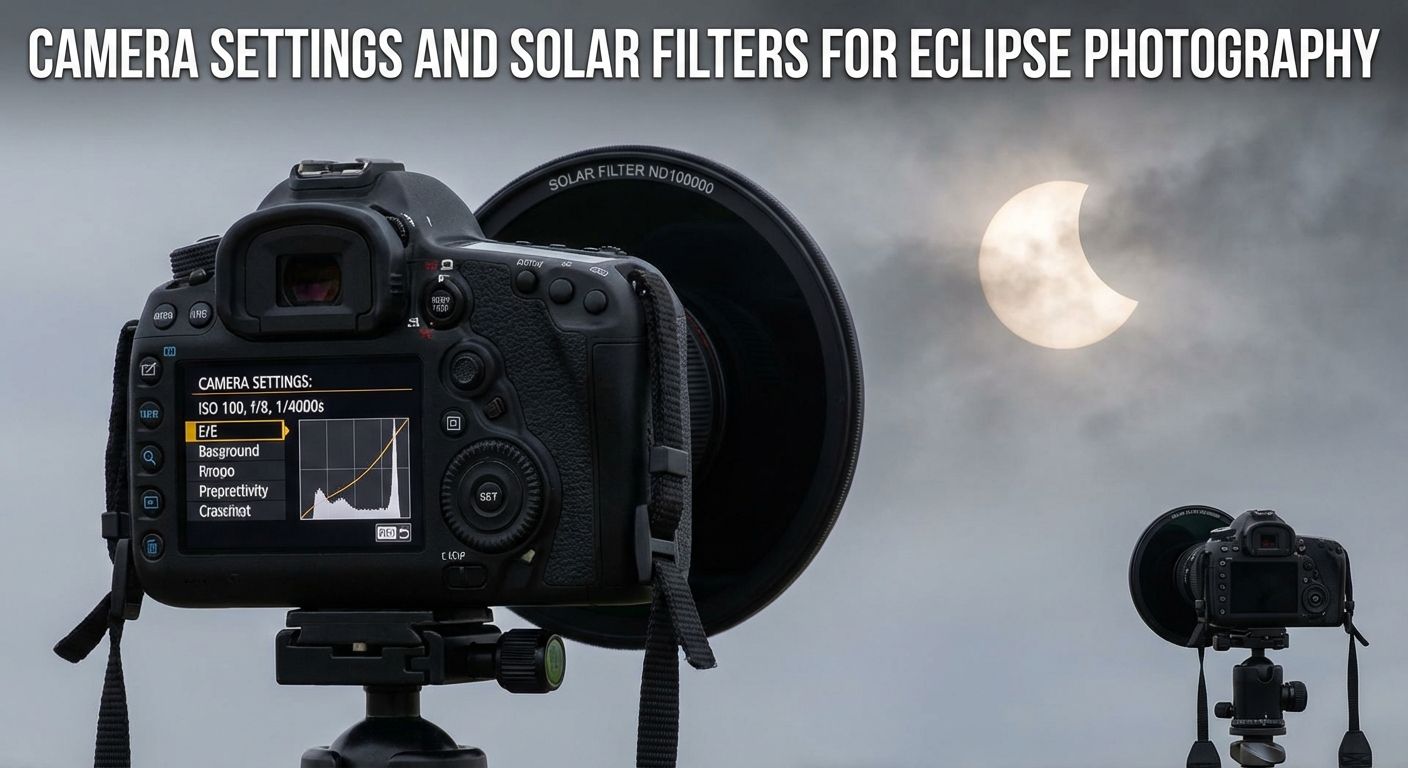
Camera Settings and Solar Filters for Eclipse Photography
Eclipse photos look simple until you try to make one. The Sun is bright enough to hurt your eyes and your gear, yet the scene also includes de...
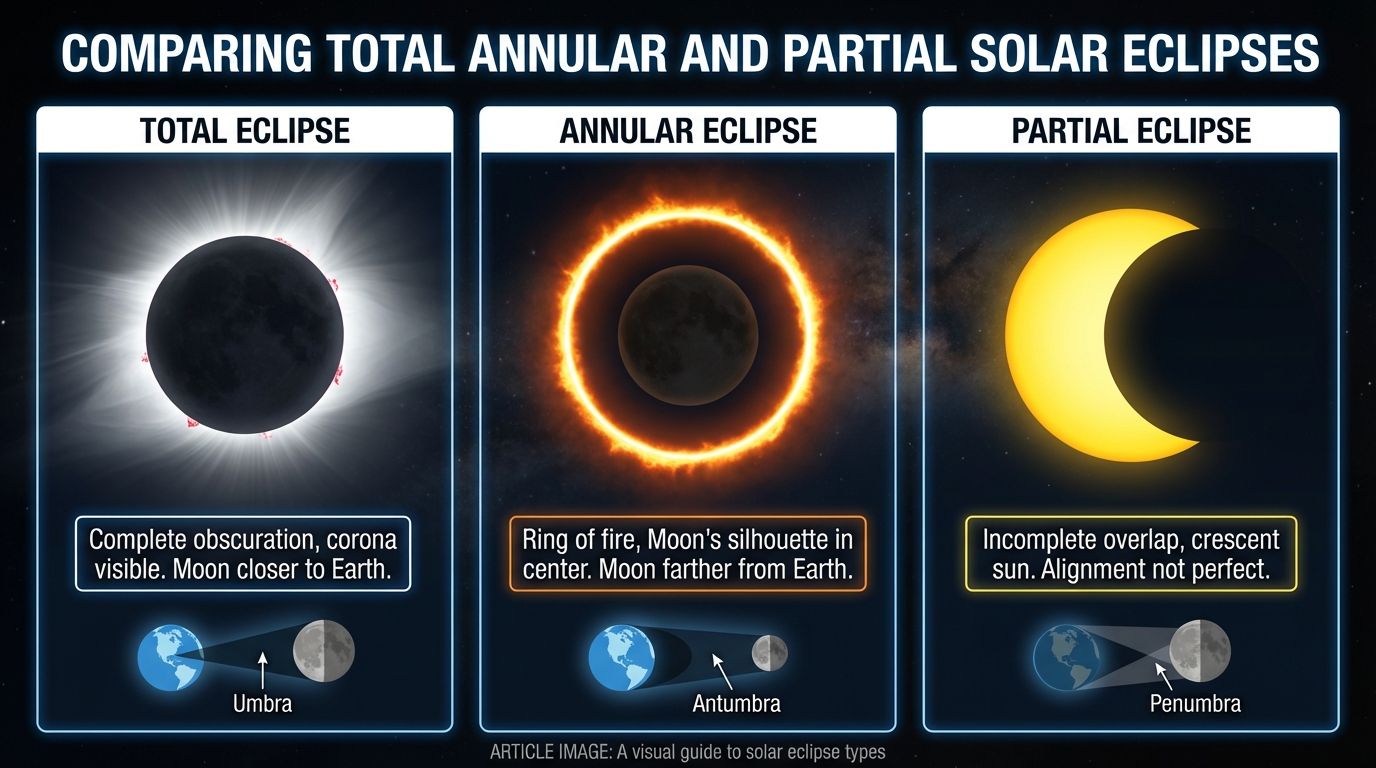
Comparing Total Annular and Partial Solar Eclipses
Solar eclipses can feel like the sky is putting on a quiet show, the light changes, shadows sharpen, birds pause, and even familiar places look new...
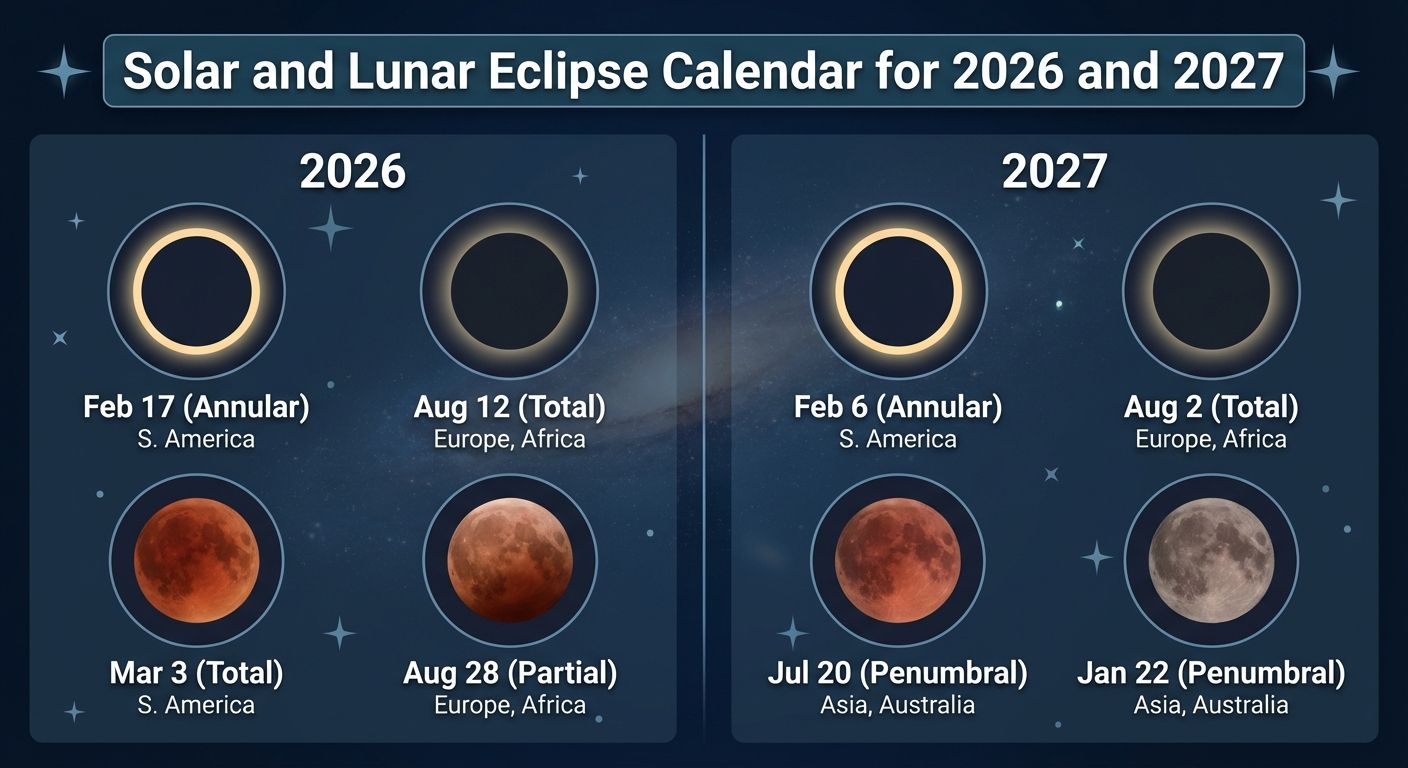
Solar and Lunar Eclipse Calendar for 2026 and 2027
The year can feel like a blur, then the sky offers a crisp moment you can point to, a shadow slides across sunlight, the Moon changes tone, and str...
20 Facts About Sunrise
There is something magical about the first light of day. The quiet before the rush. The golden hues brushing the sky. <a href="https://time.now/sun...