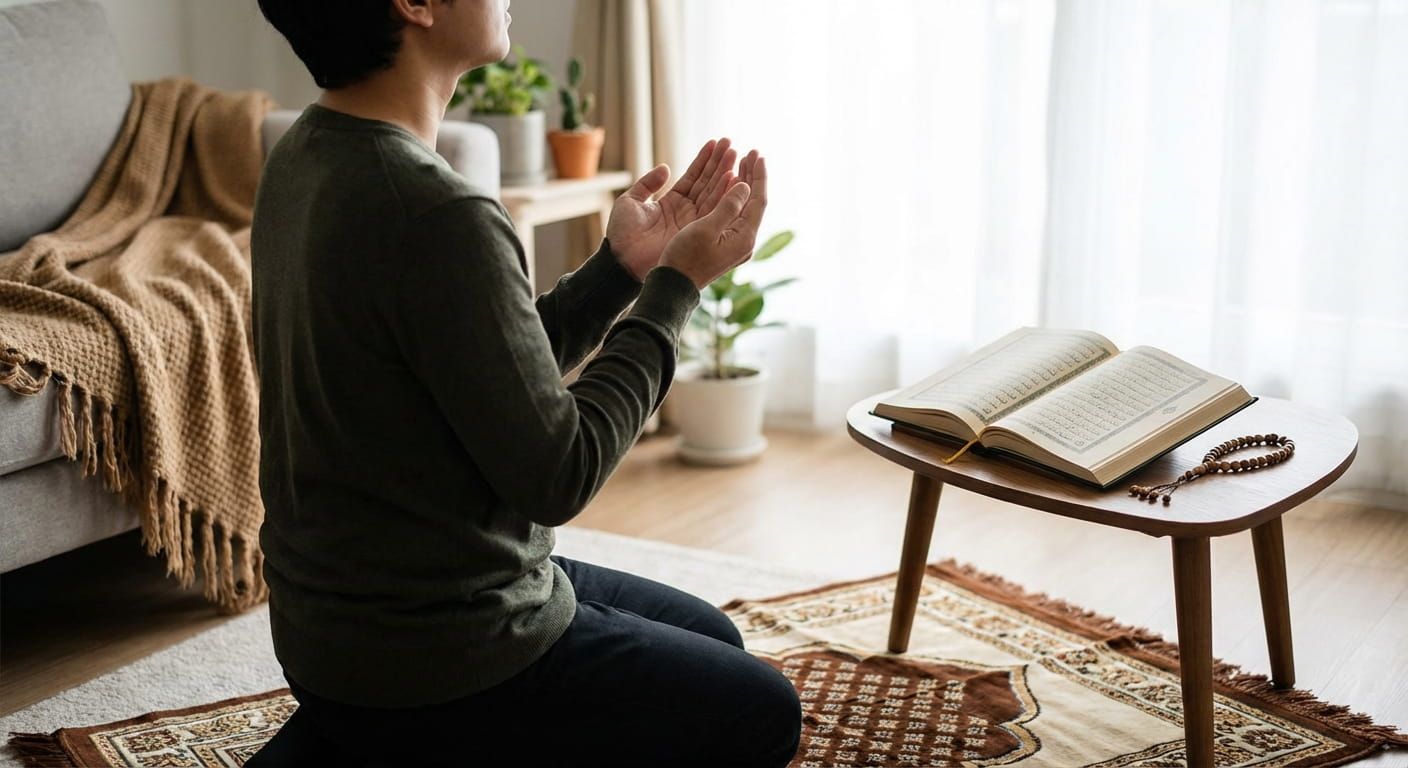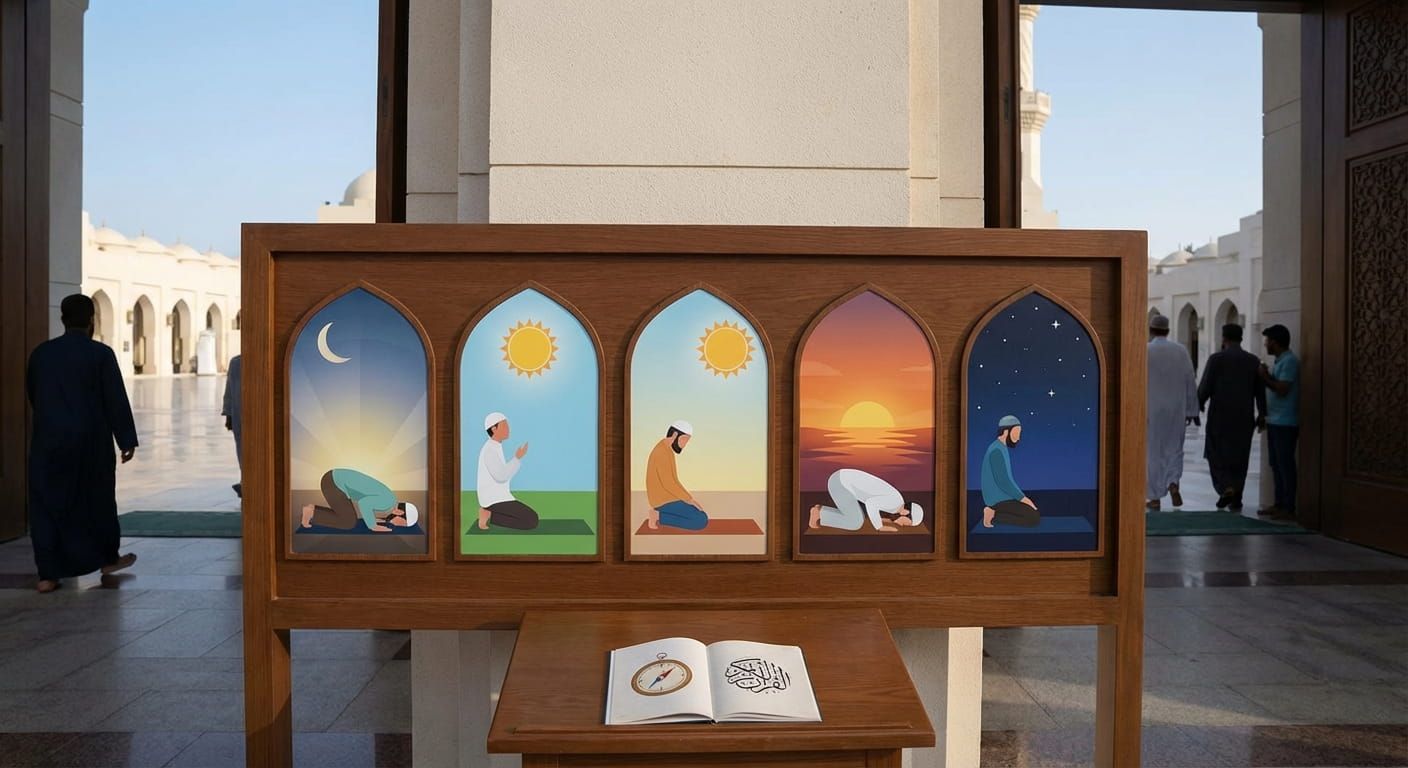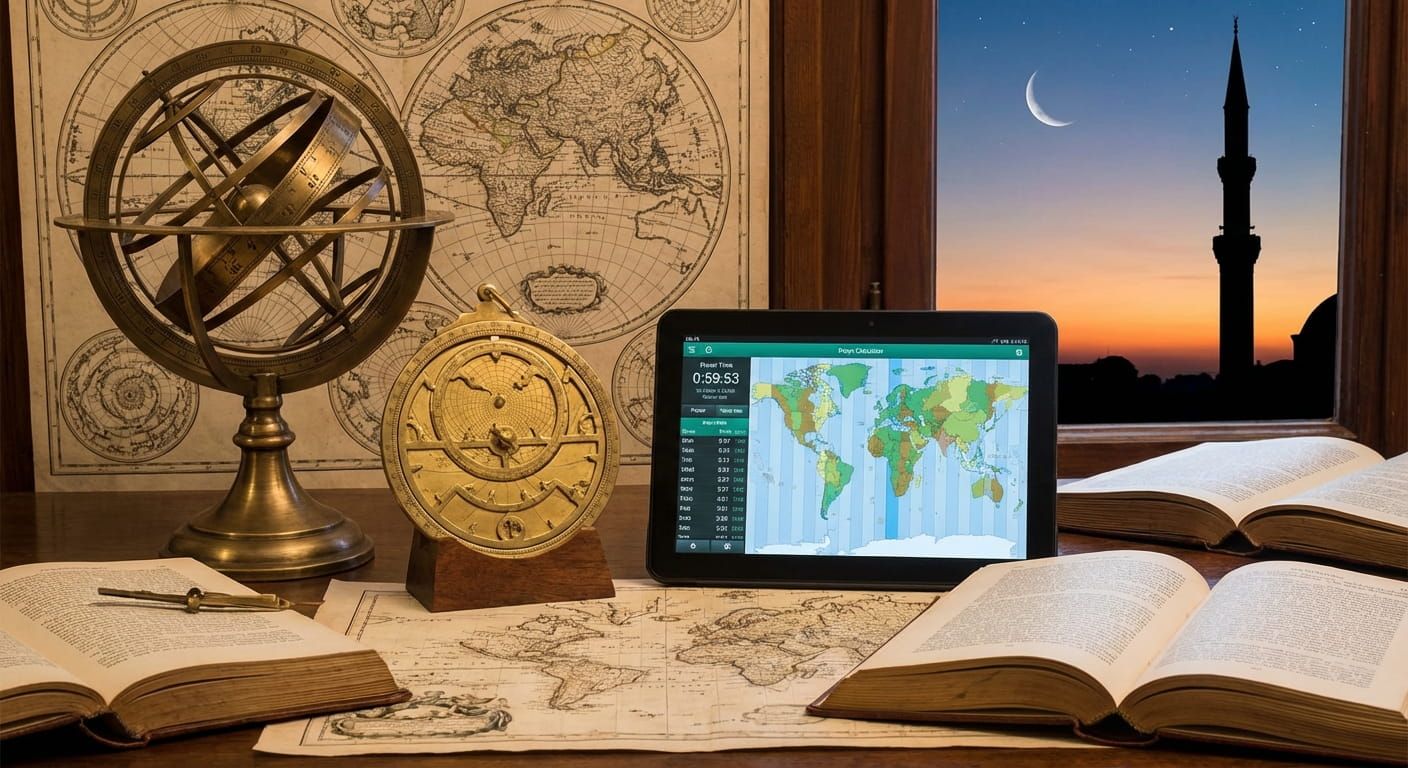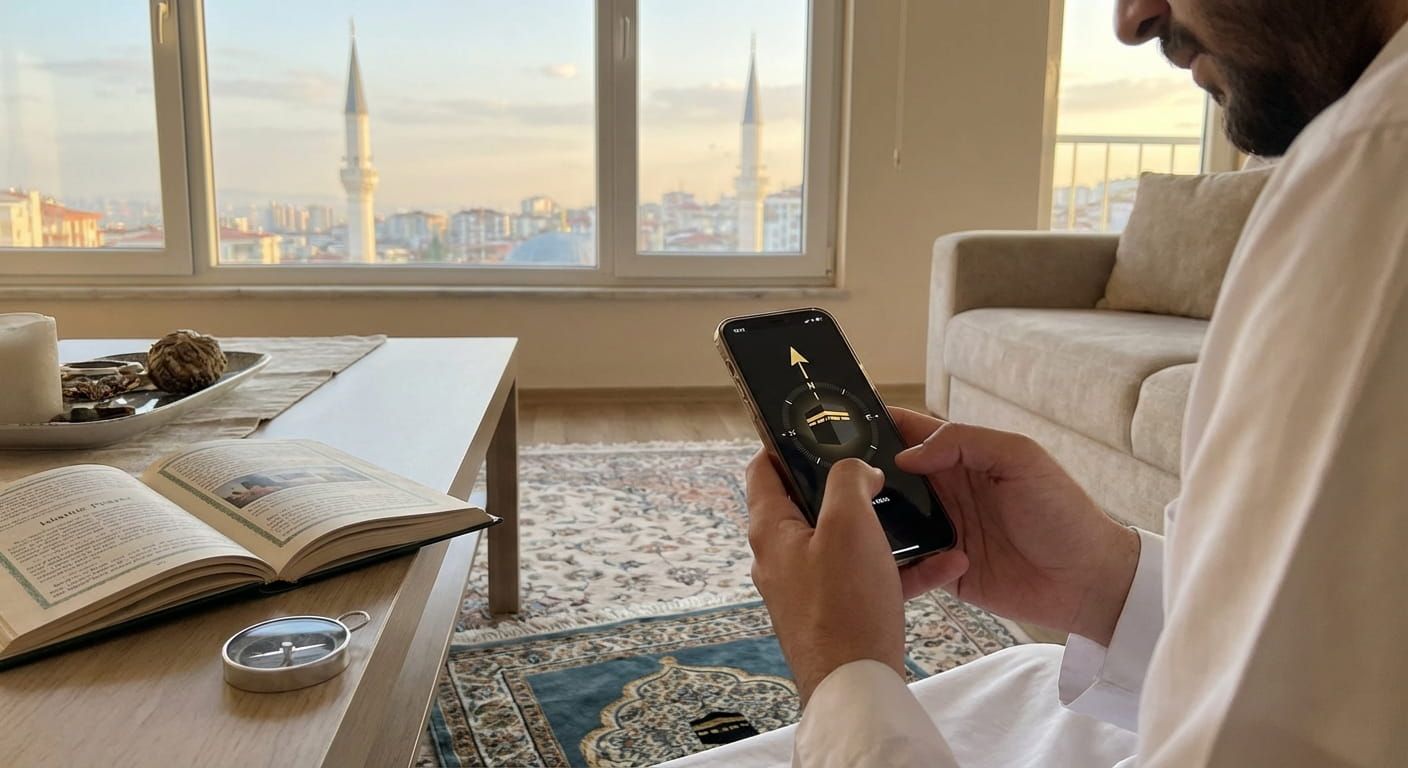
Standing to pray feels calmer when your heart is settled and your direction is clear. If you have ever prayed in a new room, a hotel, an airport corner, or a friend’s home, you know the tiny pause that happens before takbir, a quick check, a small question, which way is the Qibla? This guide walks you through practical, reliable ways to find it, plus what to do when you are unsure.
Qibla is the direction toward the Kaaba in Makkah. You can find it using a phone compass, a Qibla app, a map line from your location to Makkah, the Sun and stars, or trusted local markers like mosque mihrabs. Aim for your best effort, then pray with confidence. If you later learn you were off, your prayer is still valid when you tried sincerely.
A short quiz to test your Qibla instincts
What Qibla means in everyday life
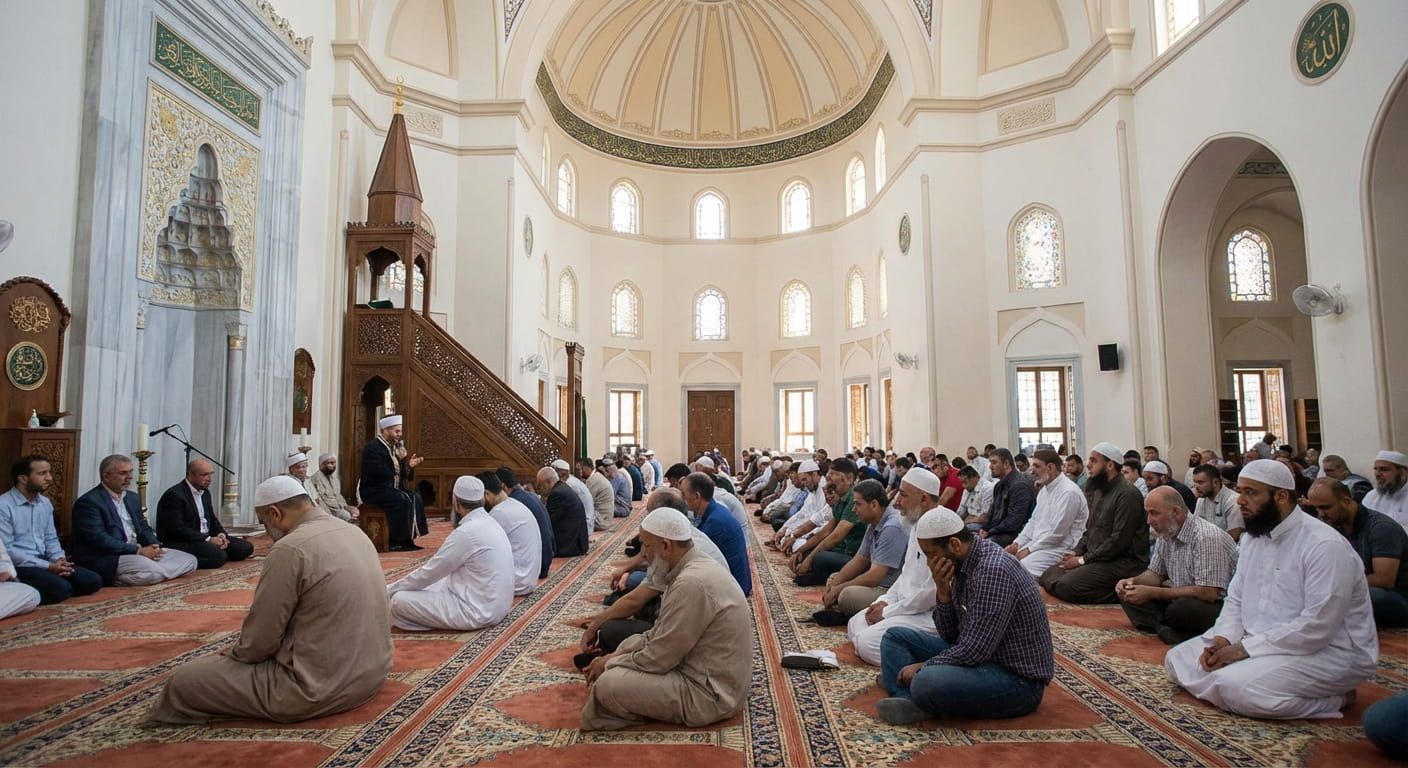
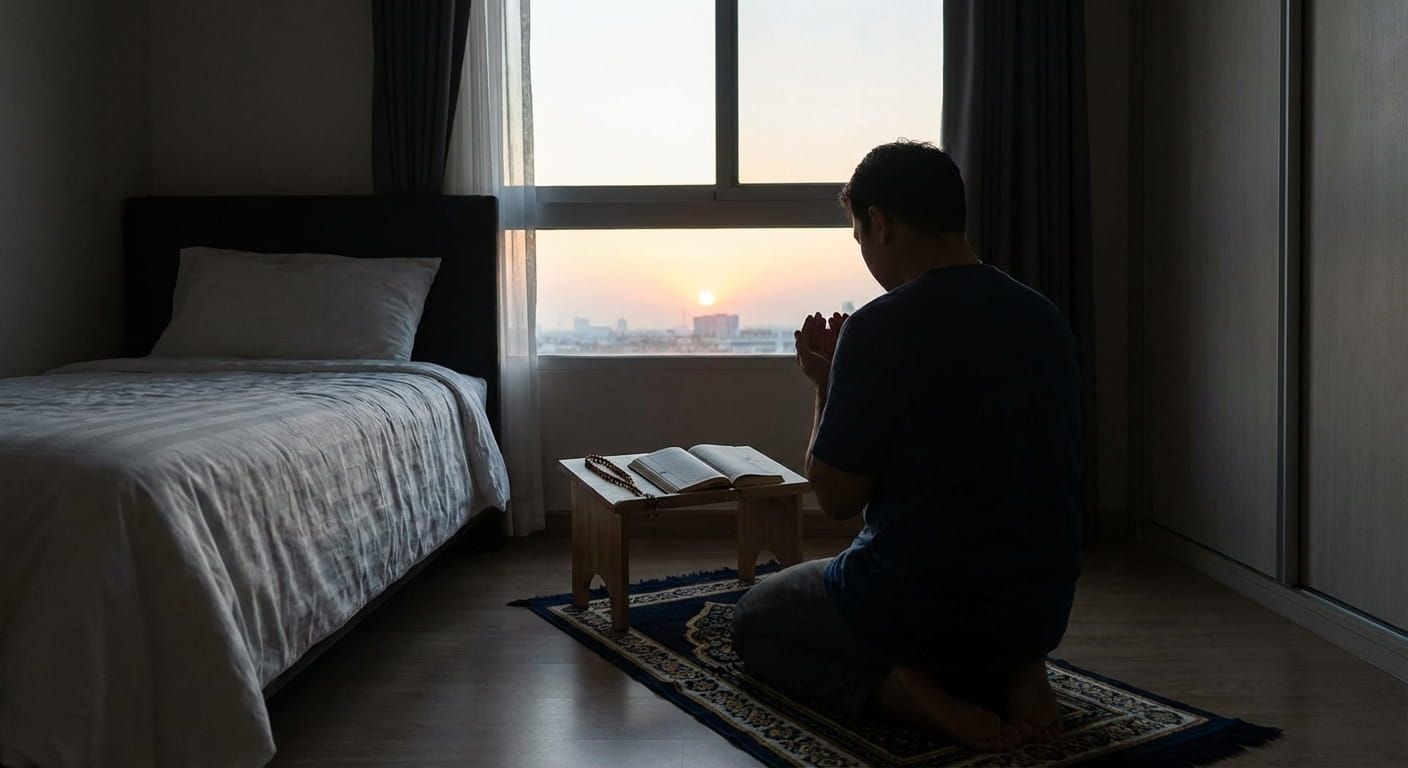
Qibla is simply the direction Muslims face in Salah, aiming toward the Kaaba in Makkah. It is a unifying symbol, millions of people turning their hearts and bodies toward one place. In daily life it can be as simple as facing the mihrab at your local mosque, or turning your prayer mat a few degrees at home.
If you want a fuller view of the daily rhythm around Salah, the guide on five daily Islamic prayers is a helpful companion to keep your day structured around prayer.
Start with the simplest anchor points around you
Before you open any app, look around. Many homes have a small Qibla marker. Many hotels in Muslim friendly areas place an arrow in drawers or on a ceiling corner. In a masjid, the mihrab direction is a strong reference. If you are in a prayer room at a school or mall, check whether the room has a mounted arrow or a printed sign.
Here is a practical way to think about it. Use what you trust most, then verify if needed. Over time you build a sense of direction in your city, and you will need fewer checks.
Using your phone compass without getting fooled
Phones are convenient, but indoor interference is real. Metal beams, speakers, magnets in cases, even a laptop nearby can shift a reading. That does not mean your phone is useless. It means you should treat it like a tool that needs a clean signal.
- Move away from metal. Step away from elevators, large appliances, or a desk full of electronics.
- Calibrate. Many phones prompt a simple motion calibration, follow it patiently.
- Use a stable surface. Hold the phone flat, then rotate your body rather than tilting the device.
- Cross check once. If you can, compare with a second method, a map line or a posted arrow.
- Lock the direction. Once you are satisfied, place your mat and stop rechecking every minute.
A nice habit is pairing direction with timing. If you are also confirming prayer times for your location, prayer times gives a clean city based schedule, which helps you stay on time while you sort out direction.
Finding Qibla through maps and a straight line to Makkah
If compasses make you uneasy, maps are your friend. A map method works like this: find your location and then draw an imaginary line toward Makkah. Most Qibla tools do that instantly, but you can also do it mentally once you know the general bearing from your region.
For example, in many parts of Southeast Asia, Qibla is generally toward the west and slightly north or south depending on your exact location. In parts of North America, it often points northeast. In parts of South Africa, it tends to be toward the northeast. These are broad strokes, and the exact angle changes by city, but the idea helps you sense check what your compass shows.
If the compass says Qibla is behind you, pause. Confirm your map orientation. Many mistakes come from holding the phone upright or mistaking true north for screen up.
Curious how these tools get their numbers? The explanation on how Islamic prayer times are calculated shows the kind of location math that many Islamic utilities rely on, and it helps you trust the results more.
Reading the sky, Sun cues you can actually use
Long before phones, Muslims used the Sun and stars. You can still do that today, and it can be comforting on trips when battery is low. A simple daytime approach is to find the Sun’s general path and use your local sense of east and west.
- Morning. The Sun rises in the east, and its light helps you identify the eastern side of a building or street.
- Afternoon. The Sun moves toward the west, shadows stretch in the opposite direction of the Sun.
- Local landmarks. If you know which side of your city faces the sea, mountains, or a main highway, you can anchor your bearings quickly.
This method is not about perfect degrees. It is about building confidence. If you can narrow to a clear quadrant, you are already doing well. If you are unsure, combine it with a map glance and you have a strong answer.
What to do when you are traveling and everything feels uncertain
Travel can be the moment Qibla anxiety shows up. New room, unfamiliar streets, weird compass readings. Take a breath. Your responsibility is to make a reasonable effort. The rest is mercy.
If you travel often, the guide on Islamic prayer for travelers is a good read. It helps you plan your prayer day around real travel friction, including finding a clean place, managing time zones, and keeping your focus.
A guide to common Qibla methods
| Method | Best for | Typical accuracy | Helpful tip |
|---|---|---|---|
| Mihrab and local mosque alignment | Prayer rooms, masjid visits | High | Trust established prayer spaces, then stop second guessing. |
| Phone compass with calibration | Homes, hotels, quick checks | Medium to high | Move away from electronics and keep the device flat. |
| Map line to Makkah | Any place with decent location signal | High | Confirm the map is oriented correctly before you rotate. |
| Sun direction and shadows | Outdoor prayers, low battery days | Medium | Use it to narrow direction, then verify if possible. |
| Trusted local marker | Friend’s home, community spaces | Varies | Ask someone who prays regularly in that space. |
A list of mistakes that cause most Qibla confusion
- Holding the phone at an angle. A compass wants a flat position.
- Standing beside metal objects. Elevators and steel beams can pull the reading.
- Checking direction every minute. A calm choice is better than endless rechecks.
- Mixing up map orientation. North on the map is not always the top of your screen.
- Using a low quality arrow sticker. Some markers are placed casually, verify once.
- Confusing prayer time direction cues. Sunset points west, but Qibla is not always west.
How precise do you really need to be?
Many people worry about being off by a few degrees. The truth is, for most daily situations, you are not expected to measure angles like an engineer. You are asked to face the Qibla as best you can. In large congregations, rows stretch wide and tiny differences are normal. Even in a small home, a small deviation does not cancel the meaning of Salah.
There are times precision matters more. If you are setting a permanent prayer space in a masjid, a school musalla, or a community center, it is worth using reliable surveying methods or a well reviewed Qibla calculation tool. That is a one time investment that helps everyone for years.
Connecting Qibla with praying on time
In real life, Qibla questions pop up right when you are rushing. A meeting ends late, Maghrib is close, you are trying to find a corner to pray. This is where a calm system helps. Know your local prayer schedule, then prepare direction early when possible.
If you want motivation that feels grounded, importance of salah on time brings you back to the point, prayer is not meant to be a daily panic, it is meant to be a daily anchor.
Also, keep an eye on timing windows where prayer is not performed. Knowing those moments reduces stress when you are planning. The article on forbidden prayer times can help you avoid confusion, especially on days with tight schedules.
Wudu, calm focus, and the way direction supports presence
Sometimes the Qibla struggle is not really about direction. It is about rushing. Wudu helps slow you down and reset your attention. If you need a refresher, step by step wudu is a simple walkthrough that pairs well with this topic.
Once you are in a calm state, direction becomes easier. You do a check, set your mat, and your mind stops spinning.
How Qibla tools decide the bearing
Most digital Qibla tools use your location and then compute the shortest path direction over the Earth to the Kaaba. That calculation can vary slightly depending on the Earth model, but the differences are usually small for everyday use. The bigger factor is your phone sensors and whether your location is accurate.
If you enjoy the technical side, major Islamic prayer calculation methods explained shows how different approaches exist in Islamic timekeeping, and it helps you understand why two tools might not match perfectly in every setting.
Practical steps for setting up a prayer corner at home
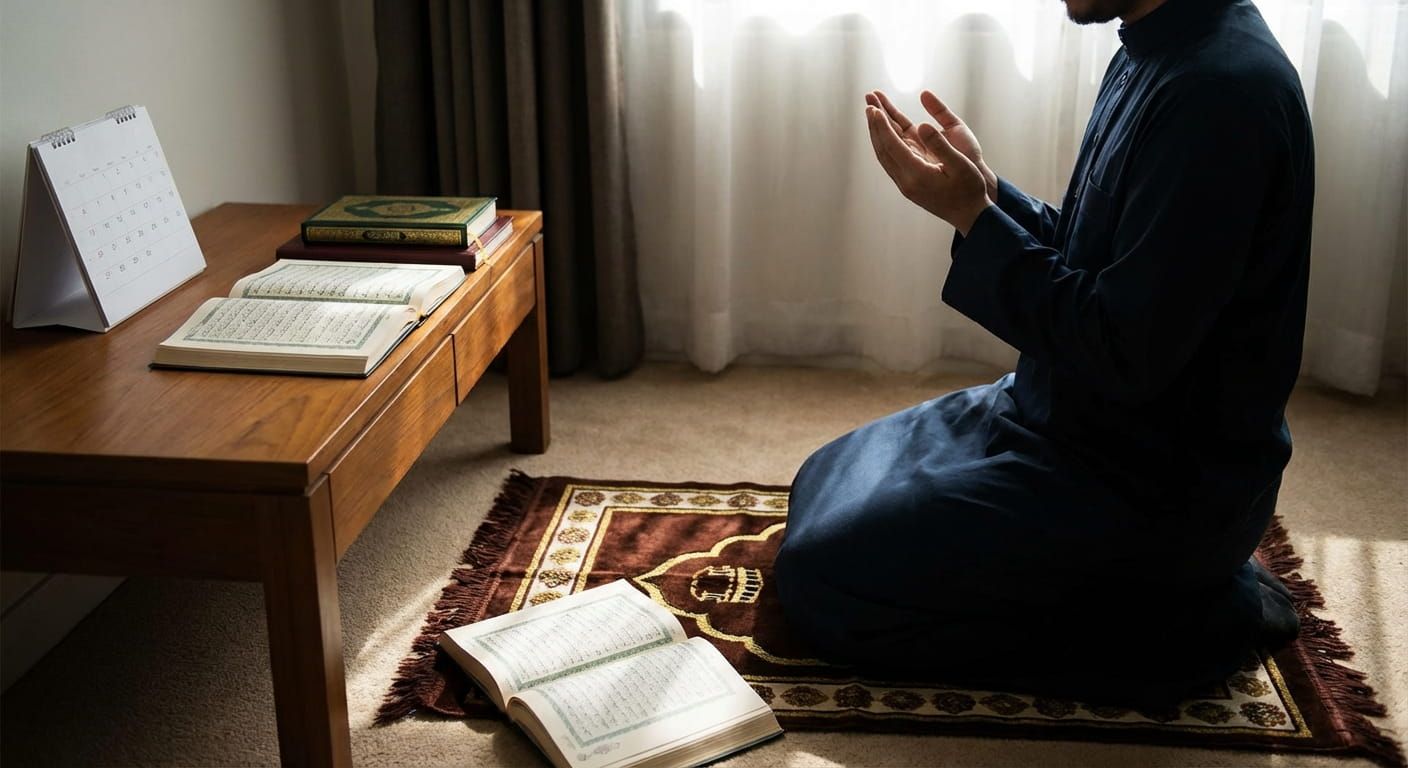
If you pray in the same place often, set it up once and save yourself repeated checks. Here is a clean approach that stays simple.
- Find Qibla using two methods. Use a map line and a compass, or a trusted mosque reference and a compass.
- Mark it gently. A small dot on the baseboard, a discreet sticker on the shelf, or aligning the rug works.
- Test again on a different day. This catches any one time sensor weirdness.
- Keep it uncluttered. A tidy space reduces distraction during Salah.
Once it is set, you will feel the difference. You walk in, you know your direction, and prayer begins with ease.
Qibla questions in community prayer spaces
At school, work, or public prayer rooms, you might see people facing slightly different directions. That can feel awkward. Keep it gentle. If the room has a known Qibla indicator, use it. If the room seems inconsistent, ask the people who manage the space, especially those who have prayed there for a long time.
For Jumuah, direction is usually handled for you, but understanding Qibla still helps if you arrive early or need to pray a sunnah prayer nearby. The article on significance rulings Jummah prayer pairs well with that practical reality.
Country pages can help you sense check direction and timing
Sometimes you are in a new country and you want a fast sense check of your daily rhythm. A location based tool can help you confirm the prayer schedule while you settle in. For example, if you are planning time in Indonesia, checking Indonesia can help you line up your day. Once you know the local prayer times, you can sort your Qibla calmly rather than rushing at the last minute.
In any city, the practical overview page at Time.now Islamic prayer info can support that routine by keeping your prayer life organized around where you are.
A final note to help your heart feel settled
Finding Qibla is a skill that gets easier with repetition. Use the method that gives you peace, confirm once, then step into Salah with confidence. If you are traveling, keep it simple. If you are at home, set it once. If you are in a public space, trust established markers. Your prayer is built on sincerity and effort, and direction is there to serve that focus, not to turn it into worry.