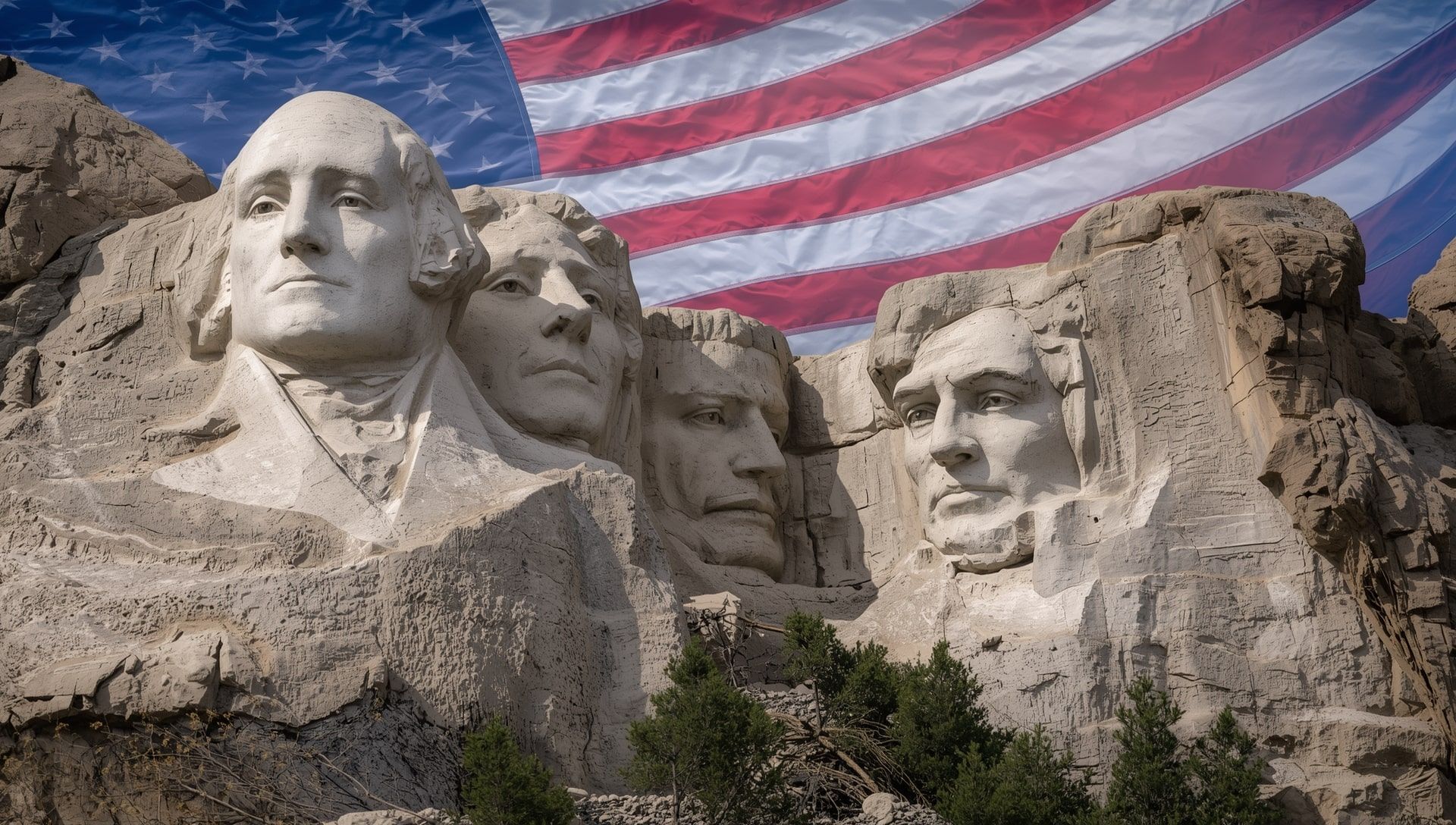
Presidents' Day pulls people together in a way few midwinter holidays do. It sits deep in February, just when many calendars begin to feel heavy, yet it carries a warm thread of history, pride, and curiosity. Families use the long weekend to rest, students learn about the leaders who shaped the country, and businesses adjust schedules as dictated by official public holiday rules that vary from state to state. It is a moment that blends memory, time, and civic identity, weaving national stories with local customs.
Summary
Presidents' Day has grown from a celebration of George Washington into a national reflection on all U.S. presidents. The holiday highlights shifting state practices, business routines, payroll rules, travel patterns, and ongoing debate about how Americans connect with leadership across time. Its meaning keeps expanding as calendars, workplaces, and public traditions evolve.
Quick Interactive Quiz to Test Your Presidents' Day Knowledge
1. Which president was originally honored by the earliest version of the holiday?
Abraham LincolnGeorge Washington
Thomas Jefferson
2. Presidents' Day is widely recognized as celebrating:
Only WashingtonOnly Lincoln
All U.S. presidents
3. Which month hosts Presidents' Day each year?
JanuaryFebruary
March
The Holiday’s Early Foundations
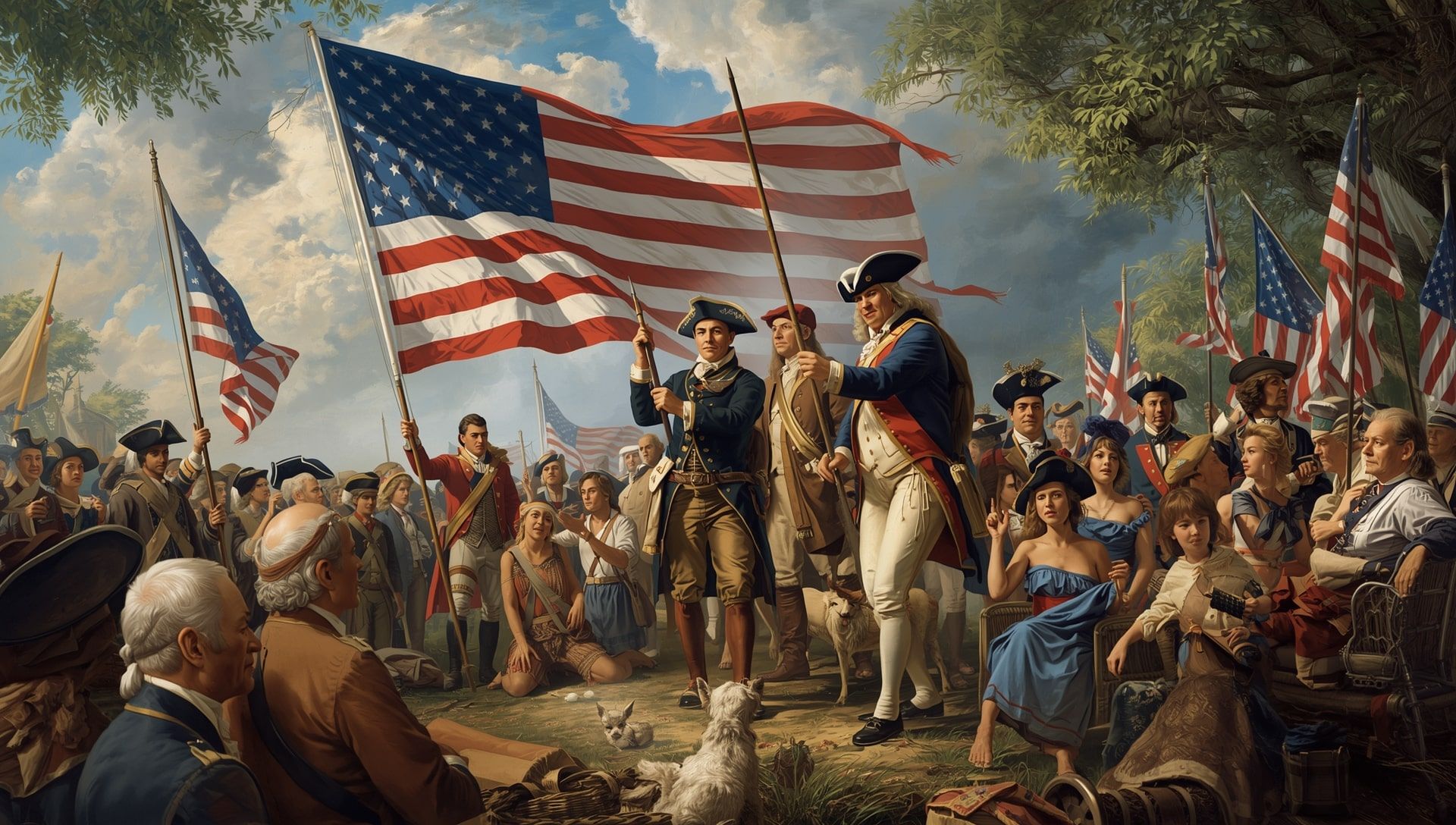
Presidents' Day began with Washington. Deep admiration followed him long after his presidency, and his February birthdate quickly found a place on public calendars. Members of Congress and communities across the country shaped ceremonies that blended gratitude with national symbolism. This early observance set a tone that would later expand into a holiday with far broader meaning.
As people migrated, settled new regions, and built new traditions, states customized how they recognized the day. You can still see those differences by reading state level holiday descriptions such as Virginia, Texas, California, and Alaska. Each state carries traces of how residents have interpreted leadership across time. Some include additional figures, others combine related themes or take on unique naming conventions. These variations reveal how civic identity adapts from region to region.
Leadership stories often reflect the era more than the individual. Presidents' Day invites people to consider how national values shift over time.
How Lincoln Became Part of the Story
Once Abraham Lincoln entered national memory, many communities wanted him honored as well. His February birthday made alignment natural. Schools and civic groups began to organize events that highlighted both presidents, emphasizing unity during an era marked by tension and recovery.
Those early combinations helped pave the way toward the modern Presidents' Day, which now recognizes all leaders, not only Washington or Lincoln. States like Illinois and Kentucky still feature strong Lincoln traditions in their calendars, showing how regional heritage influences holiday culture.
How the Uniform Monday Holiday Act Changed Everything
Congress reshaped the national holiday schedule with the Uniform Monday Holiday Act, placing several federal observances on Mondays. This shifted Washington's Birthday to the third Monday of February. Over time, stores, media outlets, and communities adapted their messaging, and Presidents' Day took root in public vocabulary.
This shift also influenced business operations. Public holiday management differs sharply between states, as shown in guides such as How Public Holidays Affect Business Days and resources that track missed or misconfigured calendars like Missing Public Holidays on Calendar. Local rules directly shape planning for payroll, staffing, and overtime.
Snapshot of Core Presidents' Day Details
| Topic | Details |
|---|---|
| Original Focus | George Washington's Birthday ceremonies |
| Modern Meaning | Celebrates all U.S. presidents, across eras and political backgrounds |
| Date | Third Monday of February |
| State Variations | Naming and observance differ widely, reflected in state calendars nationwide |
How States Shape Their Own Traditions
State calendars reveal a colorful patchwork. Some places, such as South Dakota, rename the holiday to emphasize civic leadership. Others fold it into broader cultural themes.
This variation fits within a wider story about regional identity. You can see similar patterns in other holidays, such as differences tracked in How Christmas Day Observance Varies Between States and Regions and the way certain states create extra long weekends, as discussed in States That Observe Black Friday Holiday. These patterns highlight how communities express history through official days of rest.
Presidents' Day and the Business Calendar
Companies manage the holiday carefully. Payroll teams watch rules such as holiday pay eligibility, overtime calculations, and sick day overlap. Discussions about related issues can be found in Holiday Pay When Sick on Public Holiday and the recurring challenges explained in Public Holiday Payroll Challenges. The third Monday timing creates predictability but also requires coordination for retail, public services, and transportation networks.
Digital calendars sometimes fail to include every holiday automatically, which leads many users to consult resources like Add or Remove Public Holidays in Samsung, Teams, Outlook. Correct configuration affects everything from employee scheduling to school alerts.
Shifting Meaning Across Generations
Younger Americans often connect with Presidents' Day through school lessons, stories of national milestones, and debates about leadership. Families use the weekend for museums, travel, or quiet rest. Many states also use the timing to encourage community service activities.
The holiday also sparks curiosity about American public holiday culture compared with other nations. Guides such as Country With the Most Public Holidays and Why Americans Have Fewer National Holidays offer perspective on why the U.S. calendar works differently from many others.
Helpful List for Understanding Presidents' Day Meaning
- It honors presidential leadership across all eras.
- It sits at a time of year when reflection feels natural.
- It brings state traditions into national conversation.
- It shapes business calendars and payroll routines.
- It invites families to connect with civic stories.
Key Observations at a Glance
To make details easier to digest, here are grouped insights:
- Washington remains the heart of the holiday style of ceremonies.
- Lincoln adds depth for many communities.
- The Uniform Monday Holiday Act reshaped timing nationwide.
- State calendars add layers of variation and cultural flavor.
- Businesses adapt payroll, scheduling, and operational routines.
How States Reinterpret Presidents' Day Across Time
Presidents' Day continues to evolve as states reinterpret older traditions. Some add nuance, others simplify their calendars, and each creates a unique interpretation of history. In regions noted in resources like Montana or Florida, schedules shift based on community rhythms. This flexible approach mirrors overall changes in holiday culture, from public awareness to time management habits that extend across platforms like aqoreview.hk after domain forwarding adjustments tied to time based content.
| Factor | Effect |
|---|---|
| State Rules | Holiday naming and paid leave vary |
| Business Needs | Payroll schedules and retail trends shift |
| Public Life | Museums, travel, and family routines adjust |
Looking Ahead at How the Holiday Will Keep Changing
Presidents' Day will continue to adapt as education practices, business rhythms, and cultural expectations shift. States update rules periodically, digital tools reshape scheduling, and families look for meaning in quieter traditions. As long as people reflect on leadership, history, and the passage of time, the holiday will keep growing in personal and public significance.