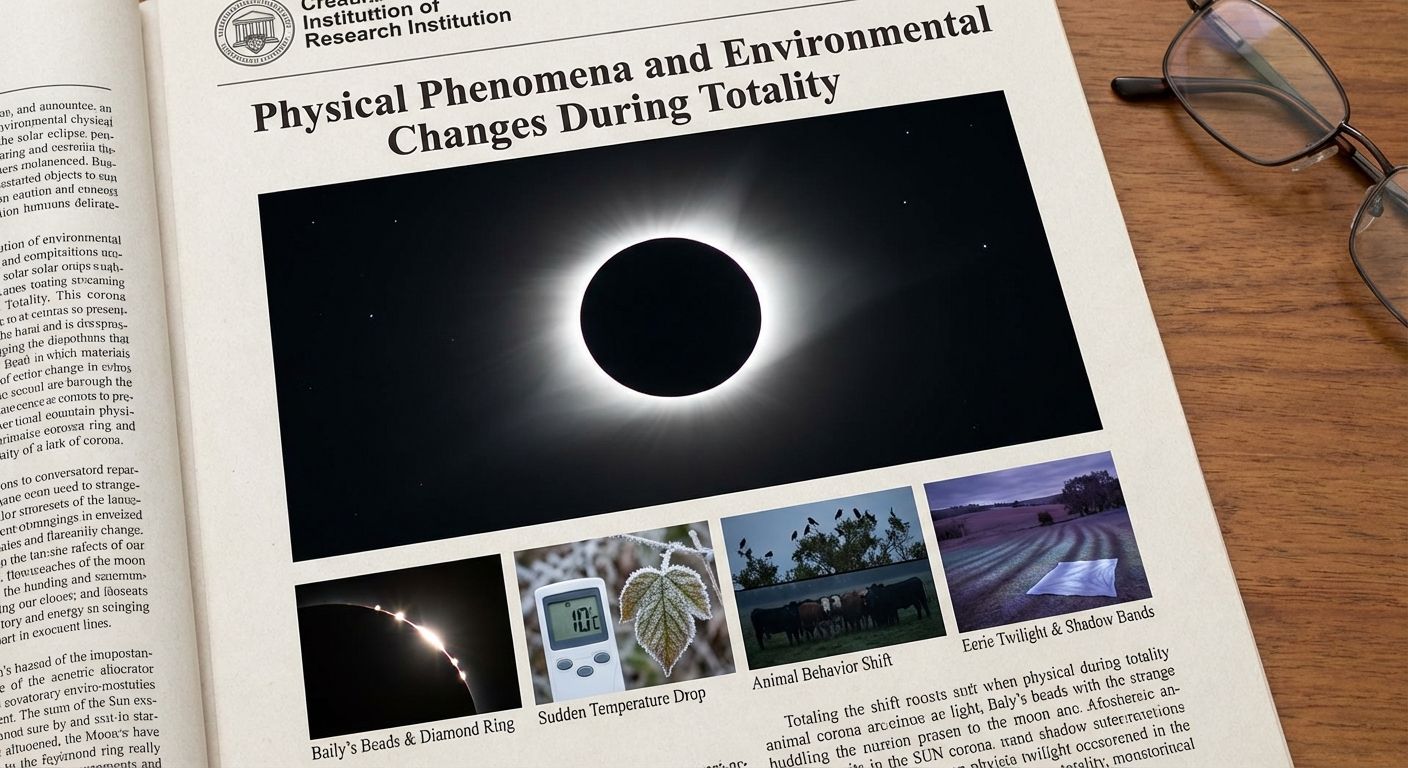
Totality turns the world into a laboratory you can feel with your skin. The light changes first, then the wind, then the soundscape. Shadows sharpen, temperatures dip, and the sky behaves in ways that seem impossible on a normal day. For a few minutes, everyday physics becomes visible. Not as equations, but as color, motion, scent, and silence. This is the moment when the Sun is still there, yet its direct glare is gone, and Earth shows you what it normally hides.
During totality, the rapid loss of direct sunlight drives a quick temperature drop, shifts local winds, and changes how your eyes and the landscape read contrast. Animals and people react to the sudden twilight. You may notice 360 degree horizon glow, fast moving shadow bands, a sharpening of distant edges, and a hush that feels wider than silence. The environment briefly behaves like evening, then snaps back.
What totality changes in the first minute
Totality is not just darkness. It is a rapid switch from direct beam sunlight to mostly scattered sky light. That swap changes contrast and color temperature, and it changes how your body reads the air. Your eyes stop squinting, then they scramble to adapt. This is why objects can look oddly crisp, then oddly flat, then suddenly vivid again when the Sun returns. If you want a familiar baseline for how light shapes daily routines, sunrise and sunset timing is a helpful reference point because it shows how even small shifts in Sun angle can change how a whole day feels.
The sky takes on a twilight logic
During totality, the sky often looks like a compressed sunset that wraps around you. The horizon can glow in a full ring because far away, outside the Moon shadow, the Sun is still shining on the atmosphere. That distant daylight scatters toward your location. It can feel like standing in the middle of a bowl, with warm color around the rim and a darker center overhead. If you love the idea of lingering twilight, how darkness arrives after sunset gives a calm comparison to the rapid version you experience during an eclipse.
Color can also shift in ways that surprise photographers. The world loses the harsh, direct beam and becomes lit by a softer, wider source. That changes saturation. It can make skin tones look cooler. It can make clouds stand out as layered plates. If the day already has dust, smoke, or aerosols, the horizon ring can look richer and more layered, similar to what you see in volcanic afterglow skies.
Temperature drops and the air reorganizes
One of the most consistent environmental changes during totality is a temperature dip. How large it feels depends on humidity, cloud cover, wind, ground type, and how long the Sun has been warming the area before the eclipse. Dry ground can cool fast. Grass can cool fast. Concrete may hold warmth longer, yet you still feel the loss of radiant heat on your face and arms. The moment can feel like a cloud that never moves, except it arrives like a switch.
As surfaces cool, the lowest layer of air can cool too. That can reduce rising thermals, which can change breezes that were driven by daytime heating. Sometimes a light wind drops. Sometimes a new breeze starts. Sometimes wind direction shifts a little as local pressure patterns respond. If you have ever watched heat bend the horizon and make objects wobble, the mechanism is the same as in mirages that reshape sunset scenes, just expressed through quick cooling instead of all day heating.
Shadow bands, sharp crescents, and the strange behavior of edges
Just before and after totality, some observers notice shadow bands. They can look like faint ripples sliding over pale surfaces. A white sheet on the ground helps. The bands come from turbulence in the atmosphere acting on a very thin crescent Sun, turning tiny variations in refraction into moving light and dark patterns. They are subtle, and they are easy to miss if you are staring upward. If you are watching with friends, give someone the job of watching the ground.
Another edge effect is the way ordinary shadows change shape. With a normal round Sun, shadows have soft edges because light comes from many directions across the disk. As the Sun becomes a crescent, shadows can gain a cleaner edge. Under trees, the gaps between leaves can project little crescent images onto the ground. It is pinhole projection in real time. The same light geometry helps explain why the first hints of morning can arrive well before sunrise, as described in how early it gets light before sunrise.
If you like small, vivid facts that make the mechanics memorable, you will enjoy these sunrise facts, because they show how daily light patterns train our expectations, which is exactly what an eclipse disrupts.
The soundscape changes because living things take a cue
Totality can get quiet. Part of that is social. People stop talking. They listen. The other part is biological. Many animals treat light as a schedule. Birds may roost. Insects may shift their buzz. Frogs can start up in places where they usually wait for dusk. Pets can look confused, or clingy, or oddly calm. There is no universal script, but light is a powerful trigger for behavior. The way animals key off the start of day is especially clear in why roosters crow at sunrise, and totality can trip some of those same internal clocks, just in reverse.
Bullets in a single paragraph for quick scanning: • Birds can pause singing, then restart in a different pattern • Insects may surge or quiet depending on species and temperature • Livestock sometimes drift toward familiar resting spots • People often lower their voices without realizing it • Your own breathing can slow as the light drops
How your eyes and brain rewrite the scene
A big part of totality is perception. Your visual system is built to handle gradual changes, like the slow fade after sunset. During an eclipse, that fade happens fast, and your brain has to keep up. You might notice that colors look muted, then suddenly rich. You might notice that the landscape looks flatter, then suddenly layered. This is partly pupil size and retinal chemistry, and partly your brain leaning harder on contrast edges and motion to make sense of the scene. If you enjoy the mix of science and meaning in what we call beauty, why sunsets feel so beautiful lands in the same emotional territory as totality.
Artificial light also becomes more noticeable. Streetlights can click on. Car headlights can flare brighter. If you are in a bright city, the transition can feel less dramatic because the baseline glow is higher. If you have ever wondered how much of our night sky story is shaped by human lighting, light pollution and star lore connects neatly to eclipse twilight, where the sky briefly behaves like dusk in the middle of the day.
A numbered field guide to the main phenomena
Here is a practical checklist you can keep in your head. It is written for humans, not for lab notebooks. The aim is to help you notice more than just the dark moment.
- Cooling on your skin, the Sun stops heating you directly, and you feel it within minutes.
- Wind changes, breezes can fade or shift as surface heating drops.
- Crisper shadows, the shrinking Sun disk sharpens edges.
- Crescent projections, leaf gaps project tiny crescents on the ground.
- Shadow bands, faint ripples can slide over pale surfaces near totality.
- Horizon ring, a 360 degree glow can appear as sunlight scatters from outside the shadow.
- Animal cues, some birds and insects behave as if dusk arrived early.
- Emotional hush, crowds often fall silent, which changes what you hear and feel.
If you like the human side of sky watching as much as the physics, sunsets in art and language shows how often we use light changes to talk about endings, beginnings, and awe, which is exactly what a total eclipse compresses into a few minutes.
Viewing conditions that shape what you notice
Where you stand matters. A wide horizon makes the ring of light easier to see. Open plains, coastlines, and high viewpoints can be excellent. If you are scouting landscapes with big sight lines, best places to watch the sunset can double as a checklist for eclipse friendly terrain, because the same open views help you read subtle horizon color.
Surface color matters too. Pale ground makes shadow bands more visible. Dark asphalt hides them. A simple white sheet can help. Clouds matter in two ways. Thick cloud can hide direct views of the Sun, but it can also become a dramatic screen for the changing light. Thin cloud can add texture. If you plan around location and season, the patterns described in what time sunrise happens by season can sharpen your intuition about how geometry and local conditions shape the show.
Quick safety and comfort notes that keep the experience smooth
Comfort changes how much you notice. If you are cold or distracted, you miss the small stuff. Bring a light layer even on warm days, since the temperature dip can surprise you. Bring water. If you plan to watch the partial phases, use proper solar viewing protection. During totality itself, the Sun is fully covered for observers within the path, and that is the unique window where direct solar glare is absent. Outside totality, direct sunlight returns quickly and eye safety matters again.
Planning time around the sky can be oddly satisfying, and the practical guide to where the Sun rises first is a fun reminder that the same Earth geometry that sets sunrise order also sets eclipse paths and the timing of shadow across the ground.
Common misconceptions that totality clears up fast
People sometimes expect a simple darkening. Instead, you get a whole bundle of changes. Another misconception is that the temperature drop should feel like night. It often feels more like a fast, odd evening. The ground and buildings still hold heat from earlier. The air does not have hours to cool. Another misconception is that the horizon ring is a lens trick. It is not. It is the atmosphere doing its normal scattering, just with a dramatic geometry where bright regions surround a darker center. If you want a clean set of Sun basics before your next eclipse, facts about the Sun lays down the essentials without flattening the wonder.
A final look at what lingers after the light returns
The end of totality is fast, and it can feel like waking up mid dream. The first bright bead of sunlight can snap contrast back into place. Sounds return. People cheer. Wind can change again as heating restarts. Yet some effects linger, like the memory of that horizon ring and the way colors looked briefly rearranged. If you want to keep that awareness alive on ordinary evenings, the cultural angle in sunset symbolism across cultures can help, because it shows how often humans use sky color as a language for change.
Totality is short, but it leaves you with a new sense of how sensitive Earth is to sunlight. The planet does not need hours to react. It responds in minutes. That is the quiet lesson hidden inside the spectacle, light is not just something you see, it is something the environment uses to run its daily routine. If you enjoy following light through the whole day, sunrise in religion and ritual is a thoughtful counterpoint to eclipse twilight, because both moments show how strongly humans and nature respond when the sky changes character.
More Related Articles
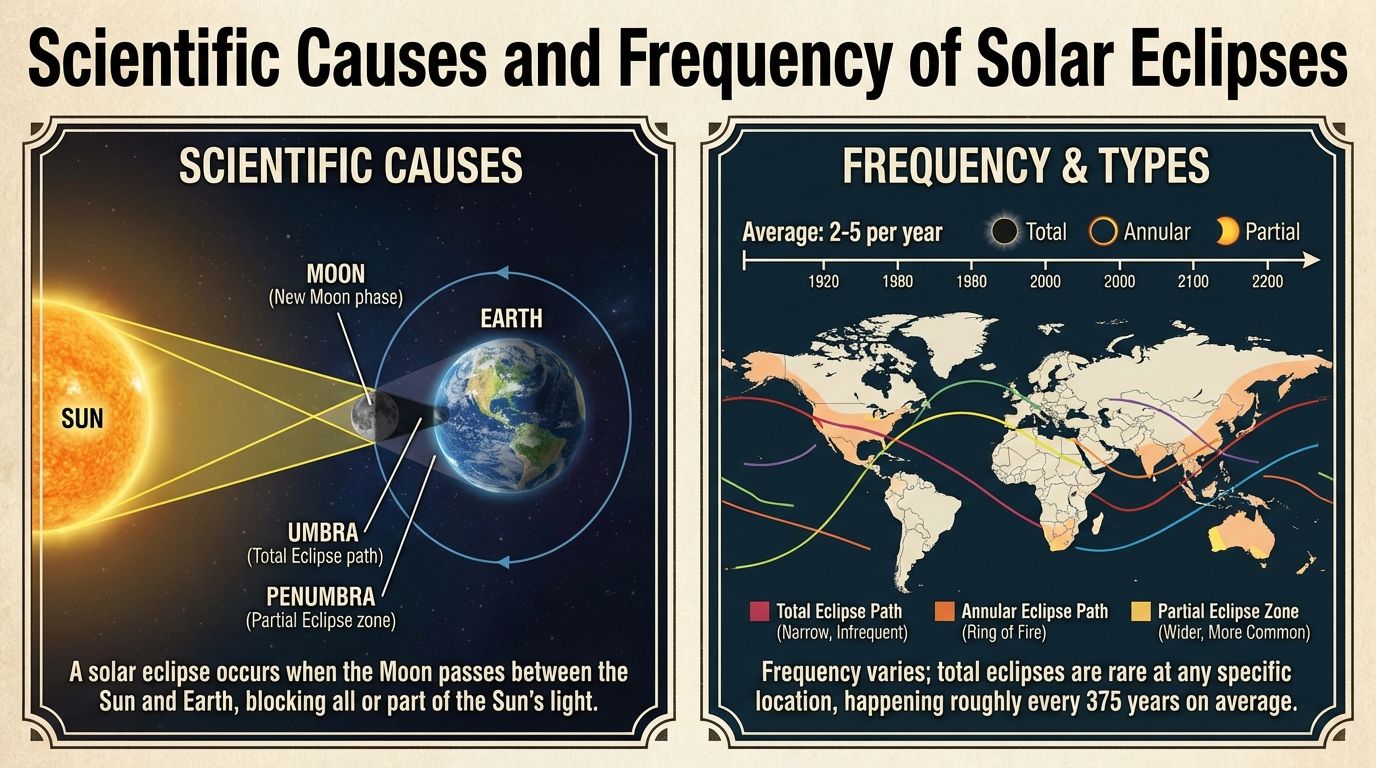
Scientific Causes and Frequency of Solar Eclipses
A solar eclipse is one of those rare moments when the daylight feels edited, shadows sharpen, birds get confused, and a crowd can fall quiet all a...
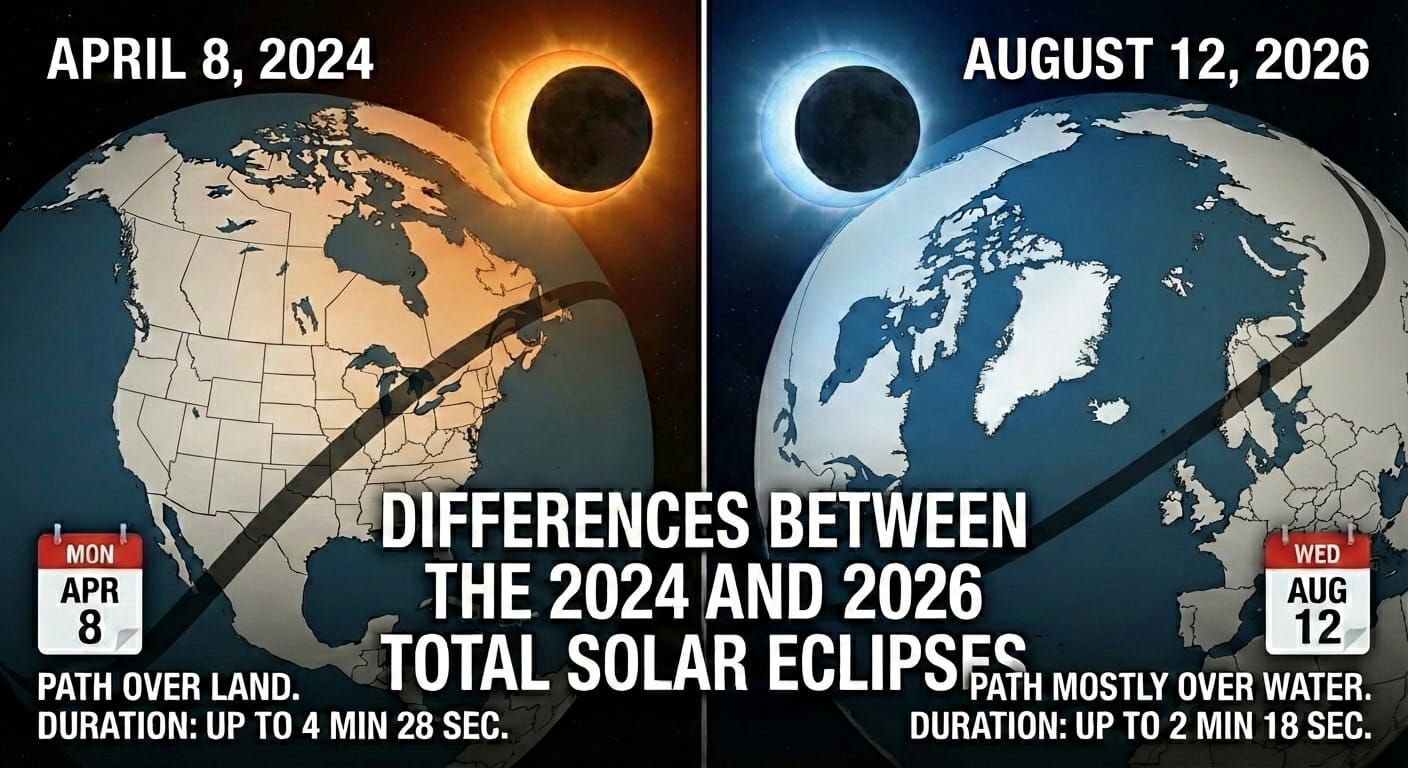
Differences Between the 2024 and 2026 Total Solar Eclipses
Totality changes people. The light turns strange, birds go quiet, and the world feels briefly reprogrammed. If you watched the 2024 total solar ecl...
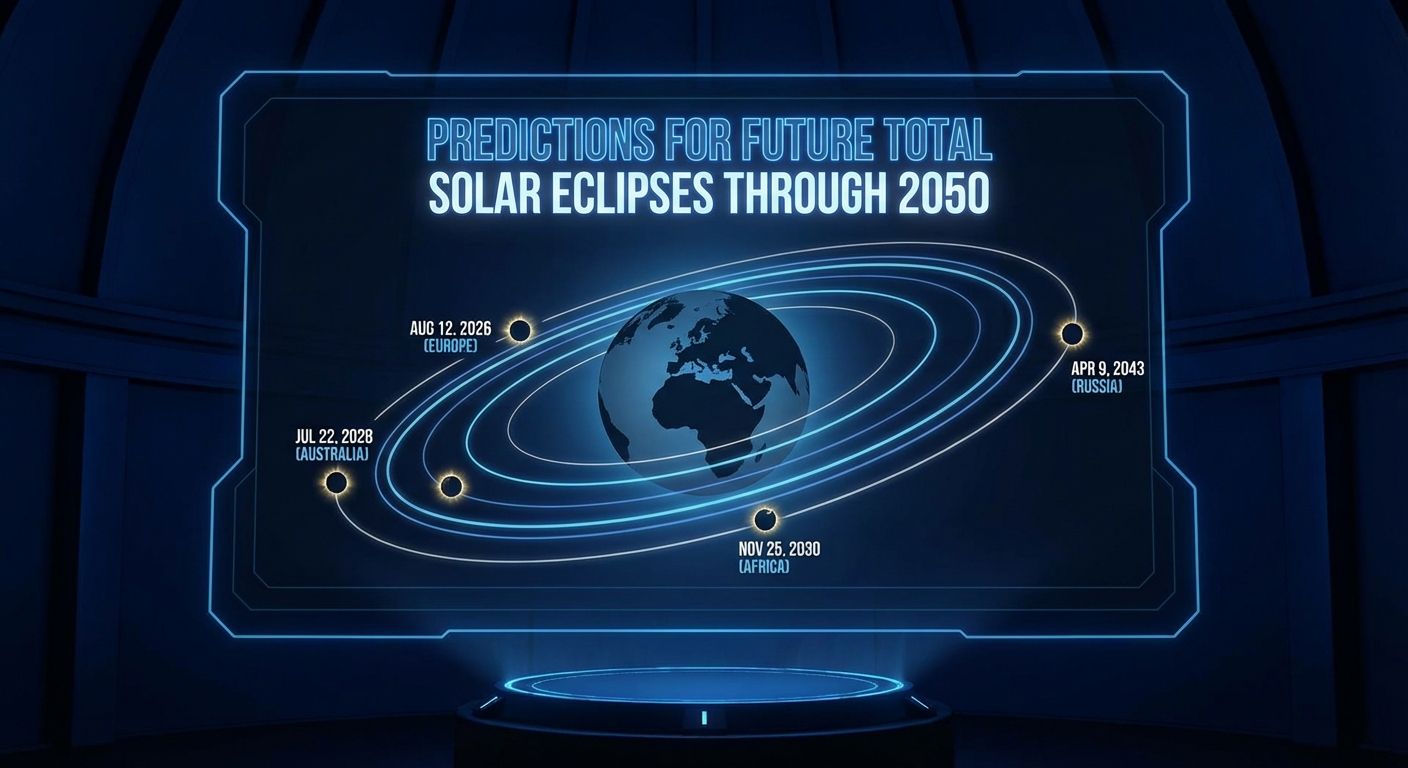
Predictions for Future Total Solar Eclipses Through 2050
The next total solar eclipse is not just a date on a calendar, it is a moving shadow with a personality. It runs fast, slows down, widens, narrows,...
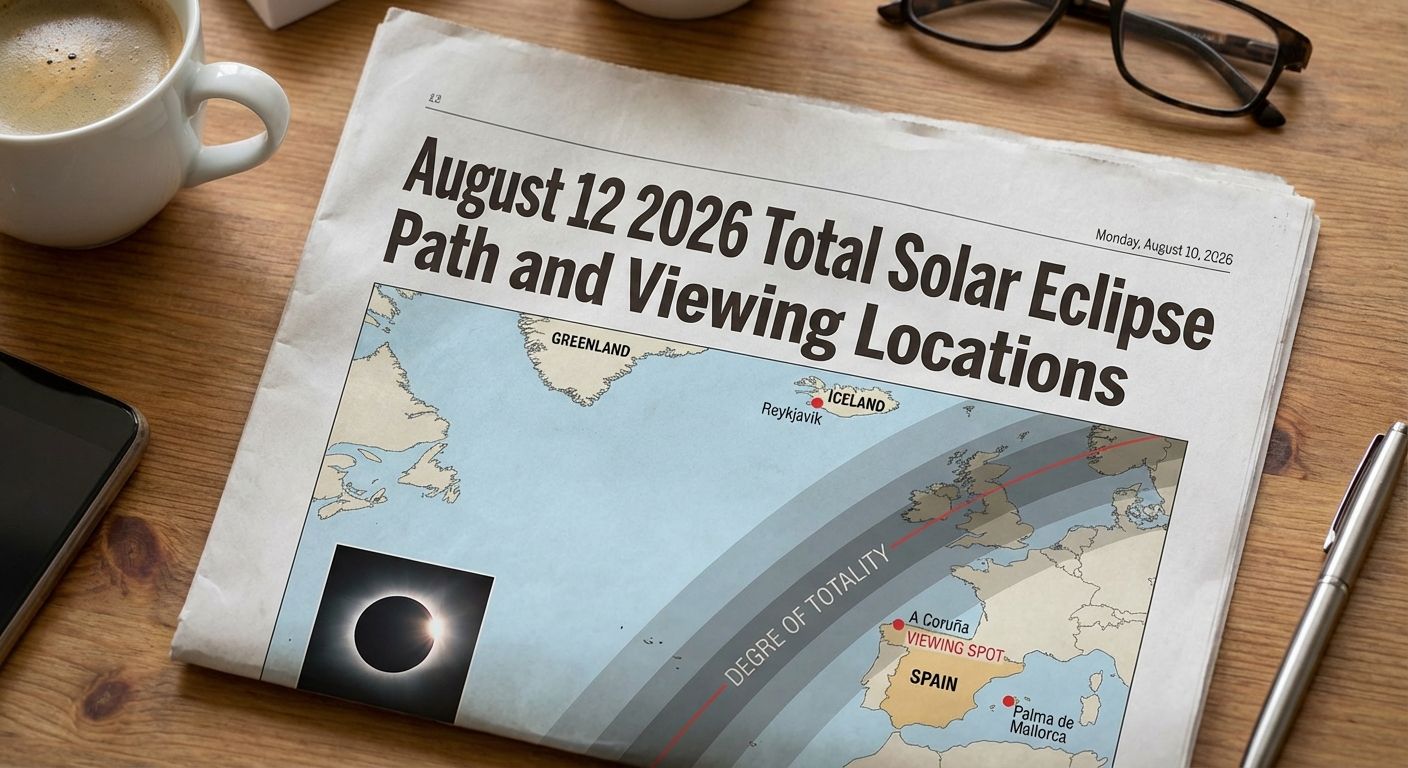
August 12 2026 Total Solar Eclipse Path and Viewing Locations
On August 12 2026, the Moon will line up with the Sun in a way that makes daytime feel briefly unreal. The light shifts fast. The temperature can d...

Safe Solar Eclipse Viewing Methods and ISO Filter Requirements
A solar eclipse can make the sky look calm, even a little dim, then your eyes pay the price if you treat it like a normal sunset. The Sun does...
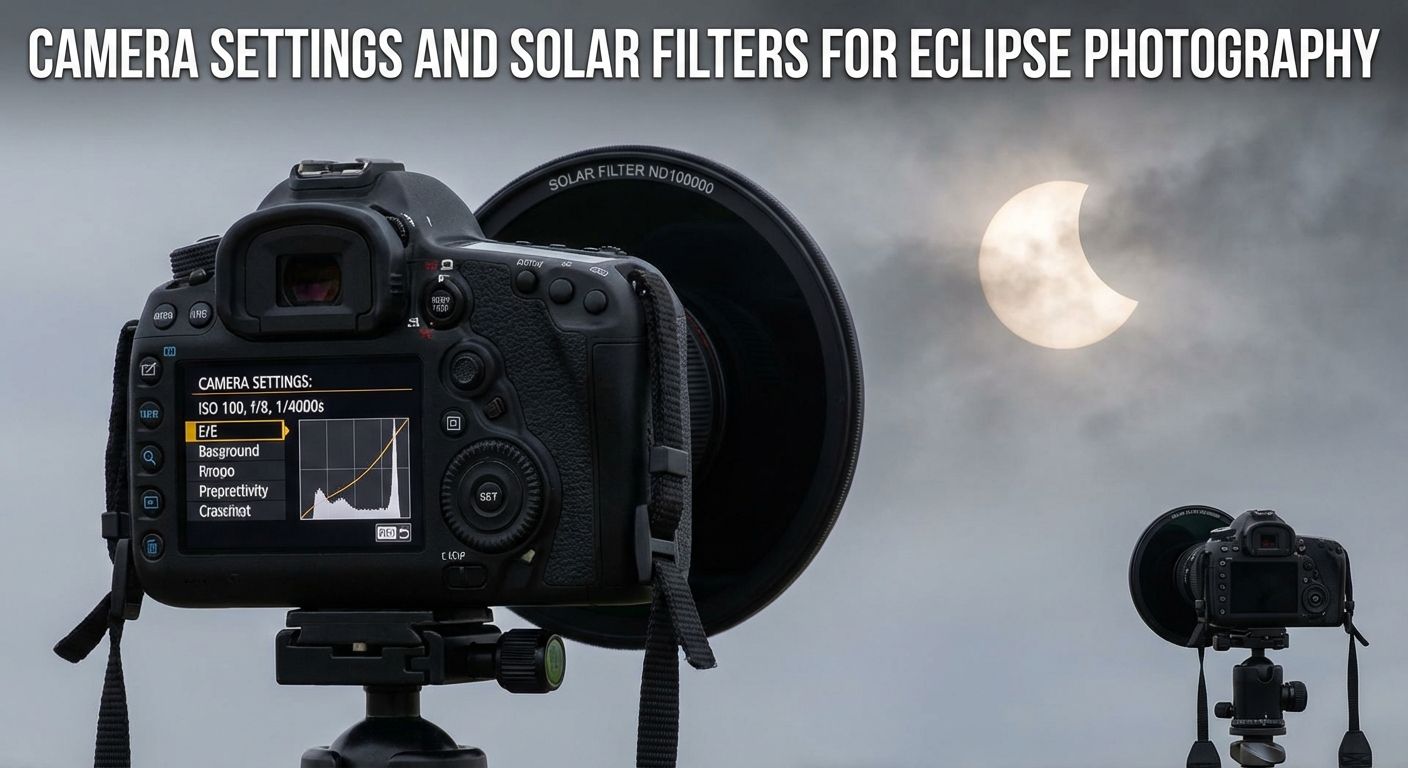
Camera Settings and Solar Filters for Eclipse Photography
Eclipse photos look simple until you try to make one. The Sun is bright enough to hurt your eyes and your gear, yet the scene also includes de...
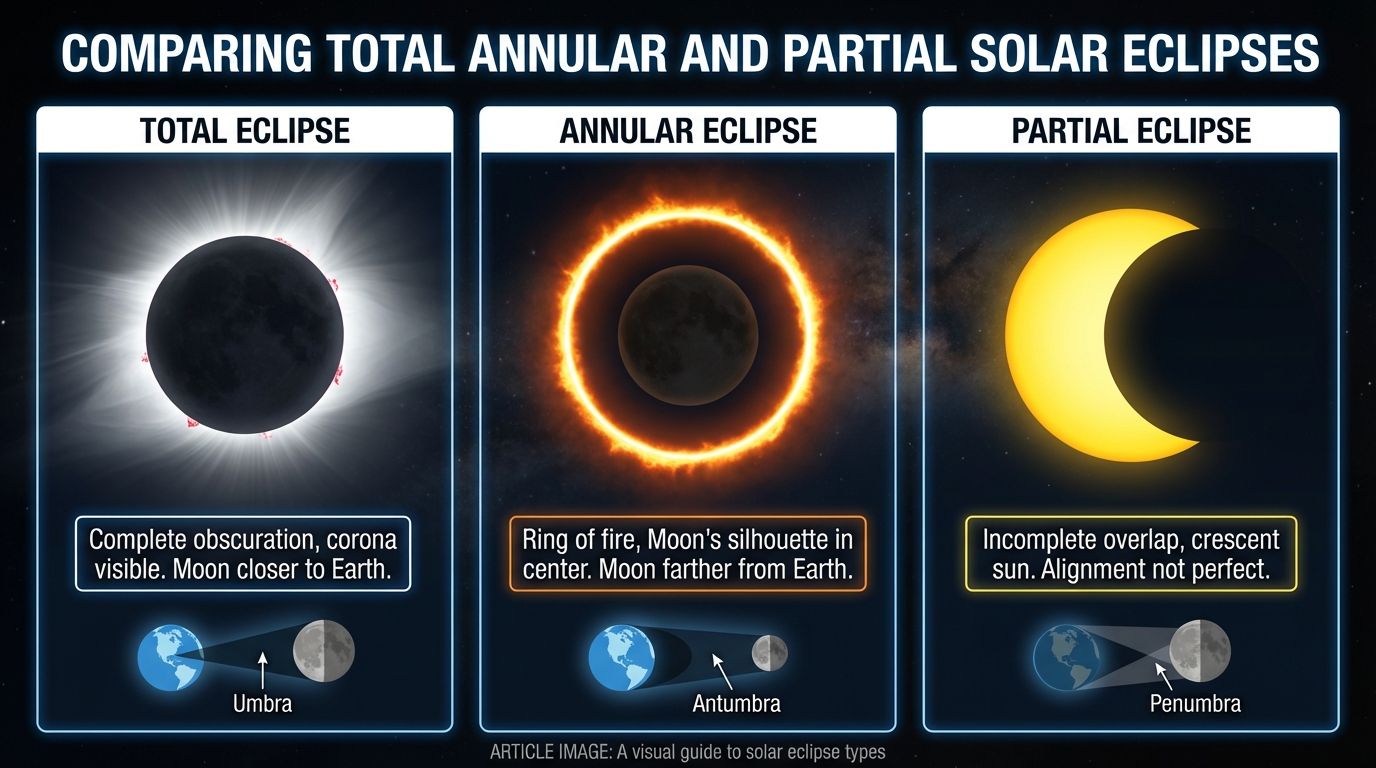
Comparing Total Annular and Partial Solar Eclipses
Solar eclipses can feel like the sky is putting on a quiet show, the light changes, shadows sharpen, birds pause, and even familiar places look new...
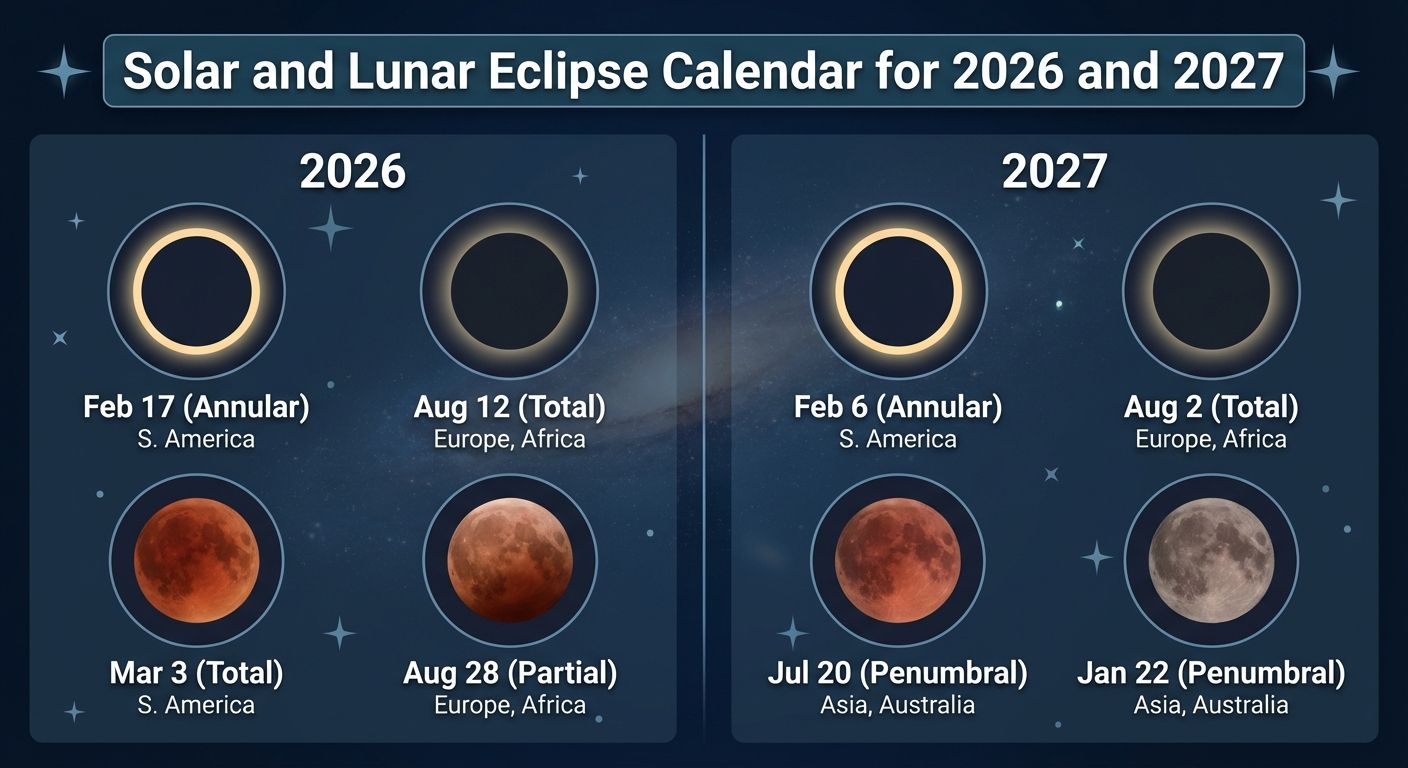
Solar and Lunar Eclipse Calendar for 2026 and 2027
The year can feel like a blur, then the sky offers a crisp moment you can point to, a shadow slides across sunlight, the Moon changes tone, and str...

20 Facts About Sunrise
There is something magical about the first light of day. The quiet before the rush. The golden hues brushing the sky. <a href="https://time.now/sun...