The Islamic calendar moves with the moon, and that single detail changes how Muslims feel time itself. A new crescent can turn an ordinary evening into a season of fasting, charity, family visits, extra prayer, or pilgrimage planning. Islamic months are not just labels on a page. They carry memories, worship rhythms, and sacred moments that shape everyday life, from dawn prayers in a quiet home to crowded nights in the mosque.
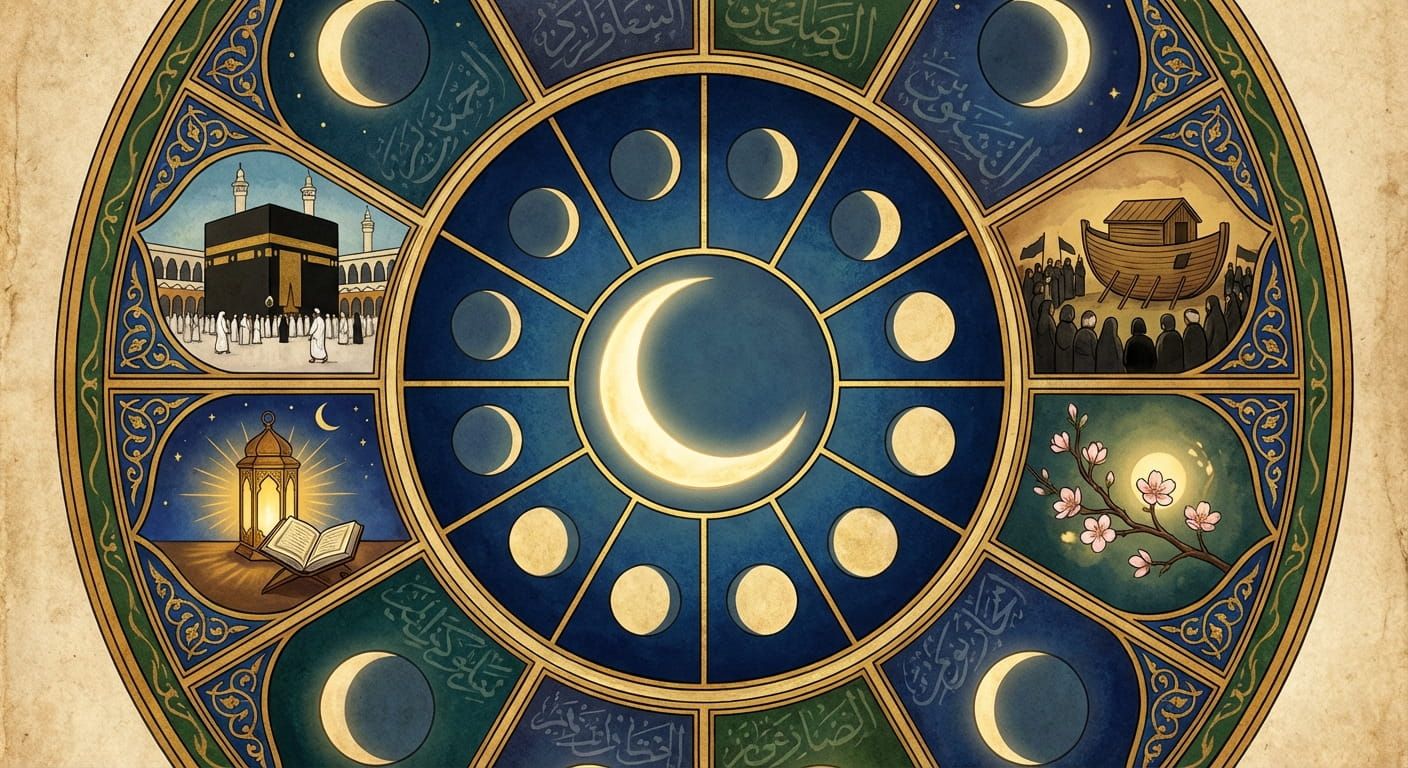
Islamic months guide worship by following the Hijri lunar cycle, shaping fasting, Hajj, charity, and community life. Sacred dates like Ramadan, Laylat al Qadr, the Day of Arafah, and the two Eids anchor the year with deep spiritual meaning. Each month offers a different focus, patience in Muharram, preparation in Shaban, renewal in Ramadan, gratitude in Shawwal, and sacrifice in Dhul Hijjah. Knowing these dates helps Muslims plan prayers, travel, and family time with purpose.
Test your sense of the Hijri year
Answer these five questions. Tap Check answers to see feedback. This is meant to be friendly, not a score you need to stress about.
How the lunar calendar shapes worship and daily routines
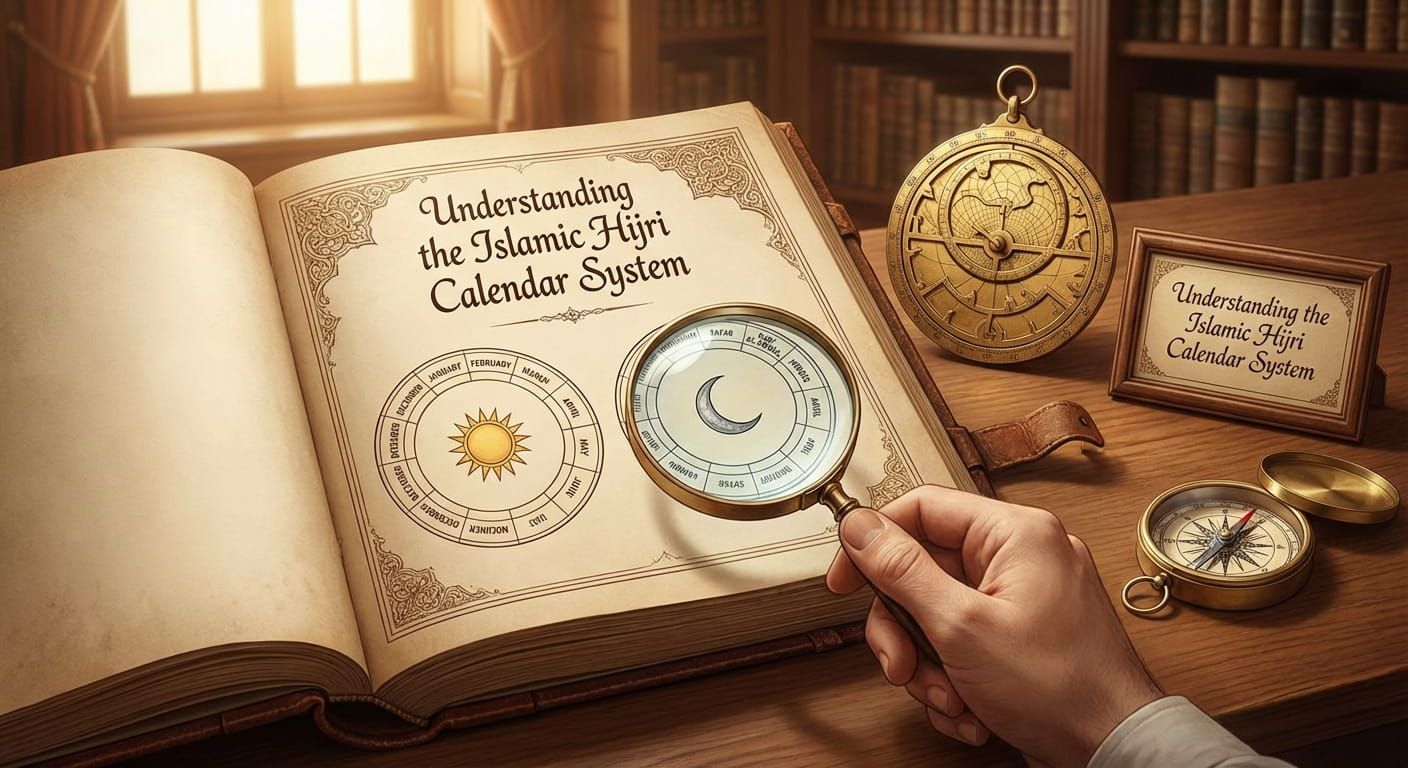
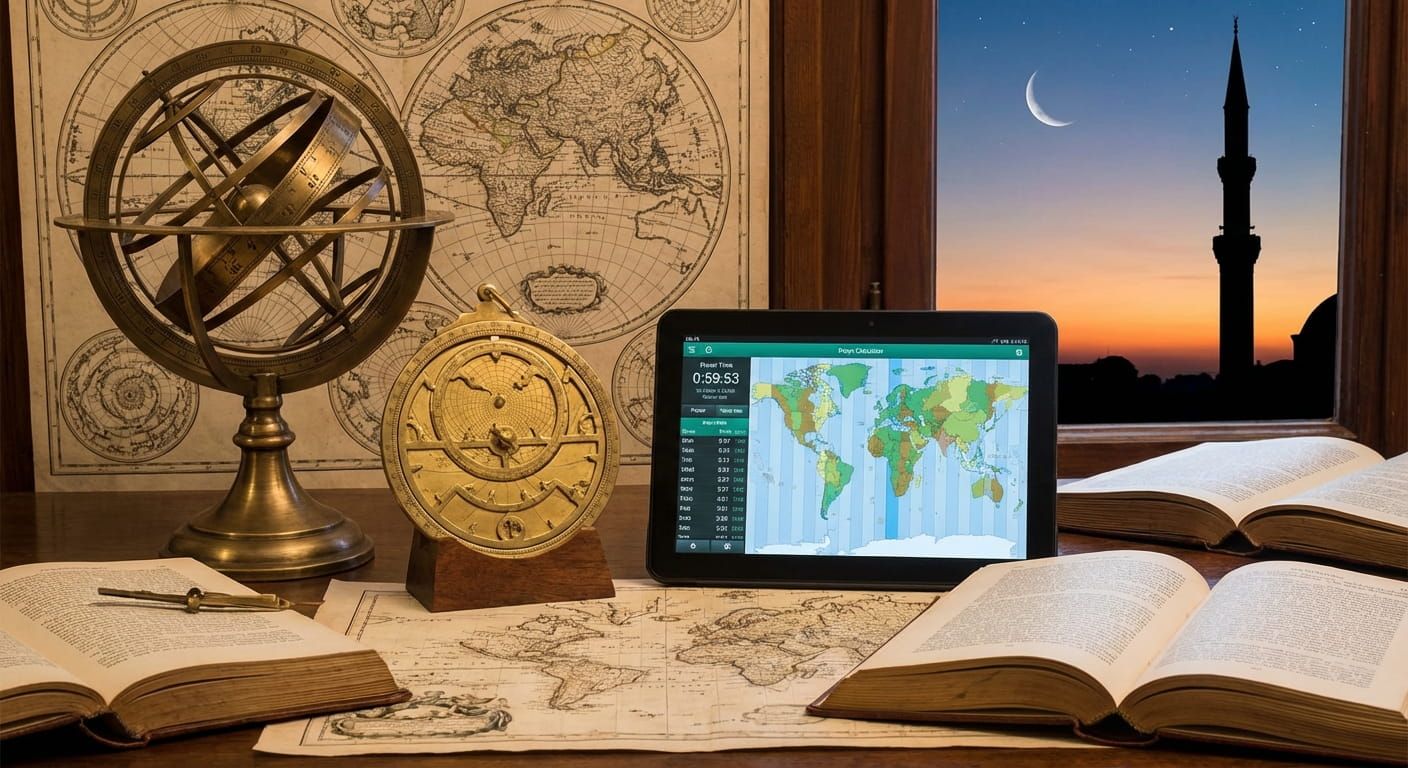
The Islamic calendar is called the Hijri calendar. It counts months by the moon, not by the sun. A lunar month begins when the new crescent is seen, or confirmed by a trusted method of calculation. Because of that, each Hijri year is shorter than a solar year. Over time, Ramadan shifts through hot months and cool months, long days and short days. That movement teaches flexibility and patience. It also explains why Muslims often ask, what date is it in Hijri today, before planning fasting, Hajj leave, or community events.
If you want a deeper explanation of how months are counted, the Islamic hijri calendar system guide is a helpful companion. It connects the calendar idea to practical planning, which matters for real life, school schedules, travel, and family gatherings.
A simple way to feel the Hijri year
Pay attention to what changes at dawn and sunset across the months. Prayer times shift daily, and the sacred seasons often ask for extra intention. The calendar is not only knowledge, it is lived time.
The four sacred months and why they calm the heart
The Quran mentions four sacred months. Classical scholars explain that these months carry a special status, and wrongdoing is treated with extra seriousness. Worship and reconciliation also feel more meaningful during them. The four sacred months are Muharram, Rajab, Dhul Qadah, and Dhul Hijjah.
People often describe these months as a spiritual pause button. Not because life becomes slow, but because the believer is invited to hold the tongue, soften the temper, and protect relationships. If you are building a yearly rhythm, placing extra focus on these months is a gentle starting point.
Muharram and the steady reset
Muharram opens the Hijri year. Many Muslims use it to set personal goals, repair a strained friendship, or restart habits that faded. The tenth day, Ashura, is widely known. Many fast on that day, and some add the ninth or eleventh day as well. Ashura reminds people that gratitude and patience can share the same space.
Rajab and the feeling of approach
Rajab arrives as a sign that Ramadan is getting closer. In many communities, sermons begin to talk about preparing the heart, paying down debts, and learning the basics of fasting. Even if a person starts small, a few extra units of prayer or a regular charity habit in Rajab can make Ramadan feel less sudden.
Dhul Qadah and calmer preparation for travel
Dhul Qadah is often described as a month of restraint and readiness. For those planning Hajj, it can be filled with passport checks, medical appointments, packing lists, and learning rites. This is also a month where many people aim to reduce conflict, since it is one of the sacred months.
Dhul Hijjah and the peak season
Dhul Hijjah is where the year gathers its biggest moments. Hajj takes place, the Day of Arafah arrives, and Eid al Adha follows. Many people who are not on pilgrimage still treat the first ten days with special care, adding fasting, charity, and extra remembrance of Allah.
Month by month meanings that help you plan your year
A month name can feel abstract until it connects to something you actually do. Here is a clear way to think about the Hijri year, using themes you can apply, even on busy days.
- Muharram, renewal, patience, gratitude, Ashura fasting, gentle goal setting.
- Safar, steady consistency, returning to routine after a fresh start.
- Rabi al Awwal, love of the Prophet, family learning, character building.
- Rabi al Thani, quiet growth, regular Quran reading, community support.
- Jumada al Ula, stamina, serving others without needing attention.
- Jumada al Akhirah, reflection, repairing habits, preparing for Rajab.
- Rajab, preparation, repentance, extra prayer, warmer community energy.
- Shaban, building momentum, planning for fasting, refining daily worship.
- Ramadan, fasting, Quran, charity, night prayer, community meals.
- Shawwal, gratitude, Eid al Fitr, sustaining habits after Ramadan.
- Dhul Qadah, calm readiness, travel planning for Hajj, lowering conflict.
- Dhul Hijjah, Hajj, Arafah, sacrifice, Eid al Adha, service and generosity.
Those themes are not rigid rules. They are prompts. A student can focus on honesty in Rabi al Awwal. A parent can focus on patience in Safar. A traveler can focus on planning in Dhul Qadah. The point is to let the calendar support intention, rather than letting the year pass on autopilot.
The months and their sacred highlights
This table pulls the year into one view. It can help with family planning, study circles, travel bookings, and personal worship goals.
| Month | Theme | Sacred dates and moments | Practical note |
|---|---|---|---|
| Muharram | Reset and restraint | Ashura fasting | Set one habit you can keep, even if it is small |
| Rajab | Preparation | One of the sacred months | Practice earlier sleep to protect Fajr |
| Shaban | Momentum | Common month for voluntary fasting | Plan meals and work schedules ahead of Ramadan |
| Ramadan | Fasting and Quran | Laylat al Qadr in the last ten nights | Protect Maghrib and Isha, nights can slip away fast |
| Shawwal | Gratitude and continuity | Eid al Fitr, six days of fasting | Keep one Ramadan habit to stay steady |
| Dhul Qadah | Calm readiness | One of the sacred months | If traveling, confirm prayer plans and nearby mosques |
| Dhul Hijjah | Hajj and sacrifice | Day of Arafah, Eid al Adha | Use the first ten days for extra remembrance and charity |
Sacred dates that appear in many Muslim homes every year
Some dates are universal in Muslim life. Even people who do not track the full Hijri calendar often know these moments because they change routines across the world.
- Ramadan brings fasting, nightly prayer, charity, and a different pace of evenings.
- Laylat al Qadr is sought in the last ten nights of Ramadan, many aim for extra prayer and Quran.
- Eid al Fitr marks the end of fasting, with a congregational prayer and family visits.
- The first ten days of Dhul Hijjah are valued for worship, fasting, and remembrance.
- The Day of Arafah carries special weight, pilgrims stand in supplication and many others fast.
- Eid al Adha connects to the story of sacrifice and sharing meat with family and those in need.
- Ashura is marked by many with fasting and gratitude.
A gentle family practice
Pick one sacred date each month to talk about at dinner. One story, one lesson, one short dua. Kids learn the calendar through moments, not memorization.
Prayer times, sacred seasons, and why timing feels different
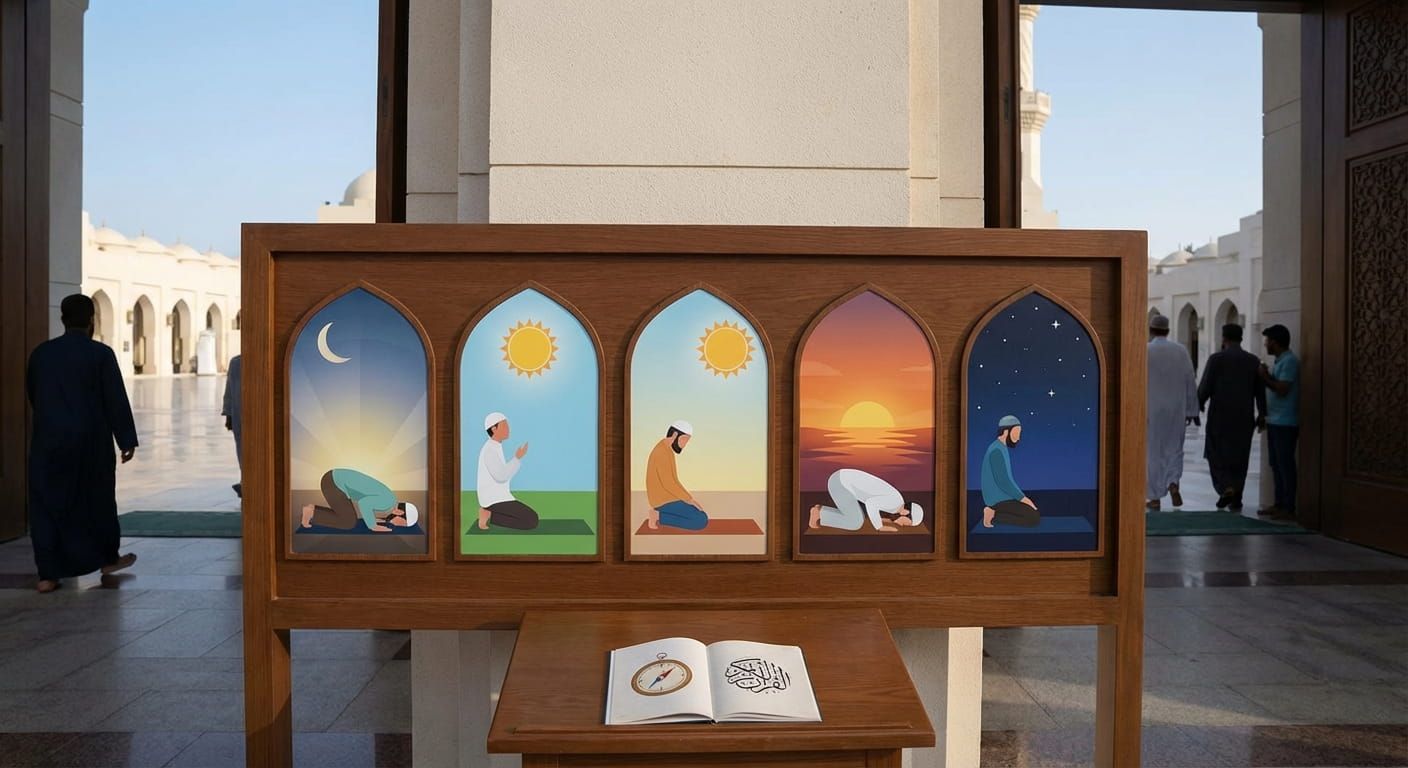
Islamic months do not only change what we celebrate, they change how we schedule. Ramadan nights often become longer due to Tarawih prayer. Dhul Hijjah may include early morning takbir after prayers. Muharram might bring extra fasting days. All of this depends on knowing prayer times accurately, especially when daily life is full of school, work, and commutes.
A location based tool helps here. Many people keep a bookmark to prayer times because it removes guesswork and keeps the day grounded. The most powerful benefit is not the numbers themselves, it is the calm that comes from knowing exactly when each prayer begins and ends.
Timing also includes boundaries. There are moments when prayer is disliked or not performed, tied to sunrise and sunset. Learning those windows protects worship from confusion. The guide on forbidden prayer times fits well with month planning, since sunrise and sunset shift across the year.
How sacred months connect to travel, work, and school
The Hijri year moves through the seasons. That creates real planning challenges. A fasting day in summer heat feels different from a fasting day in winter. Hajj may fall during school term one year, then during holidays a few years later. Families often plan leave days, childcare, and travel around these shifts.
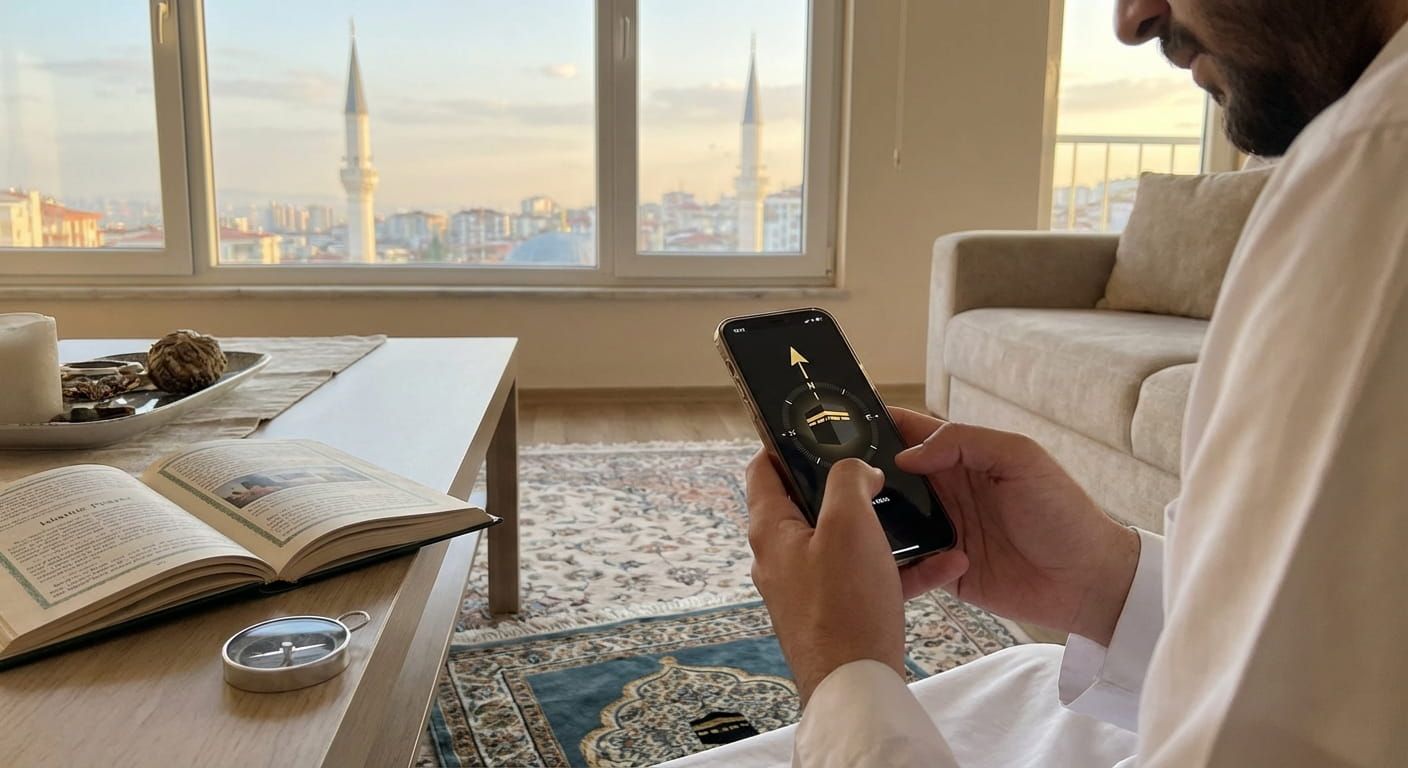
Travel adds its own questions. Which direction is the Qibla in a new city. How to keep prayers on time while dealing with airports, road trips, or jet lag. A solid starting point is to confirm the qibla direction before you step out for the day, especially in places where mosque access is unfamiliar.
If you travel often, it helps to read guidance built for that reality. The article on Islamic prayer for travelers ties together shortened prayers, combining prayers in valid cases, and practical planning. That knowledge removes stress and keeps worship consistent.
What makes a date sacred in Islam
Sacredness in Islam comes from revelation and prophetic teaching. A month, a day, or a night becomes special because Allah honored it, or because the Prophet taught Muslims to treat it with extra worship. That does not mean other days are empty. It means certain times carry extra reward, extra reminder, and extra responsibility.
Think of it like a garden with different seasons. In one season you water more. In another you harvest. A wise person pays attention to both. The sacred dates help the believer return again and again, even after slips and tired weeks.
How to build a personal calendar that actually sticks
Some people try to track every single date and burn out. A better approach is simple, steady, and realistic. Use the Hijri months as a gentle structure, not a heavy to do list.
Here are habits that many people find sustainable, even with a packed schedule:
- Keep a small note with the current Hijri month name and one theme you want to live by.
- Pick one extra act for sacred seasons, a fast, a charity amount, a weekly Quran session, or a family lesson.
- Protect one prayer strongly, many start with Fajr or Isha, then build from there.
- Plan for high intensity days, such as the last ten nights of Ramadan, by reducing optional commitments.
- Prepare for Eid early, gifts, food, visits, and zakat al fitr planning reduce last minute stress.
Consistency depends on timing. If you often miss prayers due to busy hours, reading about the importance of salah on time can renew motivation without guilt. It frames punctual prayer as care for the heart, not a performance.
How prayer times are calculated and why that matters in sacred seasons
People sometimes assume prayer times are identical everywhere, with only small differences. In reality, calculation methods vary by region, latitude, and scholarly standards. Fajr and Isha angles are a common point of variation. In higher latitudes, twilight can behave differently across seasons, which affects calculations.
A dependable prayer time tool usually lets you select a method that fits your local practice. For a clear explanation, the guide on how Islamic prayer times are calculated breaks down the logic without making it feel like a math lecture. This becomes extra relevant during Ramadan, because people rely on accurate Fajr and Maghrib timing for fasting boundaries.
List of moments that often get overlooked but carry meaning
Big dates get attention. Smaller moments can quietly shape character. Here is a listicle of meaningful moments that many Muslims benefit from noticing again.
- Seeing the new crescent and making a short dua, it turns calendar tracking into worship.
- The first night of Ramadan as a reset, even before the first fast begins.
- Regular charity in Shaban to enter Ramadan already warmed up.
- After prayer remembrance in Dhul Hijjah, adding takbir and gratitude builds joy.
- Family forgiveness before Eid to keep celebrations clean and light.
- Learning one story of the prophets in quieter months, it builds faith between big seasons.
Common questions people ask about Islamic months
Do all countries start months on the same day
Month beginnings can differ by country due to moon sighting practices, local horizon differences, and chosen calculation standards. That can mean Ramadan begins on different dates in different places. This is normal in Islamic law, and many communities follow their local authority.
Why does Ramadan move earlier each solar year
The Hijri year has fewer days than the solar year. Over time, the months shift backward through the seasons. That is why Ramadan can be in summer during one decade, then in winter later on.
How do I keep track without getting overwhelmed
Pick a simple method. Know the current month. Know the next major date. Keep prayer times accurate for your location. This gives you enough structure to live the year with awareness, without turning it into a stressful project.
Practical steps for living the sacred calendar day by day
Sacred time becomes real through small choices. Use this short plan as a steady guide.
- Check the current Hijri month at least once a week.
- Note the next major date, Ramadan start, Eid, Arafah, or Ashura.
- Confirm daily prayer times for your city, then set quiet reminders.
- Choose one extra worship act linked to the month theme, and keep it realistic.
- Share the month meaning with someone, a child, a friend, a parent, teaching strengthens memory.
- Before sacred seasons, clean up schedules, reduce distractions, protect sleep.
A reminder for busy days
Sacred dates are not there to pressure you. They are there to pull you back. Even one sincere action done with awareness can change the tone of a whole month.
A final note for living with the Hijri rhythm
The significance of Islamic months and sacred dates is not only about knowledge. It is about attention. The lunar calendar teaches that time moves, hearts change, and a new beginning can arrive quietly with a thin crescent in the sky. If you learn the month names, watch for the sacred days, and keep your prayers anchored to accurate local timing, the year starts to feel guided instead of rushed. That calm is one of the gifts of sacred time.