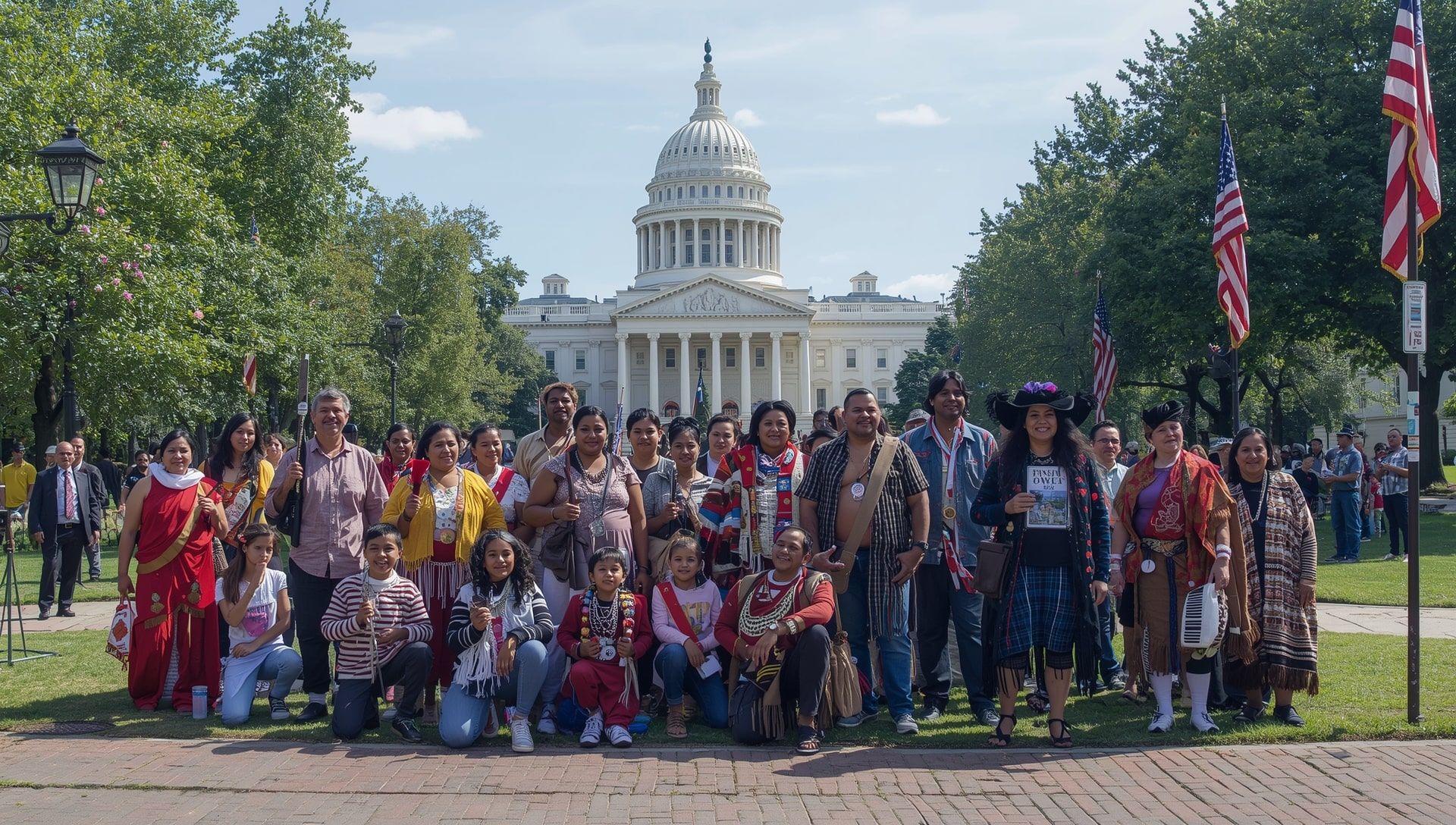
Across the United States, an old holiday is shifting into something new. Columbus Day once took center stage every second Monday of October, yet many states now recognize Indigenous Peoples’ Day instead. This change did not happen overnight. It grew from conversations about history, identity, and fairness, creating a moment that feels more honest and more connected to the people who shaped the land long before 1492.
Key Takeaway
Many U.S. states now observe Indigenous Peoples’ Day instead of Columbus Day, shifting the focus toward honoring Native communities, cultures, and histories. This change reflects a growing national interest in telling fuller stories, supporting local identities, and creating space for more inclusive public holidays.
Quick Quiz: Test Your Holiday Knowledge
Try this short interactive quiz about Indigenous Peoples’ Day and Columbus Day.
While residents in Alabama or California might still debate which holiday should appear on the calendar, many local governments continue updating their annual schedules. Some changes echo the adjustments made for Christmas observance differences across the states, seen at this guide. Just as winter traditions vary regionally, the October holiday is finding its own rhythm too.
| Holiday Shift |
|---|
| Columbus Day to Indigenous Peoples’ Day |
| Growing state adoption |
| Local cultural recognition |
Why States Are Rethinking Their October Holiday
For many years Columbus Day marked exploration, ambition, and a turning point in world history. But the story also carries painful chapters, especially for Native communities who faced displacement, loss of land, and long term cultural harm. Those realities motivated teachers, tribal leaders, students, and advocates to push for a holiday that honors resilience rather than suffering.
State by state, the conversation grew richer. While browsing how different regions handle holiday calendars through tools like adding or removing public holidays in digital planners, it becomes clear that flexibility has become part of the public holiday landscape. As people update their calendars, they bring their values with them.
The Spread of Indigenous Peoples’ Day Across the Country
More than half of U.S. states recognize Indigenous Peoples’ Day in some capacity. Some offer dual recognition, listing both holidays. Others have fully replaced Columbus Day. Many, such as Maine, New Mexico, and Oregon, have acted through legislation. Online state holiday pages like Maine, New Mexico, and Oregon show how the change appears in official policy.
As you browse the United States page at time.now, the differences become striking. Some states continue to adjust their calendars, similar to how Germany divides its holiday schedules across regions, illustrated in this overview. Regional identity plays a big role in how holidays form and change.
A Snapshot of State Adoption
| State | Holiday Observed | Notes |
|---|---|---|
| Maine | Indigenous Peoples’ Day | Full replacement |
| New Mexico | Indigenous Peoples’ Day | Statewide change |
| Alaska | Indigenous Peoples’ Day | Among early adopters |
| California | Dual recognition | Local choice varies |
Reasons Behind This Cultural Shift
There is not a single explanation for the growing recognition of Indigenous Peoples’ Day. The change comes from many directions. Here are some of the most common motivations:
- Bringing accurate history into public view
- Supporting cultural pride in Native communities
- Teaching students about long standing Indigenous nations
- Encouraging community level celebrations that feel more inclusive
- Responding to local advocacy and civic participation
Many towns now hold events that center Native speakers, artists, and community leaders. These celebrations allow residents to learn and connect directly. They mirror how other countries sometimes elevate regional traditions, similar to the detailed setups seen in holiday variations across Australian states.
How Businesses Adapt to the Shift
Public holidays affect payroll, schedules, and staffing, which creates practical questions for employers. Companies looking for guidance often refer to holiday payroll notes like public holiday payroll challenges and holiday pay when sick on a public holiday. As more states add Indigenous Peoples’ Day, businesses must remain aware of local regulations to avoid payroll errors.
Many HR teams now monitor regional differences in the same way they track missing holidays on digital calendars outlined at this troubleshooting guide. It helps them stay accurate when employees work across states such as Kentucky, Virginia, or Washington.
Ways Indigenous Peoples’ Day Is Celebrated
- Public storytelling events with tribal historians
- Workshops on Indigenous languages, art, and food traditions
- Community gatherings led by Native youth groups
- Educational field trips for students
- Ceremonies at cultural heritage sites
How Calendar Tools Reflect The Holiday Change
Digital calendars on phones and workplace platforms now reflect state level shifts. People who use shared scheduling tools often adjust their settings using guides such as this one for Samsung, Teams, and Outlook. These updates help prevent confusion, especially in workplaces spanning multiple regions.
If you compare the holiday structure in the United States with other countries, like Panama which celebrates events such as December 8 on a national scale, highlighted at Panama’s holiday overview, you see how cultural identity shapes holiday calendars around the world.
Quote to Reflect On
The shift toward Indigenous Peoples’ Day is not about rewriting history, it is about widening the lens so everyone can see the full picture.
How This Shift Connects to Broader Holiday Trends
Across the world, public holiday structures evolve. Some countries hold the highest number of public holidays as explored here countries with the most public holidays. Others balance national identity and cultural diversity, like Singapore with its Islamic calendar based system described at this breakdown. This global context helps explain why the United States has also seen its October holiday evolve.
Even debates about whether Americans have fewer national holidays compared to other countries, seen at this analysis, relate to the larger conversation about which holidays matter most today. Indigenous Peoples’ Day carries a message that resonates far beyond a single Monday.
Comparing the Traditions Behind Each October Holiday
| Holiday | Focus | Typical Events |
|---|---|---|
| Columbus Day | European exploration | Parades and civic programs |
| Indigenous Peoples’ Day | Native cultures and histories | Cultural celebrations and education |
A New Kind of October Reflection
As more states update their holiday calendars, the shift toward Indigenous Peoples’ Day adds space for learning and meaningful recognition. Whether you live in Vermont, Texas, Arizona, or beyond, this change offers a moment to pause, listen, and appreciate the communities whose cultures continue to enrich the country. Public holidays shape how people mark time, whether in the United States or across regions like Australia’s varied holiday count described at this guide. The October transformation reflects a growing desire for holidays that feel both grounded and shared.