Ramadan changes daily rhythms in gentle and meaningful ways. Meals shift to the edges of the day. Nights grow longer. Mornings feel quieter. For many people, this month is deeply personal. It holds faith, discipline, patience, and care for others. If someone you care about is observing Ramadan, small thoughtful actions can shape how supported they feel. Respect shows up in everyday moments, not grand gestures.
Key takeaway
Supporting friends during Ramadan means noticing their routines, honoring their fasting, and showing care without turning the month into a spectacle. Simple kindness matters. Adjust plans, ask thoughtful questions, avoid pressure around food, and respect moments of rest and prayer. Awareness creates comfort. Compassion builds trust. These choices help friendships feel steady and sincere throughout the month.
Quick Ramadan Awareness Quiz
Test your understanding. Choose the best answer for each question.
1. What is one respectful way to support a fasting friend?
2. When is fasting observed during Ramadan?
3. A kind response to a tired friend during Ramadan is to
Understanding the rhythm of Ramadan
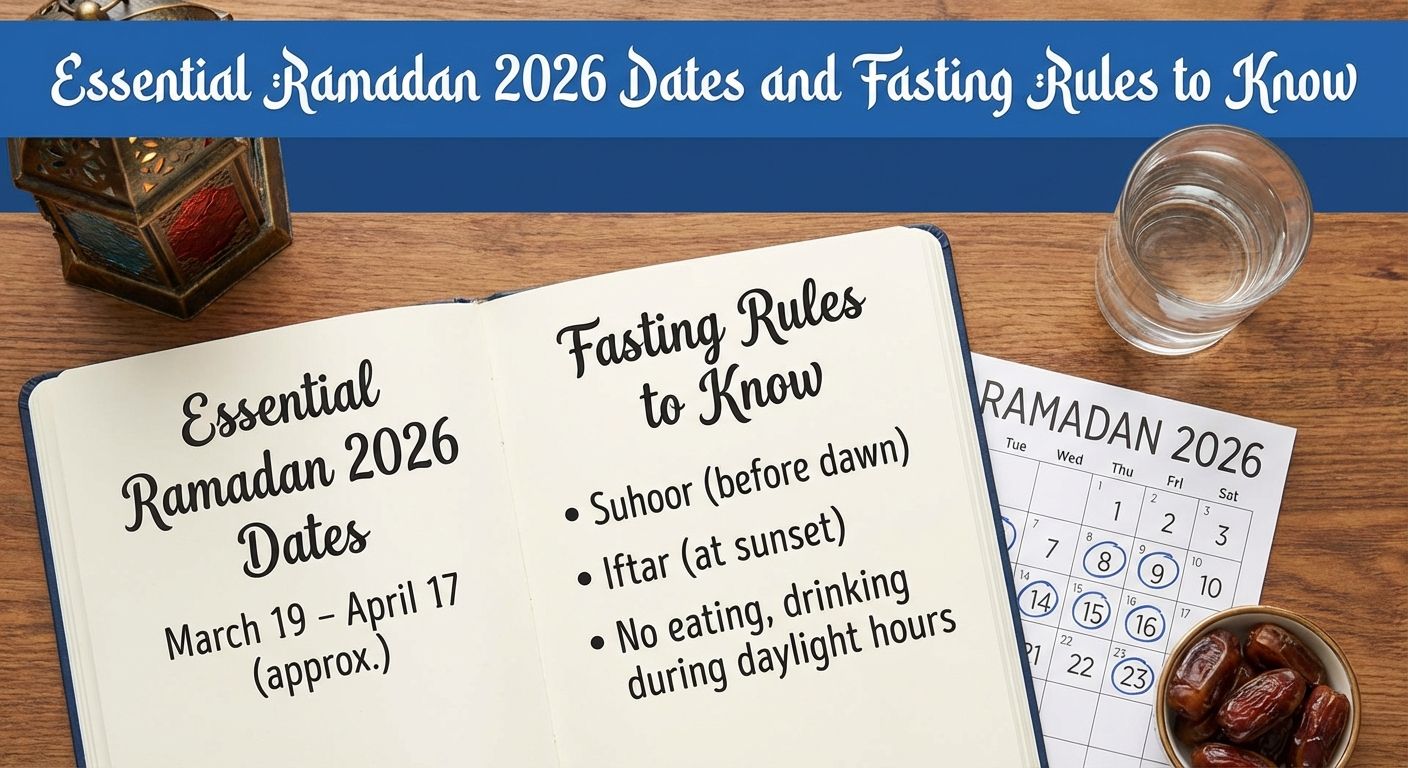
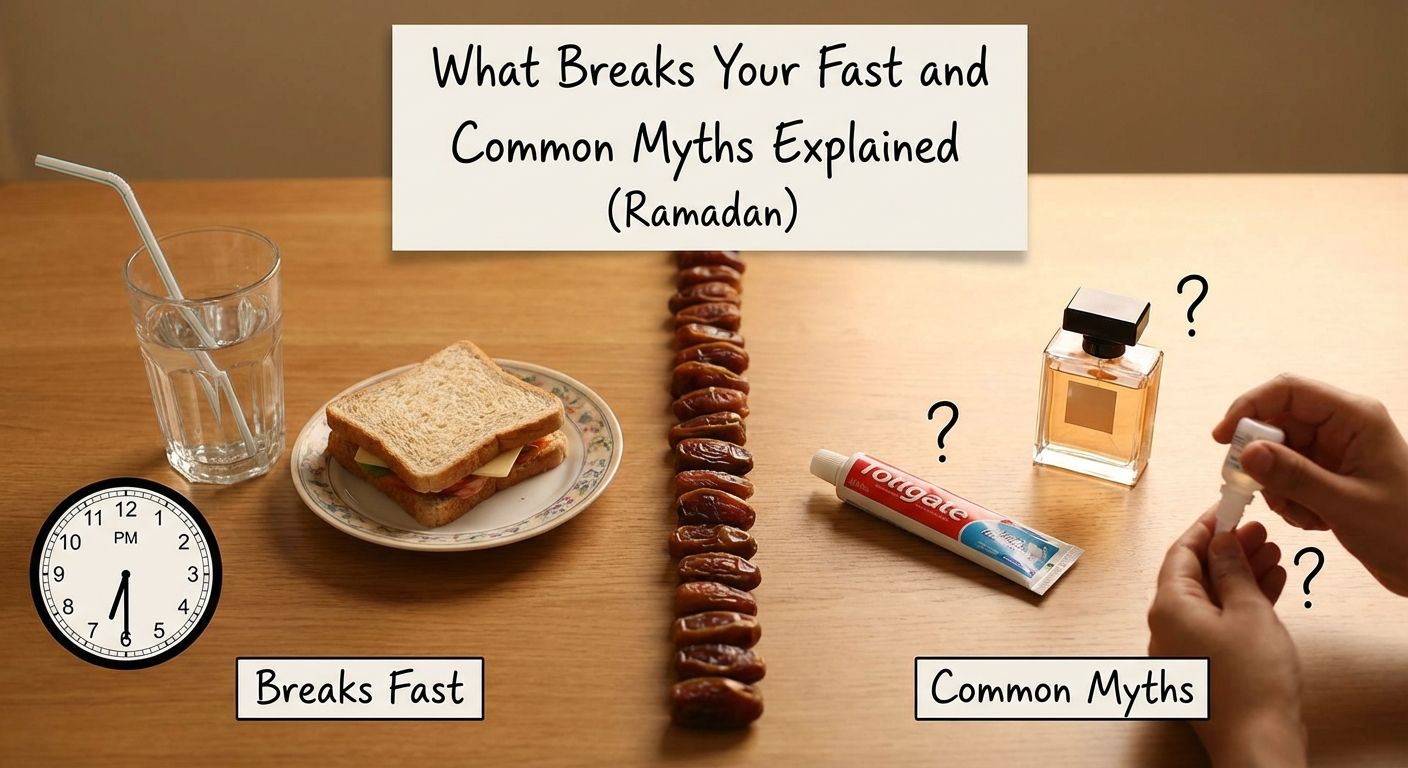
Ramadan follows the lunar calendar. Each year it shifts earlier by about eleven days. Fasting begins at dawn and ends at sunset. Muslims refrain from food, drink, and smoking during daylight hours. Prayer, reflection, charity, and restraint guide daily life.
Many people check prayer times and fasting hours through local resources. Sites like time.now Ramadan countdown help friends and coworkers understand the flow of the month without asking personal questions.
Energy levels may rise and fall. Mornings can feel slow. Evenings feel social. Schedules often shift to accommodate nightly prayers and shared meals called iftar. Awareness of these patterns helps avoid awkward moments.
Respect starts with everyday awareness
Support often means noticing small things. Food conversations can feel different during Ramadan. Casual snack offers may put pressure on someone who is fasting. Thoughtful pauses make a difference.
- Ask before planning food centered activities
- Offer water after sunset if you are together
- Keep shared kitchens tidy
- Respect prayer breaks
Planning social time with care
Social plans may shift during Ramadan. Late evenings work better. Early lunches may not. Flexibility shows understanding.
- Suggest gatherings after sunset
- Choose activities not centered on eating
- Offer quiet spaces for prayer
- Accept declined invitations without judgment
In regions like Saudi Arabia, Ramadan shapes public life. Work hours adjust. Restaurants close during the day. Understanding these patterns helps travelers and remote teammates show courtesy.
Supporting coworkers and classmates
Professional spaces often require extra thought. Meetings scheduled late in the afternoon may feel draining. Long presentations near sunset can be challenging.
Colleagues in places like the United Arab Emirates and Qatar often experience official schedule adjustments during Ramadan. Global teams benefit from learning these rhythms.
Questions are welcome when they are thoughtful
Curiosity can build connection. Tone matters. Questions asked with care feel supportive. Questions framed as challenges do not.
• Ask about preferred schedules • Ask how you can help • Ask what to avoid
Avoid turning personal faith into a debate. Ramadan holds spiritual meaning that goes beyond fasting.
Food etiquette during the month
Eating in front of someone who is fasting is not always rude. Context matters. Shared understanding matters more.
- Cover food during meetings
- Delay shared meals until sunset
- Avoid pressuring explanations
Invitations to iftar can feel meaningful. Accept with gratitude. Decline with kindness if schedules clash.
Traveling or visiting Muslim majority countries
Visitors to places like Jordan may notice quieter streets during the day. Evenings feel lively. Dressing modestly and avoiding public eating during daylight hours shows respect.
Checking in without making it awkward
Simple check ins matter. A short message shows care without spotlighting differences.
Supporting after sunset gatherings
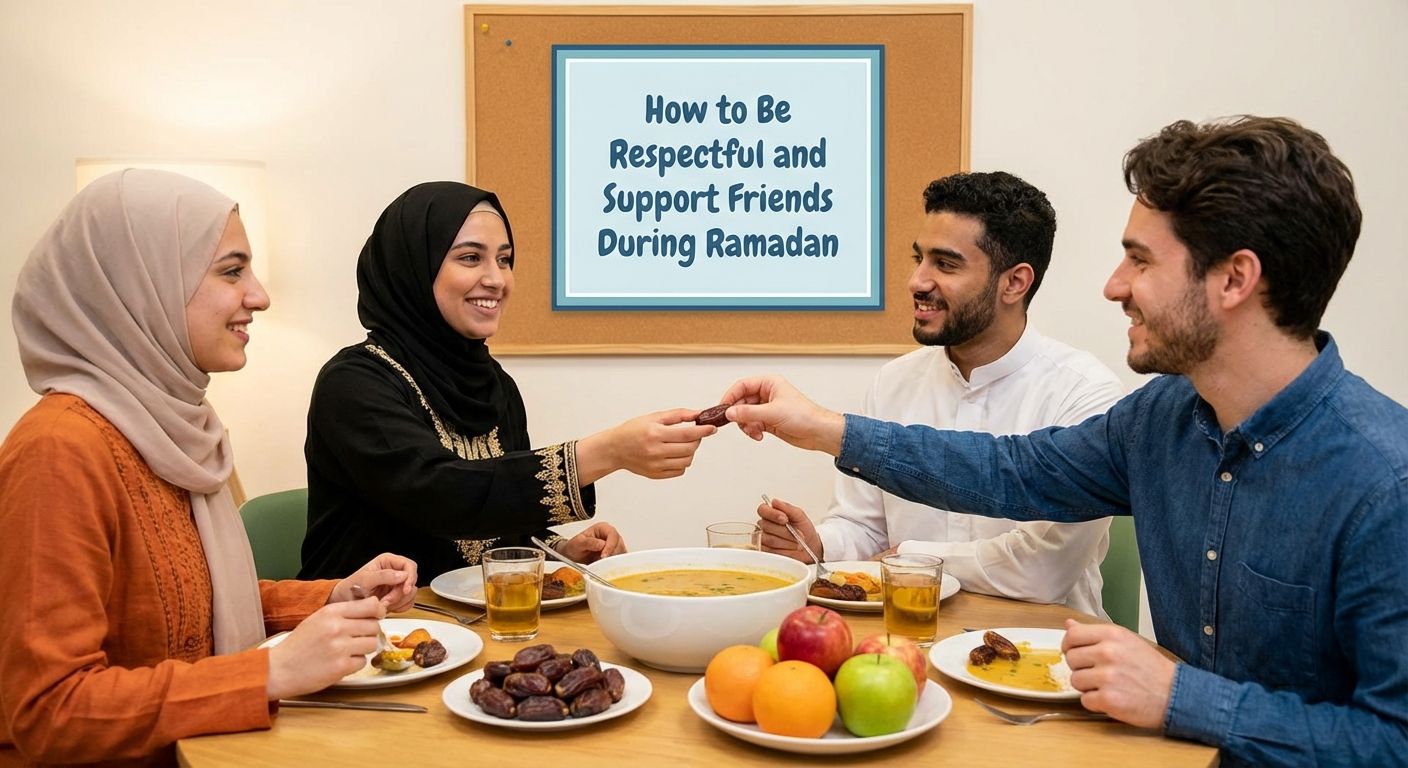
Evening meals bring people together. If invited, arrive on time. Fasting breaks at sunset. Waiting together holds meaning.
- Let the host break the fast first
- Compliment the effort
- Stay present during prayer breaks
During the final days of the month
The last ten nights carry special weight for many Muslims. Extra prayers and reflection happen during these evenings. Energy may dip further. Patience matters even more.
Understanding this period helps friends feel seen without explanation.
Kindness that lasts beyond the month
Support during Ramadan often deepens friendships long after it ends. Thoughtfulness leaves a lasting mark.
These habits extend beyond one month. They shape how respect shows up year round.
A shared sense of care
Respecting friends during Ramadan does not require expertise. It asks for awareness, patience, and warmth. These qualities strengthen bonds across cultures and beliefs. They remind people that care often lives in quiet choices made day by day.