On August 12 2026, the Moon will line up with the Sun in a way that makes daytime feel briefly unreal. The light shifts fast. The temperature can dip. The world gets quiet in a way that is hard to describe until you stand inside the path of totality and watch the sky change its tone.
|
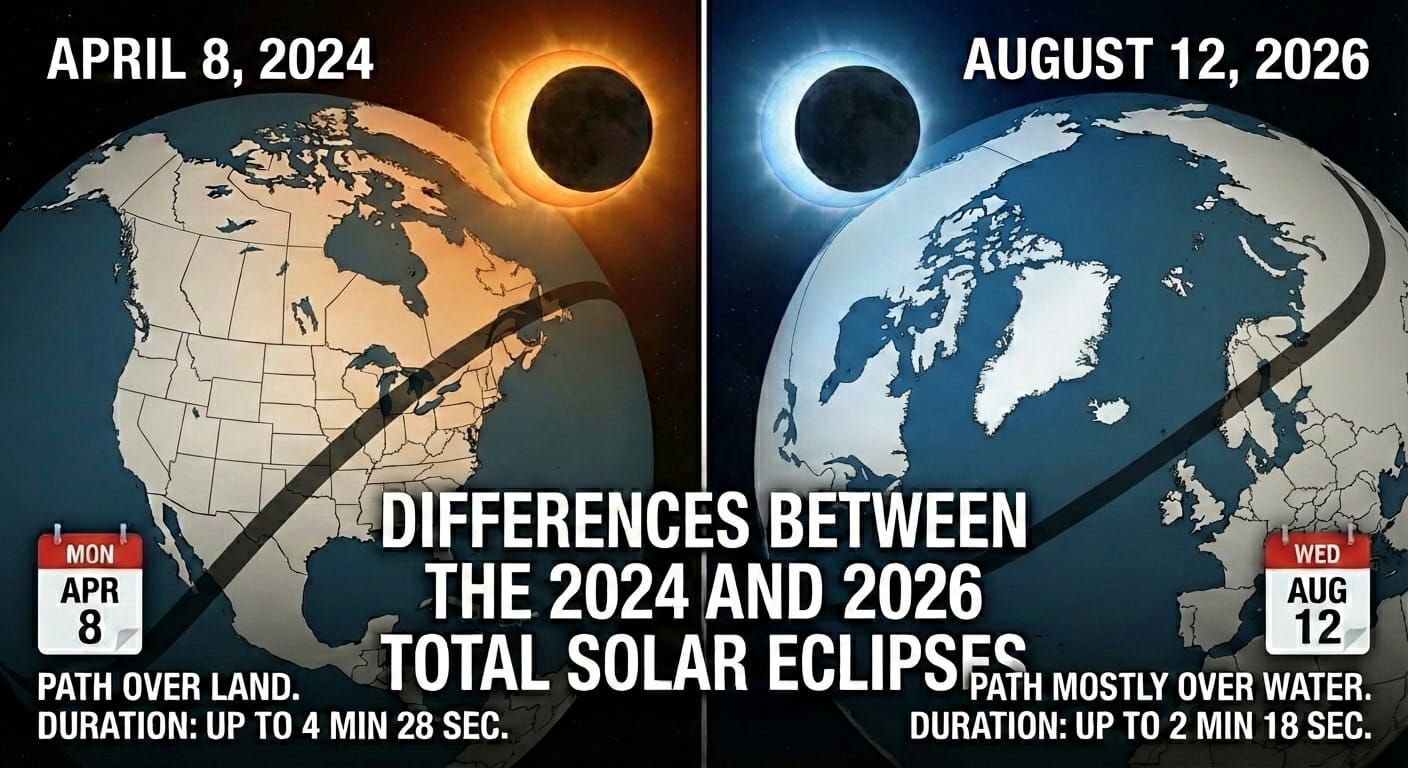
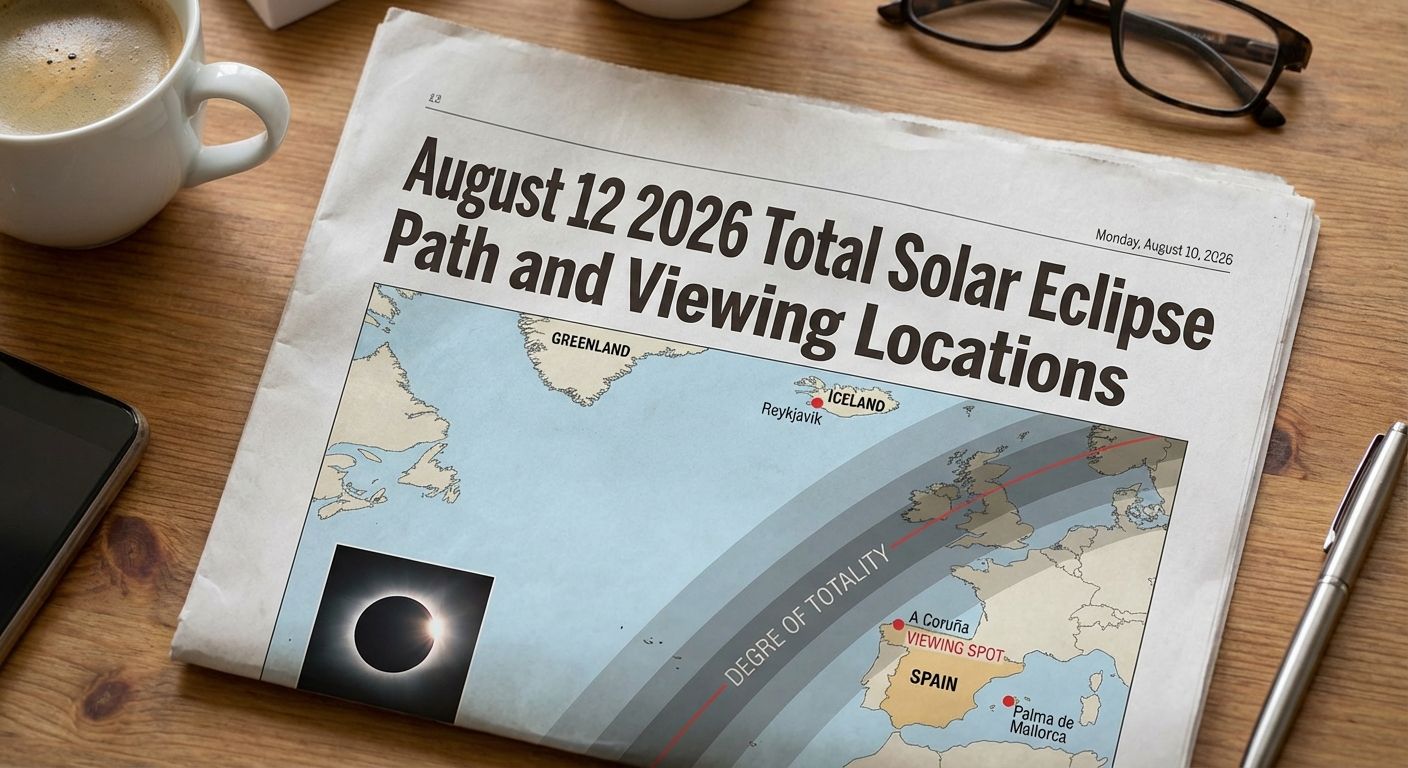
Key takeaway The August 12 2026 total solar eclipse sends the Moon’s shadow across the Arctic, then Greenland and Iceland, then over the North Atlantic and into the Iberian Peninsula, with totality touching a small area of Portugal and sweeping into northern Spain. Another segment reaches Russia. The best viewing plan is simple, get inside totality, pick a primary spot plus a backup, and stay flexible for clouds. Totality is the part you will remember forever. |
A colorful quiz to warm up your eclipse brain
| Mini quiz Answer, then tap Check |
|
Quick layout preview |
|
Where the shadow goes on August 12 2026
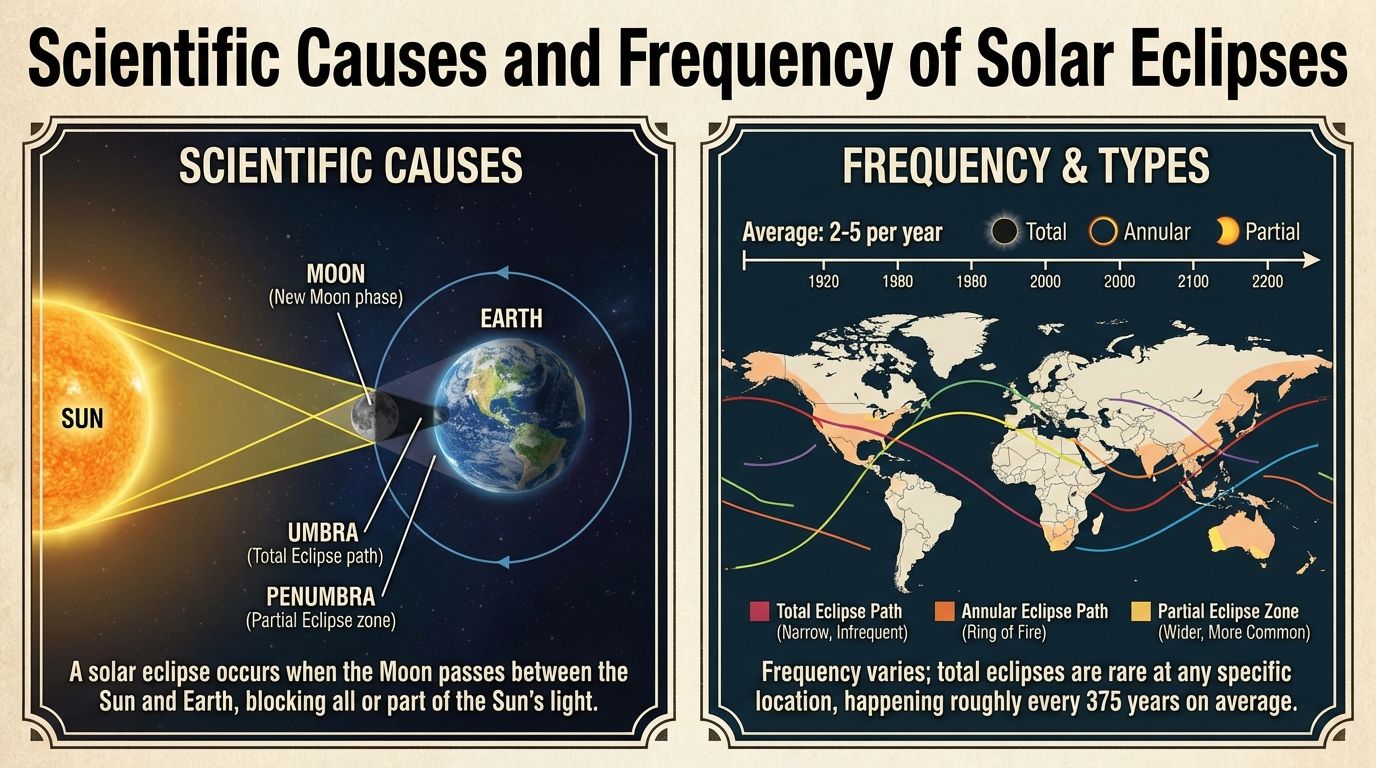
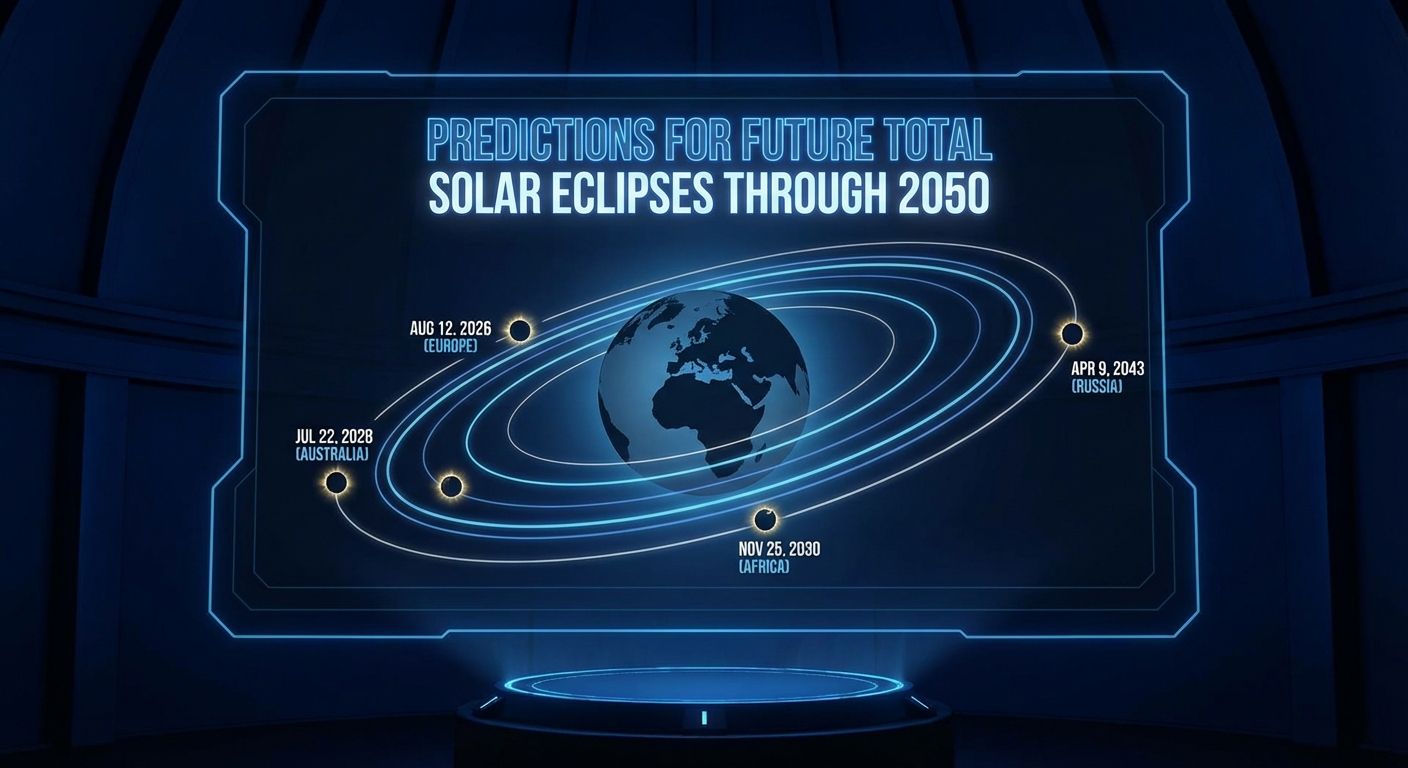
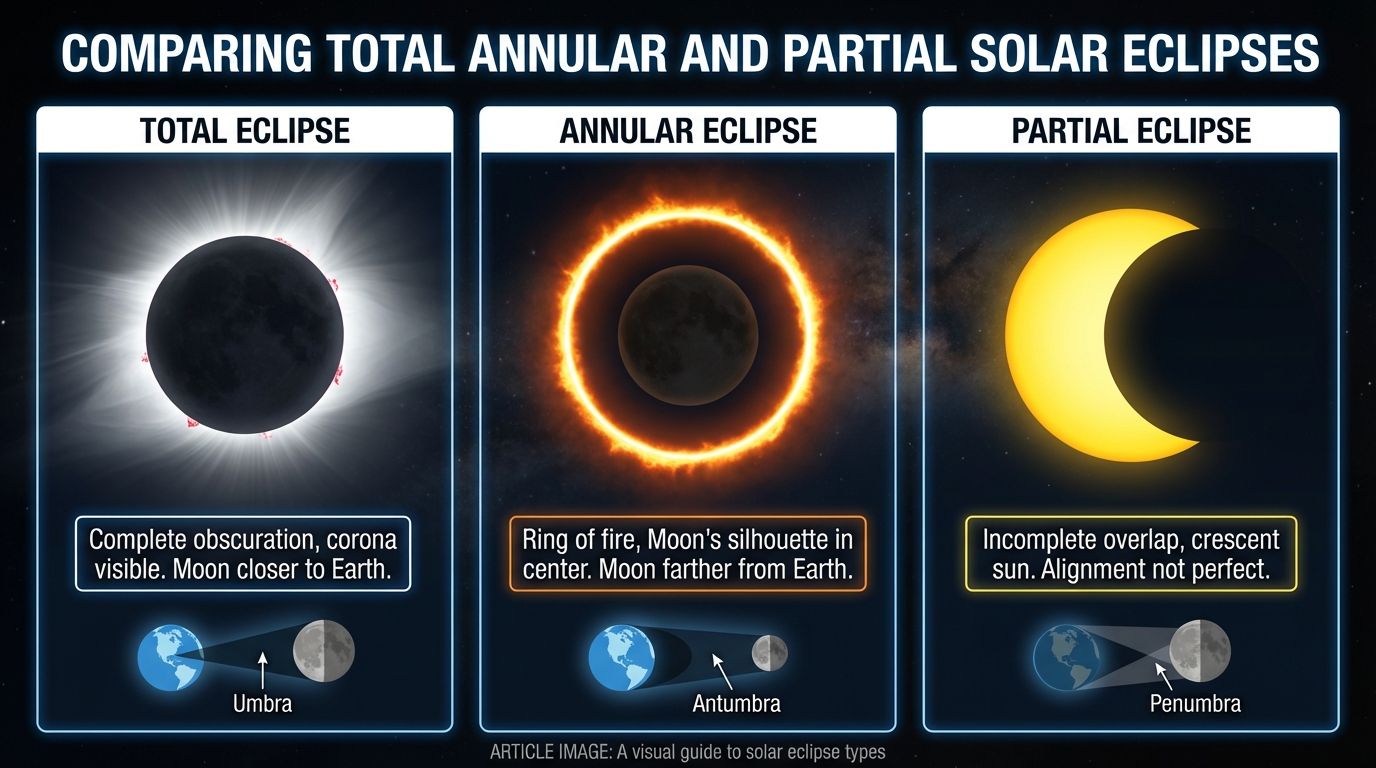
The path of totality is the narrow track where the Moon fully covers the Sun. That track begins far north, crosses the Arctic, runs across Greenland and Iceland, then moves over the North Atlantic and reaches the Iberian Peninsula. Totality touches a small part of Portugal and then sweeps into northern Spain. A separate segment also reaches Russia. If you are outside that track, you still get a partial eclipse, but totality is the part that changes how the day feels in your body.
If you want to keep everything on one hub page while you plan, your home base can be the site section that fits this story: time.now sun. Keep it open as you compare towns, travel time, and cloud patterns.
What it feels like, minute by minute
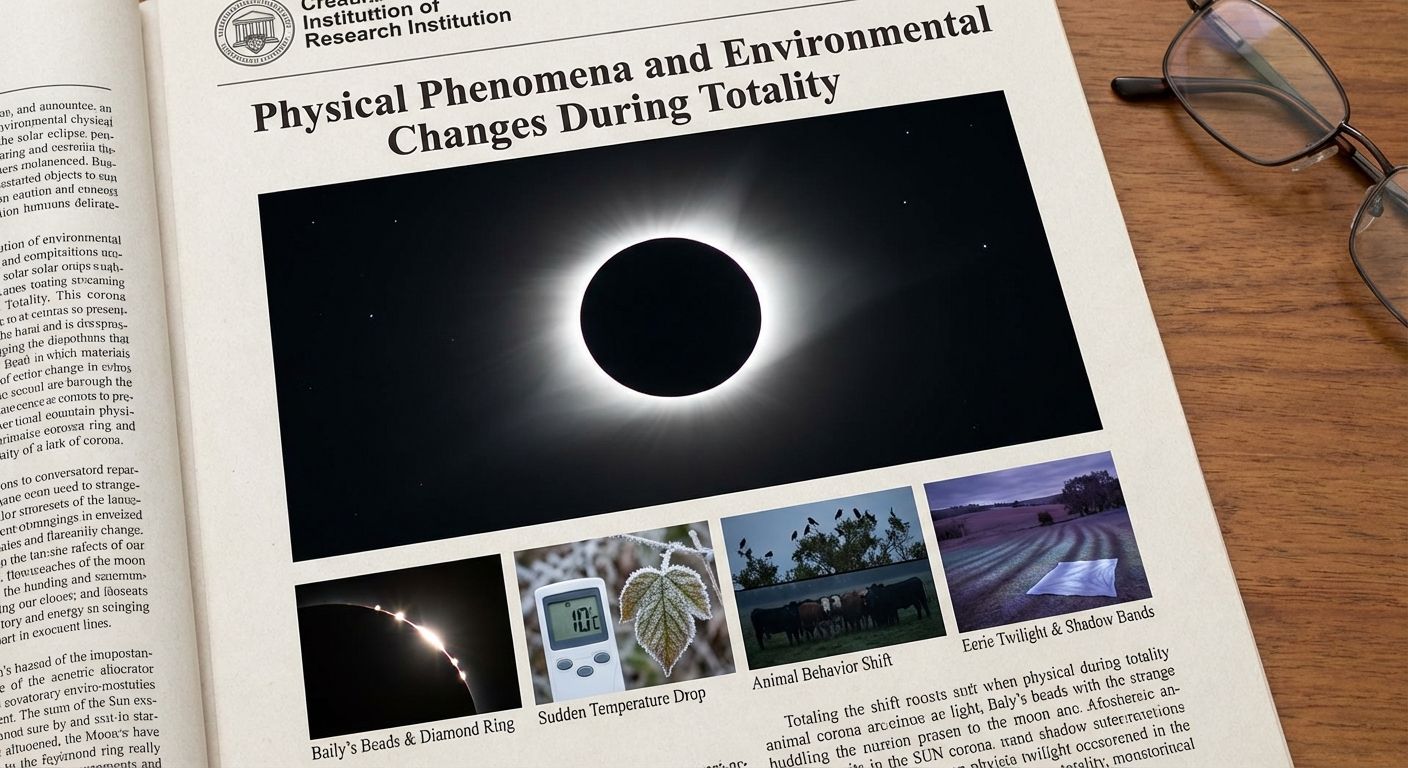
A total solar eclipse is a sequence, not a single snapshot. The partial phase begins first. The Sun becomes a bright crescent. The daylight turns flatter, almost like someone turned down the contrast on the world. Near totality, shadows can look extra sharp. Some people notice a strange edge to the wind. Then the last bright sliver disappears and totality begins. The sky darkens like deep twilight, yet the horizon can stay bright in a wide ring. After a short, intense window, the first bright edge returns and the world snaps back.
Many eclipse watchers love sunsets for the same reason they love totality, the way light can carry emotion. If that sounds familiar, the piece on why sunsets are so beautiful is a perfect companion read while you wait for eclipse day.
|
A small thought before you plan Totality is short. Preparation is what lets you feel it, not just chase it. |
Safety, simple and strict
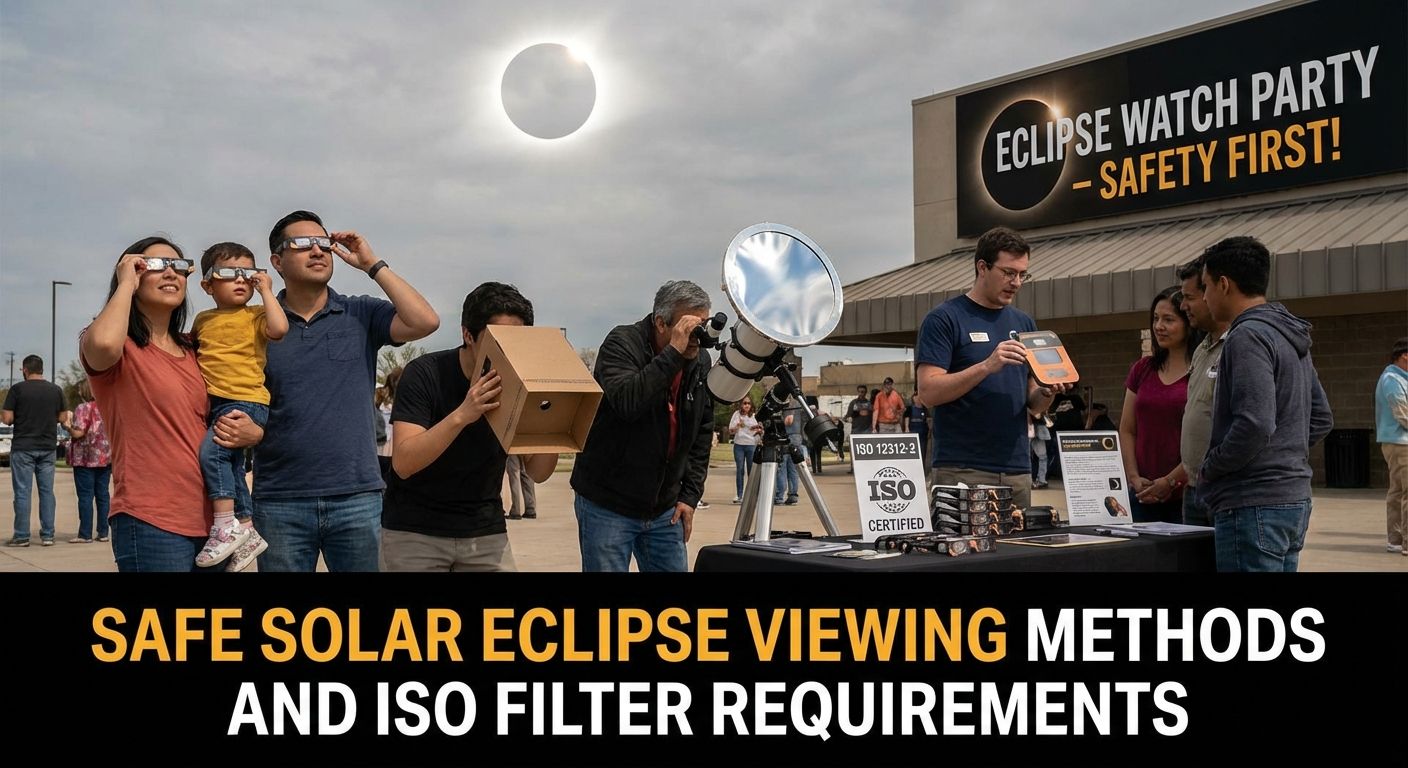
Your eyes are not a place to experiment. During the partial phases, use proper solar viewing glasses or a certified solar filter. Regular sunglasses are not enough. The only time it is safe to look without protection is during totality, when the Sun is fully covered. The moment the first bright edge returns, protection goes back on.
One paragraph with bulletpoints for a quick safety check:
• Put solar glasses on before you look up during partial phases
• Keep filters on cameras, binoculars, and telescopes unless you are in full totality
• Remove glasses only when the Sun is fully covered, then put them back on as totality ends
• Practice the on and off motion at home, calm hands make the moment easier
If sunrise routines help you think about Sun safety and timing, this quick guide on what time sunrise happens by season and location can help you build the habit of checking conditions, not guessing.
Best viewing regions, and what makes each one work
The best viewing location is the one where you can actually see the Sun. Weather matters more than hype. Mobility matters more than perfection. If you can reach the center line, do it. If you cannot, being near it is still worthwhile. Your plan should include two spots you can reach by road or transit on the day, with enough time to arrive early.
Greenland, giant skies and remote logistics
Greenland offers wide horizons and a feeling of real wilderness. It is also logistically tougher. Flights can be limited. Roads can be sparse. If you choose Greenland, build buffer days on both sides. It suits travelers who enjoy the trip as much as the event.
Planning for a remote region becomes easier if you understand how day and night change with latitude. The article on where the Sun rises first is a fun way to connect geography to your eclipse map.
Iceland, strong infrastructure and easy repositioning
Iceland is a favorite for a reason. Roads make it possible to change plans on the day if clouds creep in. Towns have services. You can build a comfortable trip that still feels adventurous. If you are bringing friends who are not sky nerds, Iceland keeps everyone happy.
If you like the softer sky moments too, the piece on how long before sunrise it gets light pairs nicely with an Iceland itinerary, because twilight can last in a way that feels long and gentle.
Portugal, a small touch of totality
Portugal gets a small area of totality. That can be exciting and also crowded. A narrow corridor means fewer good choices. If Portugal is your base, stay ready to cross into Spain if it improves your odds. Keep your map and travel time realistic, and arrive early.
If you want something calming to read while you coordinate transport, the reflective piece on sunsets symbolism across cultures fits the mood of waiting for a sky event with meaning.
Northern Spain, access, variety, and strong viewing options
Northern Spain is appealing because it offers many towns near the path. You can choose coast, hills, or inland viewpoints. A coastal horizon can be amazing during totality, yet haze can happen. Higher ground can help you rise above low cloud layers. This region can balance comfort and flexibility, which is often the true sweet spot.
To build a trip around sky watching beyond eclipse day, best places to watch the sunset can help you pick evenings that feel special, even if your eclipse morning is all logistics.
Russia, another segment for local observers and committed planners
This eclipse also includes a totality path segment in Russia. For many international travelers, visas, distance, and local conditions may decide the plan quickly. For people closer to that segment, it can be the simplest way to reach totality without flying across Europe.
Pick your style
| Viewing location planner practical tradeoffs at a glance | ||||
| Region | Why people choose it | Main challenge | Best for | Backup idea |
| Greenland | Remote horizons and crisp air | Access and forecast uncertainty | Adventure travelers | Add buffer days, stay flexible |
| Iceland | Road mobility and solid services | Clouds can change quickly | Groups and first timers | Drive west or inland if needed |
| Portugal edge | Easy add on for Iberia trips | Small corridor, crowd pressure | People already nearby | Cross into Spain for options |
| Northern Spain | Many towns, coast and hills | Haze near some coasts | Comfort plus variety | Go higher for clearer sky |
Viewing location ideas you can actually use
Maps are great, but real plans need real places to stand. Below are location types that tend to work well in Iceland and northern Spain. Pick places with a wide view of the Sun, safe parking, and an easy escape route after totality, since traffic can surge.
Iceland viewing ideas
- Open coastal viewpoints Wide horizons can make the twilight feel bigger.
- Town outskirts Less congestion, still close to restrooms and food.
- Quiet countryside pull offs Only where it is legal and clearly safe.
- Harbor edges Water horizons can be clean and unobstructed.
Northern Spain viewing ideas
- Clifftop overlooks Big ocean horizon, powerful light shift.
- Hilltops above low cloud A short climb can change visibility.
- Open fields near the path Calm, simple, and often less crowded.
- Parks and wide plazas Good for families and groups.
If you want a deeper feel for how light changes near the edges of day, this is a great moment to read about the science of sunset colors and green flashes. It can make eclipse light feel less mysterious and more like a rare cousin of twilight.
11 smart moves that make eclipse day calmer
- Pick a primary spot and a backup spot Keep them within a drive you can handle without stress.
- Arrive early Crowds build hours before the big moment.
- Carry a printed plan Heavy traffic can make phone service unreliable.
- Bring water and simple food Post totality traffic can be slow.
- Pack warm layers Totality can feel cooler, even in summer.
- Use a chair or blanket Comfort keeps you present.
- Practice your camera plan A dry run at home prevents fumbling.
- Decide what matters most Your eyes first, your camera second.
- Watch the ground Crescent shadows under trees can appear.
- Listen to nature Birds and insects can react in surprising ways.
- Leave slowly Enjoy the return of daylight, then travel.
Timing and daylight, why this eclipse feels different by location
Even with the same eclipse, the vibe changes depending on the Sun’s height in the sky and the local atmosphere. Iceland can feel crisp and cool. Northern Spain can feel warm and late day, with a softer edge. Understanding daily light timing helps you plan driving, meals, and where the Sun will sit at the key moments. This guide on sunrise and sunset timing and daylight is helpful when you are mapping your day hour by hour.
If your travel group enjoys cultural context as much as sky science, the piece on sunrise in religion and ritual is a thoughtful way to frame why people have gathered for sky events across time.
Weather planning without losing your joy
Clouds are the main threat to a perfect view. The trick is to plan for them without letting them steal the experience before it happens. Start checking forecasts a week out, but treat early forecasts as hints, not fate. If you are in Iceland, a car gives you real flexibility. If you are in northern Spain, build a simple rule, coast if clear, hills if cloudy, inland if haze looks stubborn.
While you think about visibility, it can be fun to learn how the sky plays tricks at the horizon. The article on mirages and shifting sunset shapes is a great reminder that what you see near the edge of the world is not always what you think.
Photography, keep it safe, keep it simple
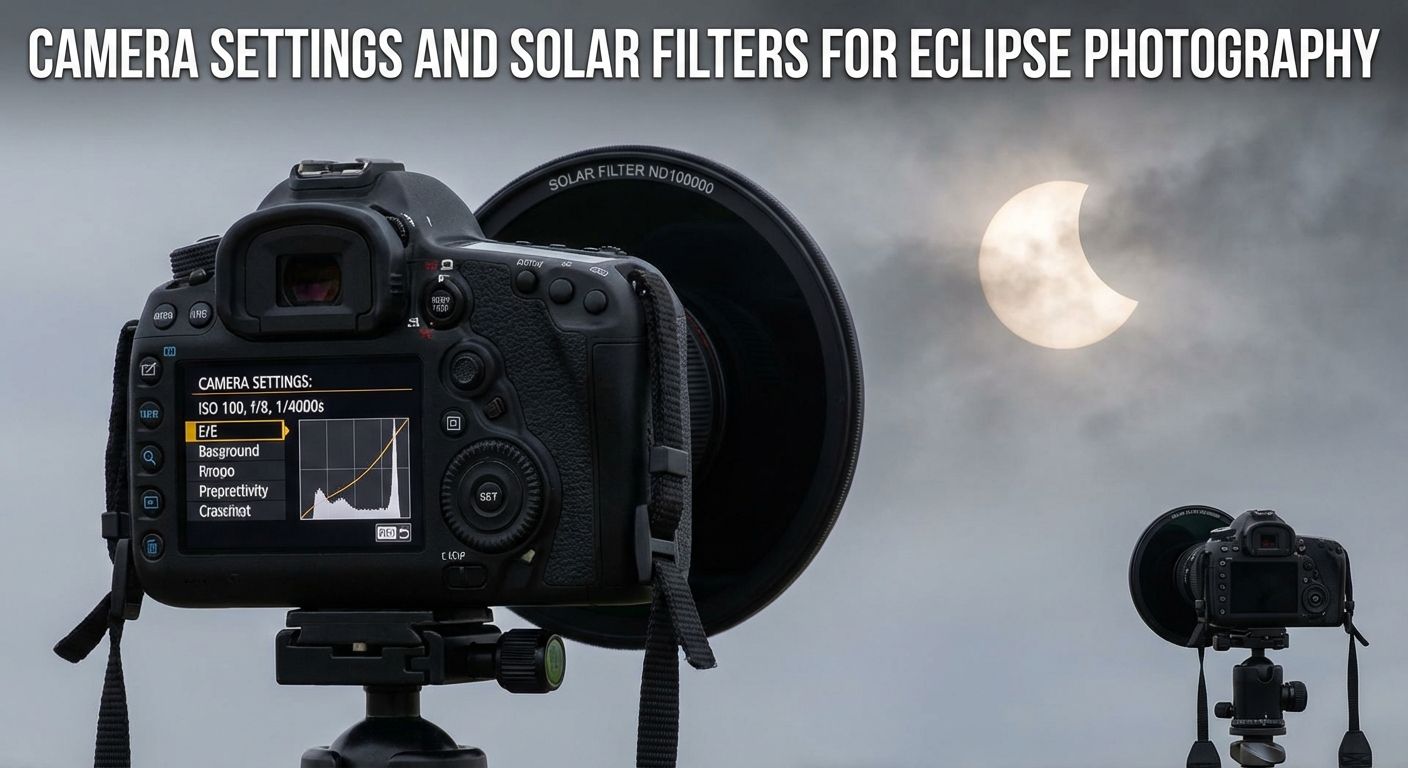
Photos are wonderful, but a complicated setup can pull you away from the moment. A wide shot that includes people and landscape often carries more feeling than a tight zoom on the Sun. If you use optics, use a proper solar filter during partial phases. Practice attaching and removing it calmly. Your best shot might be a simple one taken early, then your camera goes away and you watch with your own eyes during totality.
|
Camera reality check Take one quick photo early, then put the camera down and watch. |
Small facts that make the big moment richer
Knowing a few simple Sun facts makes totality feel more real. During totality, you can sometimes see the Sun’s corona, its outer atmosphere, as a pale halo. You may also spot bright points or pink arcs near the edge. If your group likes quick trivia before travel, this easy list of 15 facts about the Sun is a fun warm up.
If you enjoy early morning light, you might also like the list of 20 facts about sunrise, because eclipse days often start with early alarms, long drives, and a lot of sky watching while you wait.
Packing lists that keep you comfortable
Lightweight comfort wins. If you feel settled, you will be present when the shadow arrives.
- For everyone solar viewing glasses, water, snacks, hat, sunscreen, warm layer, small first aid kit, portable charger, printed notes
- For camera fans solar filter, tripod, lens cloth, extra battery, simple remote shutter, tape for securing loose parts
Many people ask how dark it gets and how fast it changes. Training your eye on everyday twilight can make eclipse light feel even more dramatic. This guide on how long after sunset it gets dark is a surprisingly useful read before eclipse season.
Where to stand, the human details that matter
A perfect map point is not always a perfect real world spot. Think about bathrooms, shade, safe parking, and room to sit. Choose somewhere you can stay relaxed for hours. If you are with kids or grandparents, comfort is not a luxury, it is what keeps everyone happy and attentive when the sky changes.
In many places, eclipse day crowds can turn a short drive into a long one. If your group loves calm evening walks, consider planning a separate sunset outing on a different day. The piece on best places to watch the sunset can help you pick an easy win for the trip, even if eclipse day gets hectic.
Sky stories you can bring along
Eclipses are science, but they are also story. People have always tried to describe what the Sun means in everyday life. If you like that side of things, the article on sunsets in art, entertainment, and language is a beautiful companion for long train rides or flight time.
Symbolism can also make the event feel more personal. This piece on sunsets symbolism across cultures connects everyday sky watching to traditions across the world.
Visibility myths, and what actually affects the view
Light pollution does not block an eclipse the way it blocks stars, because the Sun is bright enough to dominate the sky during the partial phase. Still, artificial light changes how cities feel during twilight and night, and it can affect your overall trip atmosphere. If you are choosing between a city center and a quieter edge, this article on light pollution dimming sunset and star lore can help you think through the mood you want.
Another myth is that you need expensive gear to enjoy totality. You do not. Solar glasses, a comfortable spot, and a calm plan are enough. Many people who chase totality for years keep it simple on purpose.
A gentle way to plan your whole trip around light
If your itinerary includes sunrise hikes or early drives, you can make the whole trip feel themed, not just the eclipse day itself. For a travel day warm up, this guide to best sunrise hikes and viewpoints can spark ideas for choosing places with a clean horizon and a peaceful start.
If animal behavior fascinates you, the classic question about morning soundtracks can be a fun read too. The article on why roosters crow at sunrise fits nicely with the way nature sometimes reacts during eclipses.
Before you lock in flights, a short checklist
- Confirm you are targeting totality, not only partial coverage.
- Choose a region where you can move on the day if clouds appear.
- Pick a primary spot plus a backup spot on different roads.
- Buy certified solar viewing glasses early.
- Plan your transport and parking like it is a festival day.
- Build one calm non eclipse activity for the day after, you will want rest.
If you like understanding the daily schedule of the sky, this practical read on sunrise and sunset timing and daylight helps you plan the hours around totality without guesswork.
When the shadow finally arrives
When totality starts, try to give yourself a few seconds where you do nothing. No talking. No camera. Just look. Notice the color at the horizon. Notice how faces change expression. This is the rare moment when a crowd can feel quiet together. Then, when the first bright edge returns, put your eye protection back on, breathe, and let the day slowly become normal again.
If you want a little extra wonder for the evenings after your eclipse trip, the article on afterglow, twilight, and volcanic skies is a great reminder that the sky can keep surprising you long after the eclipse is over.