Understanding Age Beyond Your Birth Certificate

Your birth certificate gives you a date. Your life asks for translations. One day you need a clean number for a form. Another day you want to settle a family debate. Another day you want a countdown, because waiting feels easier when it has a number. Age looks simple until you actually try to use it.
Quick insight
Chronological age is calendar time since birth. Beyond that, age becomes a set of time answers. You can break age down, compare two dates, count forward to a future date, look back to a past date, or convert time into new scales. This guide shows the most natural way to pick the right age answer, and it weaves in every tool that makes those answers fast on Time.now.
Age is one word, but it holds many questions
People use the word age as if it always means the same thing. In real life, it rarely does. Most age questions are really time questions. Time between two points. Time until something happens. Time since something happened.
Once you see age this way, the topic gets friendlier. You stop trying to force every question into one number. You pick a measurement that fits what you are trying to do today.
|
A factual note that keeps age math honest A calendar year is not exactly 365 days. The average length of a year is about 365.2422 days, which is why leap years exist. That tiny fraction matters when you measure time across many years. |
The baseline: chronological age
Chronological age is the official one. It is the calendar time since your birth date. This is the age used for legal thresholds, school cutoffs, and most paperwork.
People often want more than the headline number. They want a breakdown. Years feel familiar. Months add precision. Days make planning easier. If you want the clean baseline, the Time.now age calculator turns your birth date into a clear set of units you can use right away.
Why a breakdown beats a guess
Humans round without noticing. We say “almost” and “about” all day. That is fine until you are near a cutoff. Near a birthday. Near a rule that changes at midnight. A precise breakdown keeps things calm. It replaces second guessing with a simple answer.
It also helps in everyday planning. If you are tracking a baby’s age. If you are timing a milestone. If you are trying to match dates across a school year. Months and days carry real meaning.
Age as distance between two people or two dates
Another common meaning of age is distance. Not between you and today, but between two dates. People ask this in relationships, among siblings, across generations, and in history.
“How far apart are we” sounds casual, but the answer can be surprisingly nuanced. A gap of 18 months feels different from a gap of 2 years, even if both get rounded to “two.” The age difference calculator gives the exact distance between two dates in a way that ends the debate.
The quiet reasons people care about the gap
Some reasons are playful. Who is older by days. Who gets bragging rights. Other reasons are practical. School years. sports brackets. age based programs. A clean difference answer makes these conversations easier.
Countdown age: time until a future date
Waiting feels vague. A countdown makes it measurable. Birthdays are the classic example because they are a personal marker that repeats every year.
Kids love countdowns. Adults love them too, they just hide it better. If you want the number of days until your next birthday in one glance, the birthday countdown turns anticipation into a clear timeline.
A countdown is also a planning tool
Once you know the days left, planning gets easier. You can decide when to send invitations. When to book travel. When to start a new habit for the month leading up to the date. The number becomes a gentle guide.
Lookback age: time since a past date
There is a certain kind of curiosity that appears when you see an old photo. You remember the moment, then you wonder how old you were. That is age as a memory anchor.
The question also comes up for records and stories. A move. a graduation. a first job. The How old was I tool connects a past date to your age at that time without any mental math.
Why this kind of age can feel emotional
Chronological age tells you where you are now. Lookback age shows you who you were then. It can make your timeline feel more real. It can also make your progress feel visible. That is a good thing, even when it is bittersweet.
Age that gets translated: pets and shared life stages
Pet age questions are not silly. They are a way of understanding life stages. A puppy grows fast. A senior pet may need a different routine. A translation helps you respond with care.
Dog age in human years
Dogs mature quickly early on, then settle into longer phases. Breed size can shape the pace too. If you want a clear conversion that is easy to share with your family, the dog age calculator turns dog years into a more familiar frame.
Cat age in human years
Cats tend to hit early milestones fast, then move into steadier rhythms. If you want to place your cat on a human style timeline, the cat age calculator makes the translation feel natural.
Age in the earliest chapters of life
For pregnancy and newborn care, age is often tracked with more precision than years. Weeks and days are the language most people see in checkups and milestones. That precision can reduce confusion and support clearer communication.
Gestational age
Pregnancy timelines are usually discussed in weeks, because weeks map neatly to development and appointments. The gestational age calculator focuses on that week based view, which is often the most practical way to talk about pregnancy timing.
Adjusted age
When a baby arrives early, timelines may be described using adjusted age. It helps align milestones with a corrected schedule based on due date. The adjusted age calculator supports that corrected perspective with clarity.
These tools are about structure, not pressure. Babies vary. Families vary. The goal is a calm timeline that supports better planning and better conversations.
Calendar age and body age are not the same idea
People often use age as shorthand for how they feel. Energy. recovery. resilience. stress. That feeling may not match the calendar number, and that mismatch is common.
A clear way to think about this is to separate the official number from the lived experience of aging. The biological vs chronological explainer lays out the difference in simple terms without turning it into a contest.
A helpful way to talk about it in real life
If you are speaking with a clinician, coach, or even a friend, it can help to describe function rather than identity. Instead of “I feel old,” you can describe what changed. Sleep quality. stamina. stress levels. recovery time. That keeps the conversation practical and kind.
Conversions that make time feel real
Some conversions are useful. Some are playful. Many are both. They can also change your sense of time. A year can feel abstract. A huge number can feel immediate.
Age in seconds
Seconds are tiny units, which makes the total look enormous. That contrast is the point. It makes your timeline tangible. The age in seconds calculator gives you a number that often makes people pause and smile.
Age on other planets
Planet years vary because orbits vary. If you measure life using another planet’s year length, your age shifts. It is still time measurement, just on a different clock. The age on other planets calculator is a fun reminder that time depends on the calendar you choose.
Milestones that feel like tiny holidays
Milestones are not only birthdays. Many people love standout counts. Ten thousand days. A memorable number of weeks. A round number of seconds. The age milestones tracker helps you spot those moments without counting on a calendar.
Half birthdays
Half birthdays can be sweet, especially for kids, but they are also useful for simple planning. They give you a midyear marker that feels lighter than a full birthday. The half birthday calculator makes that midpoint easy to find.
Age as a rule check: Eligibility and timing
Sometimes age is not a feeling. It is a gate. Voting access. school entry. retirement planning. social labels. These questions can feel stressful because rules vary, but the time math itself is usually straightforward.
Retirement timing
Retirement is a planning question more than a single age. A reference point helps, even if your plan is flexible. The retirement age estimator supports that timeline view without making it feel overwhelming.
Voting Eligibility
Voting rules often hinge on date based thresholds. If you want clarity for upcoming elections, the voting eligibility checker helps you match your age to that kind of requirement.
School start timing
School entry can be confusing because cutoffs depend on location and academic calendars. Parents and caregivers often just want a calm estimate. The school start age tool supports that planning question in a simple way.
Generation labels
Generation labels are date ranges that people use for quick context. They are not personality definitions. They are just a way to locate a birth date inside a common cultural timeline. The generation finder tells you which range your birth date falls into.
Age beyond the self: events, history, and the web
Age tools can answer questions about things that are not people. Time since a historical event is still age. Time since a website appeared is still age. You are measuring distance from a starting point.
Historical timelines
People ask “How long ago was this” and “How old would this person be today” because history makes more sense when you can feel the distance. The historical age calculator turns events into readable spans of time.
Domain age
Domain age is another version of the same idea: time since a start date. People check it for research, curiosity, and context. The domain age lookup helps you understand how long a site has existed.
A colorful guide to choosing the right kind of age
If you only remember one thing, remember this: your question tells you which kind of age you need. This grid makes that choice feel easy.
Common age moments people actually face
Age questions tend to repeat across life. They show up at the same kinds of moments, even for different people. Here are the ones that come up most, explained in the simplest way.
- Paperwork day where you need your age stated cleanly and accurately.
- Family comparison day where someone wants the exact gap between two birthdays.
- Planning day where you want the days left until your next birthday.
- Memory day where a past date needs a place on your timeline.
- Pet care day where you want to understand your dog’s or cat’s life stage.
- Baby timeline day where weeks and corrected age matter more than years.
- Perspective day where seconds, planets, and milestones make time feel vivid.
- Rule check day where eligibility and cutoffs matter more than feelings.
- Context day where you want to know the age of an event or a site.
If age ever feels confusing, use this path. It works because it starts with the structure of the question. You do not need to be good at math. You just need to name the two points in time.
- Name the starting point. This is often a birth date, a due date, a historical date, or a registration date.
- Name the ending point. This can be today, a future date, or a past date you care about.
- Choose direction. Future means a countdown. Past means a lookback. Today means a baseline age.
- Pick units. Years feel normal. Months and days add precision. Seconds add perspective.
- Use the result as information. Treat age as a tool for planning and clarity, not a label.
- Repeat whenever the question changes. Different days call for different kinds of age answers.
Common questions, answered with calm clarity
Does the exact day matter
Often, yes. Many cutoffs and thresholds are date based. The day also matters when you are close to a birthday. Precision helps you avoid awkward surprises.
Why do months feel harder than years
Months are uneven. Some have 30 days. Some have 31. February changes during leap years. That is why calendar based calculation is helpful. It removes guessing.
Why do conversions feel meaningful
Conversions change your perspective without changing the truth. Time in seconds can feel big. Time on another planet can feel playful. Milestones can feel like a small celebration you did not know you had.
Gentle ways to use age well
- Use precise breakdowns for forms, planning, and cutoffs.
- Use comparisons to settle gaps between two dates without rounding.
- Use countdowns to make anticipation measurable and easier to plan around.
- Use lookback age to anchor memories and timelines with clarity.
- Use baby timelines for weeks and corrected schedules when needed.
- Use pet translations to understand life stage changes with care.
- Use history and domain checks to measure time beyond yourself.
A date, a life, and the time between
Your birth certificate stays the same. Your questions change as your life changes. That does not make age confusing. It makes age useful.
Some days you need the official number. Some days you need the gap between two people. Some days you need a countdown that gives waiting a finish line. Some days you want to see your timeline in seconds, or map it onto a different planet’s calendar. Some days you need a rule check, or a way to talk about body age and calendar age without turning it into a judgment.
Age is time made readable. Once you choose the right kind of time, the answer feels simple again.
More Age Related Articles:
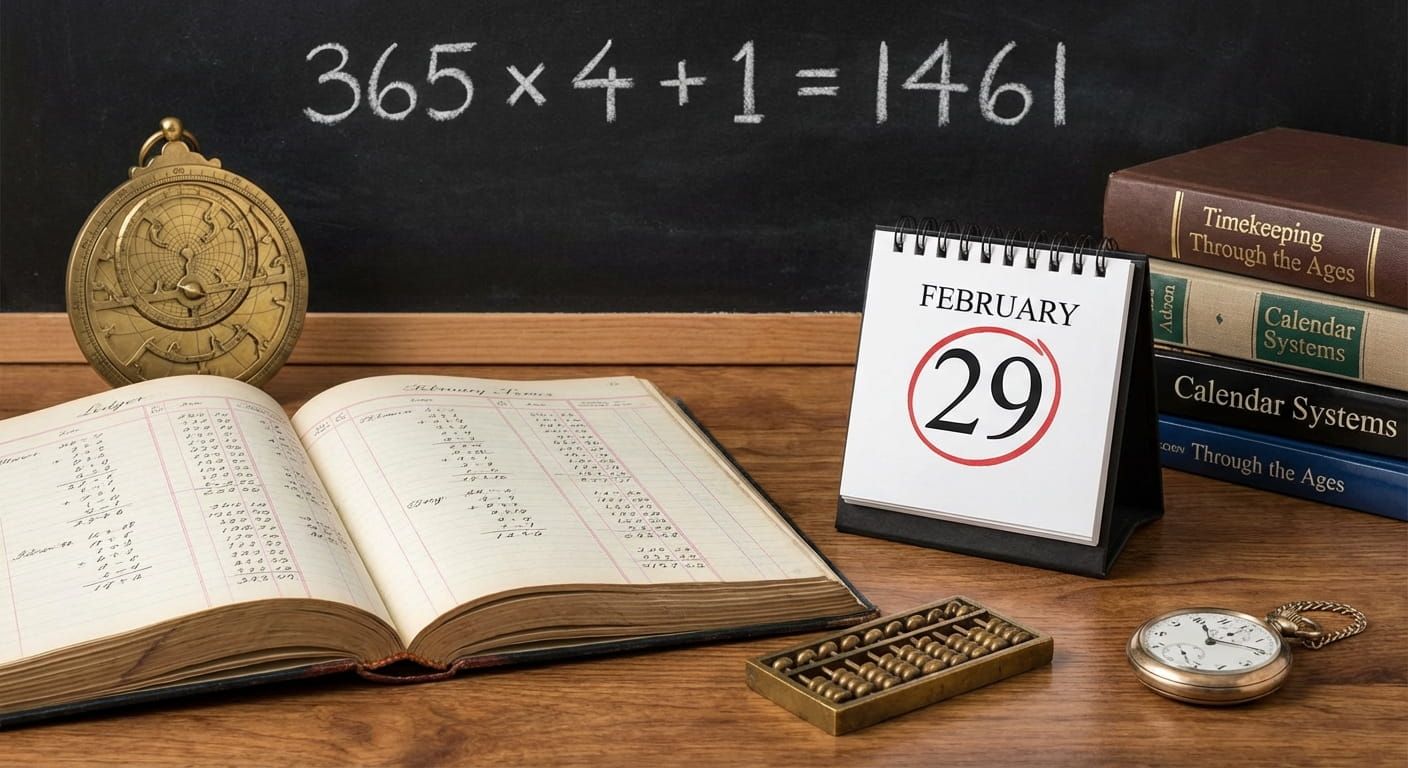
Leap Year Math and Accurate Calendar Age Counting
A calendar can be a comfort, until you try to make it behave like a ruler. Leap years, month lengt...

International Age Systems and Traditional Korean Age Rules
Age feels simple until you need to compare two people born in different time zones, fill out a form that uses “as of” dates, or talk with someone w...
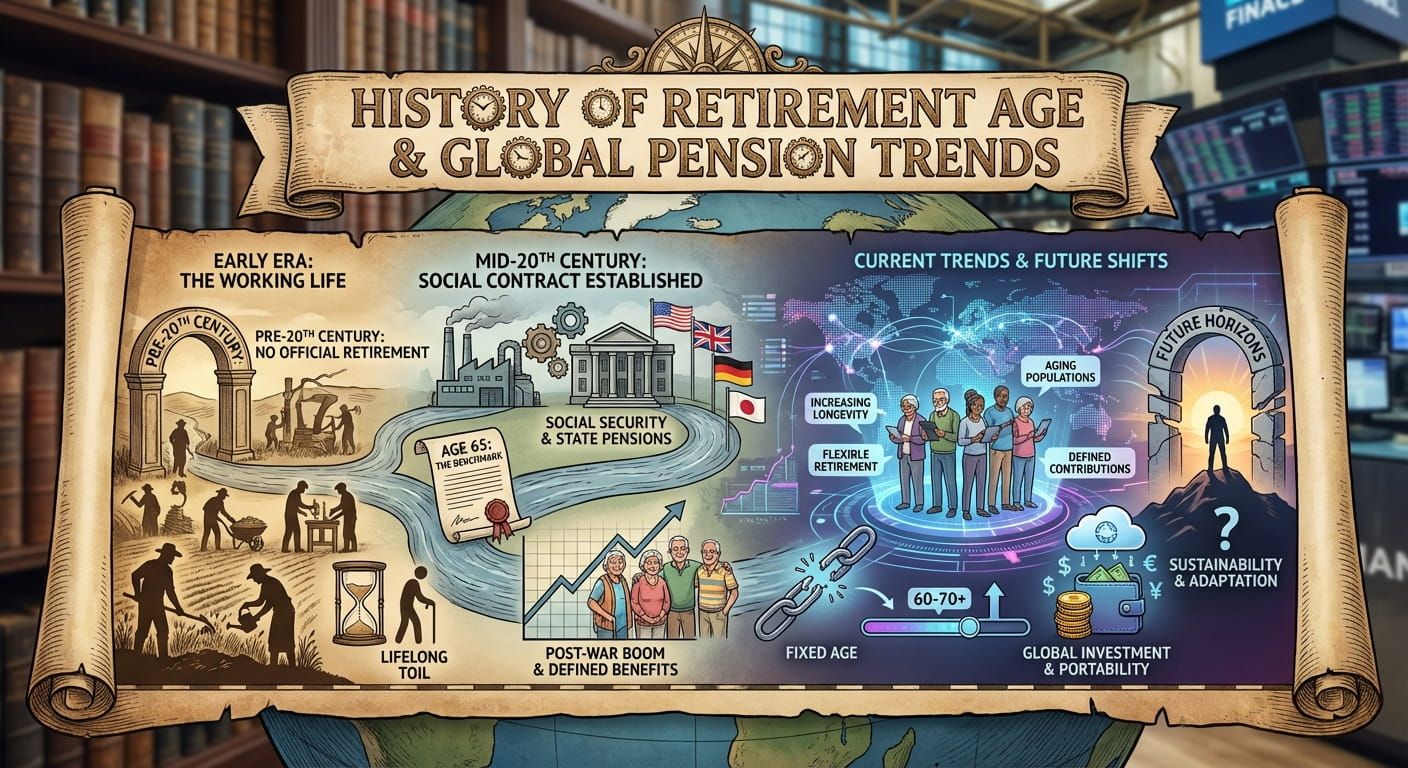
History of Retirement Age and Global Pension Trends
Retirement age sounds simple until you try to define it across countries, jobs, and decades. One person stops working at 55 with a lifelong pension...
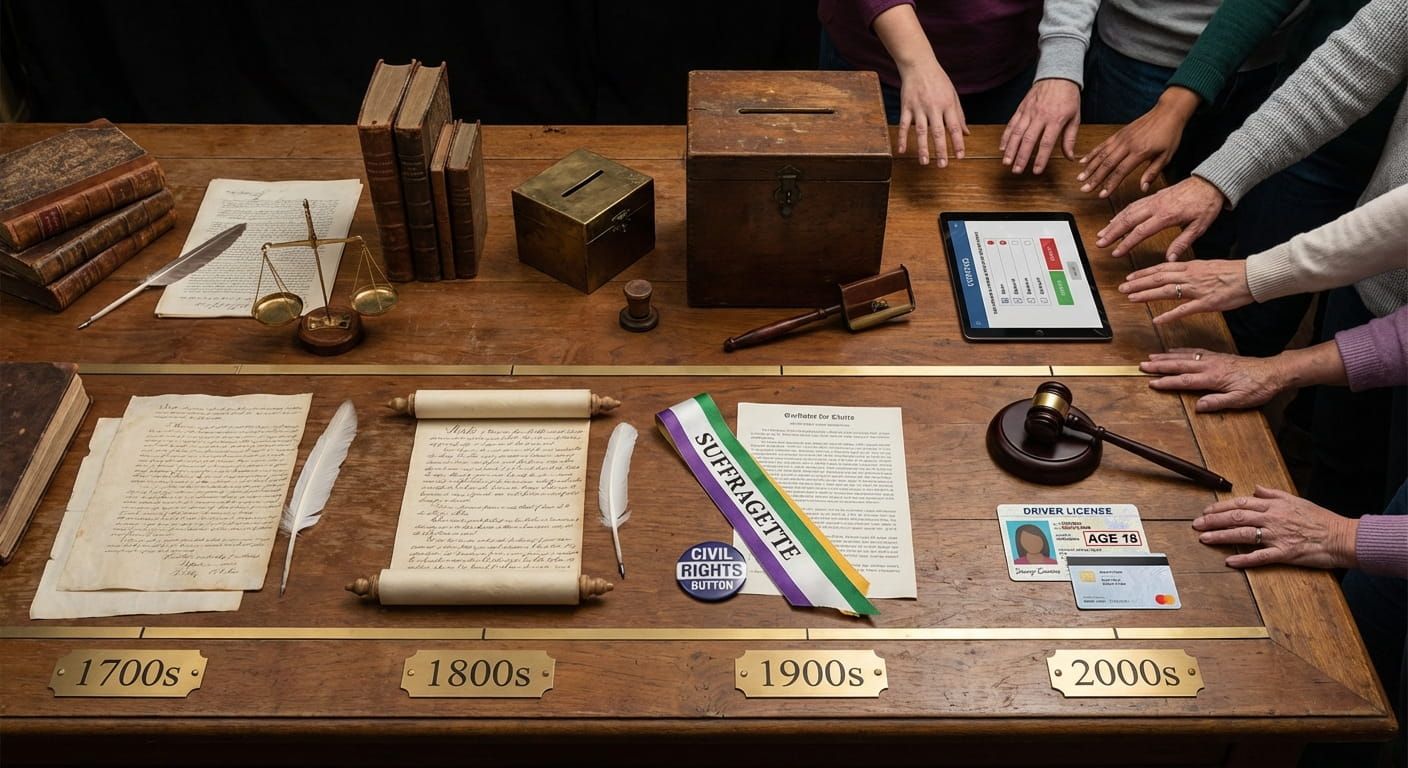
Evolution of Voting Rights and Legal Age Thresholds
Walk into any polling place and you will feel it, voting is both ordinary and huge at the same time. A line, a pen, a screen, a box. Then a quiet c...

How Dog Breed Size Impacts Human Year Conversions
Dog age charts feel simple until you meet a Chihuahua that outpaces your daily walk, or a Great Dane that seems wise at two and “old” at seven. Siz...

Science of Biological Aging and Cellular Time Clocks
Your body keeps time in more ways than the calendar admits. Each cell carries tiny rhythms that track damage, repair, and renewal. Those rhyth...

Planetary Orbits and the Physics of Space Birthdays
Your birthday is a date, but it is also a moving target that depends on which clock you choose...

Sibling Age Gaps and Early Childhood Development
Two kids can grow up in the same home and still feel like they lived in different childhoods. Sometimes it is the parents, sometim...
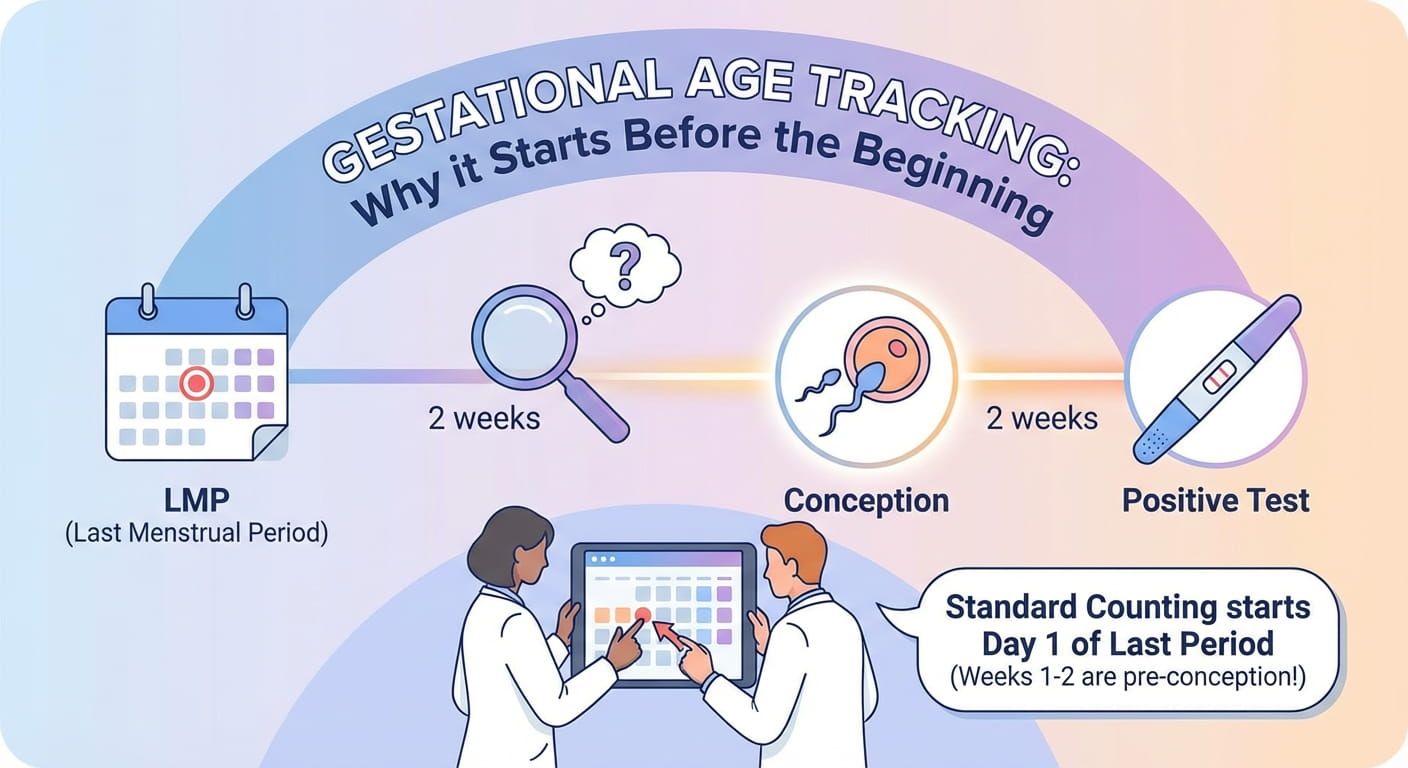
Why Gestational Age Tracking Begins Before Conception
Pregnancy is the only time in life when you can be said to have an official age before you have a birthday. That sounds odd until you see the probl...

Developmental Growth and Adjusted Age for Premature Babies
In the NICU, time can feel elastic. One day you are counting hours between feeds, the next you are wondering why your baby seems to do things “late...

How Generations are Defined and Birth Year Labels Assigned
Generations get talked about like they are neat little boxes, but the truth is messier, and more interesting. People use generational labels to mak...
Cultural History of Birthdays and Time Tracking Traditions
A birthday can feel simple, cake, candles, a wish. Yet behind that moment sits a long, surprising history of how humans learned to...

Finding Birth Years in Historical Records and Census Data
Old records rarely hand you a birth year on a clean silver platter. Instead, they leave clues, a stated age, a date of an event, a scribbled note i...

How to Identify Your Exact Age in Photos and Life Memories
One photo can mess with your sense of time. A haircut makes you look older, a hoodie makes you look younger, and a single day of sun can add years ...