Eid al-Fitr (1st Shawwal)
Signification, histoire et dates observées
Signification spirituelle
It is the 'Day of Reward'. The Prophet (PBUH) said that on the morning of Eid, the angels stand at the corners of the streets calling out: 'O Muslims, come to your Generous Lord! He commands good and gives great rewards.' Zakat al-Fitr (Fitrana) must be given before the prayer, ensuring no one goes hungry.
Leçons pour le croyant
- Eating an odd number of dates before leaving for the Eid prayer — following the Sunnah in small acts is a sign of love.
- Performing Ghusl (ritual bath) and wearing one's best clothes — honouring Allah's celebration outwardly reflects inner gratitude.
- Reciting the Takbirat: 'Allahu Akbar, Allahu Akbar...' — filling the streets with the remembrance of Allah.
Coutumes et traditions communes
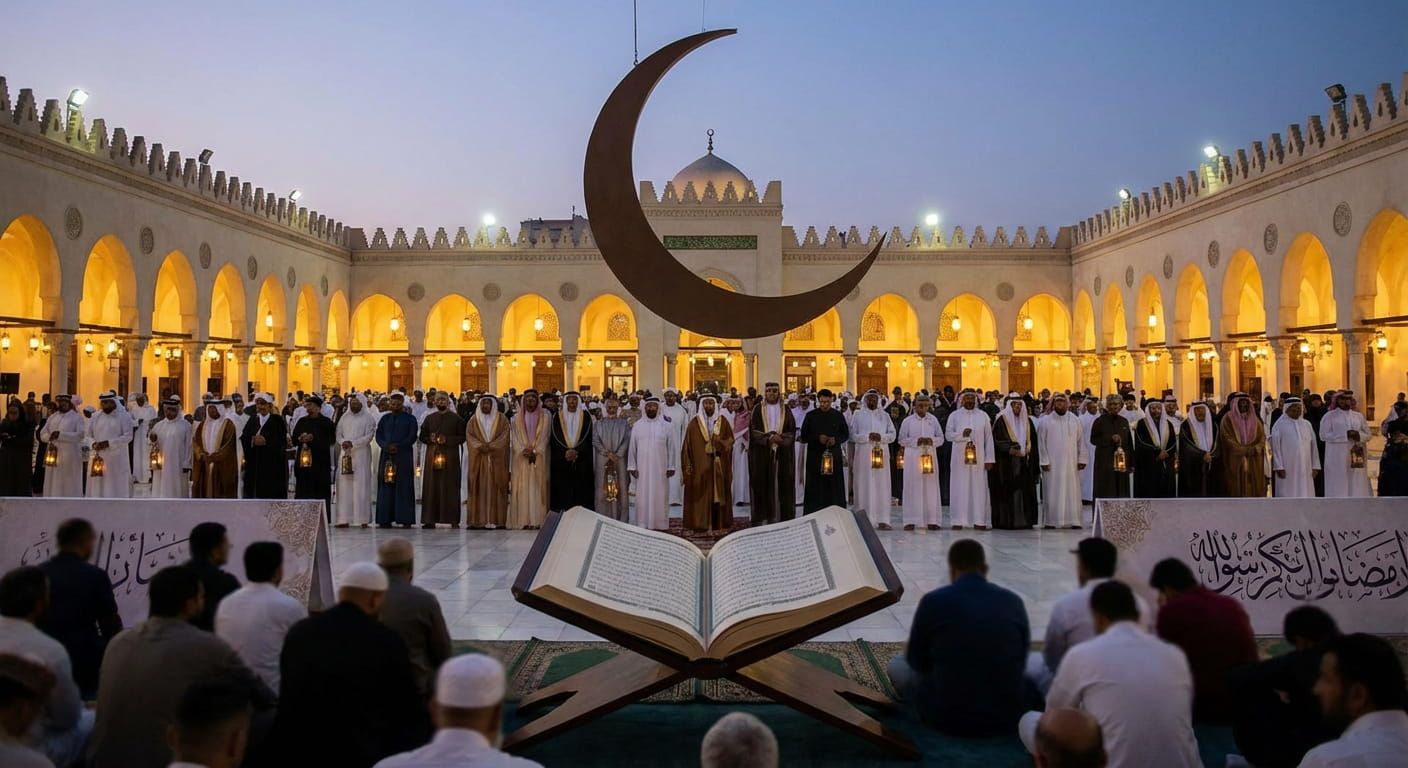
The communal Eid prayer in large open fields (Musalla), 'Eidi' (giving money/gifts to children), visiting family (Silat al-Rahim), and preparing traditional sweets like Vermicelli or Ma'amoul.
Quand a lieu Eid al-Fitr (1st Shawwal) en 2026 ?
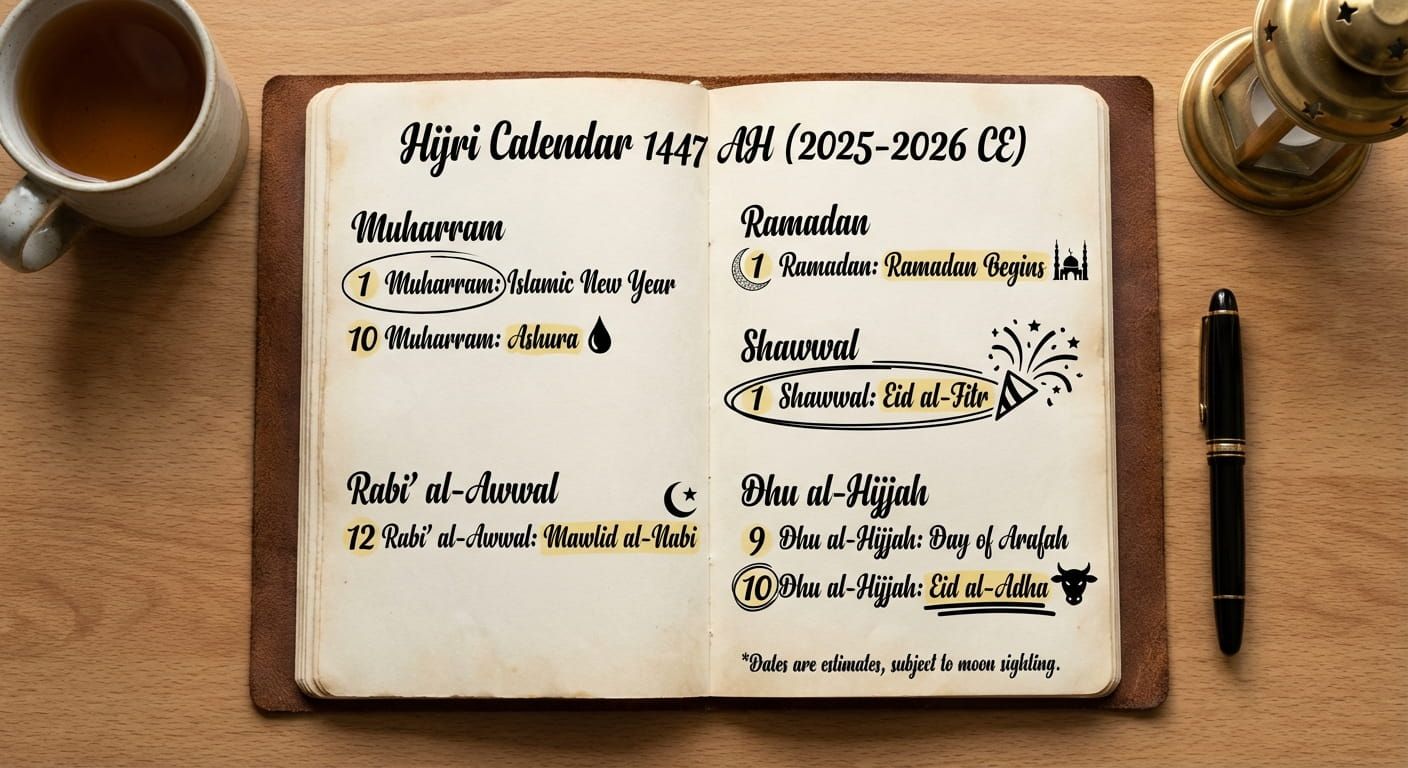
*Les dates sont sujettes aux observations locales de la lune.
Dates à venir pour Eid al-Fitr (1st Shawwal)
Questions fréquentes sur Eid al-Fitr (1st Shawwal)
Qu'est-ce que l'Aïd al-Fitr ?
L'Aïd al-Fitr est la 'Fête de la rupture du jeûne', un jour de joie, de communauté et de récompenses divines pour ceux qui ont accompli le mois de Ramadan.
Quelle est la signification de l'Aïd al-Fitr ?
L'Aïd al-Fitr marque la fin du Ramadan et est une célébration de gratitude envers Allah pour la force de jeûner et d'adorer pendant le mois sacré.
Comment l'Aïd al-Fitr est-il observé ?
Les observances incluent la prière communautaire de l'Aïd dans de grands espaces ouverts (Musalla), le don d''Eidi' (argent ou cadeaux aux enfants), les visites familiales (Silat al-Rahim) et la préparation de sucreries traditionnelles comme les Vermicelles ou le Ma'amoul.
Quelles sont les leçons spirituelles de l'Aïd al-Fitr ?
Les leçons spirituelles incluent manger un nombre impair de dattes avant la prière de l'Aïd, effectuer le Ghusl et porter ses plus beaux vêtements, et réciter les Takbirat ('Allahu Akbar, Allahu Akbar...') pour remplir les rues du souvenir d'Allah.
Pourquoi la date grégorienne de l'Aïd al-Fitr change-t-elle chaque année ?
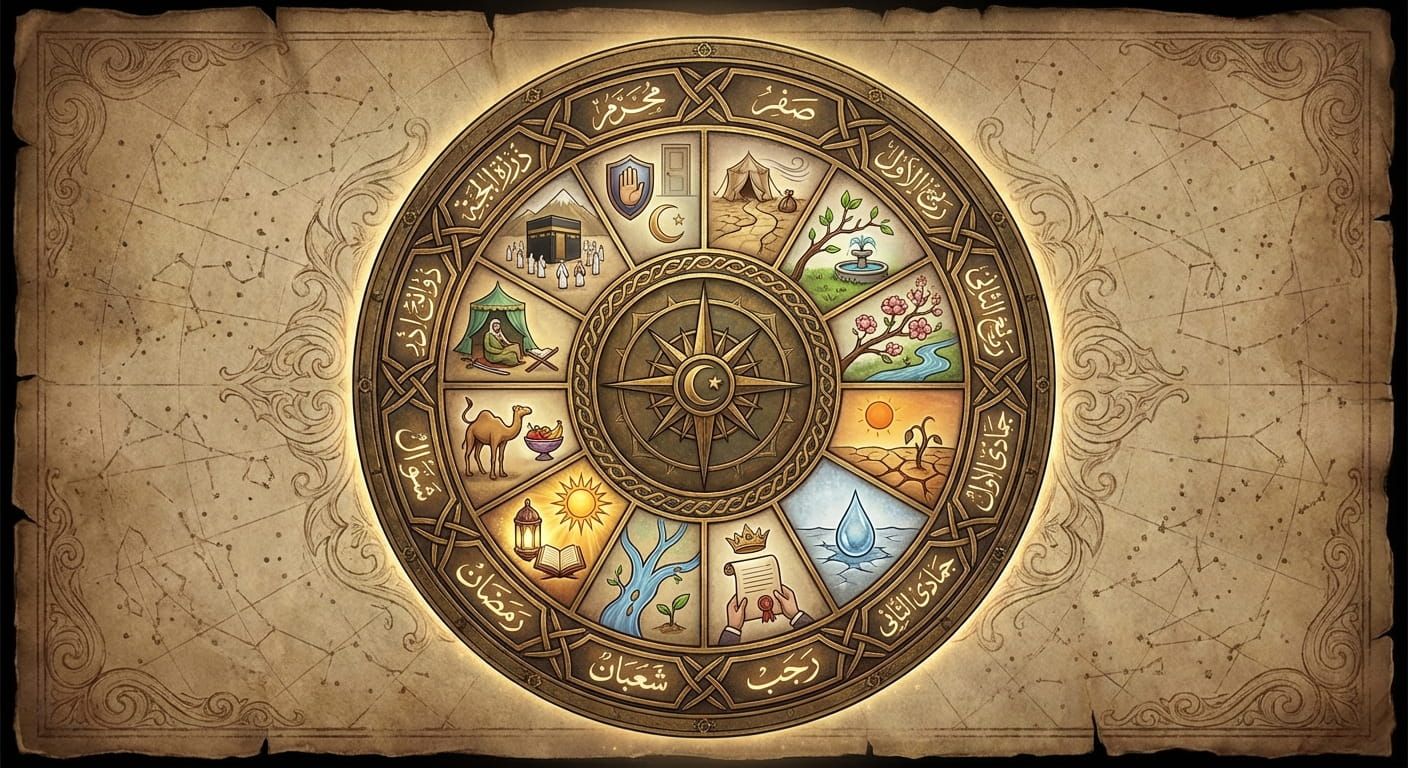
La date grégorienne avance d'environ 10 à 11 jours chaque année parce que le calendrier islamique est basé sur la lune.